
India’s Green Sandpiper Index Fell 35% Over the Long Term While the Recent Trend Was Uncertain
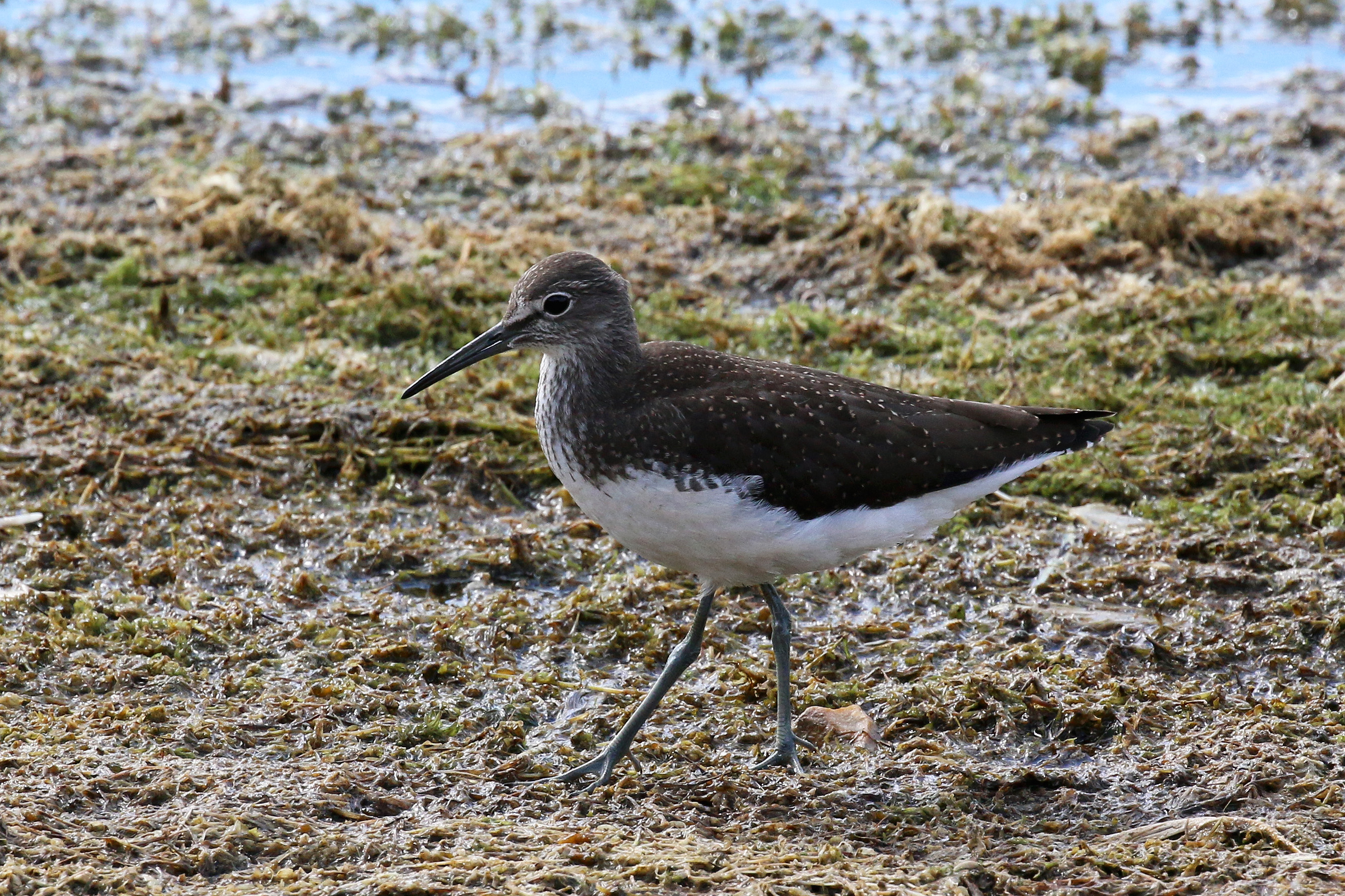
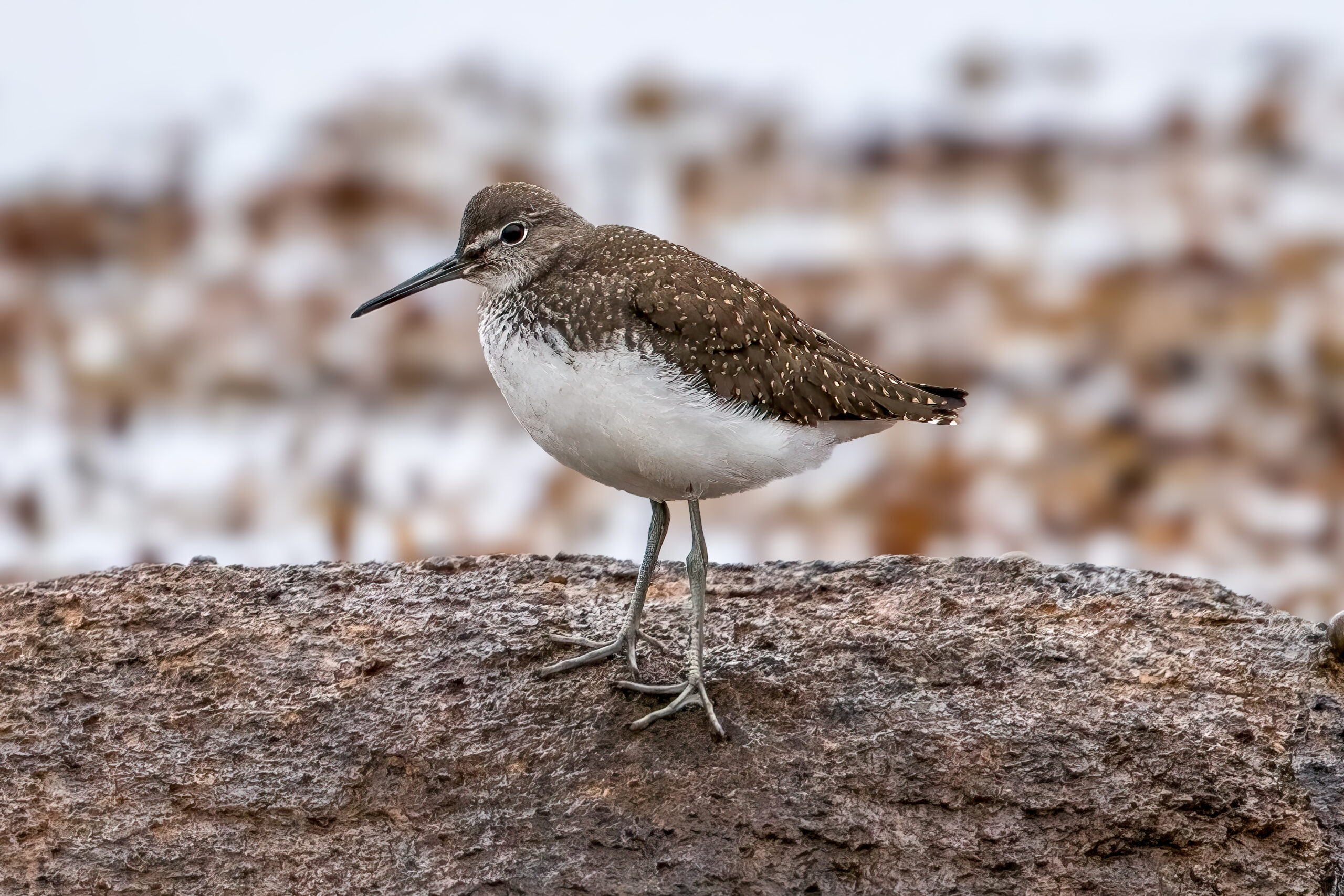
The national abundance index for green sandpiper (Tringa ochropus) showed a substantial long-term decline in India, according to the 2026 interim update of State of India’s Birds. Comparing the reporting-based abundance index in 2024/25 with the baseline before 2000, the long-term trend was estimated at −35.1%.
The numerical update was released on 6 May 2026 as version 2 of the State of India’s Birds dataset. It used 48 million eBird observations submitted across India through 31 May 2025 and recalculated numerical range and trend estimates for 942 previously assessed species.
The recent annual trend showed no clear direction
The current annual trend — the average annual change in the reporting-based abundance index from 2015/16 to 2024/25 — was estimated at +0.14%. The uncertainty was broad, so the recent annual estimate did not show a clear increase or decline.
The estimated national distribution range was about 2.05 million km². In India, green sandpiper is mainly a winter migrant and is associated with wetlands.
The numerical update did not change the existing categories
State of India’s Birds states that the 2026 interim release updated numerical values for range and trends but did not recalculate the previously assigned categorical assessments. The species remains in the low conservation-priority category used by the report.
Green sandpiper is globally classified as Least Concern and is listed in Schedule II of India’s Wild Life (Protection) Act.
Population & status
Related news
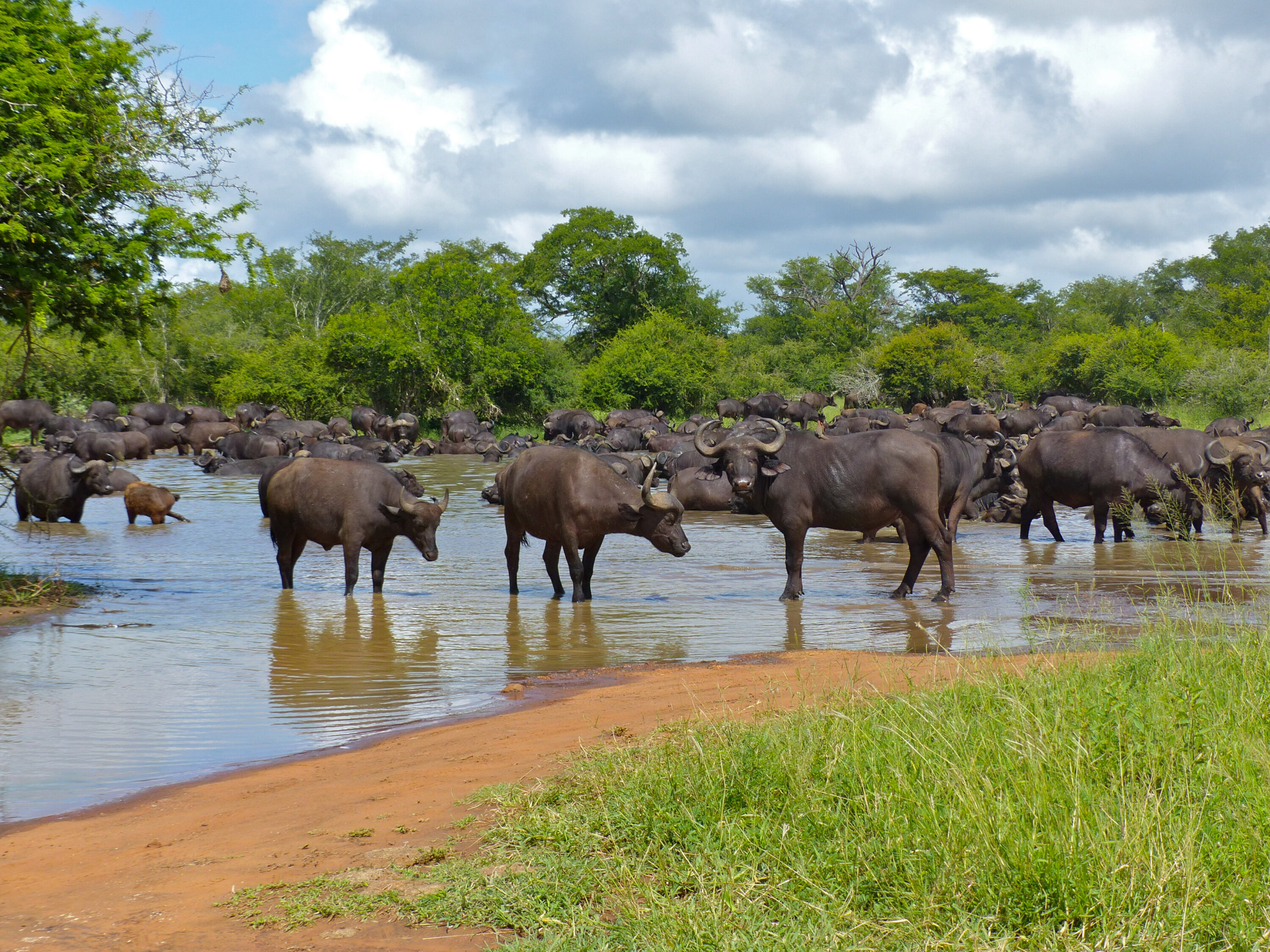
African Buffalo Herds Concentrated in Wetlands and Forest During Gambella's Dry Season
A two-year study in Ethiopia's Gambella National Park found similar but uncertain buffalo abundance estimates in 2022 and…
Read story →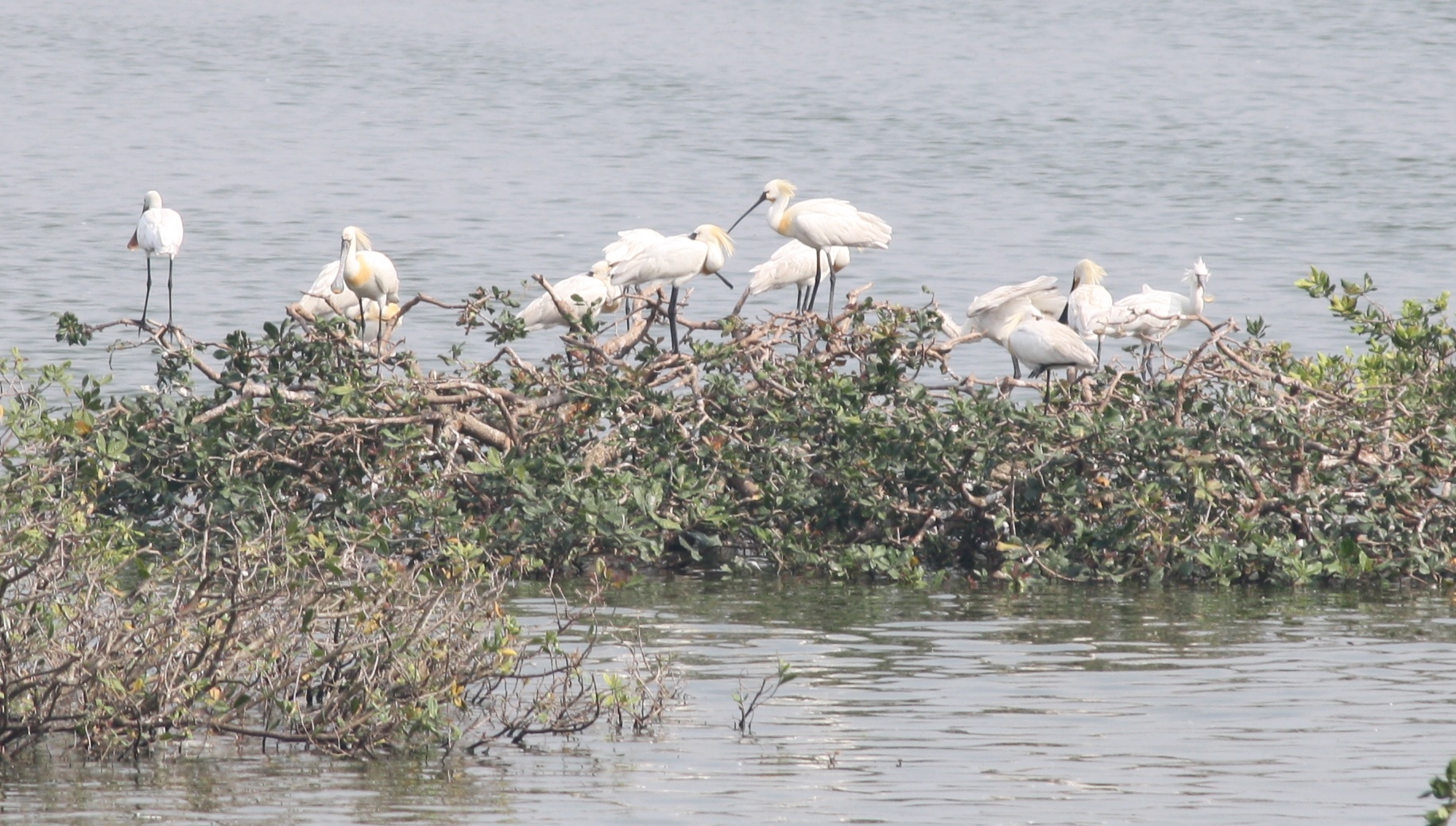
Therthangal Spoonbill Colony Returned to 12 Active Nests After Complete Breeding Failure
Six breeding seasons at Therthangal Bird Sanctuary in Tamil Nadu ranged from 12 active Eurasian Spoonbill nests in…
Read story →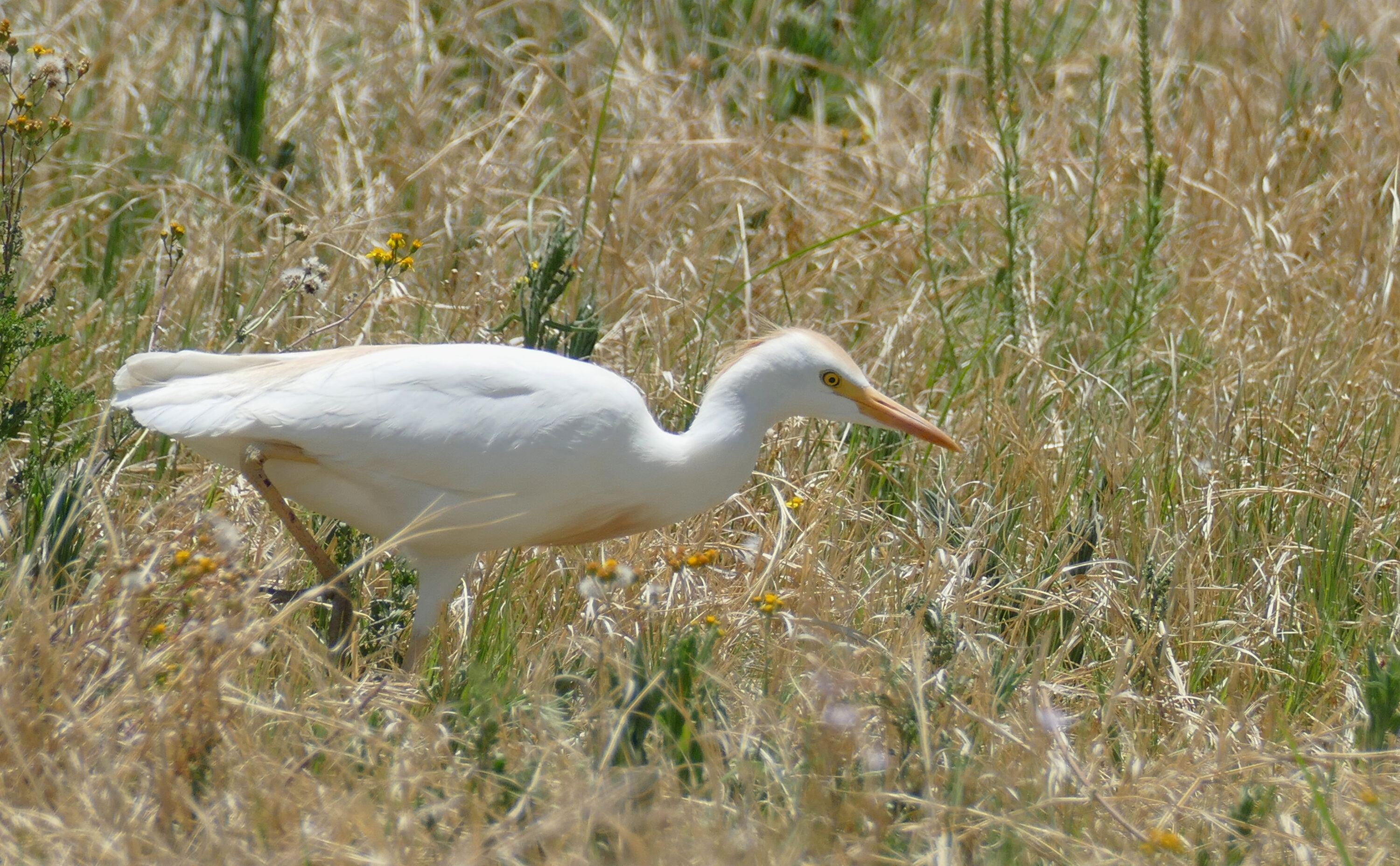
Cattle Egret Reporting Rate Rose From 0.38 to 0.60 in Southern African Atlas Data
A systematic review of 173 studies found generally stable or increasing cattle egret populations in the better-studied parts…
Read story →SPECIES IN THIS STORY
Species in this story
Independent research and conservation news archive
Did you find this information useful?
Wildlife Vagabond is independently built and maintained. Voluntary support helps cover source verification, hosting and continued work on research and conservation news.
Support Wildlife VagabondThe news archive will remain freely available.