
India launches a new evaluation cycle for its 58 tiger reserves

India has begun a new nationwide review of how its 58 tiger reserves are managed. The sixth Management Effectiveness Evaluation of Tiger Reserves (MEE-TR 2026) will examine whether the areas are protecting tigers (Panthera tigris), their prey and habitats effectively, and will assess waste management as a separate criterion for the first time.
Previous evaluation cycles covered fewer reserves; the last assessed 51. The new round is intended to include all 58, allowing management practices, priorities and weaknesses to be examined across the entire reserve network. It was launched at a workshop in New Delhi by the National Tiger Conservation Authority and the Wildlife Institute of India.
What makes a reserve effective?
Independent multidisciplinary teams will assess evidence from the field, including the protection of tigers and prey animals, the condition of habitat, wildlife monitoring, coexistence with nearby communities, tourism and connections between reserves. These connections matter because tigers need opportunities to disperse between suitable habitats rather than being confined to isolated populations.
The framework also looks beyond the existence of a management plan. It considers whether reserves have adequate resources, whether protective measures are carried out and what results the management actually achieves. The aim is to identify practical gaps and direct attention and resources to where they are most needed.
Waste becomes a separate conservation issue
For the first time in this evaluation process, solid-waste management will receive its own assessment. The criterion covers waste generated at forest guard posts and by tourism, as well as biomedical waste from wildlife rescue centres. Poor disposal can create sanitation problems and unwanted interactions between wildlife and human activity, making management of these materials relevant to reserve operations.
The evaluation has only been launched; it has not yet produced assessments of individual reserves. Its significance lies in the more comprehensive review of India’s tiger-reserve network and in making a previously less visible part of day-to-day conservation management an explicit subject of scrutiny.
Management
Related news

Three of five Amur tiger cubs in Hunchun are now independent
A wild Amur tigress in Hunchun, northeastern China, was recorded with five cubs in November 2025—the first image…
Read story →
Wild tiger and leopard populations more than double in China’s Northeast Tiger and Leopard National Park
A five-year account from China’s Northeast Tiger and Leopard National Park reports rising numbers of both big cats,…
Read story →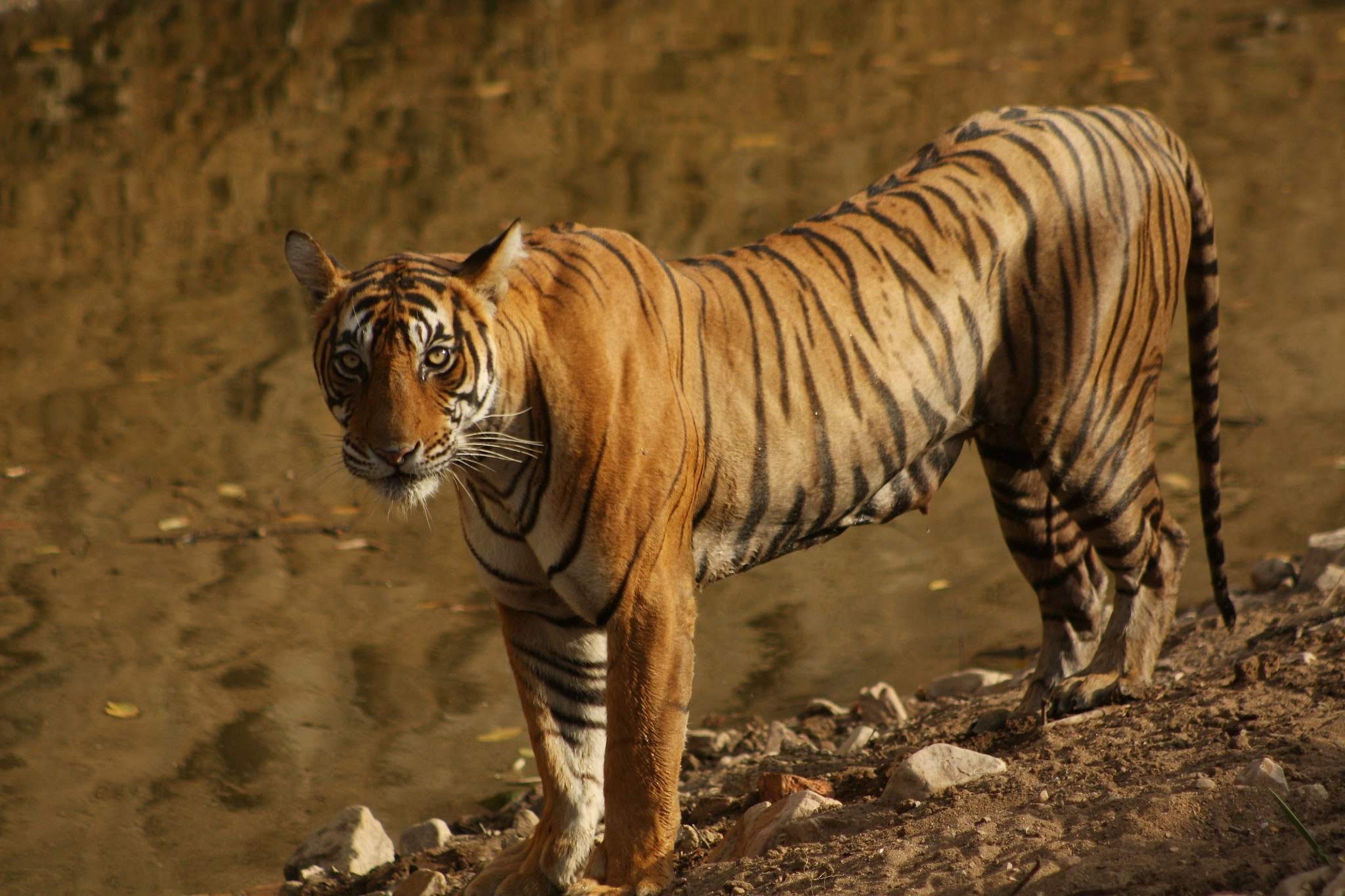
More Human Activity Linked to Tigers Becoming More Nocturnal and Leopards Shifting Their Core Areas
Camera traps at more than 300 sites in northeast China recorded tigers becoming more nocturnal at sites with…
Read story →SPECIES IN THIS STORY
Species in this story

Independent research and conservation news archive
Did you find this information useful?
Wildlife Vagabond is independently built and maintained. Voluntary support helps cover source verification, hosting and continued work on research and conservation news.
Support Wildlife VagabondThe news archive will remain freely available.