
More Human Activity Linked to Tigers Becoming More Nocturnal and Leopards Shifting Their Core Areas
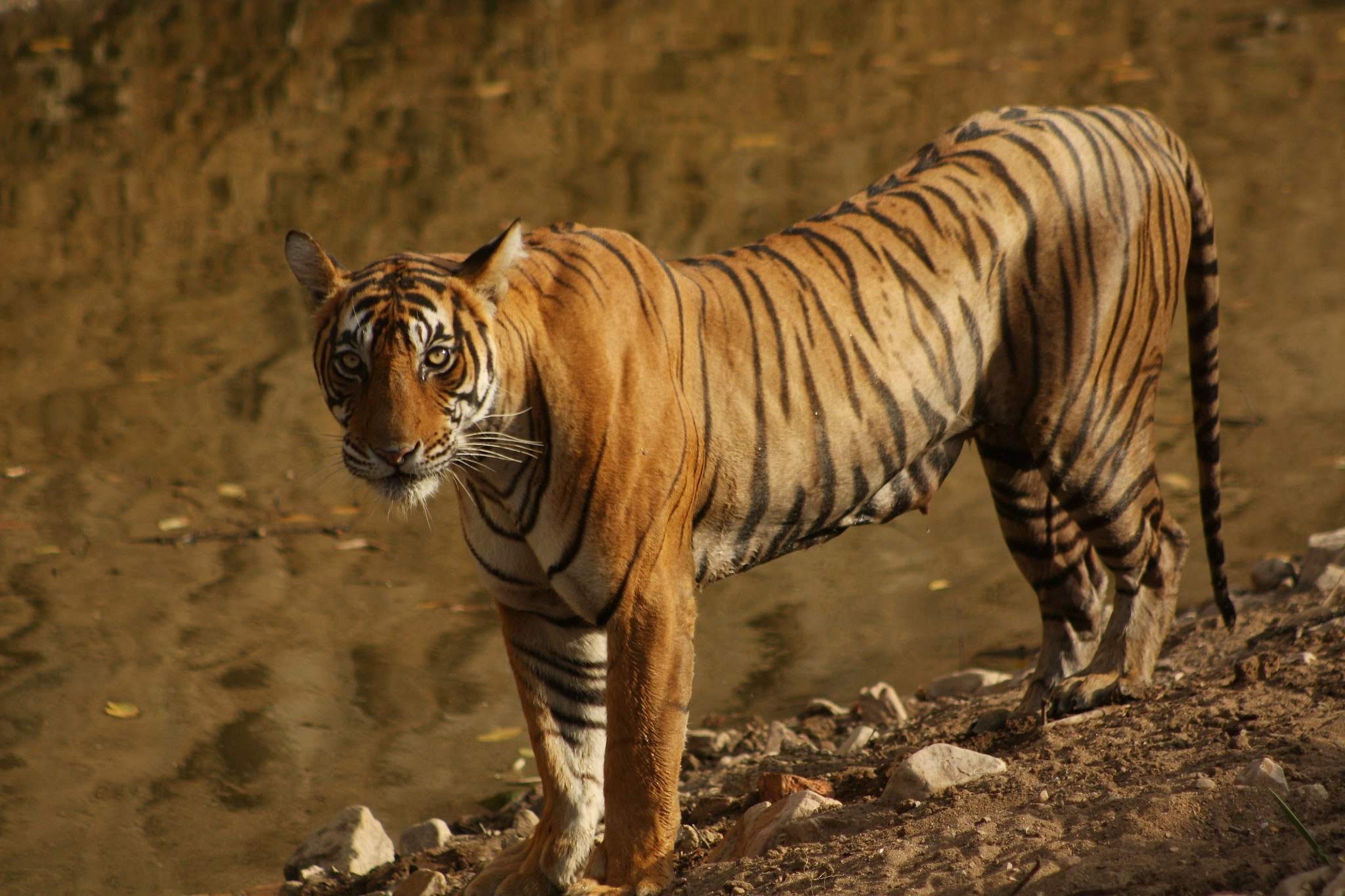
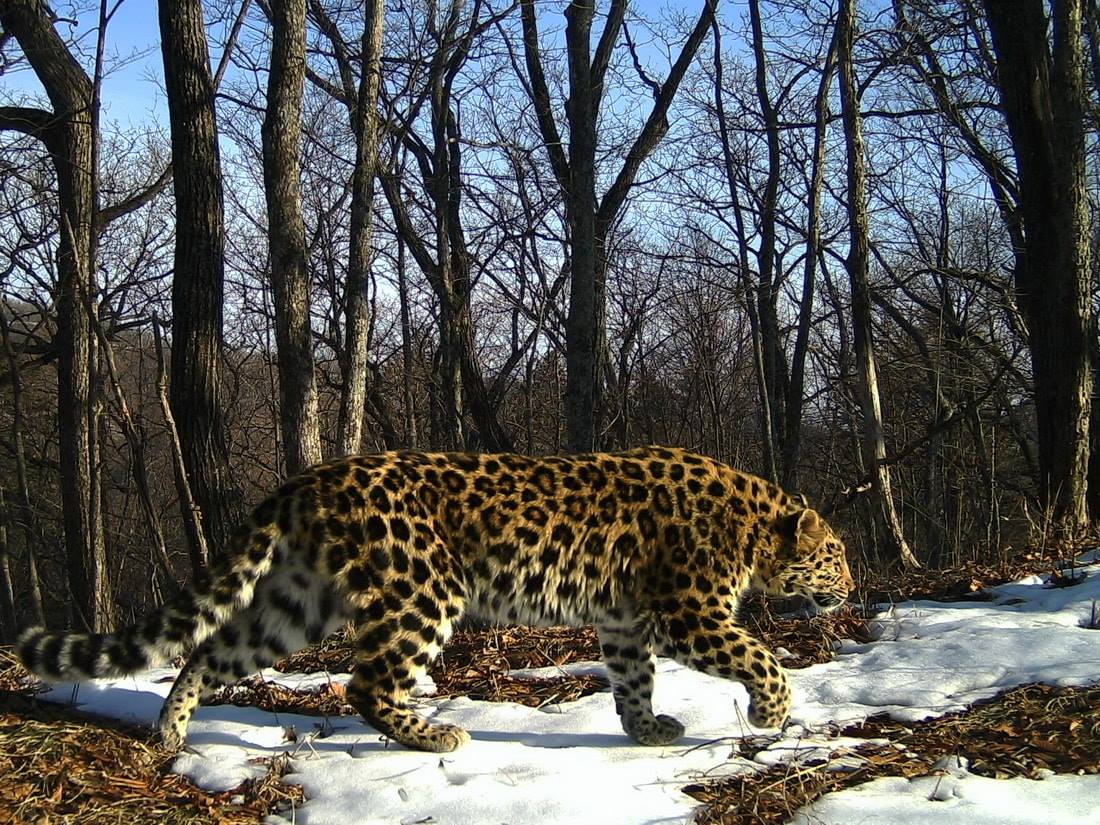
Amur tigers (Panthera tigris) and Amur leopards (Panthera pardus) share a landscape in northeast China. A two-year camera-trap study at more than 300 sites examined how human activity related to where the cats occurred, when they were active, and how their activity overlapped with hoofed mammals such as their ungulate prey.
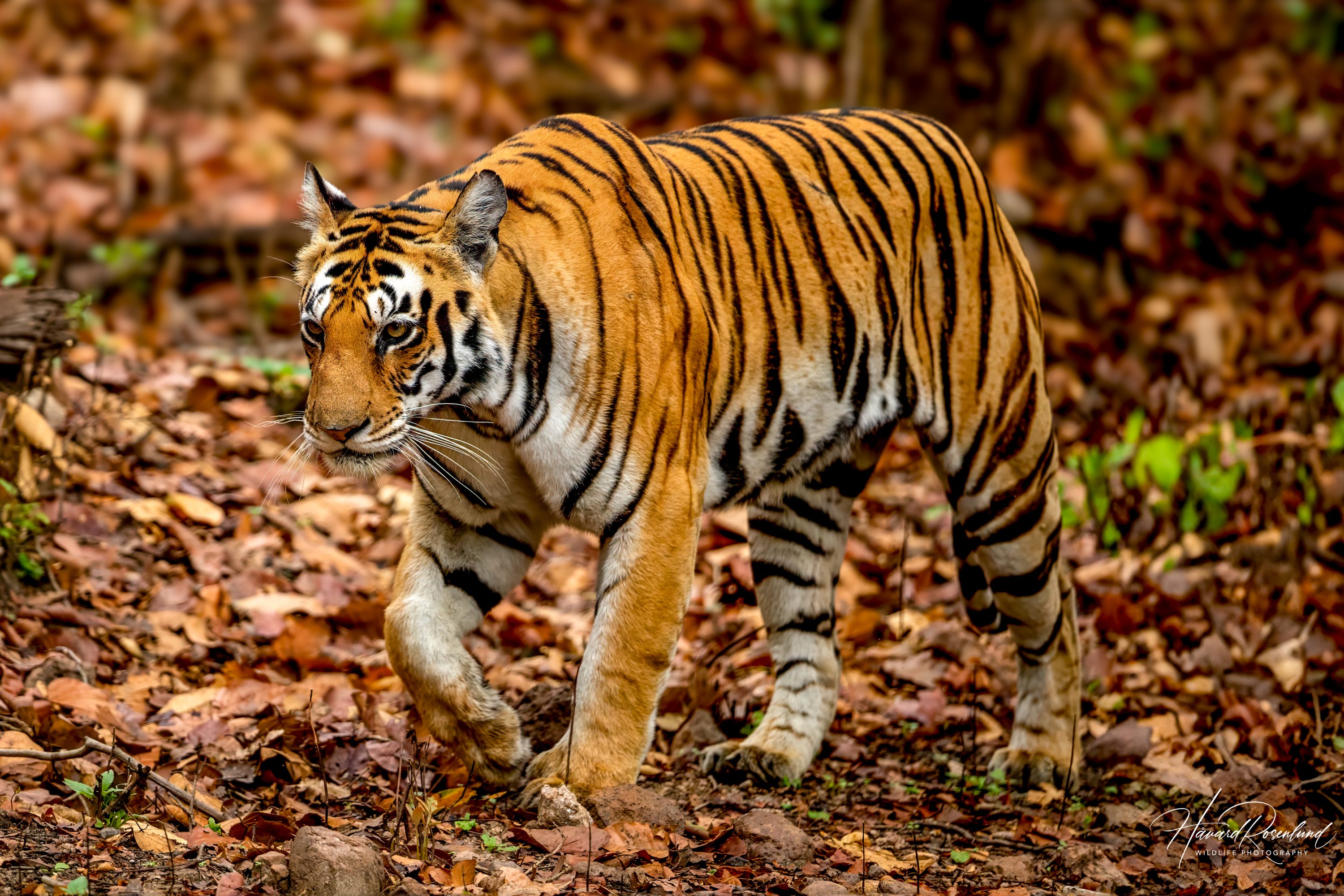
Tigers shifted toward nighttime
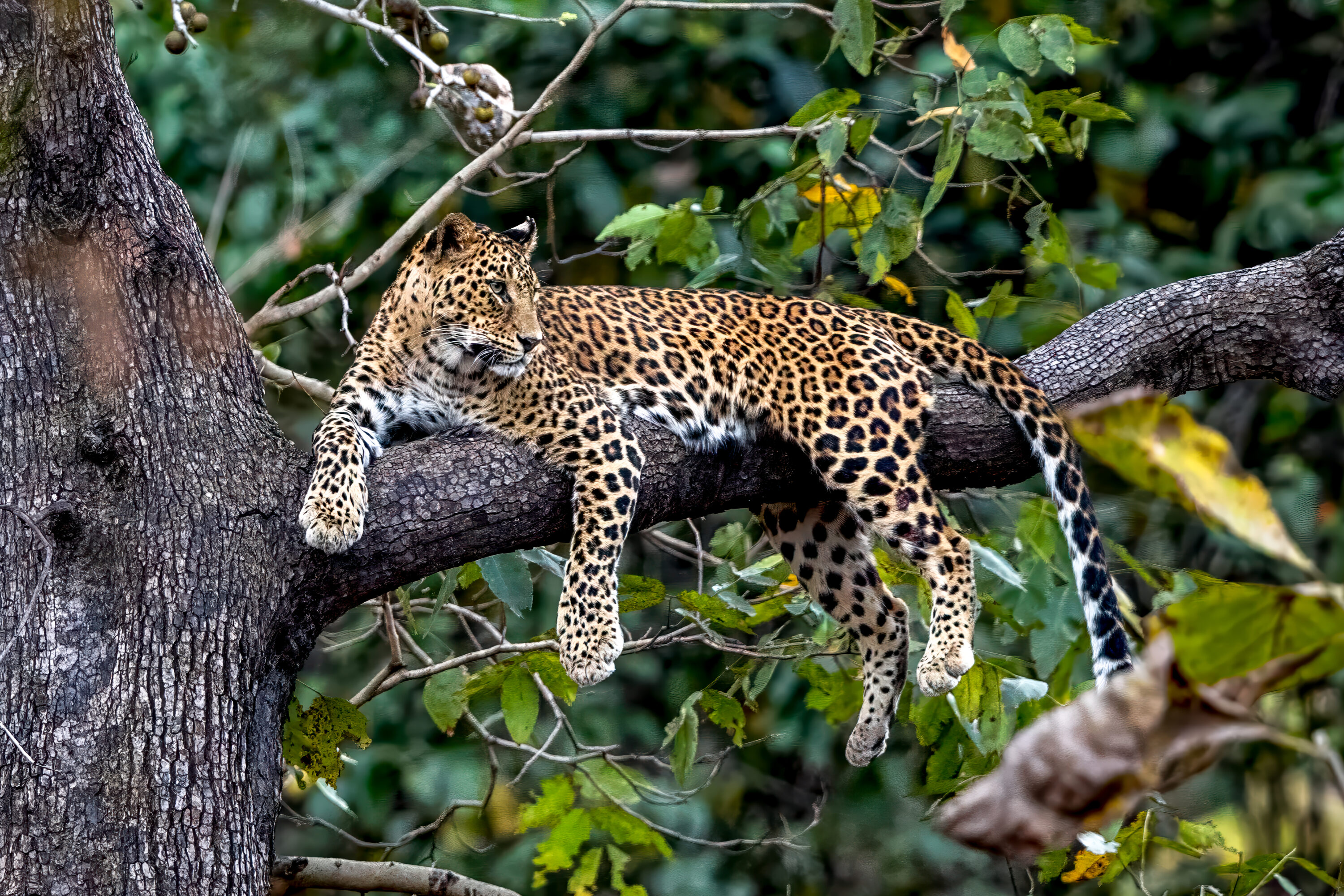
Leopards were less likely to use sites or move into them where tigers were present, and cameras recorded them less often there. At sites with more human activity, tigers and leopards occurred together less often than expected by chance. The relationship between tiger presence and leopard use of space and time varied with disturbance. The researchers suggest that leopards avoided tigers by changing when or where they were active, particularly by shifting their core activity range.
At sites with more human activity, tigers were more nocturnal; leopards did not show the same change in daily activity timing. People were predominantly active by day. At more disturbed sites, tigers’ activity overlapped less with that of ungulate prey. Their spatial overlap with prey did not show the same decline: tigers and prey could use the same areas while being active at different times.
The findings suggest that the timing and location of human activity are relevant to how these large cats share the landscape and when tigers overlap with their prey. The camera-trap patterns show associations in this forest, rather than proving that human activity caused them.
Ecology
Related news
Wild tiger and leopard populations more than double in China’s Northeast Tiger and Leopard National Park
A five-year account from China’s Northeast Tiger and Leopard National Park reports rising numbers of both big cats,…
Read story →
Tiger and leopard conflict records point to different landscapes in South Asia
A regional analysis of records from Bangladesh, Bhutan, India and Nepal found different landscape patterns for conflicts involving…
Read story →
Key Movement Bottlenecks for Five Large Mammals Lay Outside Protected Areas in Tamil Nadu
A 2026 study of tiger, leopard, dhole, Asian elephant and gaur identified modelled movement bottlenecks outside protected areas,…
Read story →SPECIES IN THIS STORY
Species in this story
Independent research and conservation news archive
Did you find this information useful?
Wildlife Vagabond is independently built and maintained. Voluntary support helps cover source verification, hosting and continued work on research and conservation news.
Support Wildlife VagabondThe news archive will remain freely available.