
Juvenile Black-Headed Gulls Let People Approach Closer
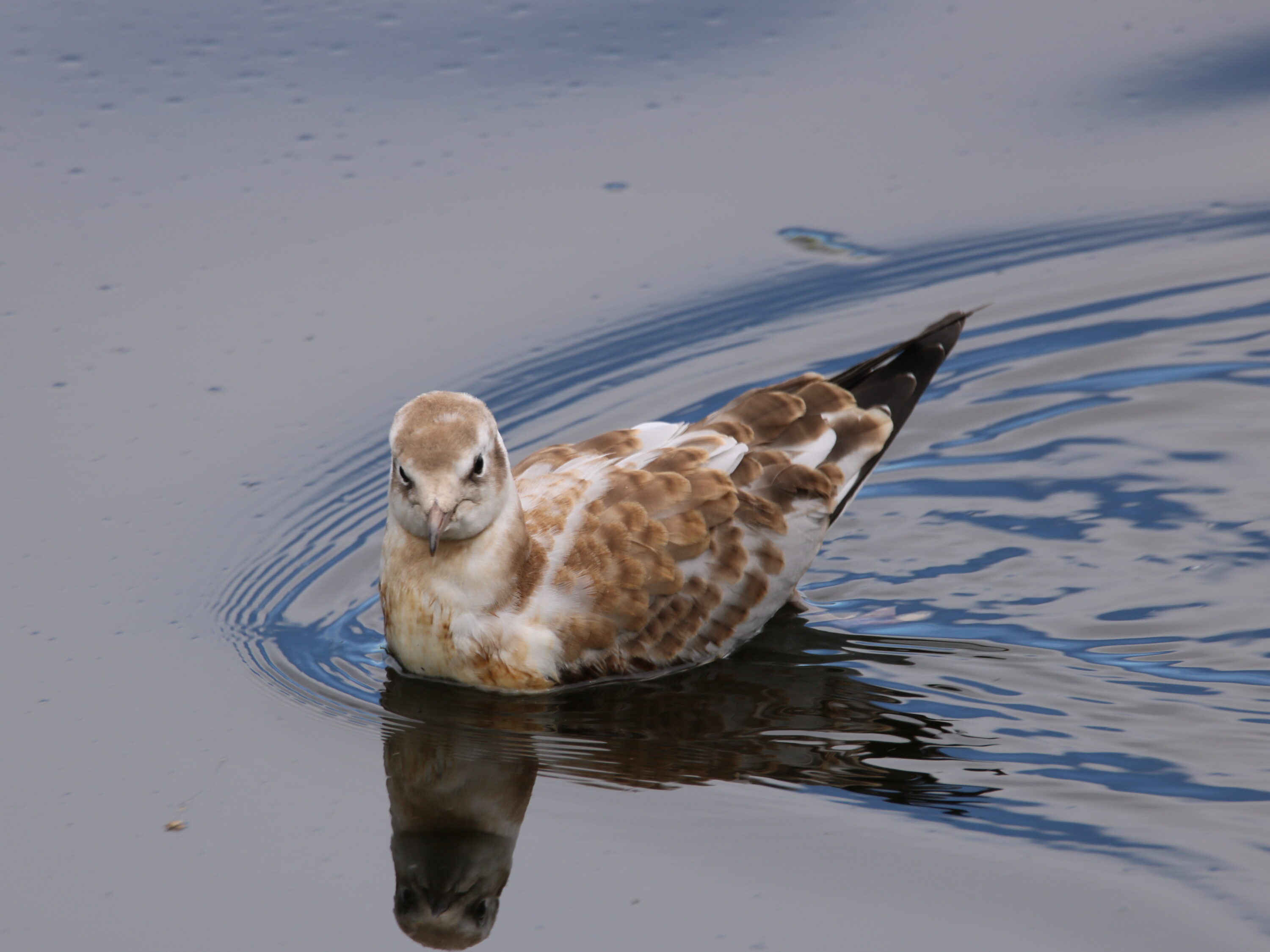
Juvenile black-headed gulls (Chroicocephalus ridibundus) allowed an approaching person to come closer before flying than adults did in a field study published on 10 March 2026. The age difference appeared across several clothing colours and study sites, indicating that young birds tolerated a closer approach in the standardized tests.
The researchers studied wintering gulls in China using flight-initiation distance (FID): the distance between a bird and an approaching observer when the bird begins to escape. Shorter FID means the bird remained in place until the person was closer.
Juveniles had shorter escape distances across colours and sites
Observers approached adult and juvenile gulls while wearing black, white, red or green. Juveniles consistently had shorter FIDs than adults in all four clothing treatments. Additional tests with black-clothed observers at four sites produced the same age pattern.
The researchers had contrasted two predictions. If experience makes birds more cautious, juveniles should allow closer approaches than adults. If repeated harmless exposure to people leads mainly to habituation, older birds might instead be expected to tolerate humans more closely. The observed pattern supported the first prediction.
Experience and plumage may both contribute
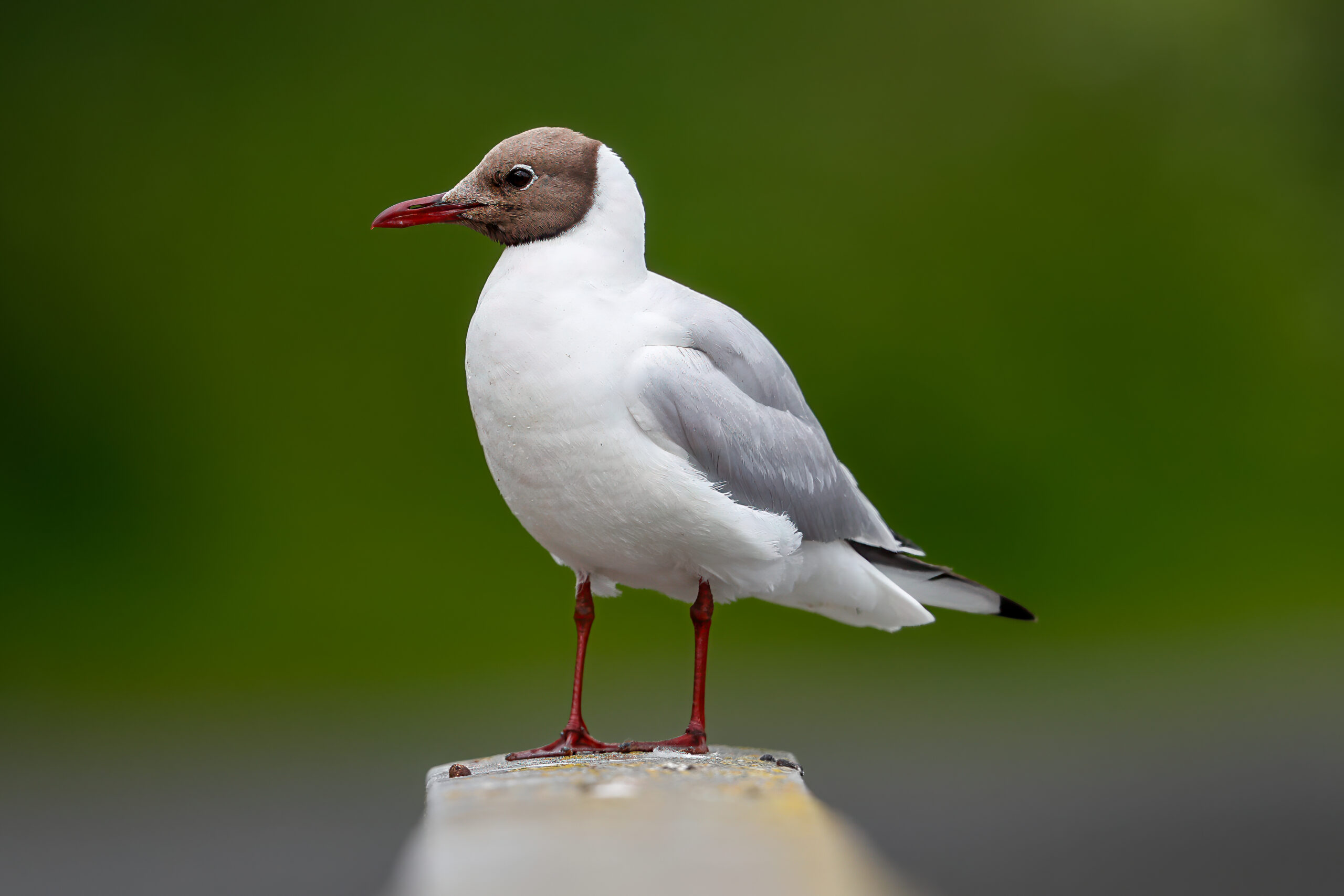
The authors interpret the shorter flight-initiation distances of juveniles as support for the experience hypothesis: younger birds may be less cautious because they have less experience with potential threats, whereas adults have had more opportunities to learn cautious responses. They also note that the brown-spotted juvenile plumage provides more camouflage than the brighter adult plumage, and that greater visibility could contribute to adults escaping sooner.
The age pattern was repeated across sites
The difference between juveniles and adults appeared with all four clothing colours and was also supported by tests at four sites using black-clothed observers. The authors stress that the study was not designed to test the effects of urbanisation directly. The result therefore primarily demonstrates a clear age difference in flight-initiation distance among the black-headed gulls studied.
Behaviour
Related news

GPS-Based Models Highlighted the Lower Sumida as a Key Black-headed Gull Corridor in Tokyo
GPS tracking showed that black-headed gulls followed different river features at different movement scales in Tokyo, while GPS-based…
Read story →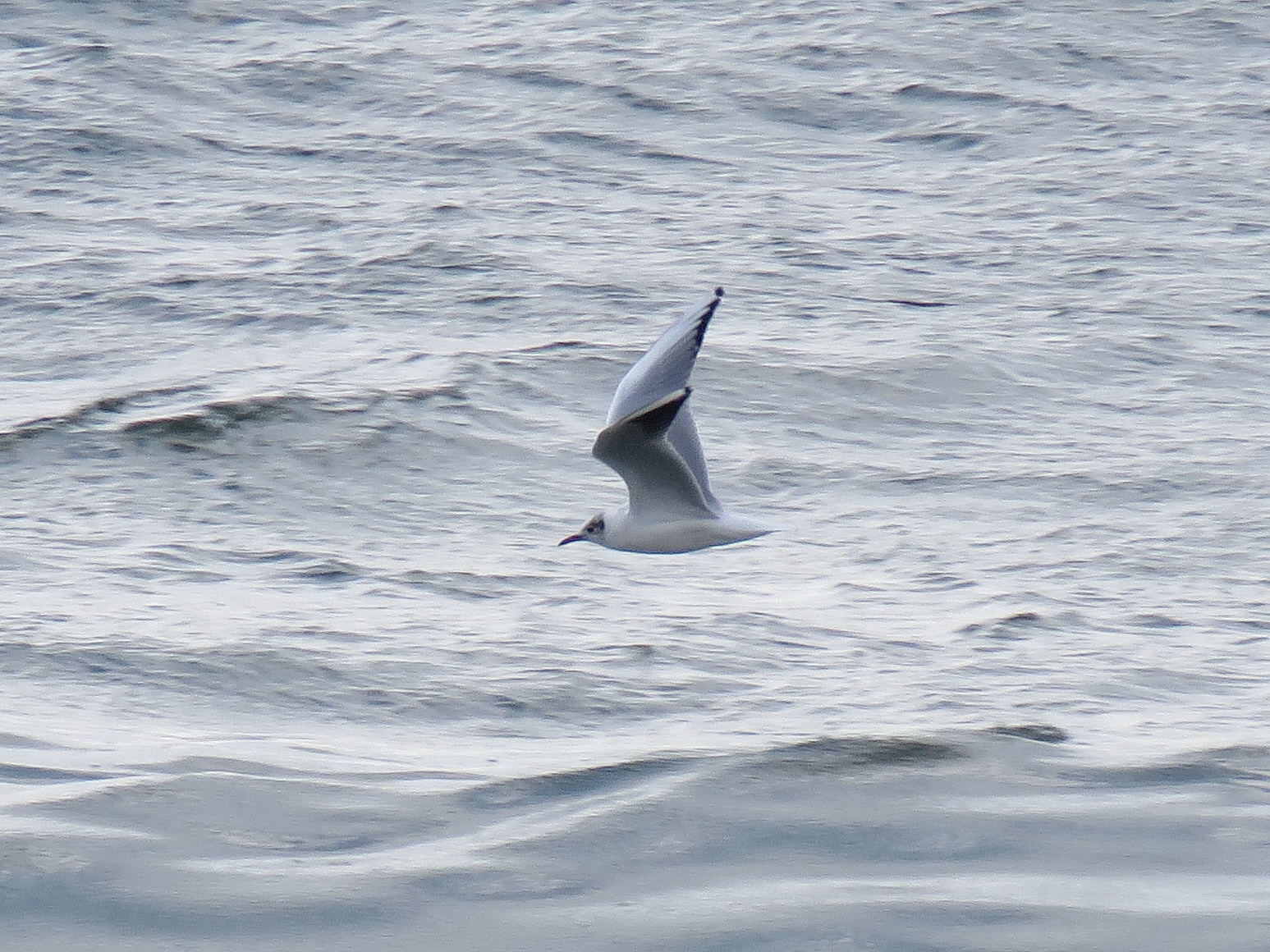
Black-headed Gull Sample Yielded the Longest Known Calicivirus Genome
A Hungarian black-headed gull faecal sample yielded an 8,845-nucleotide avian calicivirus genome with unusual RNA structures and enough…
Read story →
New Papillomavirus Genome Identified in Black-headed Gull Faeces in China
Researchers identified the 7,794-base-pair CrPV1 genome in faecal samples from black-headed gulls in Sichuan and found it genetically…
Read story →SPECIES IN THIS STORY
Species in this story
Independent research and conservation news archive
Did you find this information useful?
Wildlife Vagabond is independently built and maintained. Voluntary support helps cover source verification, hosting and continued work on research and conservation news.
Support Wildlife VagabondThe news archive will remain freely available.