
Large pines are key osprey nest trees in managed French forest
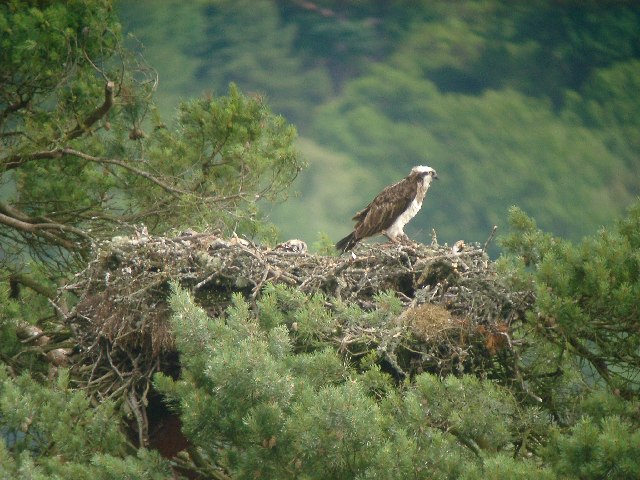
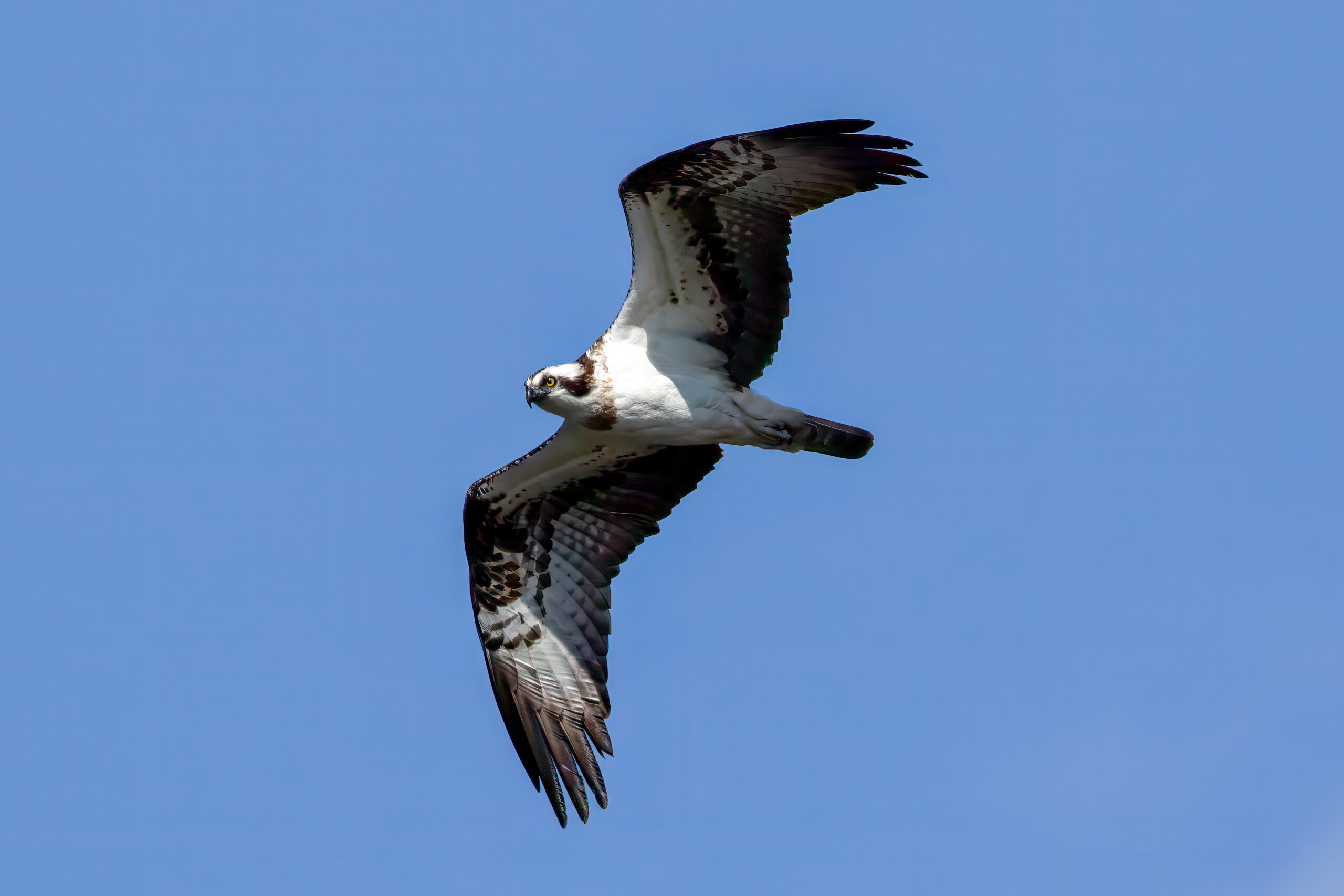
Osprey (Pandion haliaetus) selected exceptionally large pines for nesting in a managed forest in central France, according to a study published on 6 May 2026 in the Journal of Raptor Research. The finding gives forest managers a practical reason to retain mature pines beyond the diameter at which they would normally be harvested.
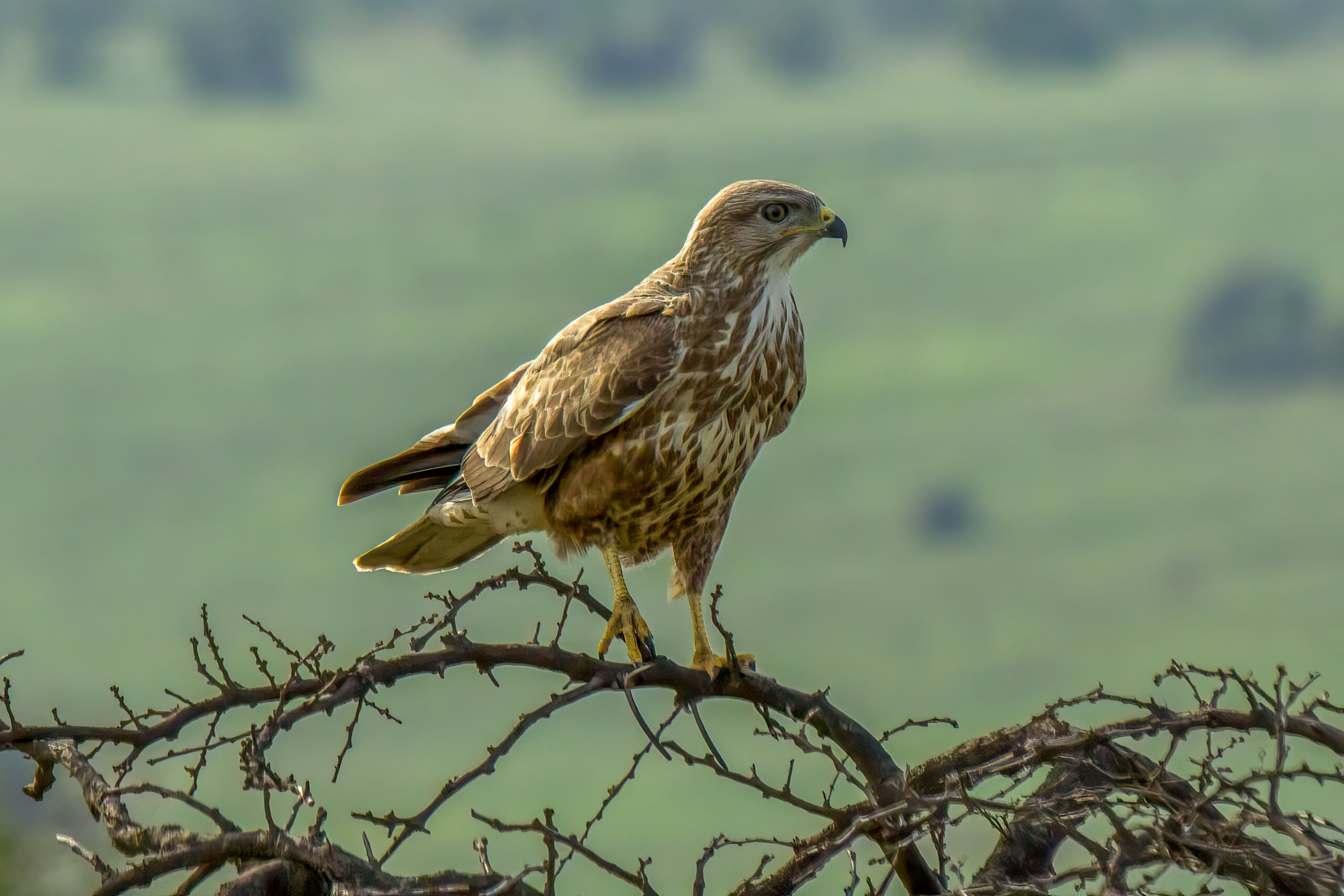
The researchers studied a 676-square-kilometre lowland forest dominated by mixed oak and Scots pine. They compared four large diurnal raptors breeding in the same landscape: osprey, Eurasian goshawk, common buzzard and booted eagle. The analysis used 118 nests occupied in 2012 and 149 randomly selected control points.
For each location, the team measured features at several scales. These included the species and size of the nest tree, conditions within 200 metres of the nest, and landscape variables within one, two and five kilometres. They also considered logging, access to commonly used foraging areas, human disturbance and distances to nests of the same and other raptor species.
Large pines were the clearest nest-site signal
Tree choice produced the clearest osprey result. Every osprey nest except one was in a pine; the exception was in an oak. The species also showed a particularly strong preference for large nest trees. All four raptors selected large nest trees, with the strongest large-tree selection shown by booted eagle and osprey.
Local management may explain tolerance of disturbance
Variables describing logging and access to frequently used hunting areas were less influential than nest-tree characteristics. All four species also appeared relatively tolerant of human disturbance in this particular forest. The authors caution that this tolerance may reflect local management: logging near known nests was limited during the breeding season. It should therefore not be read as evidence that unrestricted forestry or disturbance is harmless.
The spatial analysis found another pattern involving osprey. Their nests occurred closer to the nests of other raptor species than the control points did. The authors describe this as heterospecific aggregation, meaning that osprey nests tended to cluster nearer nests of other raptor species than expected from the control locations.
Retaining pines beyond normal harvest size can preserve nest options
The main management recommendation is straightforward: retain large pines. In the study forest, trees were commonly harvested at about 45 centimetres diameter at breast height — the standard forestry measure of trunk diameter taken at roughly chest height — yet the raptors frequently selected trees at or above this size. Allowing a network of suitable pines to grow beyond the normal cutting threshold could maintain present nests and provide future alternatives when a nest tree is lost.
Ecology
Related news
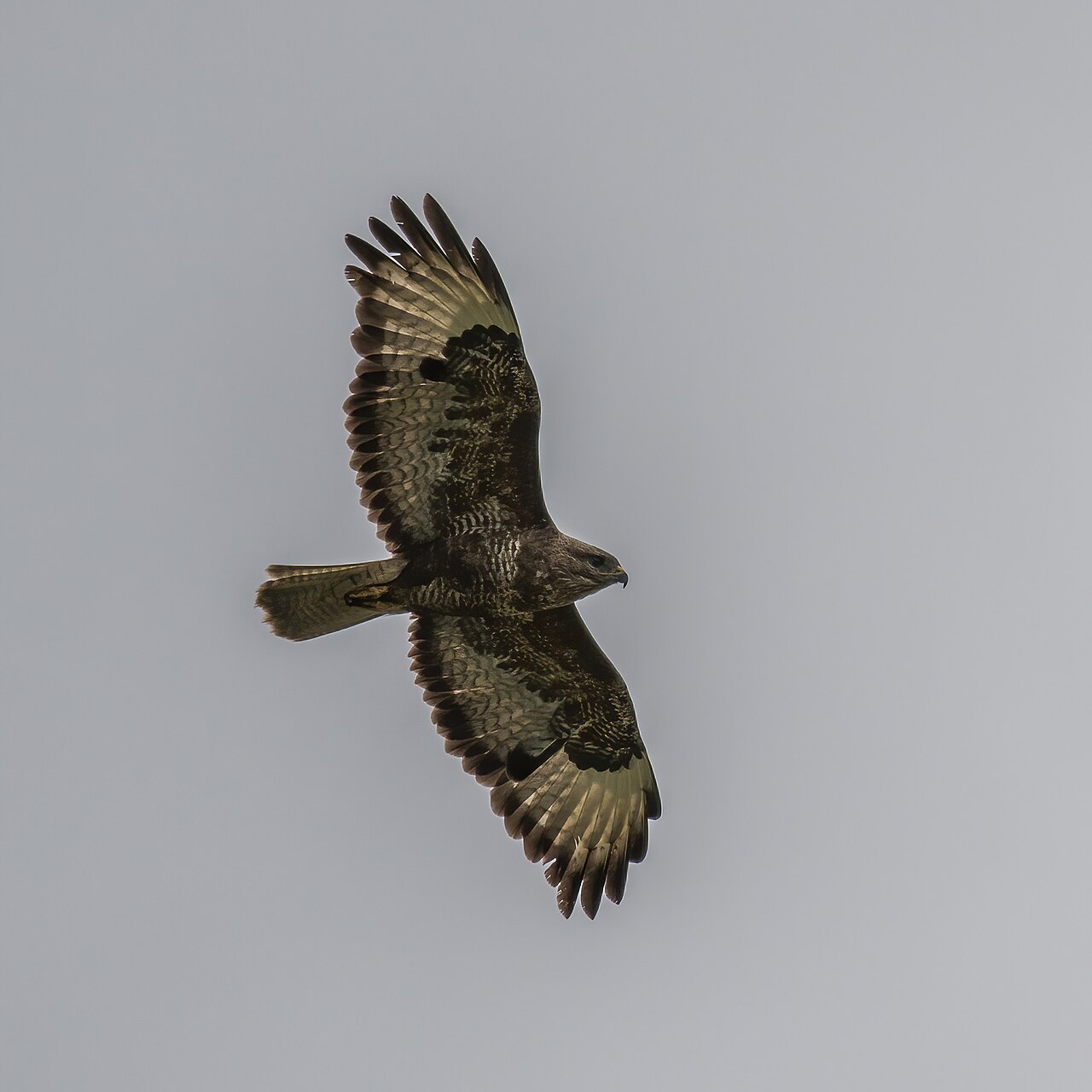
Berlin Common Buzzards Forage in Courtyards and Breed in Urban Green Islands
Four years of GPS tracking showed juvenile common buzzards in Berlin using small urban foraging hotspots associated with…
Read story →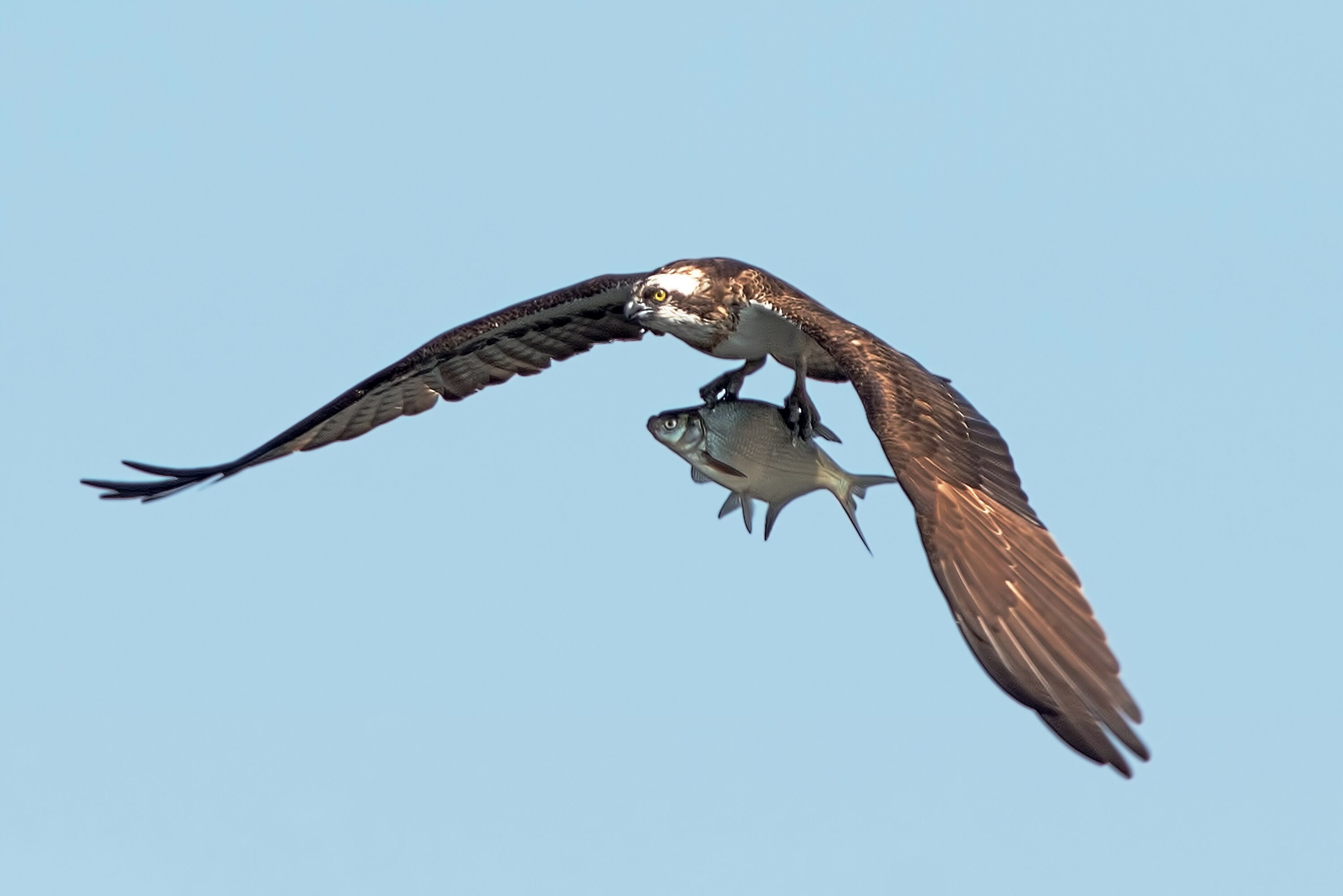
VKM: Exporting Up to 26 Osprey Young to Ireland Would Not Harm Conservation Status in Norway
VKM concluded that exporting up to 26 wild young ospreys from two Norwegian donor areas to Ireland would…
Read story →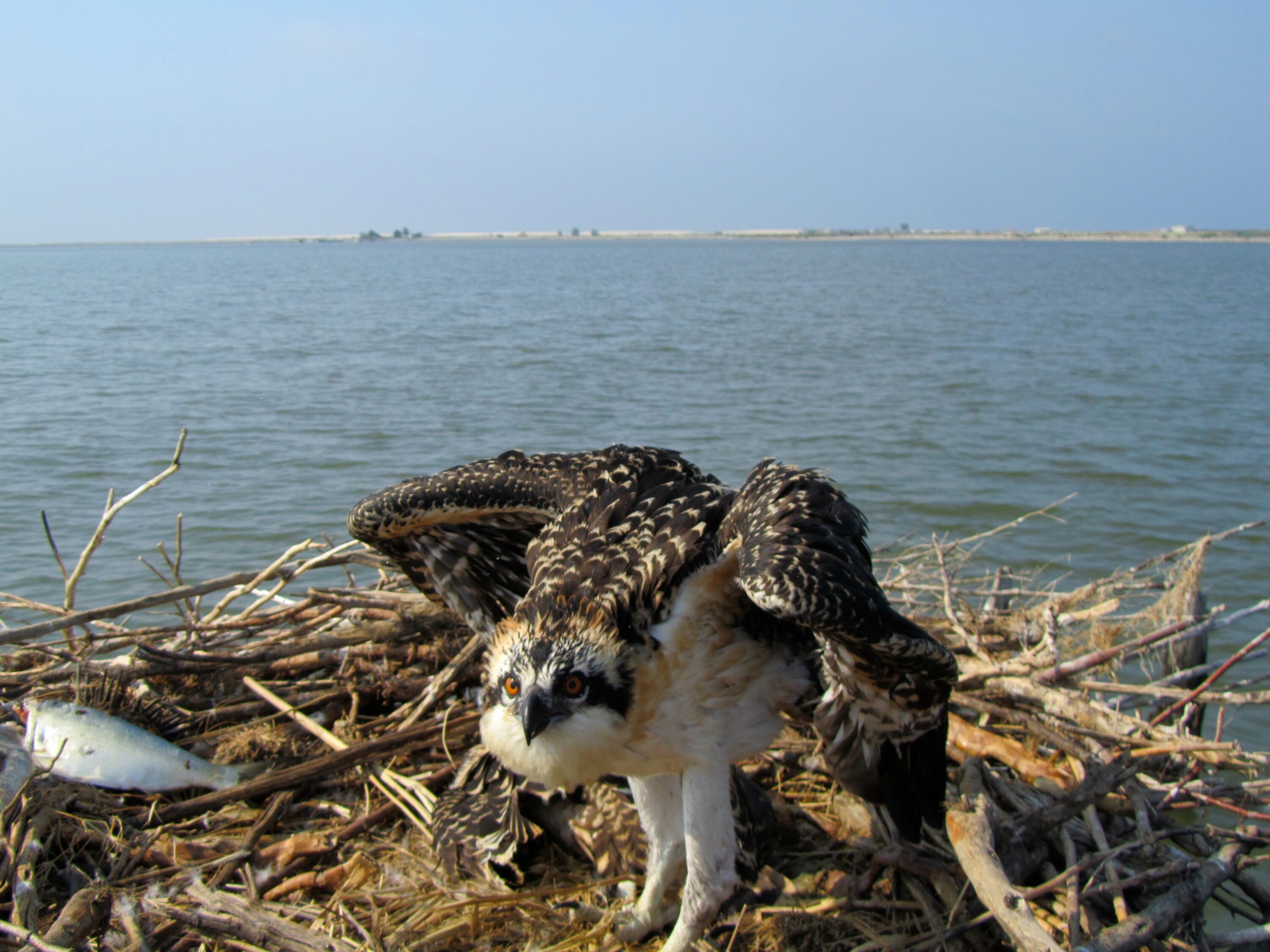
24 Osprey Chicks Fledged From 12 Rutland Nests
Rutland Osprey Project reported 24 chicks fledged from 12 nests in 2026. The season produced 14 chicks assessed…
Read story →SPECIES IN THIS STORY
Species in this story
Independent research and conservation news archive
Did you find this information useful?
Wildlife Vagabond is independently built and maintained. Voluntary support helps cover source verification, hosting and continued work on research and conservation news.
Support Wildlife VagabondThe news archive will remain freely available.