
Long-tailed Shrikes Were Recorded Slightly Higher Than Brown Shrikes in Laos
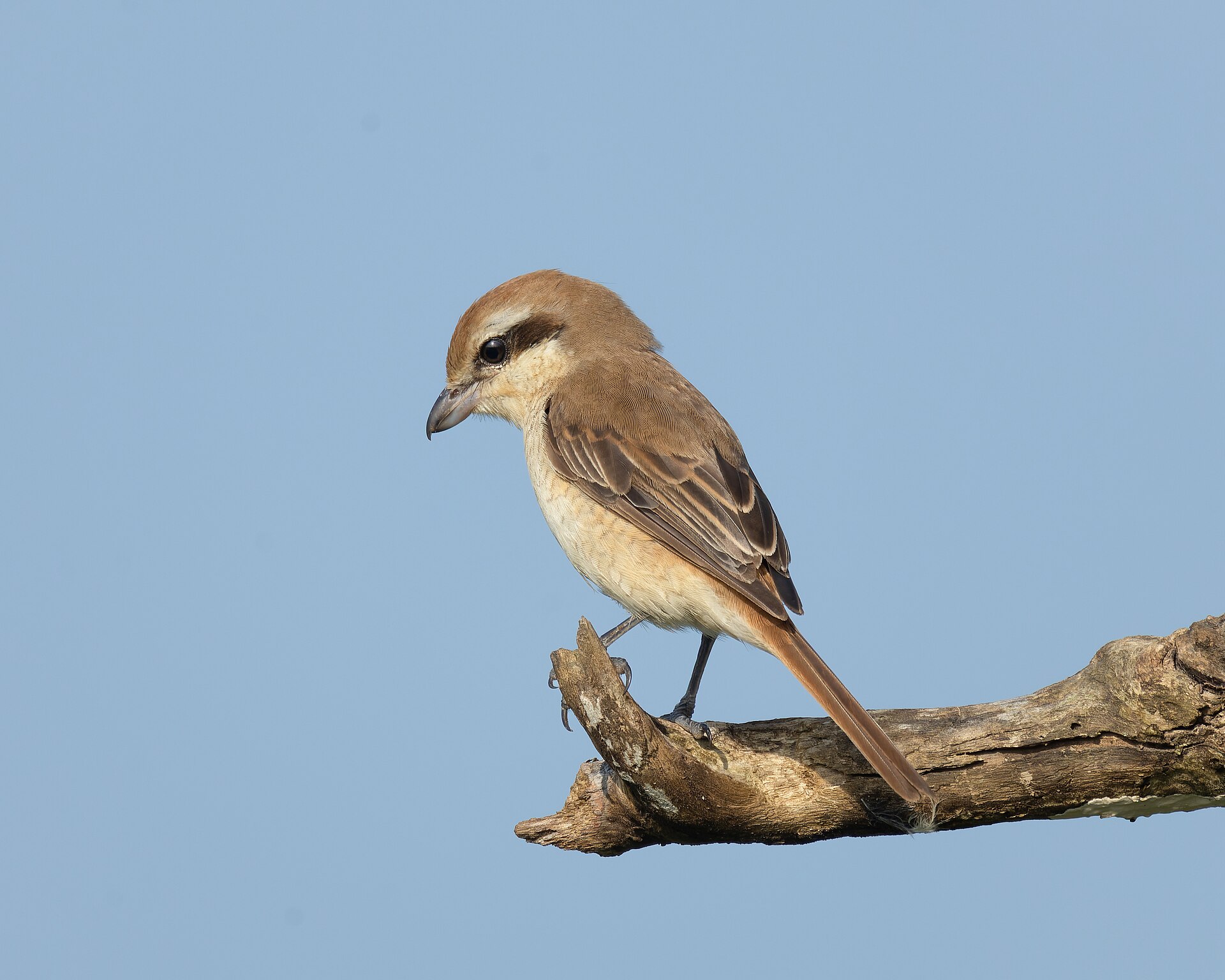
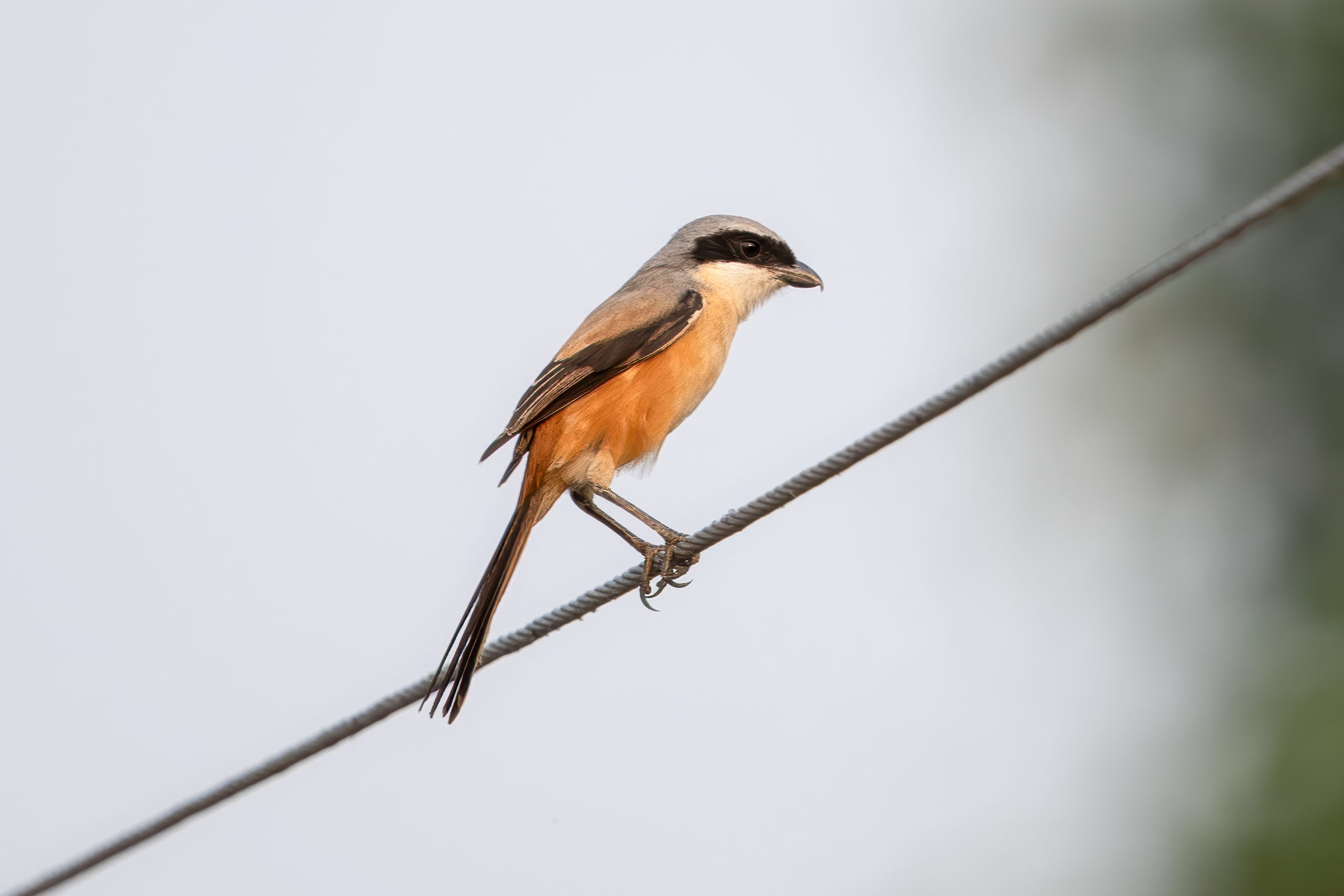
For a few days in April, breeding Long-tailed Shrikes (Lanius schach) and non-breeding Brown Shrikes (Lanius cristatus) overlapped near Phonsavan on the Xiangkhoang Plateau in north-central Laos. Shrikes often hunt from exposed perches in open or semi-open habitats, and related species may differ in habitat use where they overlap. Here, the recorded locations showed a small elevation difference: Long-tailed Shrikes were found slightly higher on average, while the other measured habitat features did not clearly distinguish the species.
Three observers surveyed separate areas on foot during morning surveys from 19 to 28 April 2024, recording the GPS location of each bird’s first detection. The researchers analysed 74 records: 27 of Long-tailed Shrikes and 47 of Brown Shrikes. They compared elevation and land cover, as well as satellite-based measures of vegetation greenness and moisture within 100 metres of each location. These were records of where birds were detected, not a comparison of occupied sites with confirmed absences.
The average elevation was about 1,130 metres for Long-tailed Shrike records and 1,111 metres for Brown Shrike records—a difference of roughly 19 metres. Elevation was the only measured feature that the analysis consistently supported as distinguishing the records: detections of Long-tailed Shrikes were more likely at higher elevations. The measured land-cover and vegetation characteristics overlapped substantially, with no clear evidence that they separated the species in this comparison.
The species have different seasonal roles in the region. Long-tailed Shrikes are resident or move only short distances, whereas Brown Shrikes are long-distance migrants that winter in Southeast Asia. The authors interpret the slight elevation difference as weak spatial differentiation during a brief period of overlap, and suggest that the species’ different stages in the annual cycle may help explain the pattern. The difference is modest: this short-term comparison of detected locations does not establish persistent separation in elevation or what caused the pattern.
Ecology
Related news
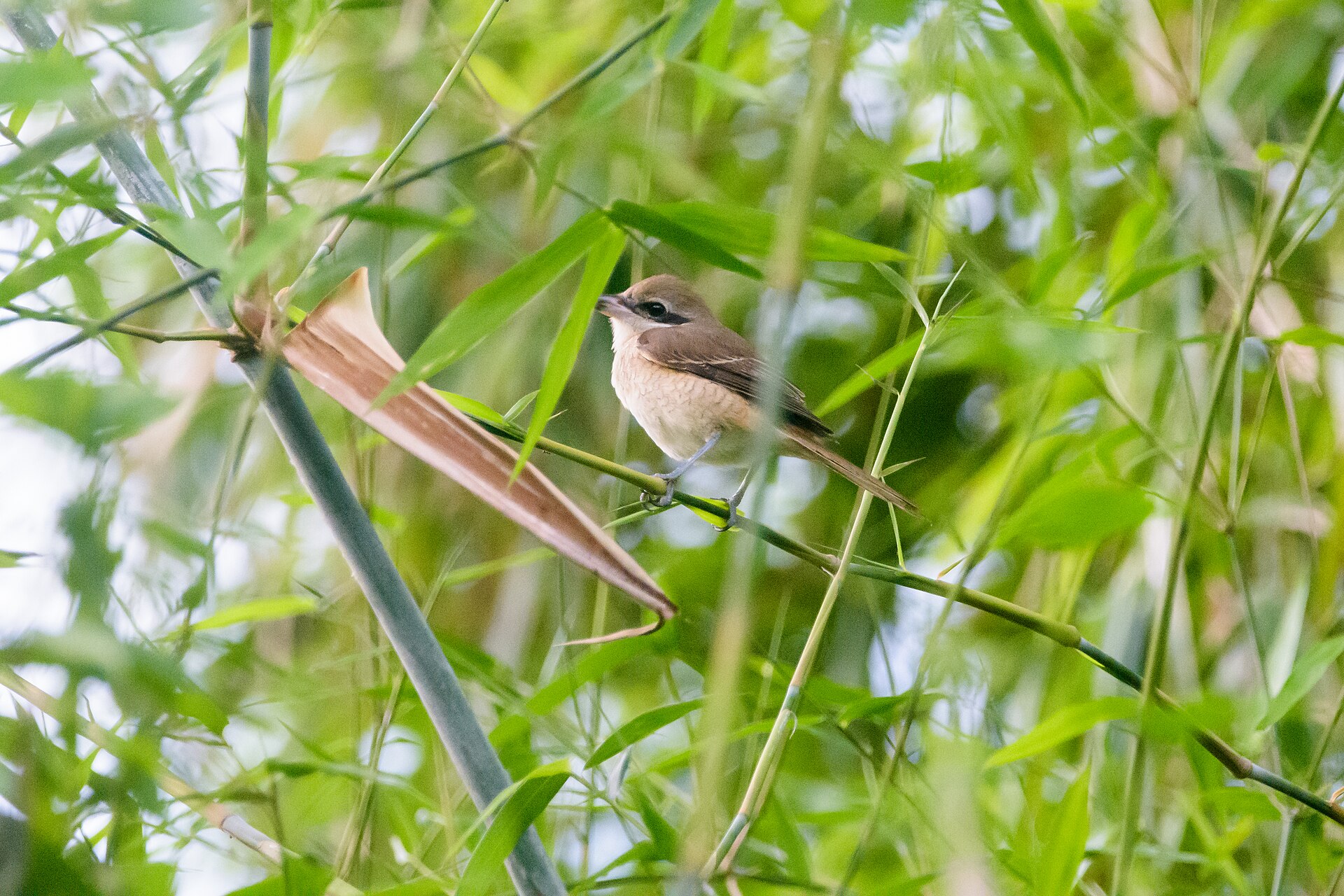
A field-to-zoo approach helped 41 abandoned Brown Shrike eggs hatch
In Nagano Prefecture, Japan, researchers moved eggs from 20 abandoned nests from portable incubators near the nest sites…
Read story →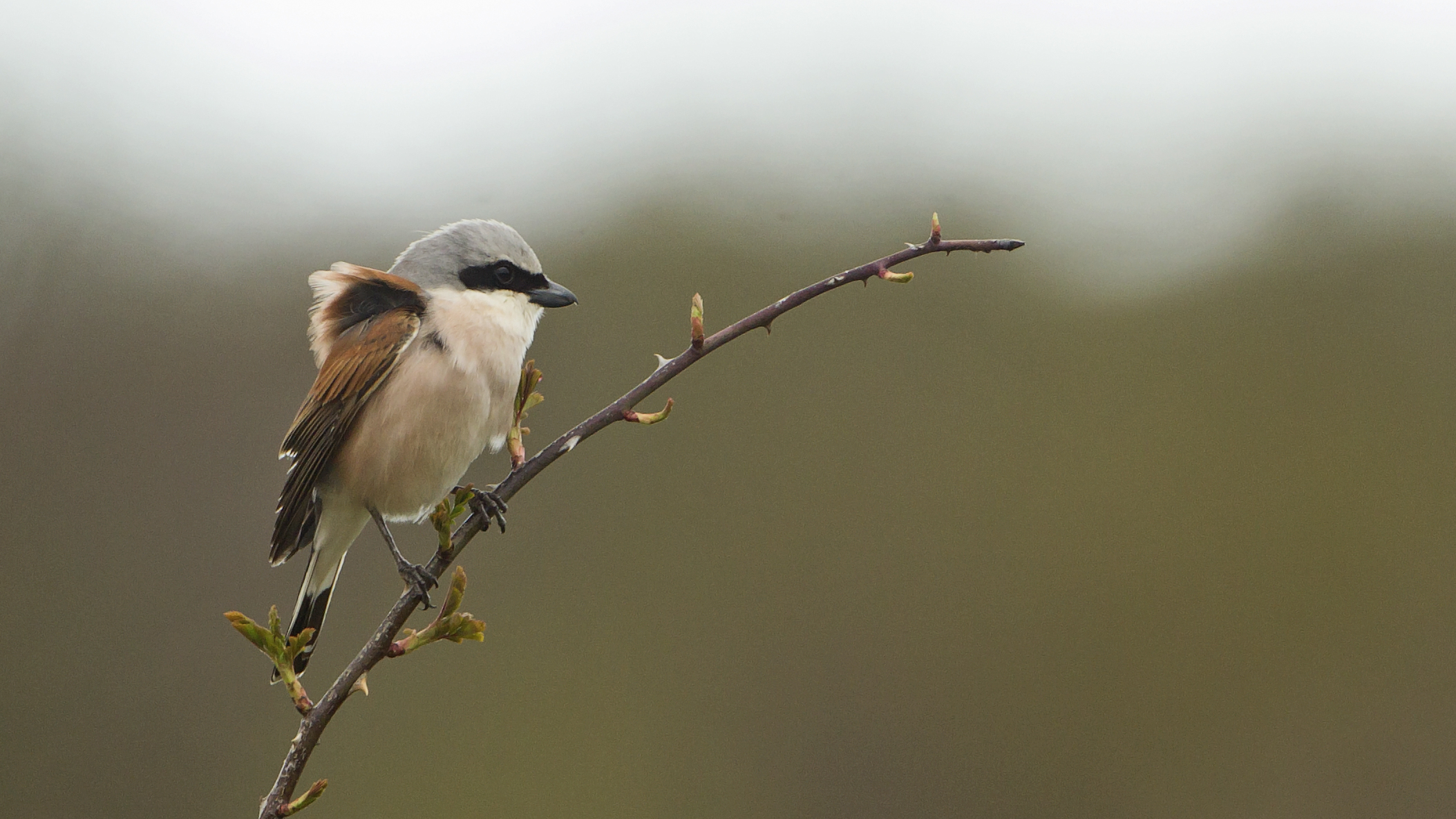
Brown Shrikes in Laos Flushed at Greater Distances Than Red-backed Shrikes in Poland
In spring 2024, brown shrikes in Laos took flight at a mean 53.7 m from an approaching observer,…
Read story →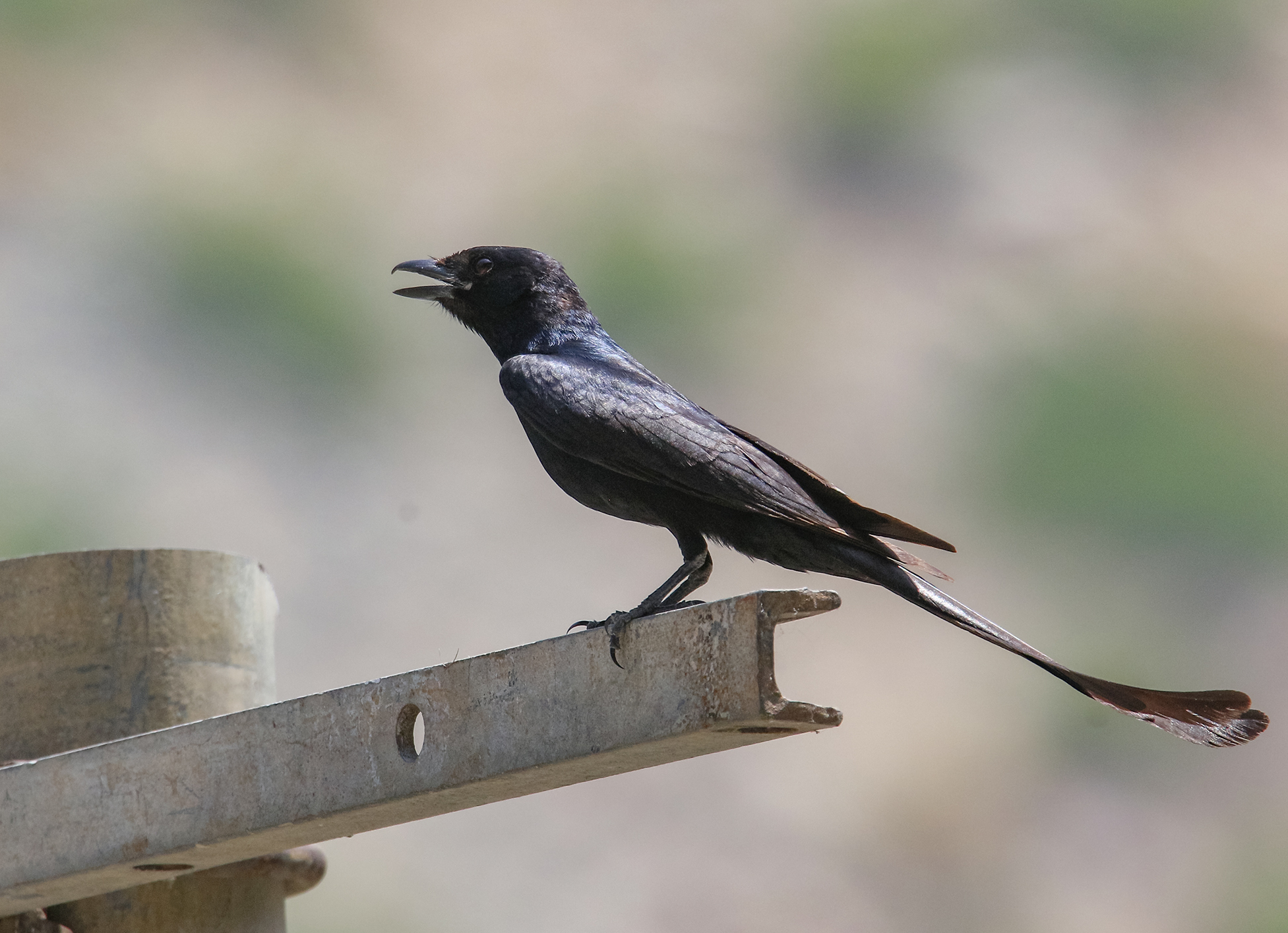
Seven Examined Black Drongo Nests Averaged 4.97 m High, Versus 4.50 m for Seven Long-tailed Shrike Nests
Seven examined Black Drongo nests averaged 4.97 m above ground versus 4.50 m for seven Long-tailed Shrike nests…
Read story →SPECIES IN THIS STORY
Species in this story

Independent research and conservation news archive
Did you find this information useful?
Wildlife Vagabond is independently built and maintained. Voluntary support helps cover source verification, hosting and continued work on research and conservation news.
Support Wildlife VagabondThe news archive will remain freely available.