
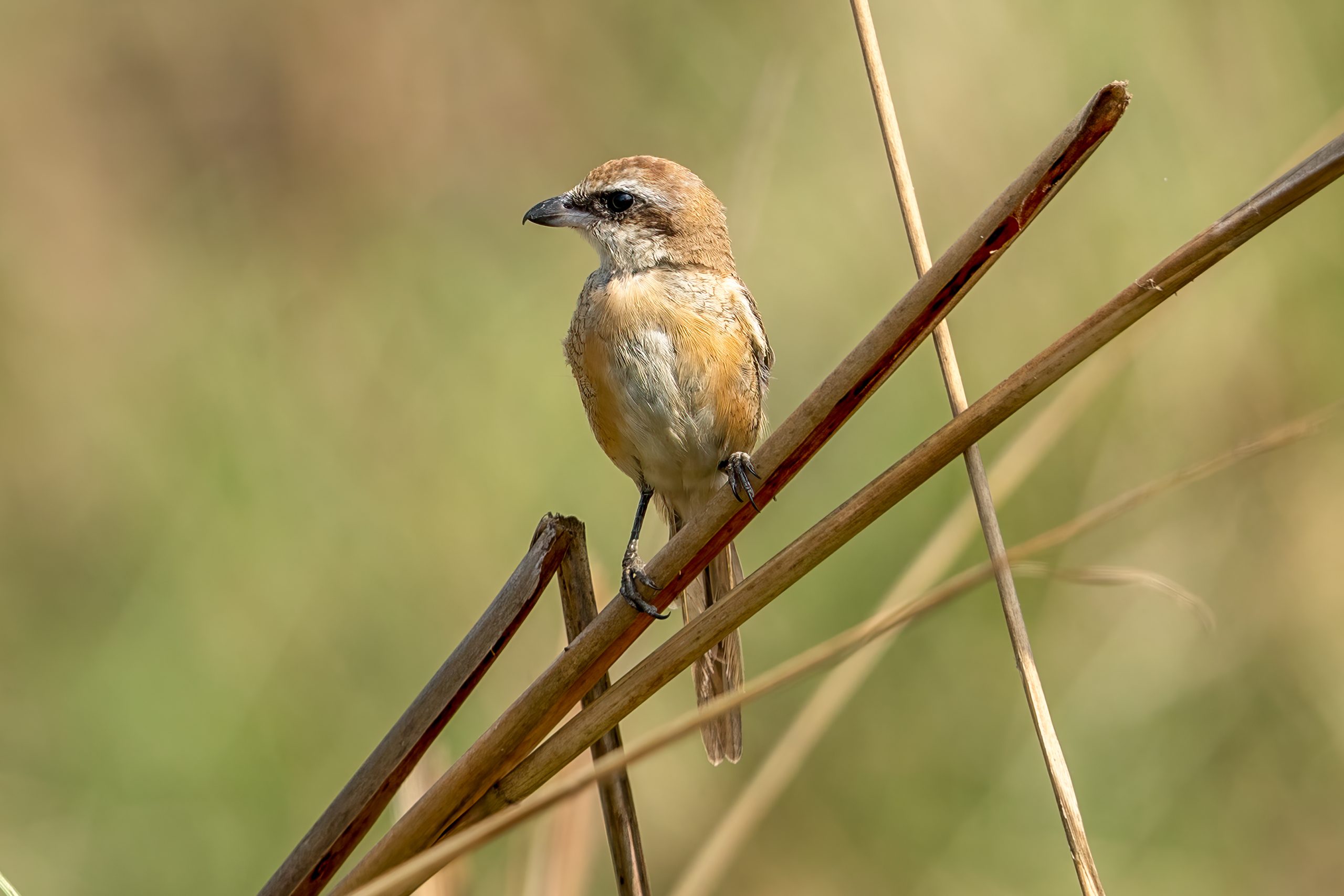
A field-to-zoo approach helped 41 abandoned Brown Shrike eggs hatch
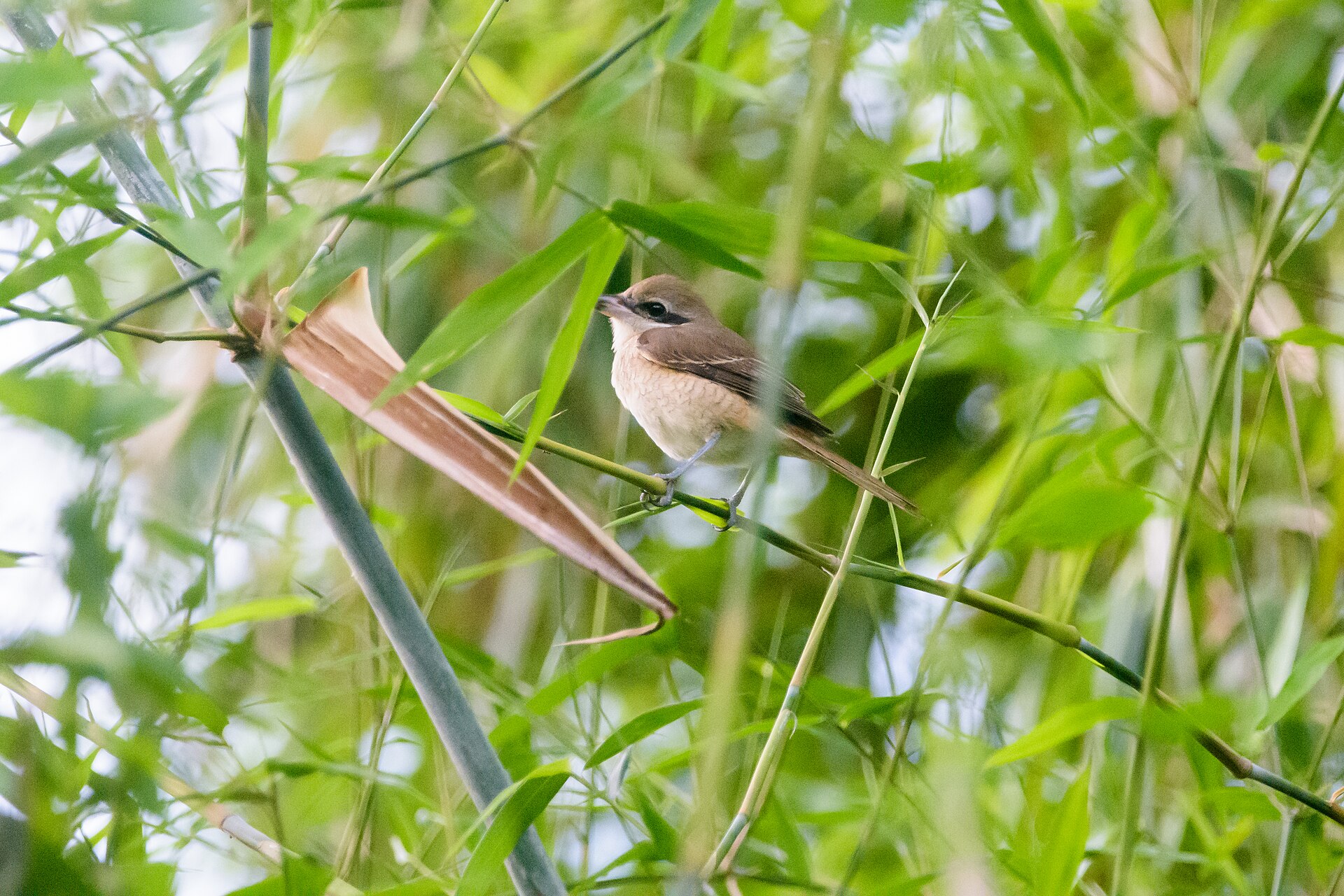
Researchers in Nagano Prefecture, Japan, tested a way to salvage abandoned eggs of the endangered Japanese subspecies Lanius cristatus superciliosus of the Brown Shrike (Lanius cristatus). From 2023 to 2025, they collected eggs from 20 nests and used a two-stage approach: incubation near the nest sites, followed by controlled incubation at Toyohashi Zoo and Botanical Park.
From nest site to zoo
The eggs were first placed in modified portable incubators near their nests, then transferred to the zoo for continued incubation and hatching under stable conditions. In total, 41 of the 83 salvaged eggs hatched. Researchers saw visible embryonic development in 73 eggs; 41 of those hatched, a success rate of 56.2% among eggs with visible development.
Field history and cooling conditions
Eggs were more likely to hatch when their parents had incubated them for more days before the nest was abandoned. Higher minimum temperatures during periods when the parents were away from the eggs were also associated with greater hatching success. These results link the eggs’ conditions before rescue with their later chances of hatching.
In a second phase, researchers compared incubation conditions at the zoo. A temperature of 37.8°C combined with one five-minute cooling period each day produced better hatching success than either no cooling or cooling twice a day.
The results show that abandoned eggs can be brought from temporary incubation near their nests into a managed zoo incubation programme, and that 41 of the 83 salvaged eggs hatched. For this endangered subspecies, the two-stage approach offers a practical way to recover reproductive output that would otherwise be lost. The findings provide guidance from one protocol tested in Nagano, rather than a guarantee that the same results will follow elsewhere.
Management
Related news
Long-tailed Shrikes Were Recorded Slightly Higher Than Brown Shrikes in Laos
During a brief seasonal overlap near Phonsavan, Long-tailed Shrikes were recorded at elevations about 19 metres higher on…
Read story →
Brown Shrikes in Laos Flushed at Greater Distances Than Red-backed Shrikes in Poland
In spring 2024, brown shrikes in Laos took flight at a mean 53.7 m from an approaching observer,…
Read story →
Brown Shrikes in Laos Were Most Often Found in Semi-Open Agricultural Mosaics
A 2026 field study in Laos found brown shrikes most often in semi-open agricultural landscapes, with occurrence positively…
Read story →SPECIES IN THIS STORY
Species in this story
Independent research and conservation news archive
Did you find this information useful?
Wildlife Vagabond is independently built and maintained. Voluntary support helps cover source verification, hosting and continued work on research and conservation news.
Support Wildlife VagabondThe news archive will remain freely available.