
Metagenomics and Histology Gave Complementary Views of Parasites in Red Deer and European Roe Deer
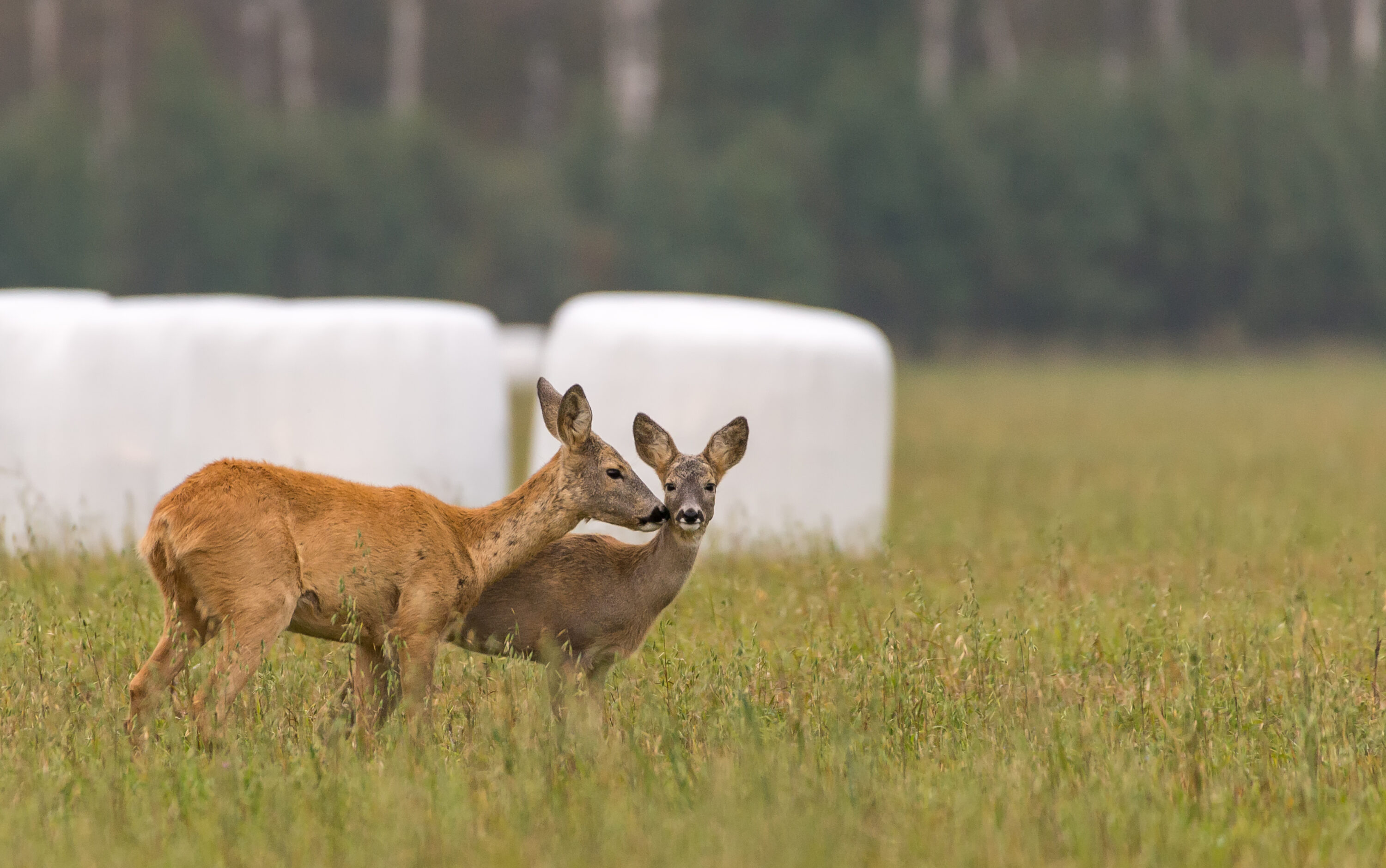
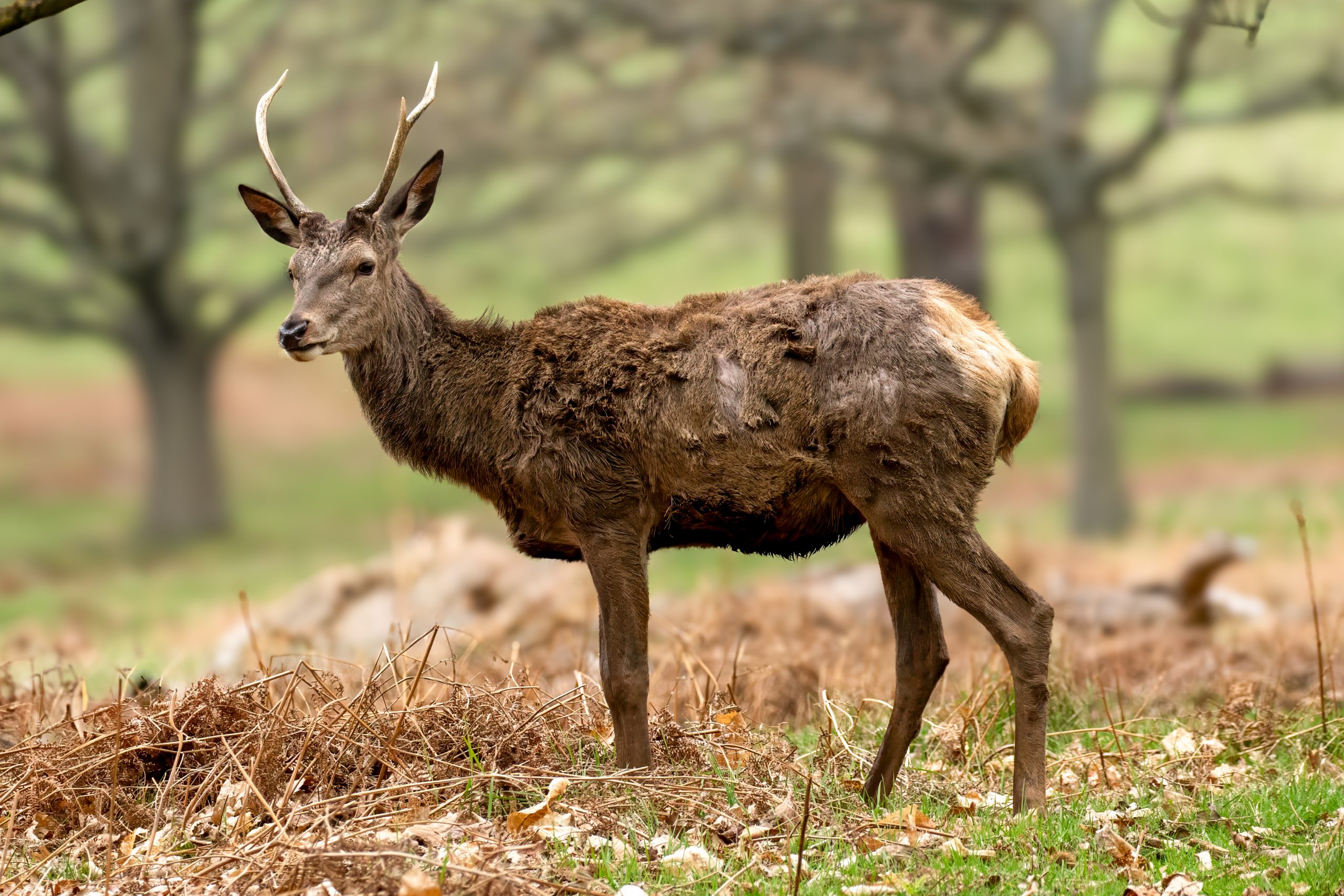
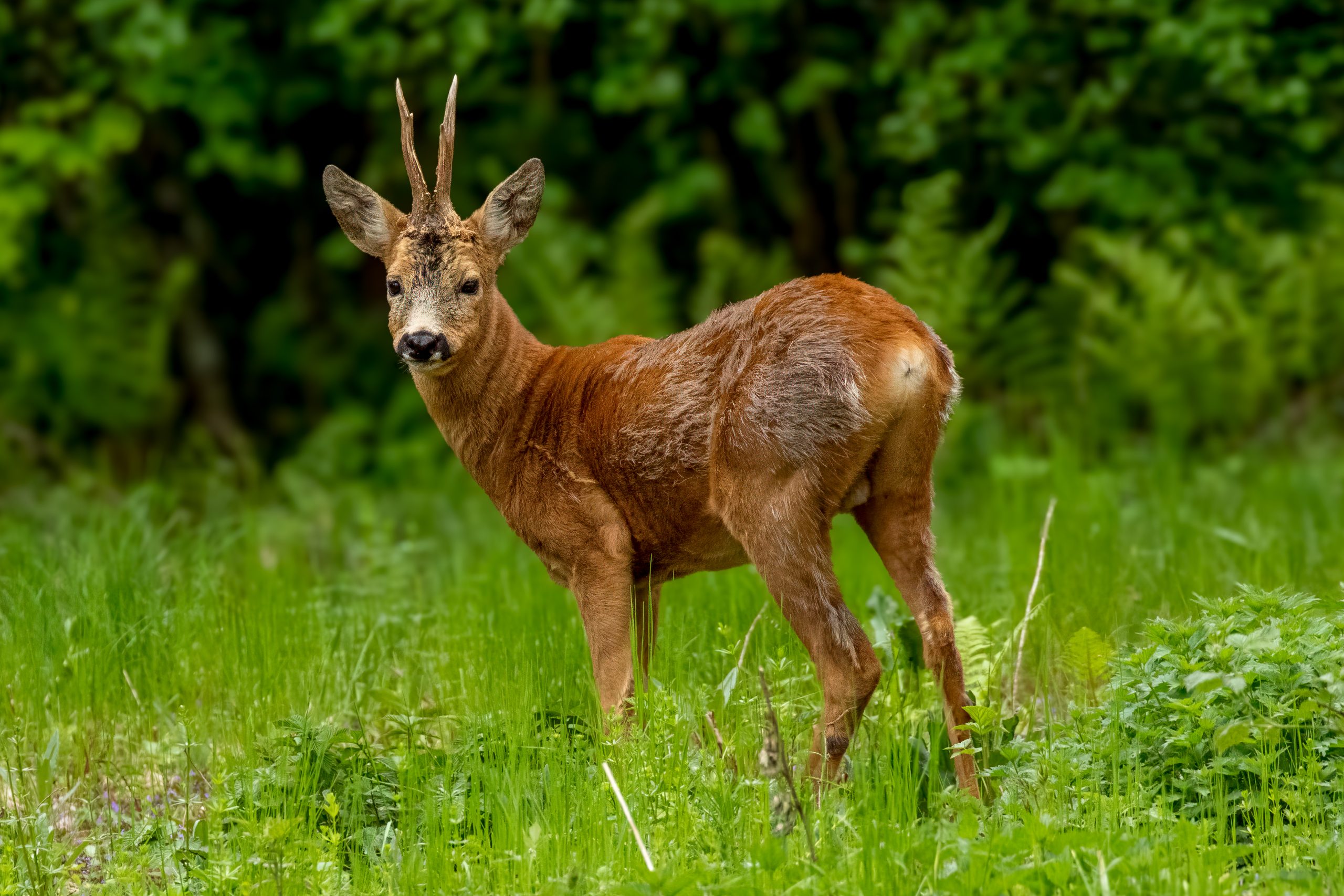
A study of 106 wild cervids in Mecklenburg-Western Pomerania, Germany, found that shotgun metagenomics and histology provided different but complementary views of gastrointestinal parasites. Shotgun metagenomics sequences many DNA fragments in a sample without targeting one parasite in advance, while histology examines thin tissue sections directly under the microscope. The researchers examined 78 red deer (Cervus elaphus) and 28 European roe deer (Capreolus capreolus), analysing parasite DNA in faeces and parasites and tissue changes directly in the gastrointestinal tract.
The sampling was not identical for the two species. Red deer were collected across roughly a year at Gut Klepelshagen, whereas roe deer were sampled during spring at two areas south of Greifswald. The authors therefore stress that infection levels in the two species should not be compared directly. Statistical analyses of season, age and sex were restricted to the larger red-deer dataset.
Red deer showed clear seasonal changes
In the red-deer metagenomic data, parasite richness—the number of parasite genera detected—was higher in summer than in autumn and winter. Shannon diversity, which combines how many genera are present with how evenly they are represented, and community evenness were higher in autumn than in summer. Community composition also differed clearly between summer and autumn.
The metagenomic parasite profiles differed between the two species. In red deer, Entamoeba, Blastocystis and Onchocerca produced the highest genus-level read abundances. In roe deer, Haemonchus, Chabertia and Ostertagia stood out. These read abundances are the proportions of DNA sequence fragments assigned to each parasite group; they describe the sequencing data rather than numbers of parasites. The authors caution against treating them as direct estimates of parasite prevalence or burden in the populations.
Histology found worms that sequencing sometimes missed
Histological examination found helminths in 21 of 78 red deer and 21 of 28 roe deer. Most were nematodes consistent with trichostrongyloid worms, often in the abomasum. In roe deer, 19 animals had nematodes in the abomasum. The tissue sections also showed inflammatory changes associated with parasitic infestation in almost all of the affected samples examined in detail.
The two methods did not consistently agree within individual animals. Some deer had parasites visible in tissue despite little or no corresponding metagenomic signal, while others produced many parasite reads without parasites being detected histologically.
The methods answer different parts of the same question
The authors explain that neither negative result necessarily proves that a parasite was absent. Parasites do not continuously shed DNA or reproductive stages into faeces, so a small faecal sample may miss them. Histology, meanwhile, examines only small sections of tissue and can also miss an infection. Metagenomic assignments additionally depend on the quality and completeness of reference databases and can be affected by contamination.
Shotgun metagenomics offers broad information from easily collected faecal material, whereas histology can demonstrate a parasite directly in tissue and reveal its life stage and pathological context. The study therefore presents the approaches as complementary rather than interchangeable. Its strongest conclusions concern parasite composition, seasonal dynamics and method performance—not a direct comparison of parasite prevalence between red deer and roe deer.
Disease, parasites & microbiology
Related news
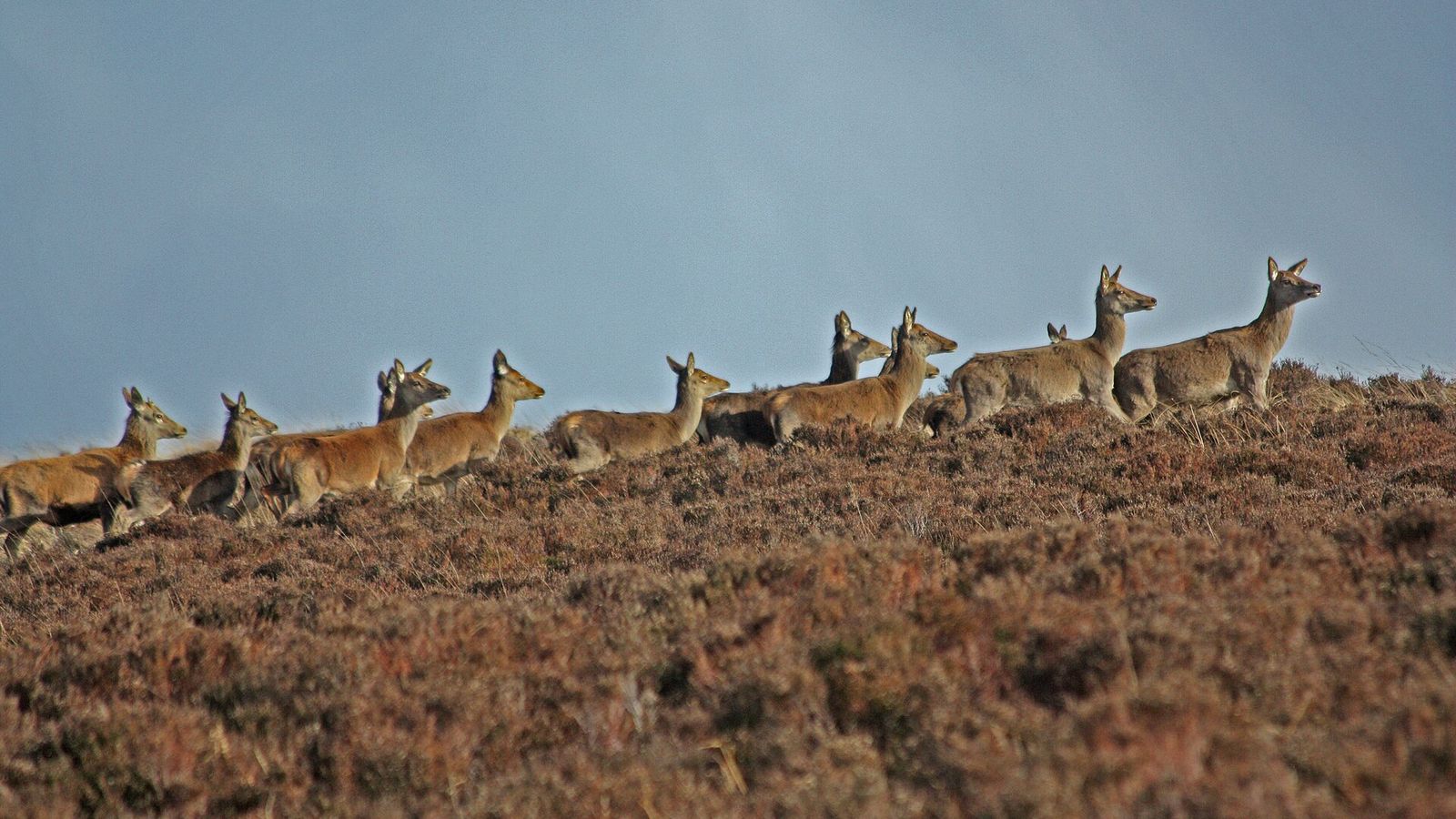
Estimated M. bovis Seroprevalence Was 26.6% in Exmoor Red Deer
A survey of 432 wild deer in the Exmoor area estimated Mycobacterium bovis seroprevalence at 26.6% in red…
Read story →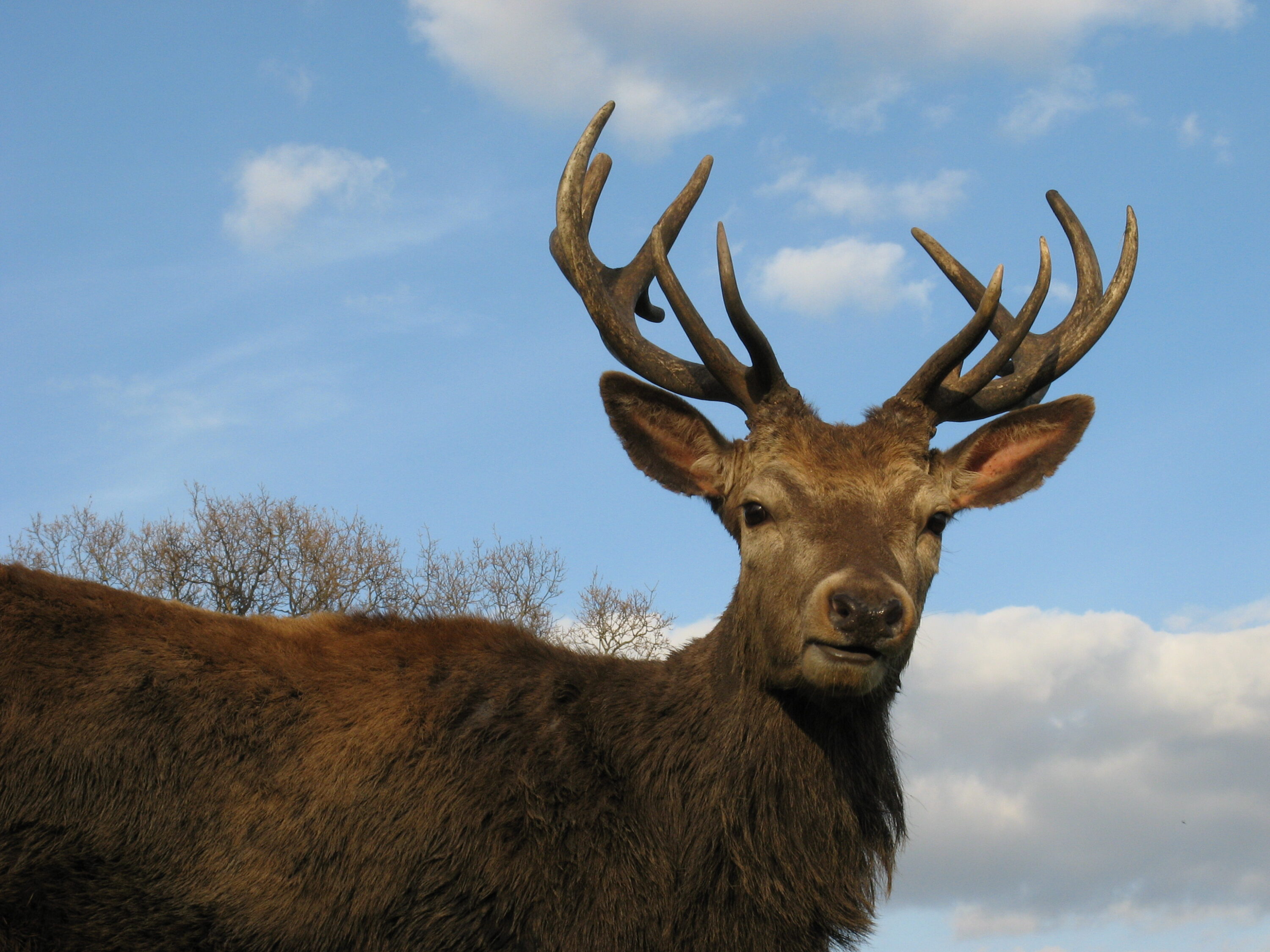
Roe Deer Had Higher Blood Cadmium and Zinc Than Red Deer in Eastern Slovakia
Blood from semi-free-ranging red deer and roe deer in eastern Slovakia showed generally low toxic-element burdens and similar…
Read story →
Forest Disturbance Increased Modelled Habitat Suitability for Four European Herbivores
Tracking data from 3,069 animals showed that forest disturbance generally increased modelled relative habitat suitability for moose, red…
Read story →SPECIES IN THIS STORY
Species in this story
Independent research and conservation news archive
Did you find this information useful?
Wildlife Vagabond is independently built and maintained. Voluntary support helps cover source verification, hosting and continued work on research and conservation news.
Support Wildlife VagabondThe news archive will remain freely available.