
New Parasite Genus Described From a Wild Nile Crocodile in Namibia’s Kavango River
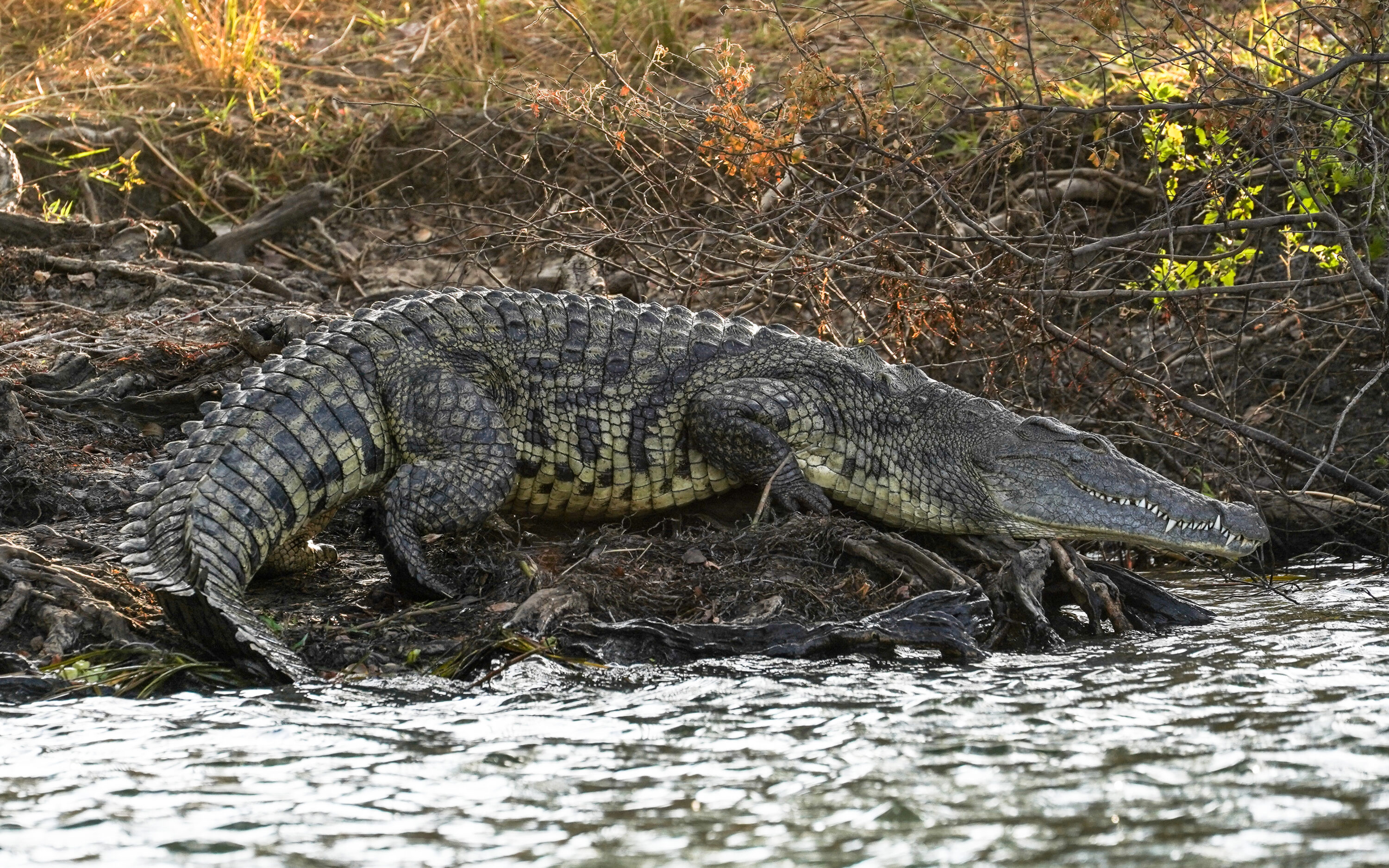
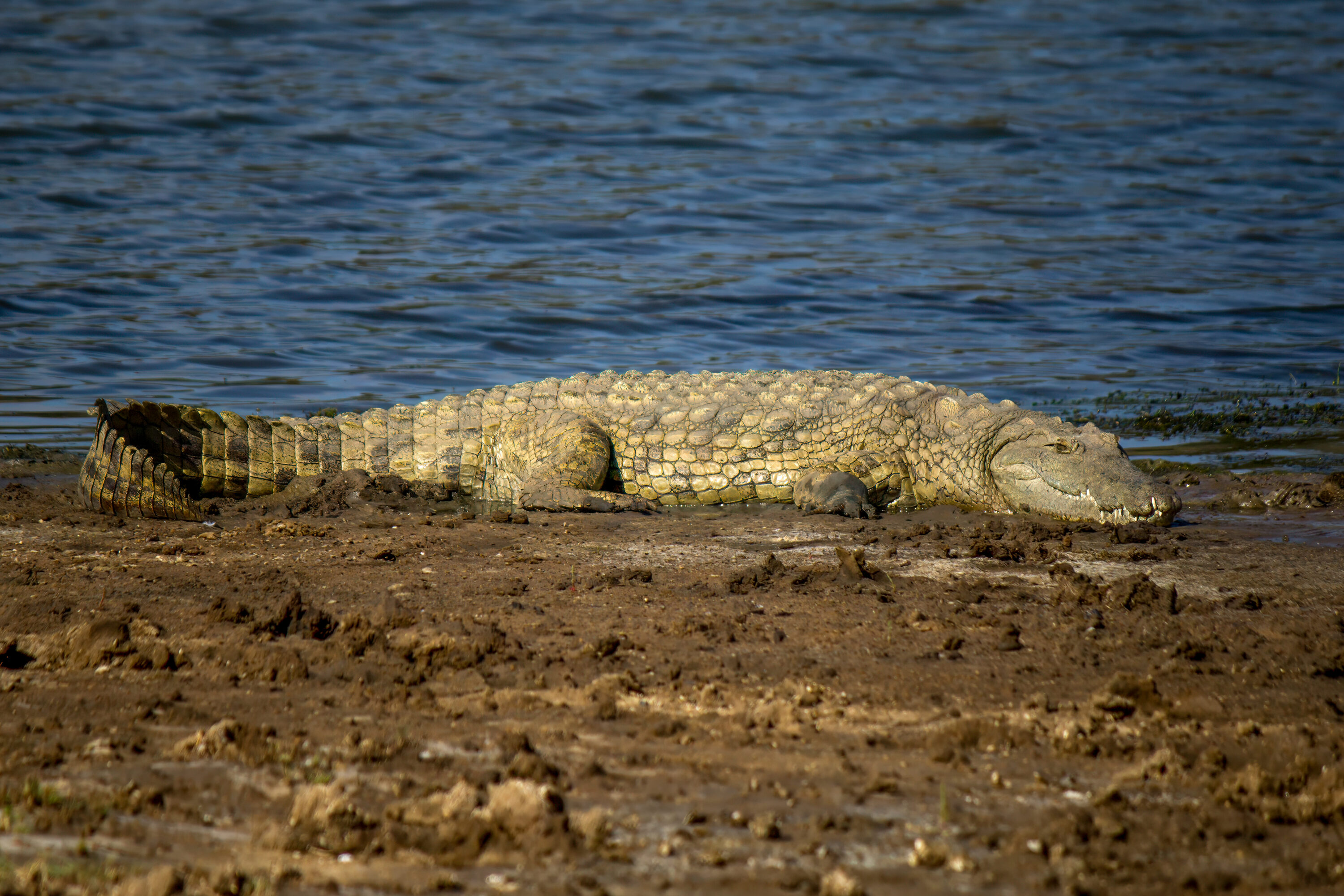
A parasitological study published in 2026 has described a previously unknown genus and species of fluke from a wild Nile crocodile (Crocodylus niloticus) in Namibia’s Kavango River.
Researchers examined the intestine of a large adult male crocodile from the river and found it infected with a flatworm belonging to the family Liolopidae. Detailed anatomical comparisons and genetic analyses showed that the parasite could not be placed in any previously recognised genus. The researchers named the new genus and species Ngubuvangandu francoisjacobsi.
Anatomical traits distinguished the new genus
The parasite is a digenean trematode, a group of parasitic flatworms with complex life cycles. It was distinguished from related liolopids by a particular combination of anatomical features, including the shape of the body, the position and form of the reproductive organs and the distribution of the vitellarium, the tissue that produces cells contributing to egg formation.
The discovery also changed the classification of two previously known crocodilian parasites. The researchers transferred two species formerly placed in the genus Dracovermis to Ngubuvangandu: one known from the West African slender-snouted crocodile and another from the saltwater crocodile.
Genetic analysis reshaped the family tree
Genetic analysis placed Ngubuvangandu as the closest known relative of the genus Liolope. More broadly, the family tree showed that the liolopid parasites found in crocodilians do not form a single exclusive evolutionary branch. The authors therefore found no support for classifying the major liolopid lineages simply according to the type of vertebrate host they infect.
This is the first liolopid parasite formally described from the Nile crocodile and only the second species in this parasite family described from an African crocodilian. The finding expands the known parasite diversity of wild Nile crocodiles and adds new information about the evolutionary relationships within a poorly known group of trematodes.
Evolution & taxonomy
Related news
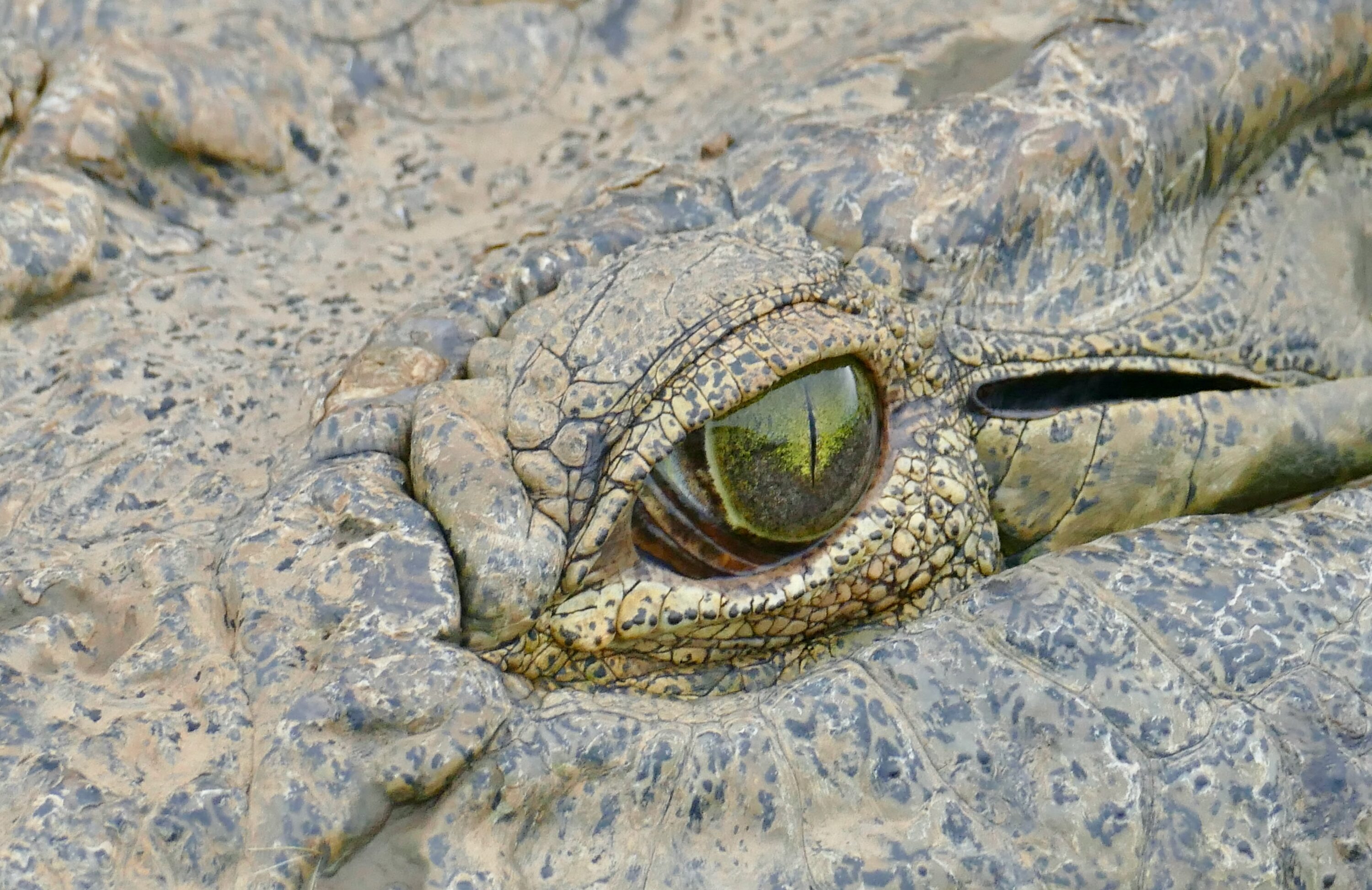
New reference genome reveals deep demographic history of the Nile crocodile
A 2026 study produced a reference-quality Nile crocodile genome and found a substantially larger long-term effective population than…
Read story →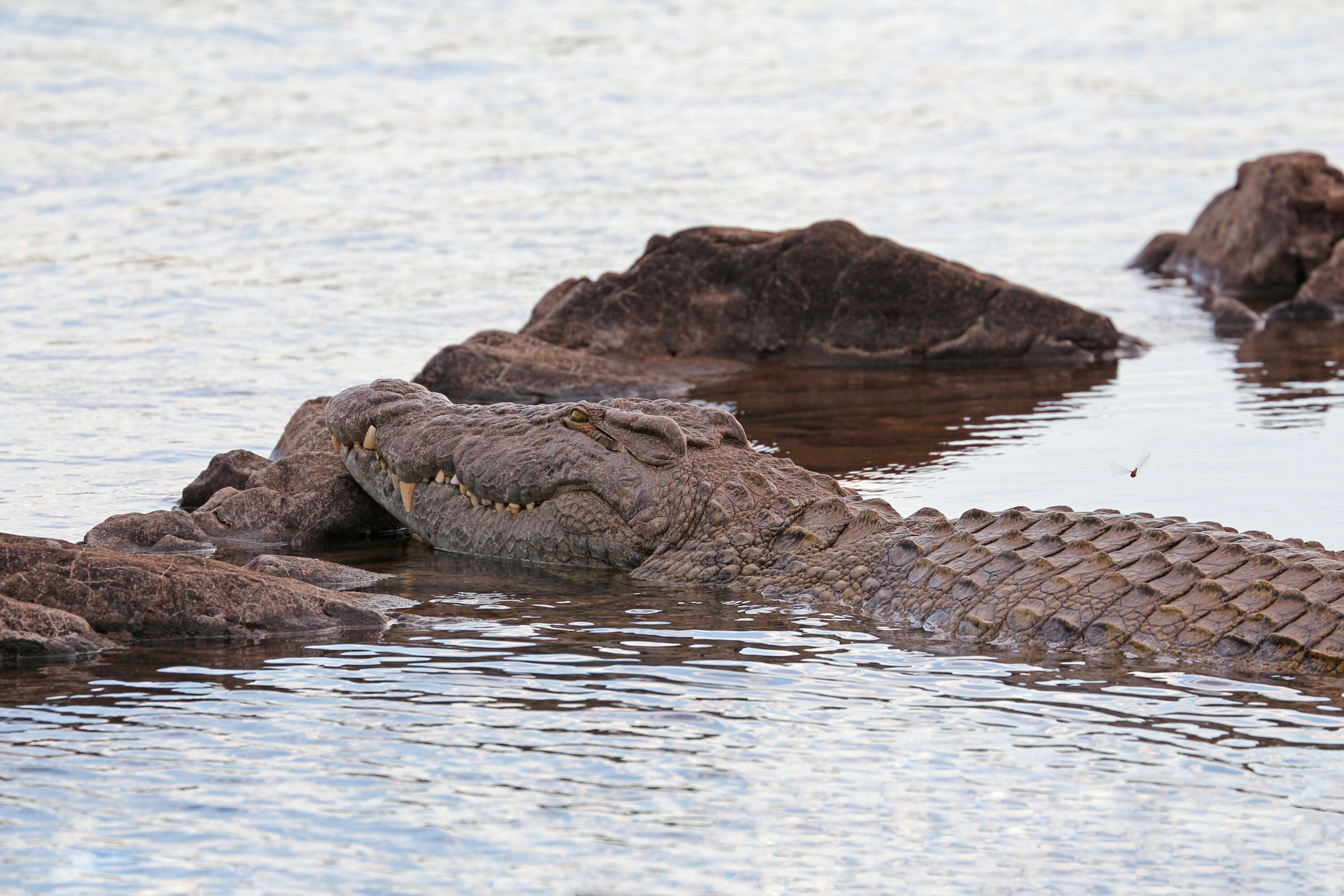
80% of 42 Interviewed Lake Nasser Fishermen Reported Crocodile Damage to Fishing Gear
Among 42 interviewed Lake Nasser fishermen, 80% reported crocodile damage to fishing gear, while 64% supported protecting Nile…
Read story →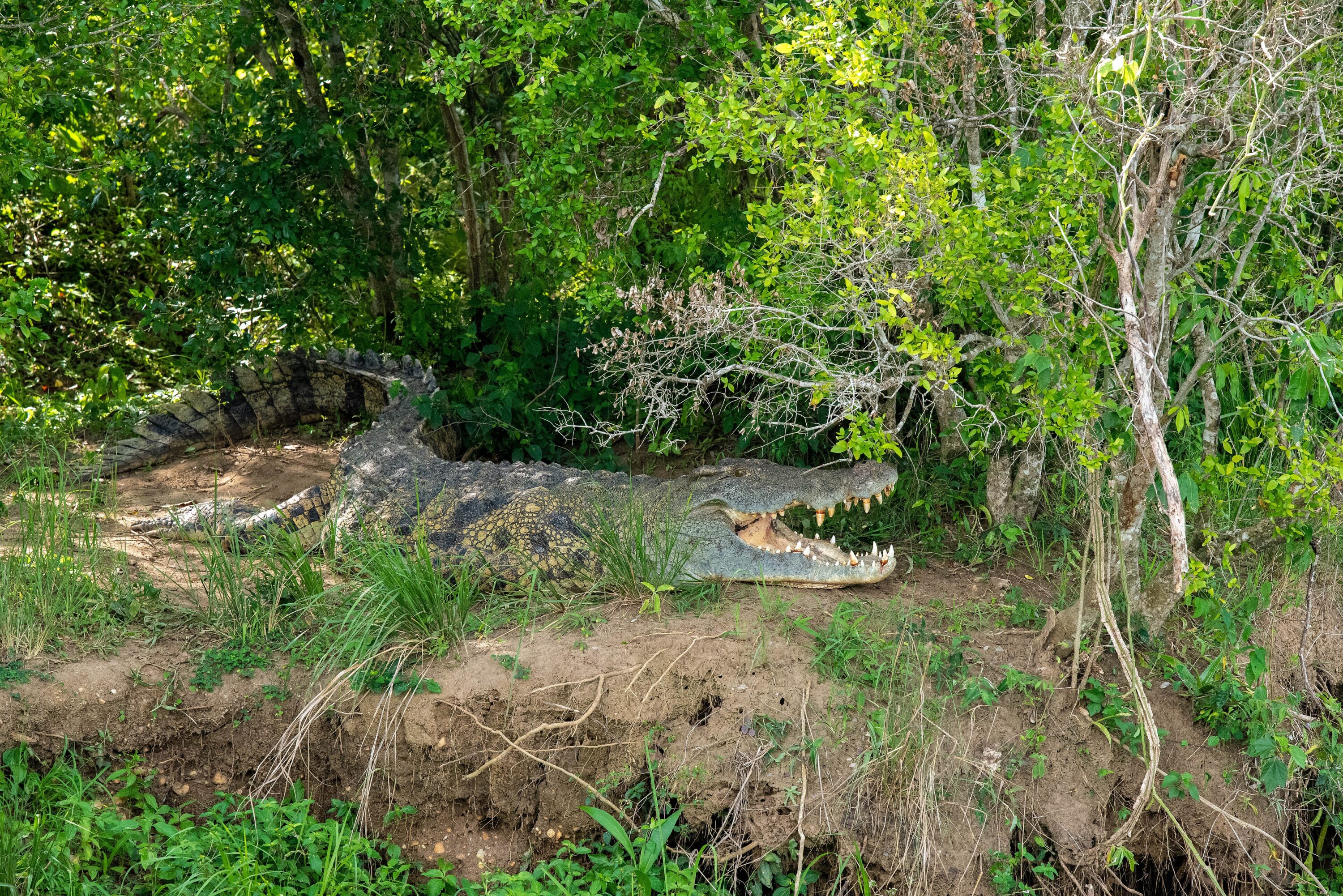
Uganda’s 2026 wildlife assessment highlights long-term Nile crocodile decline and local recovery
Uganda’s 2026 wildlife report says long-term Nile crocodile monitoring shows an overall decline since the 1960s but local…
Read story →SPECIES IN THIS STORY
Species in this story
Independent research and conservation news archive
Did you find this information useful?
Wildlife Vagabond is independently built and maintained. Voluntary support helps cover source verification, hosting and continued work on research and conservation news.
Support Wildlife VagabondThe news archive will remain freely available.