
Newborn Fallow Deer Behaviour Was Linked to Male Growth and Antler Size
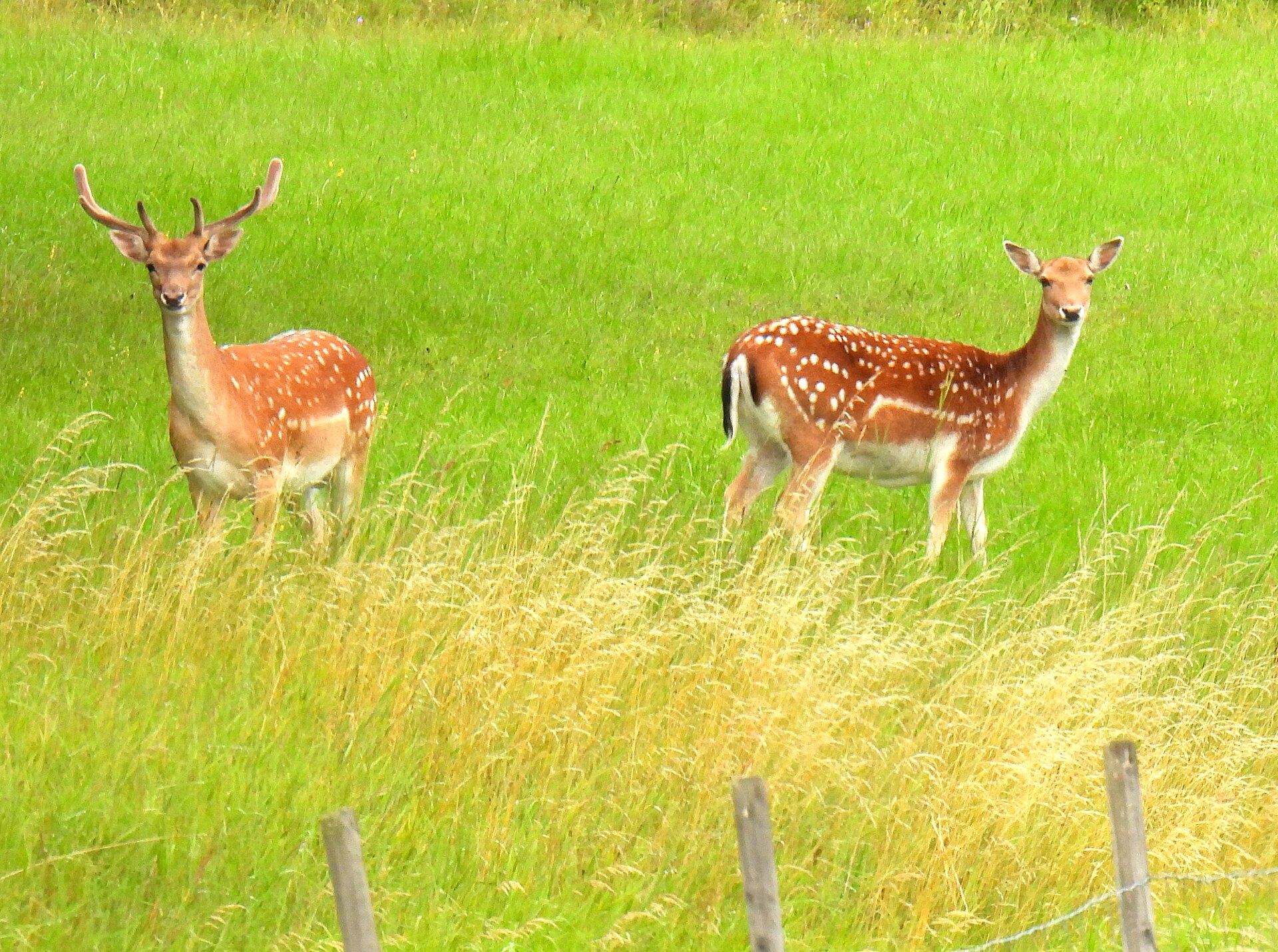
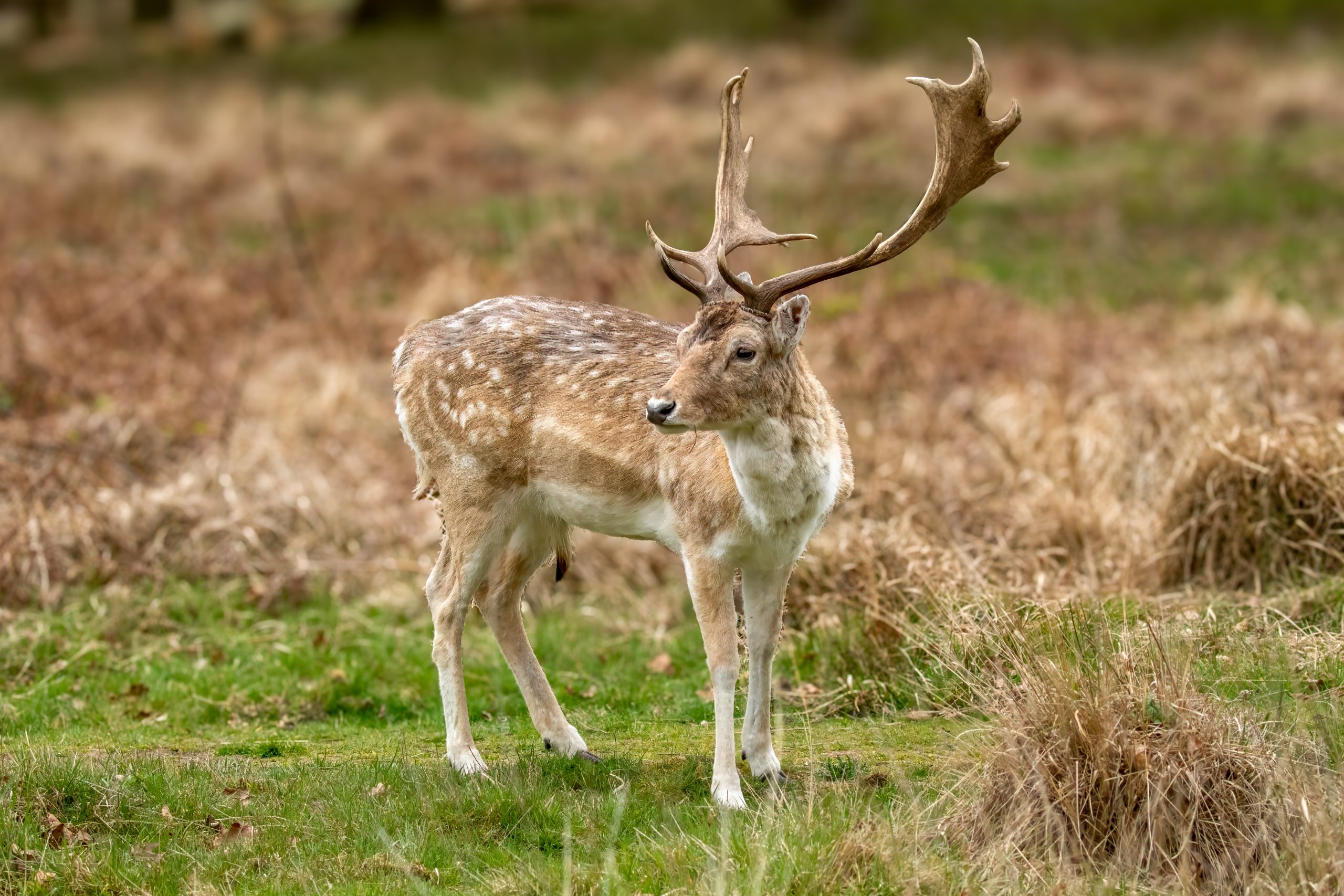
Do individual differences in newborn European Fallow Deer (Dama dama) relate to how the fawns develop? Using eight years of data, researchers examined neonatal heart rate and behavioural reactions alongside early-life growth and male antler length as yearlings.
Both heart rate and behavioural reaction showed repeatable differences among fawns: individuals differed consistently across observations. This indicates that stable individual variation was already detectable shortly after birth.
Greater behavioural reactivity as a newborn was associated with slower early growth in males, but not females. Heart rate was not associated with growth in either sex. Among males, greater neonatal reactivity was also associated with shorter antlers as yearlings; the analysis linked this pattern indirectly to early growth rather than finding a direct association between neonatal reaction and antler length.
Behaviour and heart rate told different stories
The researchers considered two kinds of response soon after birth: how the fawns behaved when assessed and how quickly their hearts were beating. Repeatability means that differences between individuals were detectable more than once; it does not mean that a fawn’s behaviour could never change. In this study, the behavioural measure—not heart rate—was the one associated with later growth, and only among males.
A link to antler growth, not proof of a cause
Antlers develop later than the newborn responses being measured. The reported link to shorter yearling antlers therefore ran through the association with early growth, rather than a separate direct relationship. As the study compared naturally occurring differences instead of experimentally changing the fawns’ behaviour, the results do not establish that neonatal reactivity itself caused slower growth or smaller antlers. They do suggest that early individual differences may be relevant to later development in ways that differ between the sexes.
Behaviour
Related news
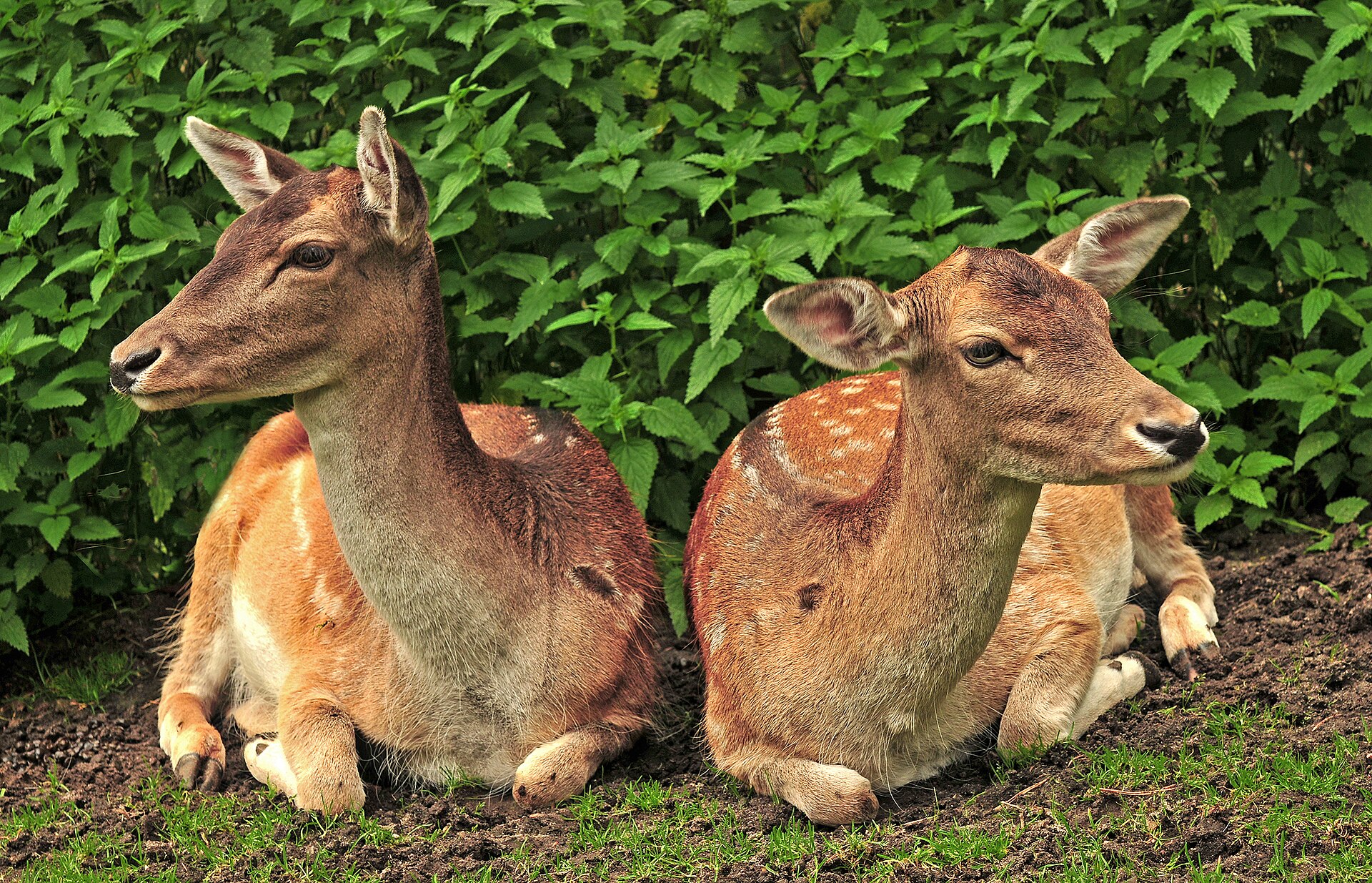
Meat colour differed among four wild ungulates, but could not reliably identify them
Measurements of a shoulder muscle from roe deer, fallow deer, red deer and European mouflon found differences in…
Read story →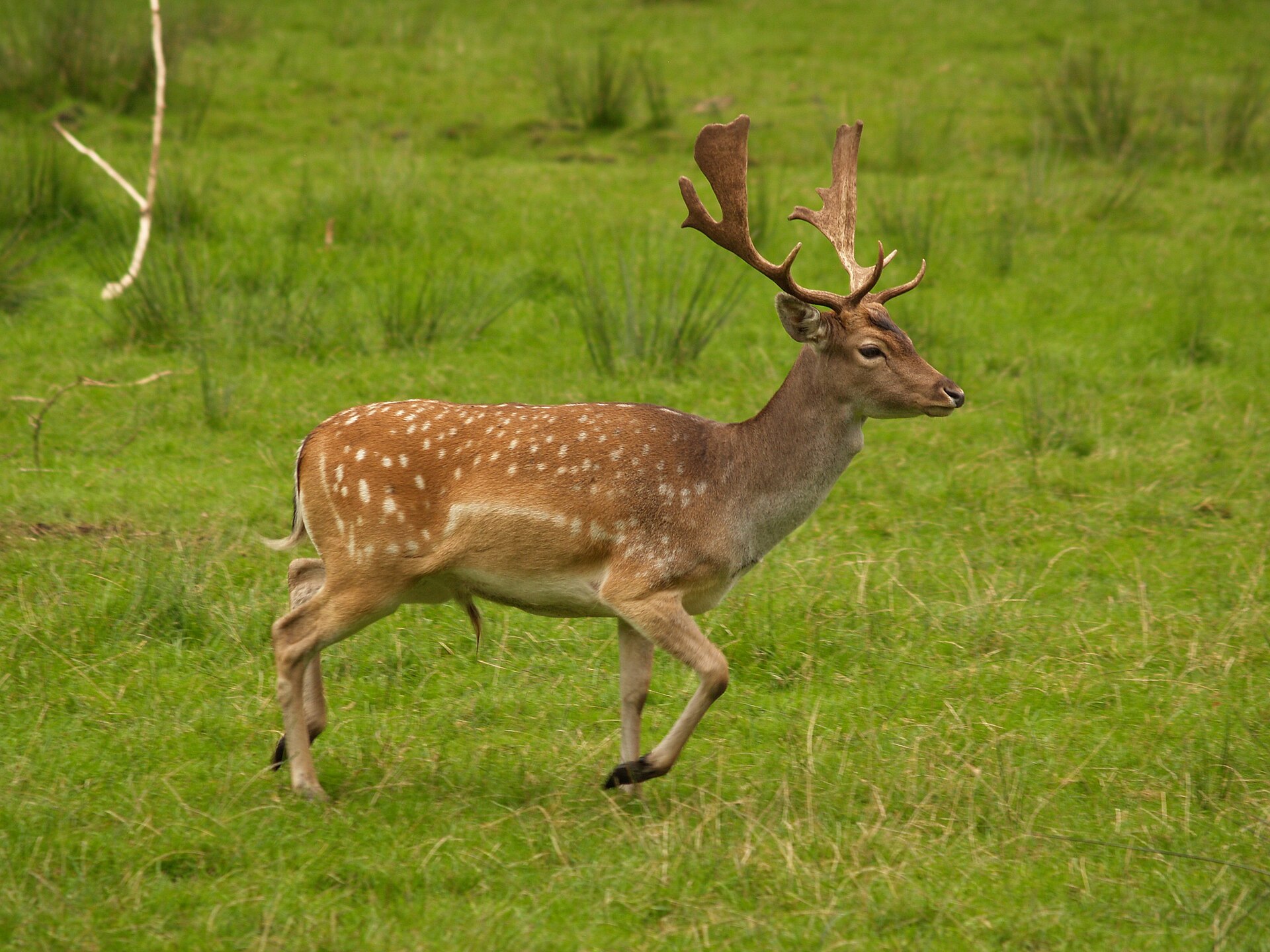
Shooting accounted for nearly all fallow deer deaths with a known cause in New South Wales
GPS-collar data from adult fallow deer in New South Wales showed lower estimated annual survival for males than…
Read story →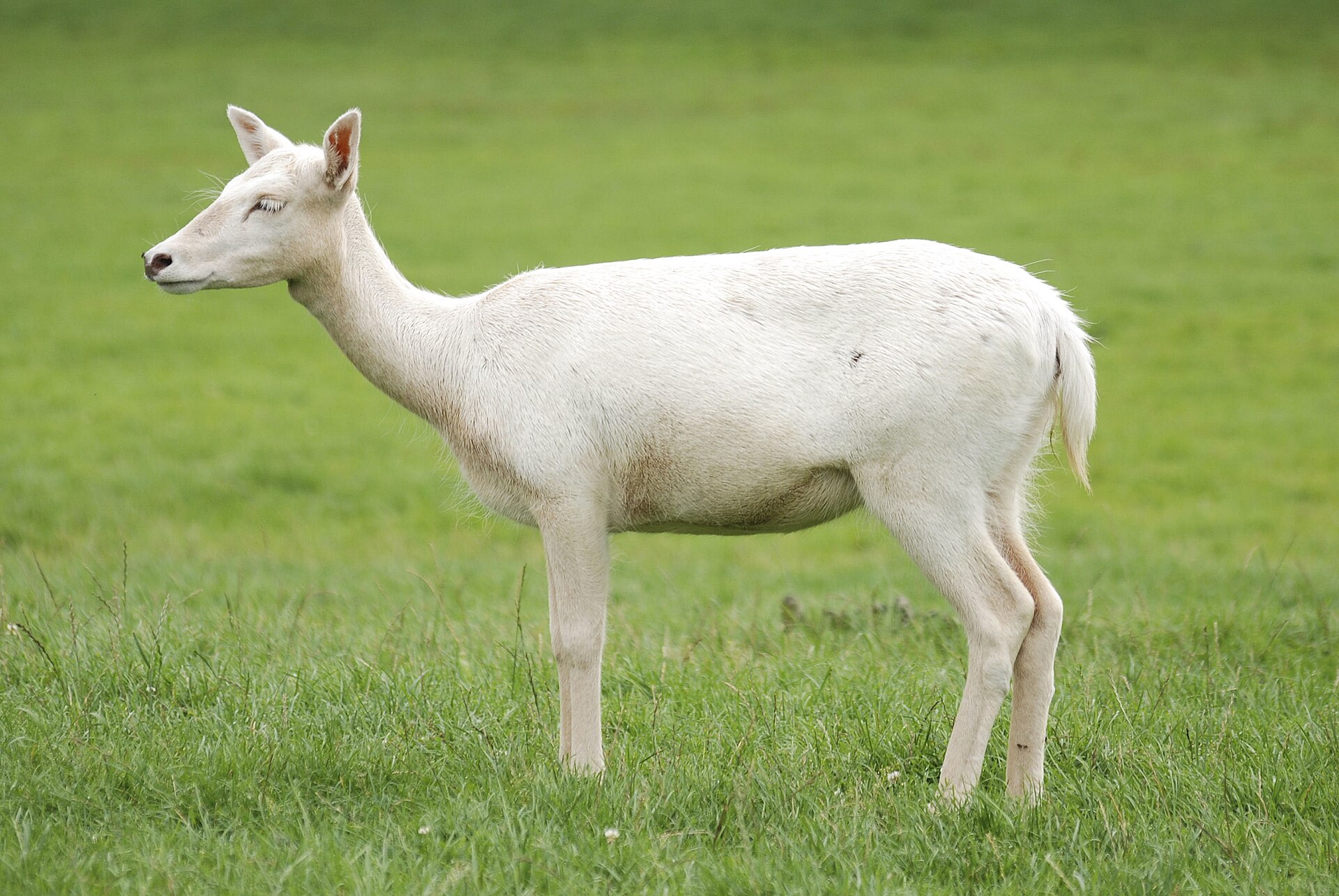
Sika and Fallow Deer Shared Dominant Gut Bacteria but Differed in Predicted Metabolic Pathways
At a zoo in China, sika deer and European fallow deer shared many dominant gut bacteria. Microbial DNA…
Read story →SPECIES IN THIS STORY
Species in this story
Independent research and conservation news archive
Did you find this information useful?
Wildlife Vagabond is independently built and maintained. Voluntary support helps cover source verification, hosting and continued work on research and conservation news.
Support Wildlife VagabondThe news archive will remain freely available.