
Sika and Fallow Deer Shared Dominant Gut Bacteria but Differed in Predicted Metabolic Pathways
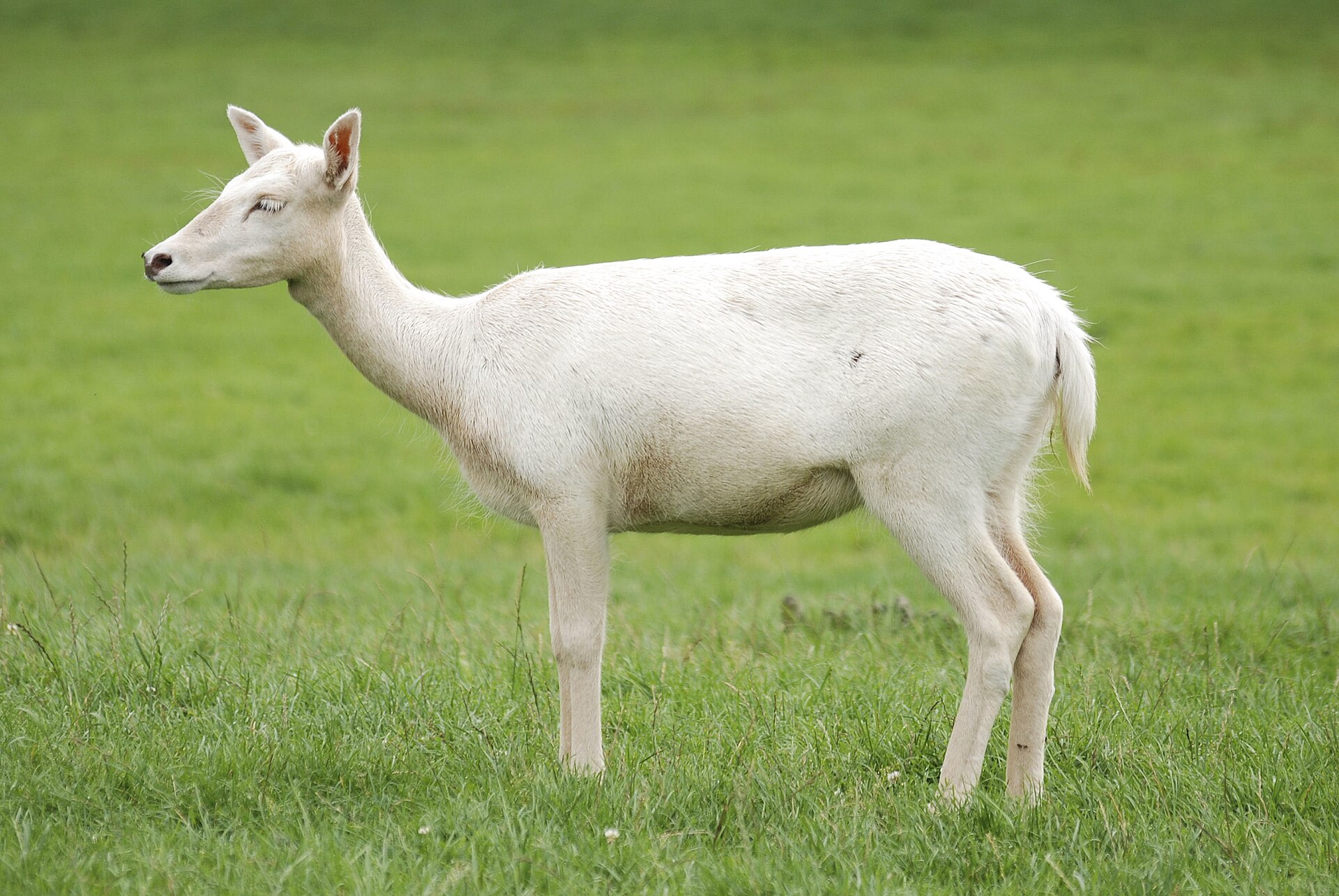
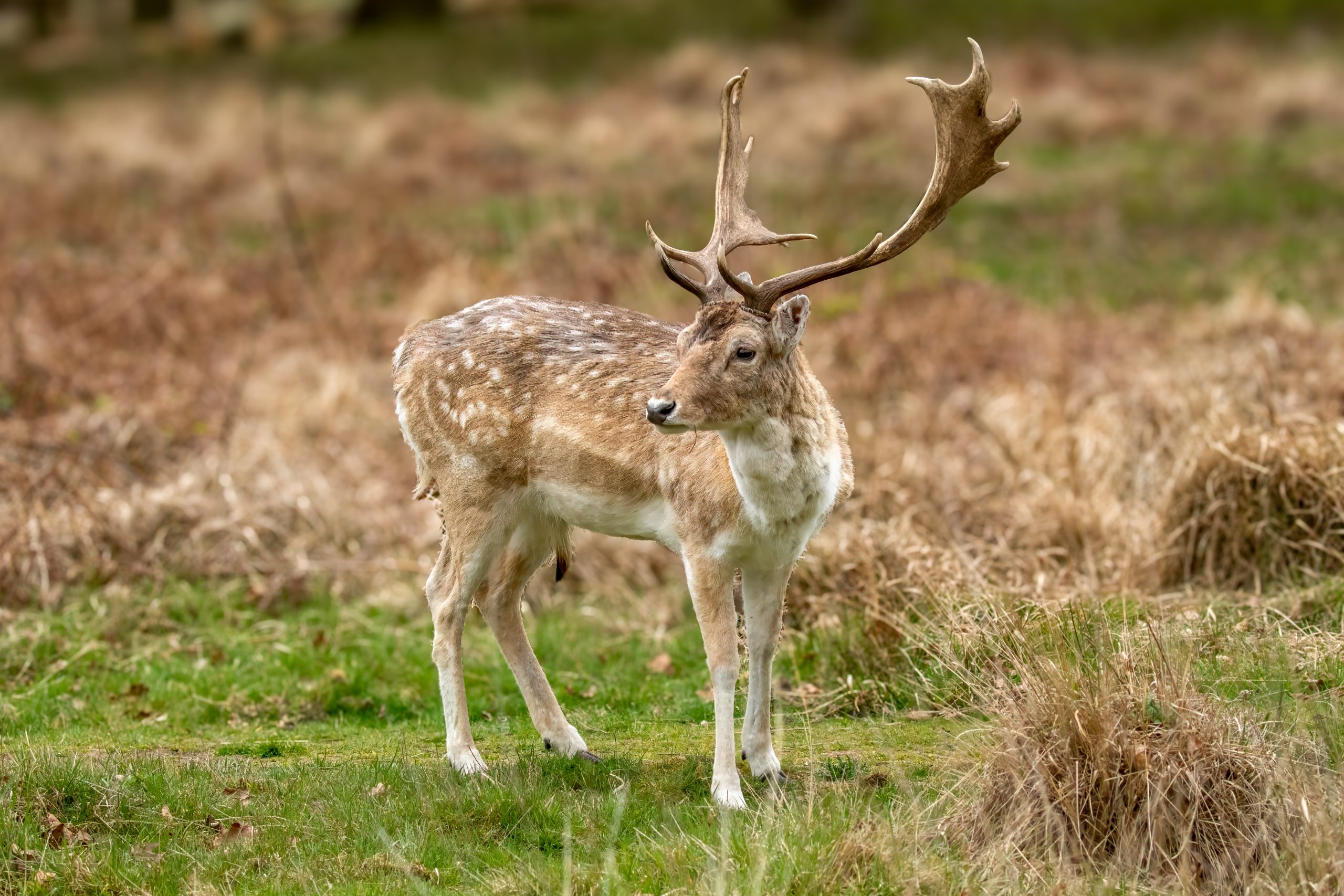
Gut microbes help ruminants ferment plant material and obtain nutrients from it. At Yinchuan City Zoo in China, researchers compared the fecal microbiomes of sika deer (Cervus nippon) and European fallow deer (Dama dama). The samples contained many of the same dominant bacterial groups, but microbial DNA also pointed to differences in some of the pathways the microbes may be equipped to use.
In March 2025, researchers collected fecal samples from 11 adult deer of each species. The groups received broadly similar feed and lived in adjacent, separate sections of one enclosure. By sequencing DNA from the samples, the researchers identified microbial groups and genes associated with metabolic pathways. Feces mainly reflect microbes in the hindgut, rather than providing a complete picture of the rumen or the rest of the digestive tract.
Firmicutes and Bacteroidetes were the dominant bacterial groups in both species. Overall, the microbial communities overlapped, and the analysis detected no clear separation between the groups. The Shannon diversity index, which reflects both the number of kinds of microbes and how evenly they are represented, was higher in fallow deer samples; the other reported diversity measures did not differ significantly.
The pathway comparisons revealed more specific contrasts. Three allantoin-degradation pathways were more abundant in sika deer samples and remained supported after the researchers accounted for the many pathways tested. Allantoin is a nitrogen-containing compound associated with purine metabolism; microbes that can break it down may contribute to nitrogen recycling. In fallow deer samples, the L-lysine degradation pathway was also supported after this correction. L-lysine is an amino acid, and the result points to a difference in the microbes’ potential to process it.
Other candidate differences in the fallow deer samples included pathways for chondroitin sulfate, serotonin and dopamine degradation. These did not remain supported after correction for multiple comparisons, so they are more tentative than the allantoin and L-lysine findings. More generally, the DNA results indicate that genes associated with a pathway were present; they do not show that microbes were actively using it or that the deer themselves had different levels of the substances involved.
The findings describe these two captive groups, not established differences between the species: because each species lived in only one enclosure section, effects of the enclosure cannot be separated from effects associated with species.
Ecology
Related news
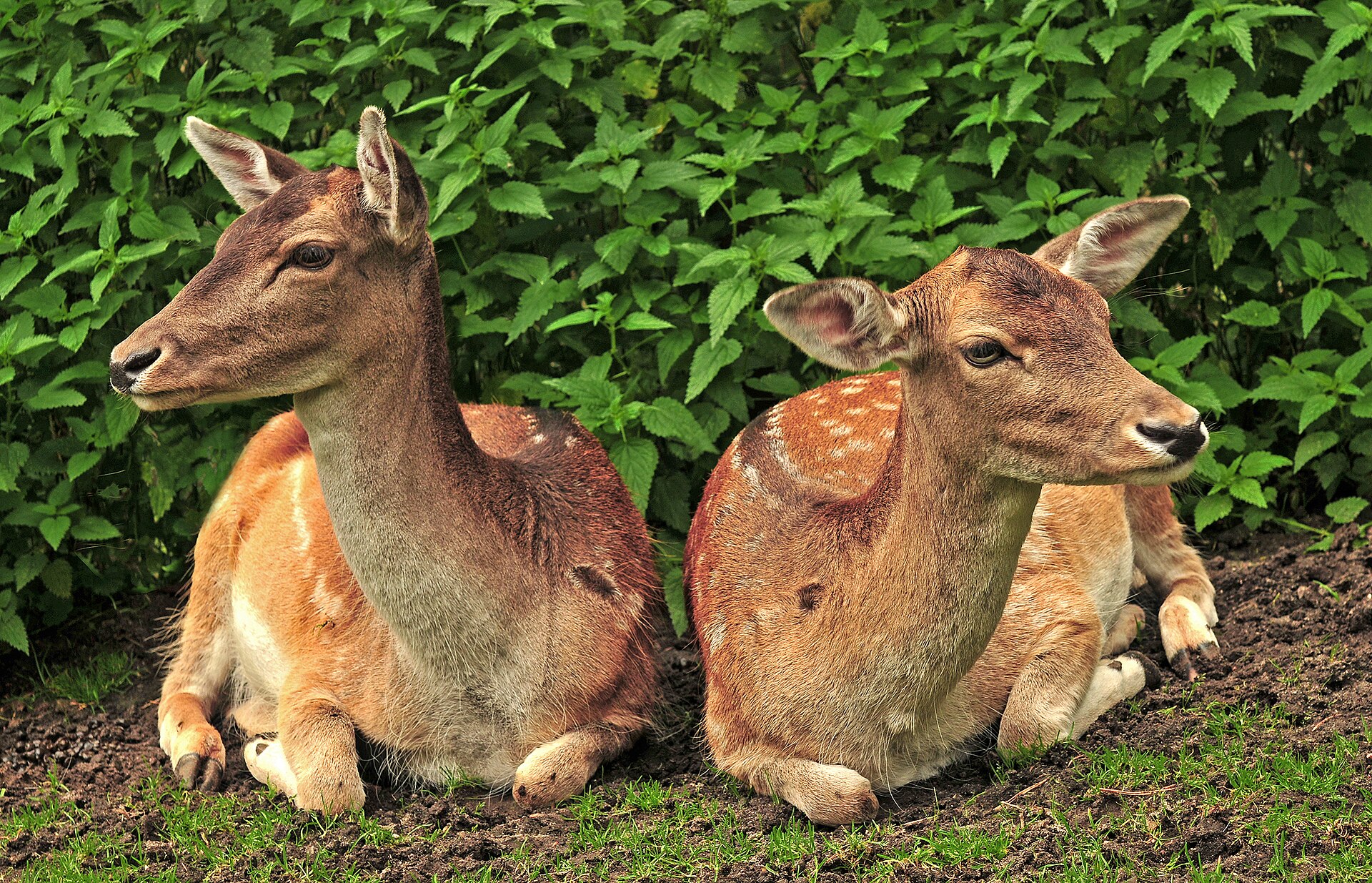
Meat colour differed among four wild ungulates, but could not reliably identify them
Measurements of a shoulder muscle from roe deer, fallow deer, red deer and European mouflon found differences in…
Read story →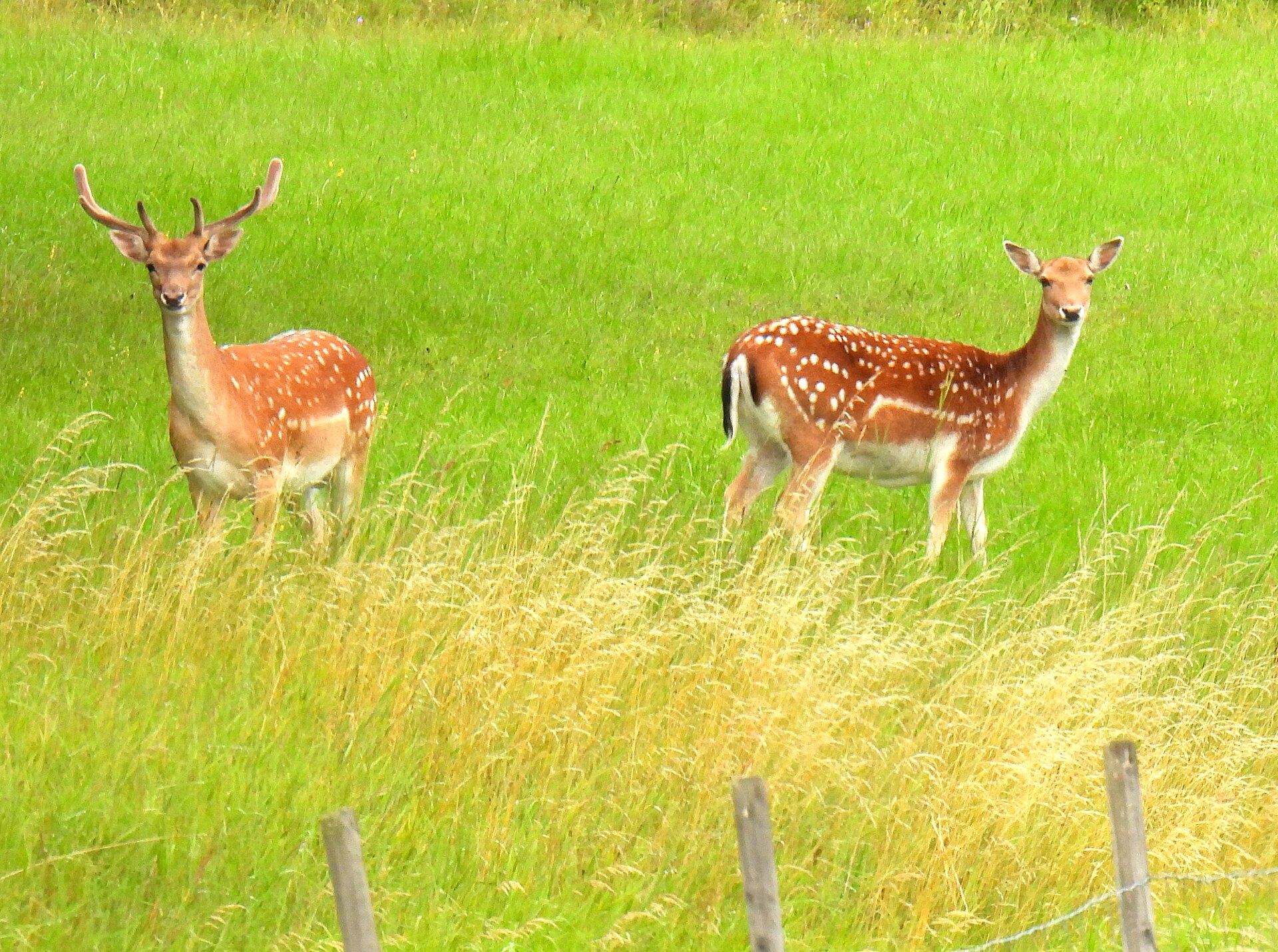
Newborn Fallow Deer Behaviour Was Linked to Male Growth and Antler Size
Across eight years of observations, neonatal behavioural reactivity was associated with slower early growth in male—but not female—European…
Read story →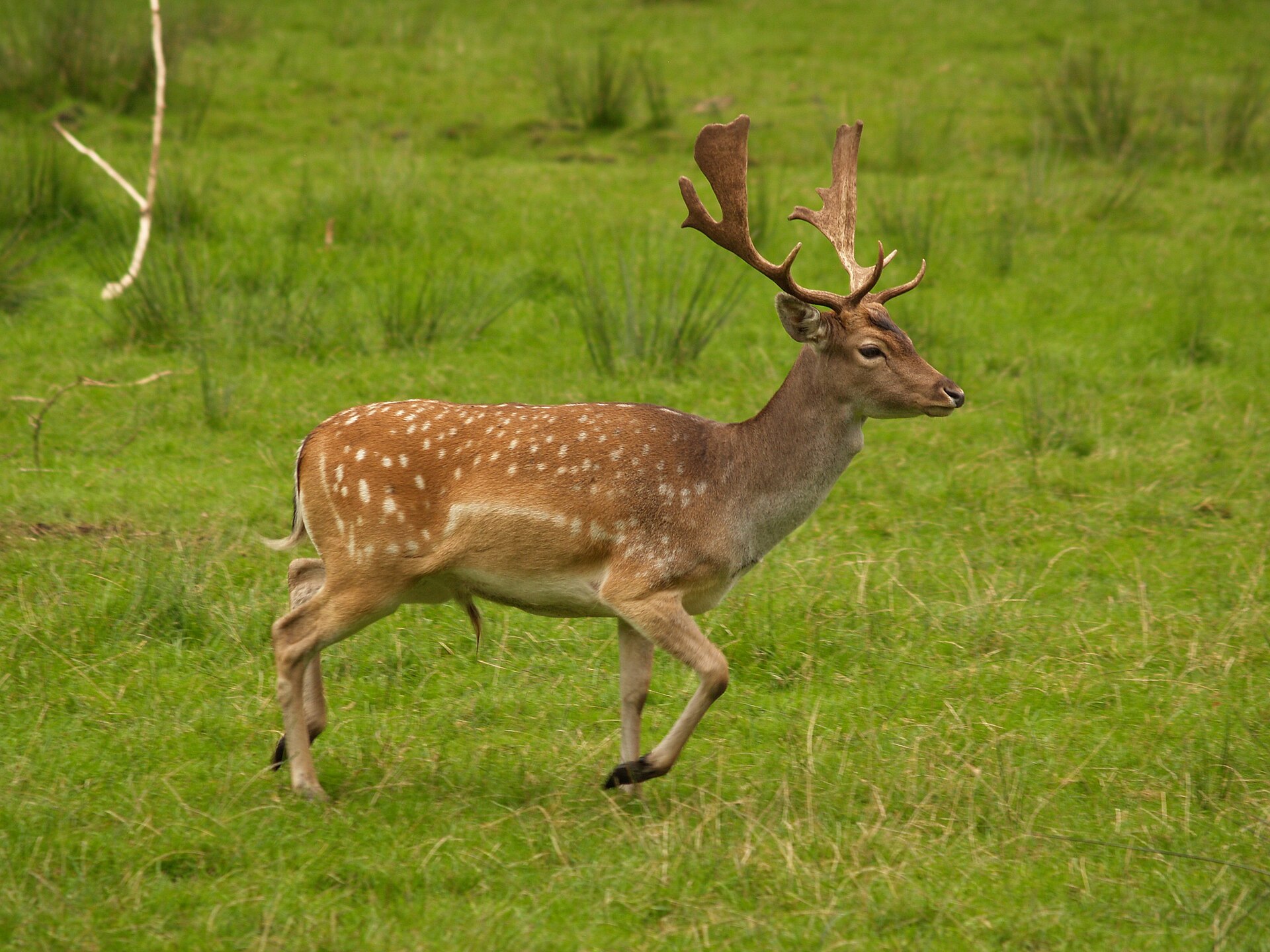
Shooting accounted for nearly all fallow deer deaths with a known cause in New South Wales
GPS-collar data from adult fallow deer in New South Wales showed lower estimated annual survival for males than…
Read story →SPECIES IN THIS STORY
Species in this story
Independent research and conservation news archive
Did you find this information useful?
Wildlife Vagabond is independently built and maintained. Voluntary support helps cover source verification, hosting and continued work on research and conservation news.
Support Wildlife VagabondThe news archive will remain freely available.