
Preliminary Norwegian Assessment: Indian Silverbill Did Not Proceed to Full Risk Assessment
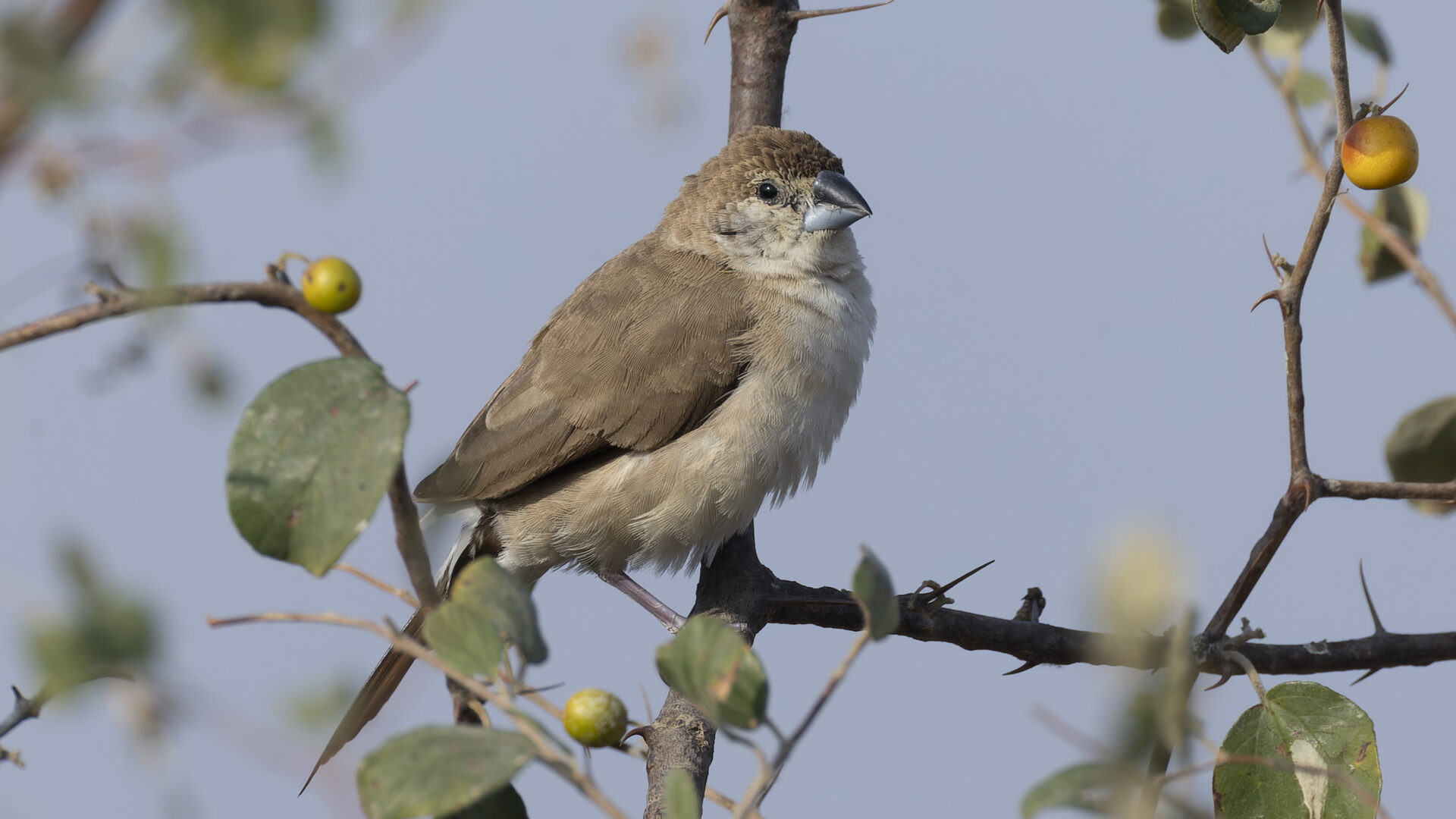
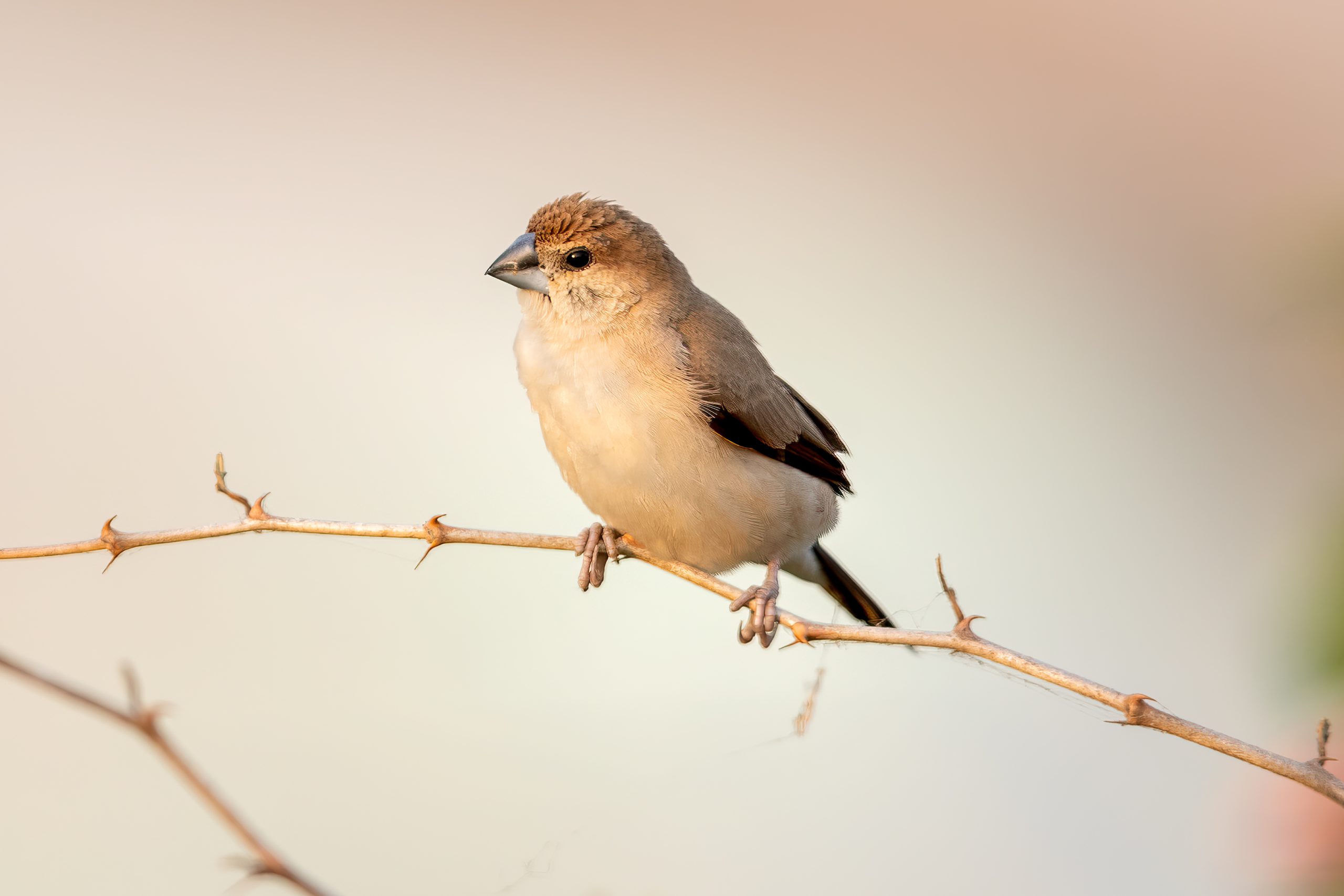
Indian silverbill (Euodice malabarica) did not proceed to a full ecological risk assessment for mainland Norway in Artsdatabanken’s preliminary 2026 alien-species assessment. The assessment was published on 11 June as part of the public-review process for Fremmedartslista 2029.
Why the Species Did Not Proceed to Full Risk Assessment
The species was first evaluated through horizon screening, a screening step used to identify potential “doorstep species” that warrant a full ecological risk assessment. In Artsdatabanken’s framework, a doorstep species is a non-native species that does not currently reproduce independently outdoors in Norway but could do so within the next 50 years, or could cause relevant ecological effects even without long-term establishment.
Indian silverbill was placed in establishment category 1: after one introduction, the screening expects no occupied 2 × 2 km grid cells to remain ten years later because the introduced population would have died out. Its negative ecological-effect score was also category 1, meaning substantial negative ecological effects were assessed as absent in the screening. With scores of 1 on both axes, the species did not cross the threshold that would trigger a full risk assessment.
With that combination, the species was classified as NR — not risk-assessed — rather than taken forward as a doorstep species for mainland Norway and surrounding marine areas. NR is therefore a process outcome, not a low-risk category: the species did not receive a full ecological risk classification because it failed to meet the screening threshold. Artsdatabanken states that the outcome is the same as in Fremmedartslista 2023.
The assessment was one of the preliminary bird evaluations opened for public input from 11 June to 10 August 2026. Artsdatabanken emphasized that the results were provisional and could change after information submitted during the review period was assessed.
Threats
Related news
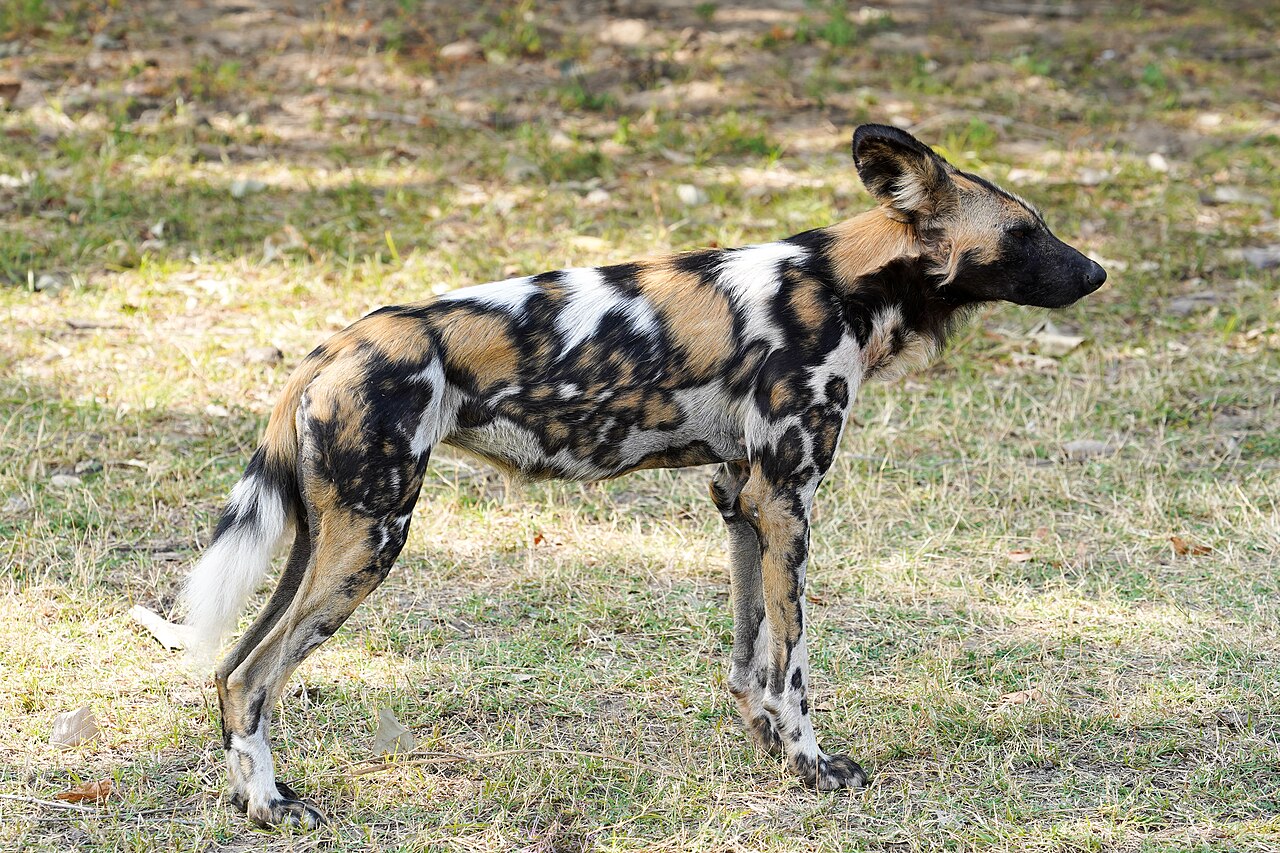
Four African Wild Dog Dispersals Totalled 9,863 km but Produced Little Genetic or Demographic Connectivity
GPS-tracked African wild dogs from Zambia crossed protected and human-dominated landscapes, including one journey of more than 2,300…
Read story →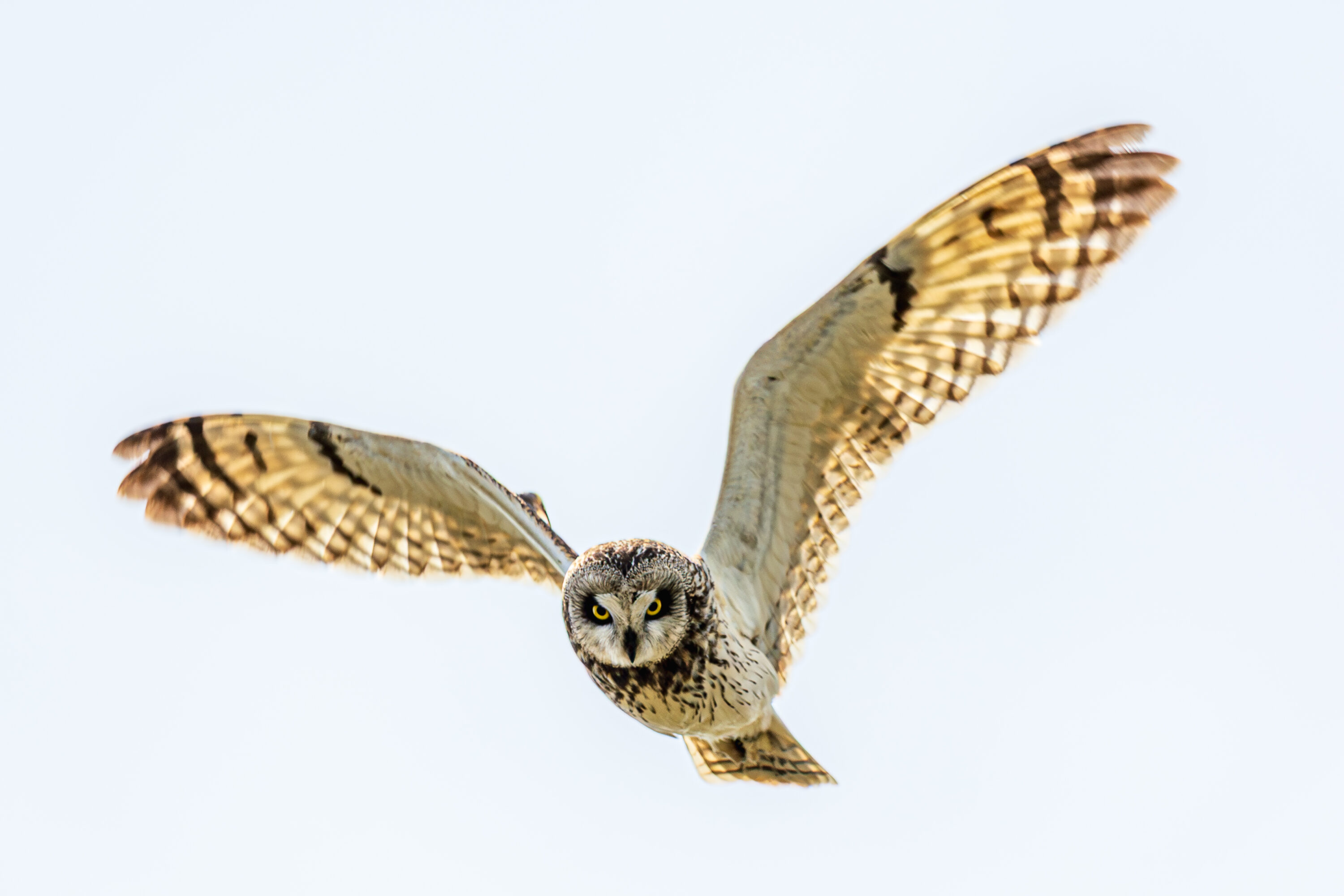
Western Finland’s Short-eared Owl Breeding Population Fell More Than 50% as Grassy Habitat Shrunk 46%
Over 47 years in western Finland, the local Short-eared Owl breeding population fell by more than 50% while…
Read story →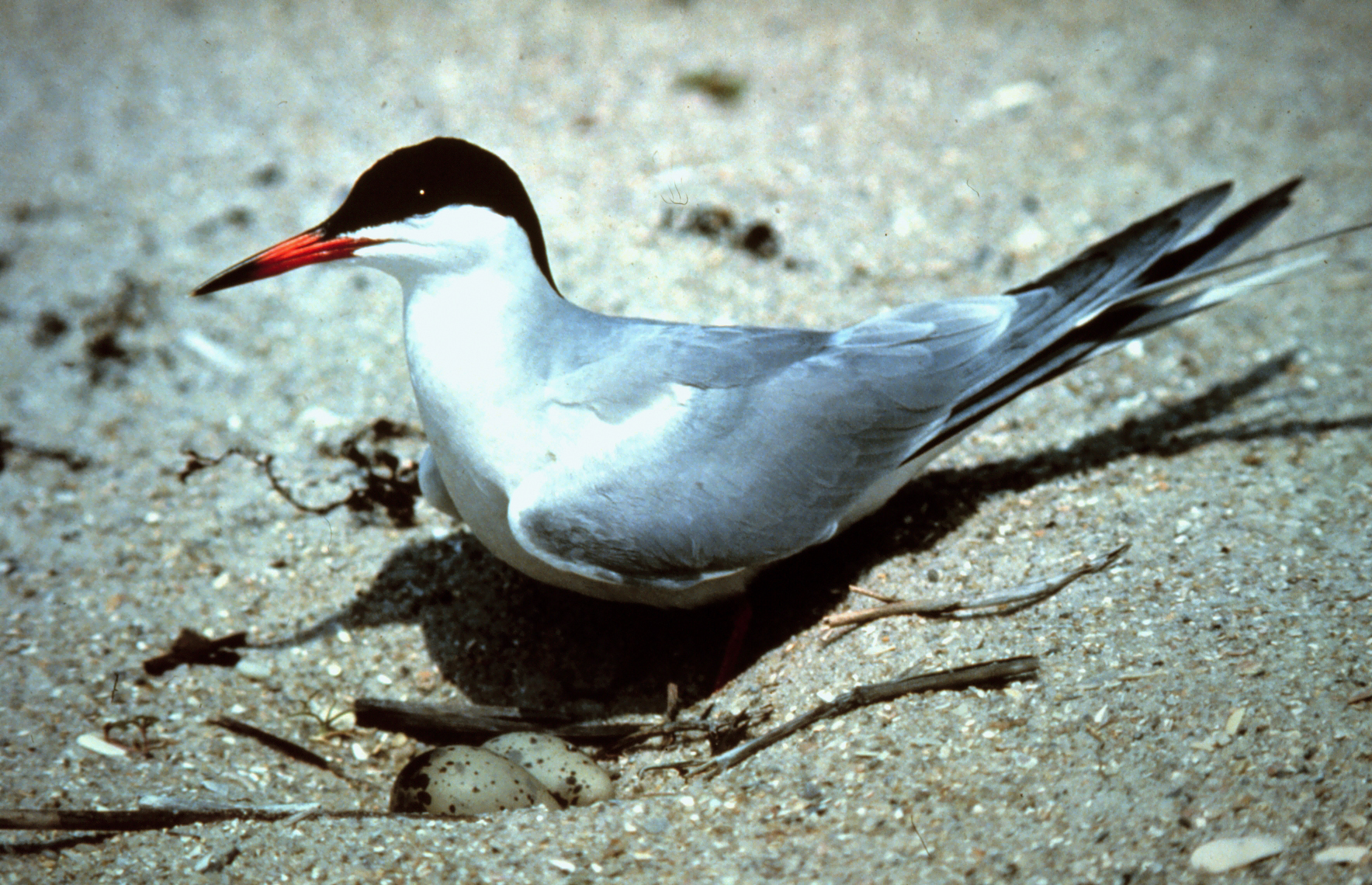
Common Tern Eggs Had More PCBs, HCB and Mercury Than Oystercatcher Eggs in 40-Year Wadden Sea Study
Monitoring from 1981–2023 found higher PCB, HCB and mercury levels in common tern eggs than in Eurasian oystercatcher…
Read story →SPECIES IN THIS STORY
Species in this story
Independent research and conservation news archive
Did you find this information useful?
Wildlife Vagabond is independently built and maintained. Voluntary support helps cover source verification, hosting and continued work on research and conservation news.
Support Wildlife VagabondThe news archive will remain freely available.