
One in Four Connecticut Osprey Nests with Up-to-Date Reports Had Failed by 1 August
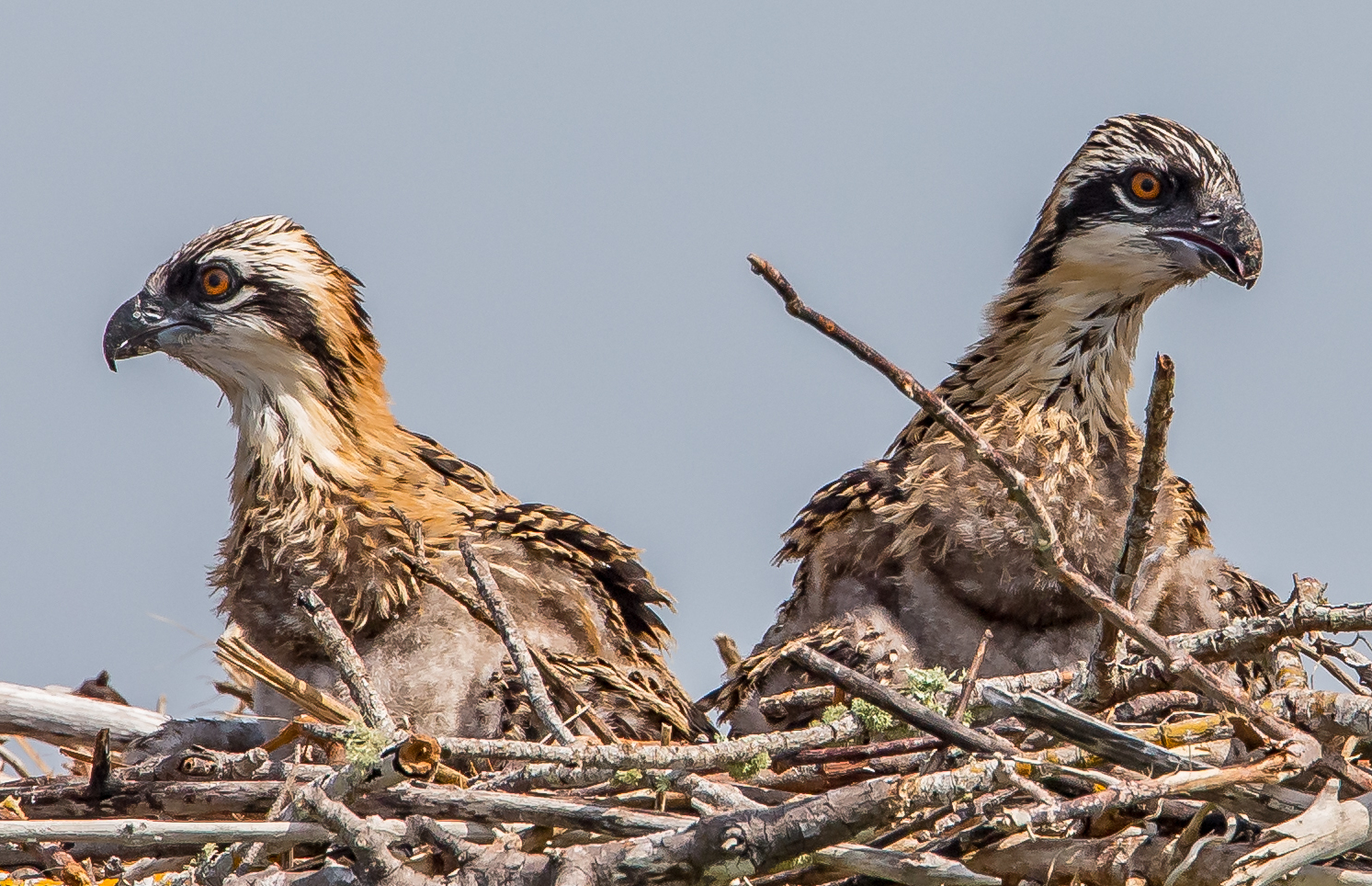
By 1 August 2026, 171 of 691 Connecticut, USA osprey (Pandion haliaetus) nests with up-to-date monitoring reports had failed — roughly one in four. At the same point in 2025, 113 of 706 nests had failed, about one in six. Connecticut Audubon Society released the comparison on 7 August and stressed that the 2026 season was not yet complete.
More than 400 volunteers take part in the statewide Osprey Nation programme, submitting weekly observations from about 1,000 known nests. The August figures therefore describe the nests with current reports at that date, not a final statewide total.
Only five chicks had fledged at Great Island
Great Island in Old Lyme showed one of the sharpest local changes. The site fledged 37 osprey chicks in 2024 and 27 in 2025. By the 7 August report, only five chicks had fledged there in 2026.
The new warning followed Connecticut’s weakest breeding result in the 12-year Osprey Nation programme. In 2025, 682 active nests produced an estimated 862 fledglings, or 1.26 per active nest. Connecticut Audubon has since begun work to identify the fish delivered to nests in salt, brackish and fresh water.
Menhaden remained a concern, not a proven cause
Connecticut Audubon is concerned that reduced availability of Atlantic menhaden may be contributing to poor breeding results, especially around the mouth of the Connecticut River. The organisation also acknowledges that weather, disturbance, predation and other factors can cause nest failure. The provisional 2026 monitoring therefore shows a rise in failed nests, but it does not by itself establish why they failed.
The organisation used the new figures while urging the Atlantic States Marine Fisheries Commission to reduce the Chesapeake Bay cap on the industrial reduction fishery for menhaden. The commission approved Draft Addendum II for public comment, with options that included reducing the Bay Cap by up to 50%. No new reduction was adopted at that meeting; the board was due to consider final action in November 2026.
Population & status
Related news
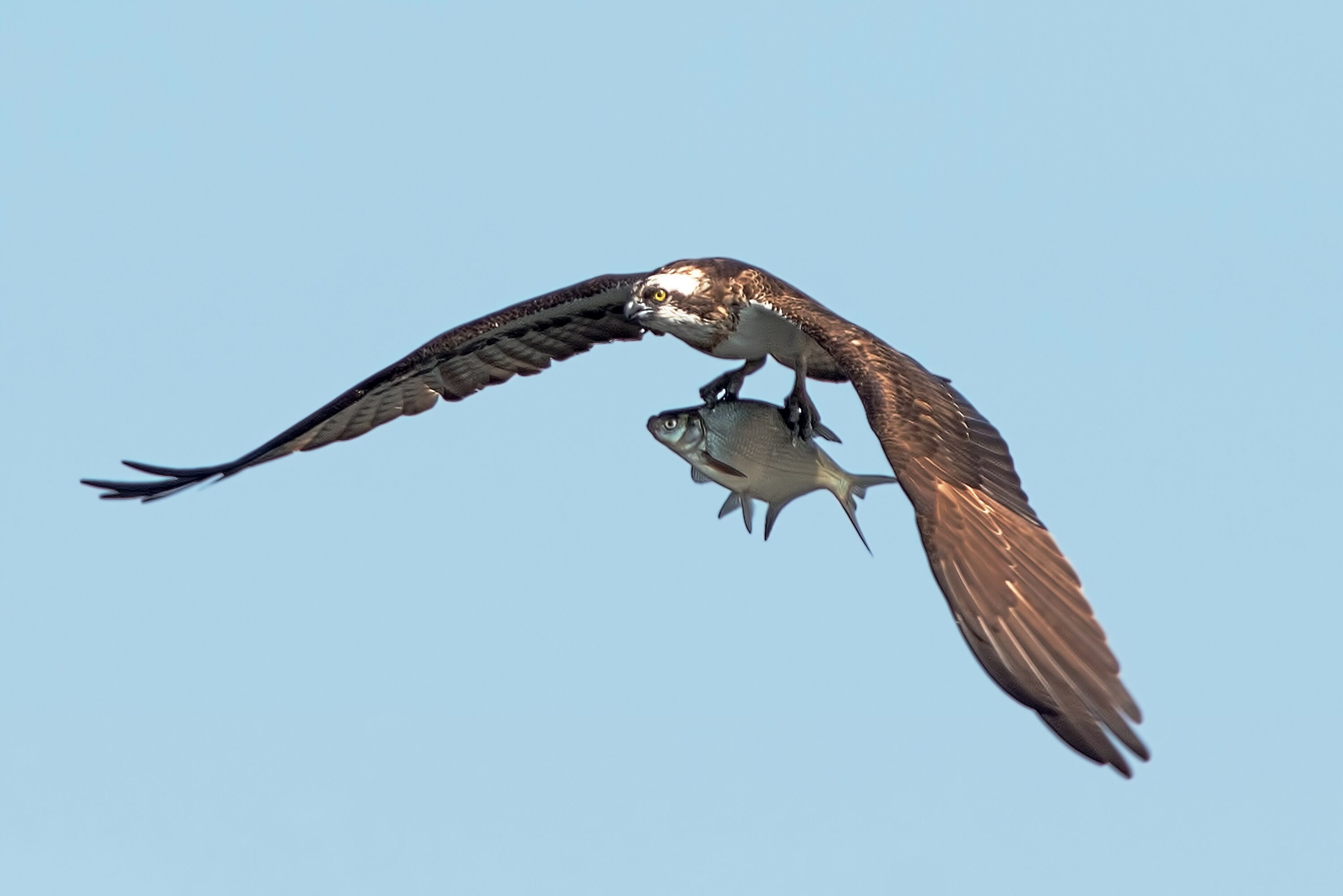
VKM: Exporting Up to 26 Osprey Young to Ireland Would Not Harm Conservation Status in Norway
VKM concluded that exporting up to 26 wild young ospreys from two Norwegian donor areas to Ireland would…
Read story →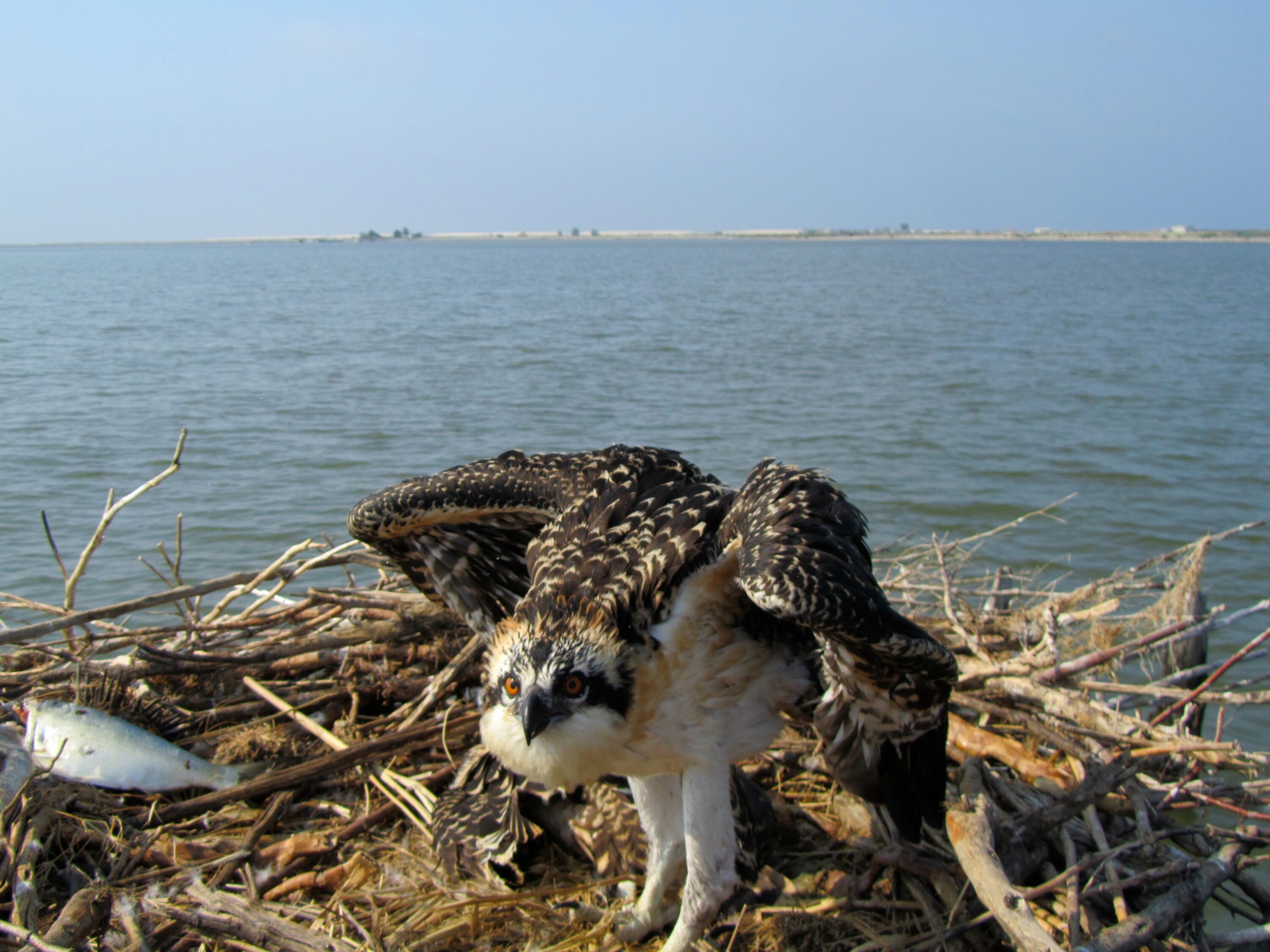
24 Osprey Chicks Fledged From 12 Rutland Nests
Rutland Osprey Project reported 24 chicks fledged from 12 nests in 2026. The season produced 14 chicks assessed…
Read story →
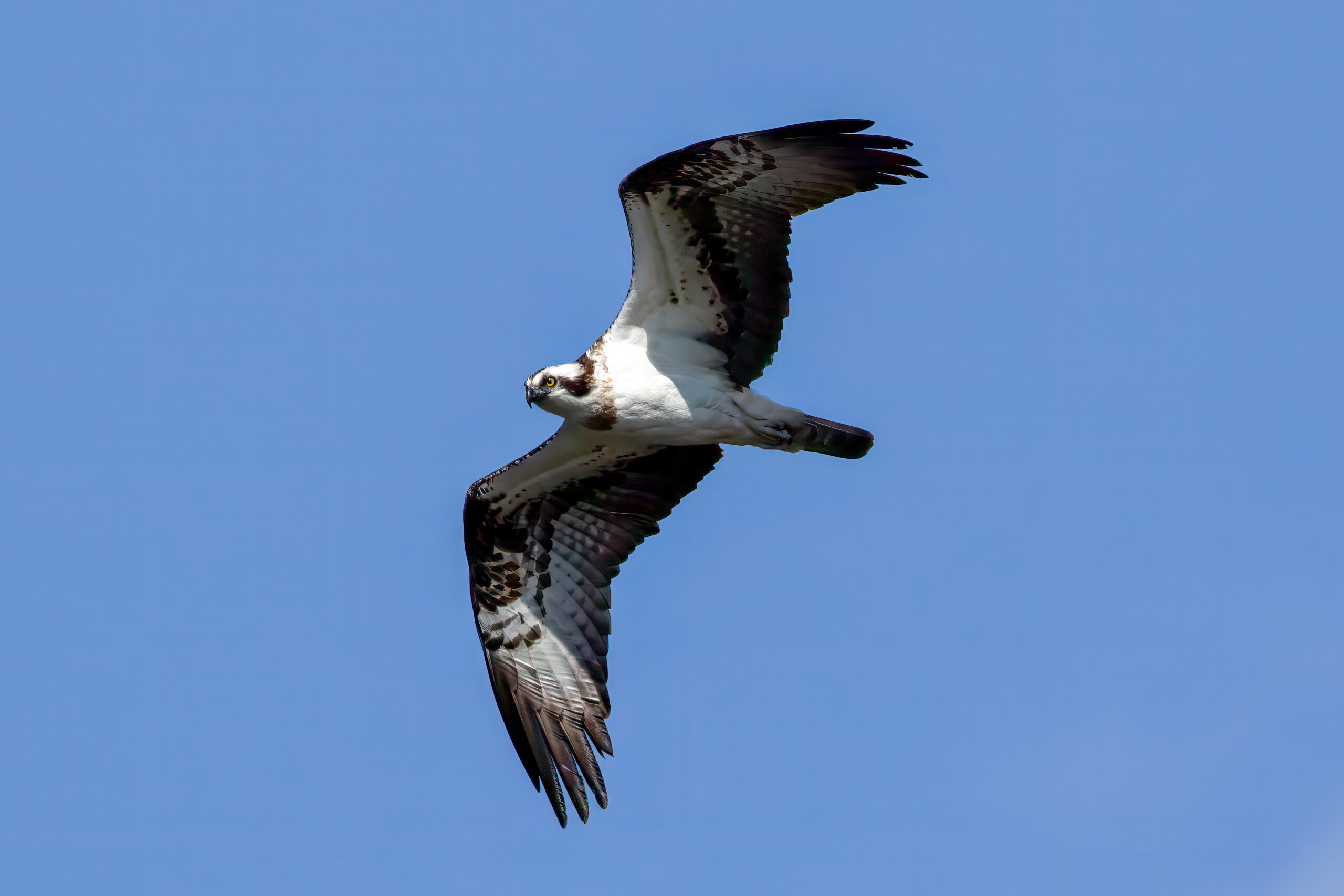
Ospreys Raised Three Chicks in Switzerland’s First Breeding in 112 Years
A male released by the Swiss reintroduction project and an unringed female of unknown origin raised three chicks…
Read story →SPECIES IN THIS STORY
Species in this story
Independent research and conservation news archive
Did you find this information useful?
Wildlife Vagabond is independently built and maintained. Voluntary support helps cover source verification, hosting and continued work on research and conservation news.
Support Wildlife VagabondThe news archive will remain freely available.