
88% of Monitored Oriental Magpie-Robin Nests Produced a Fledgling in Islamabad
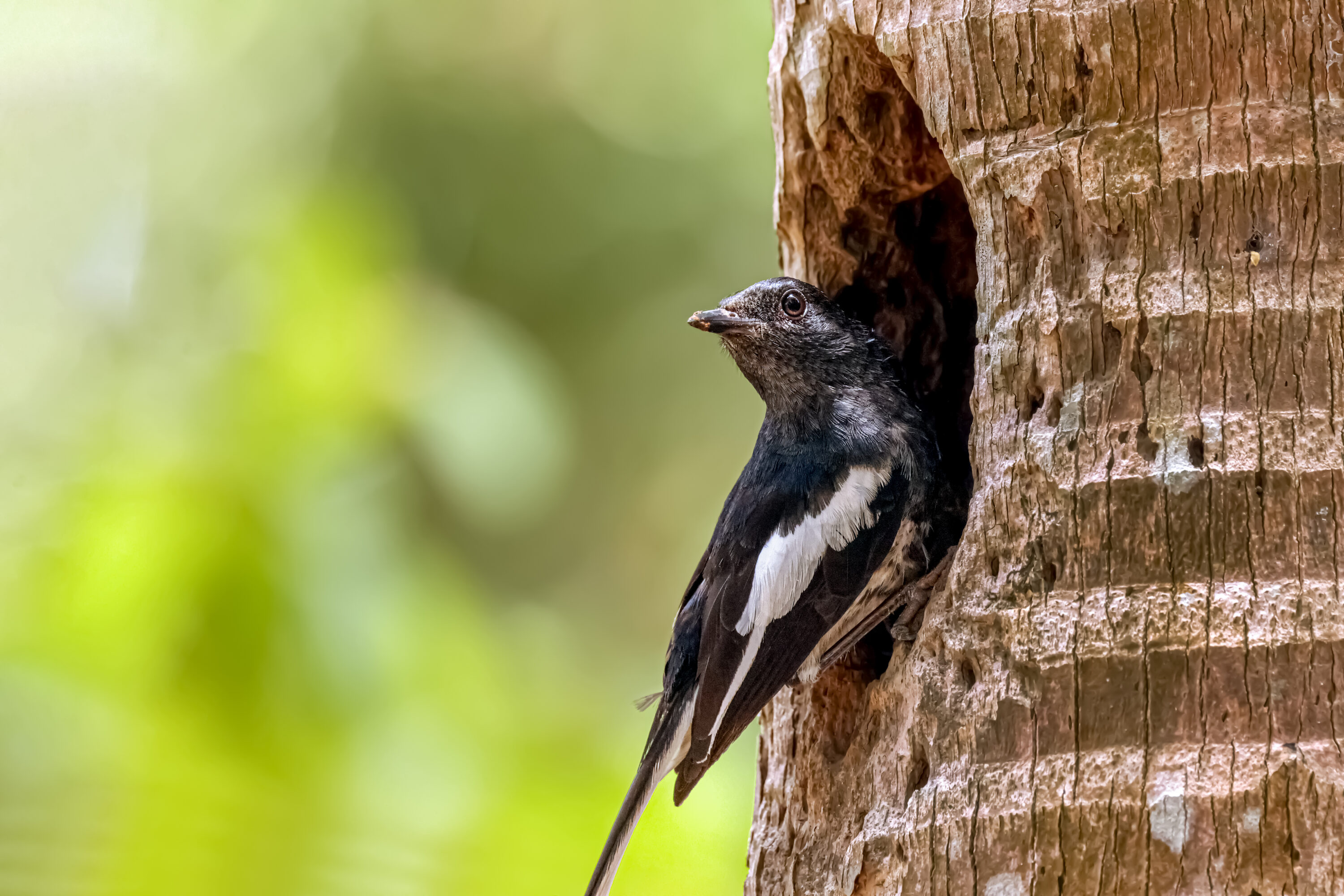
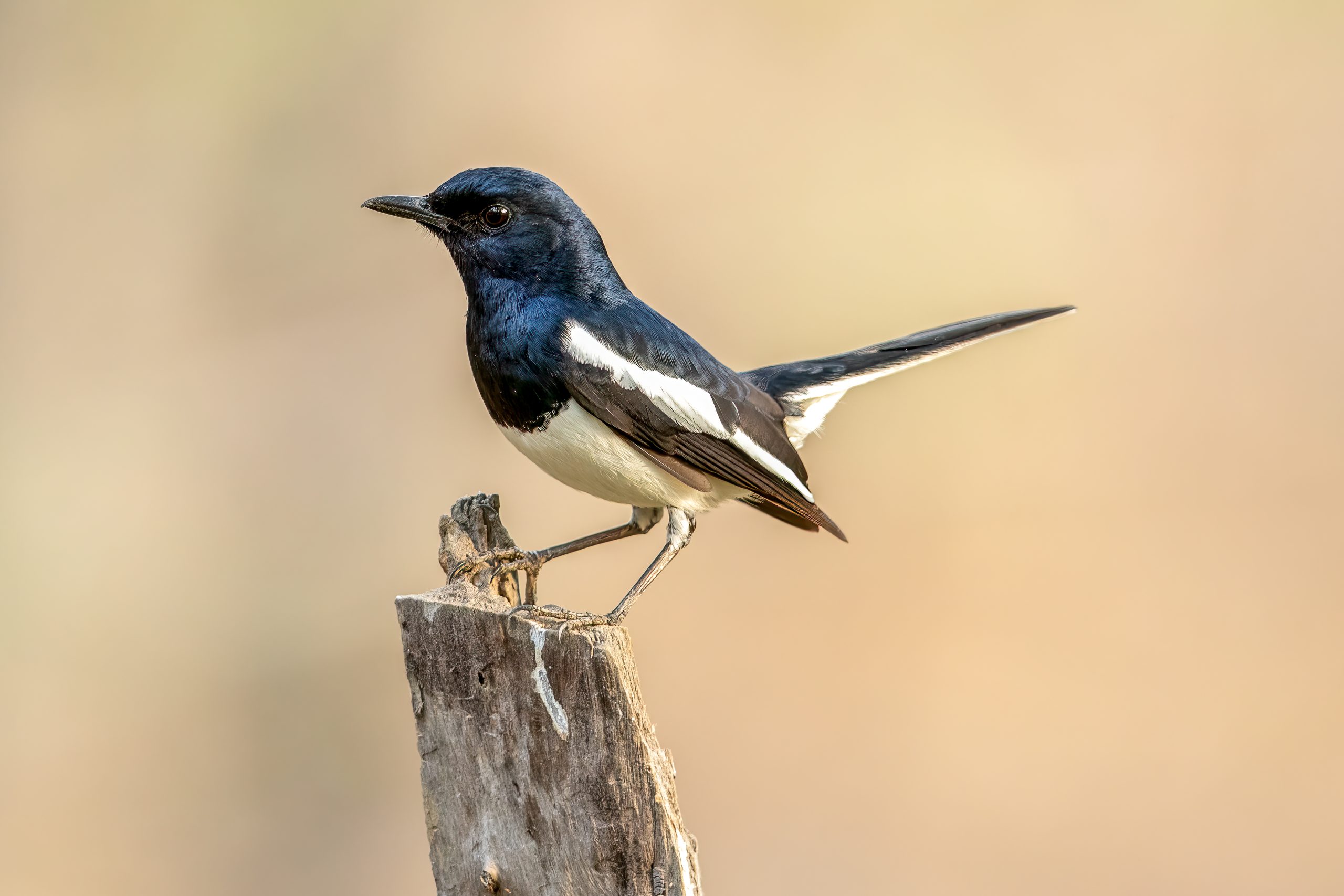
A two-year study in Islamabad, Pakistan, found high breeding success in Oriental magpie-robins (Copsychus saularis) nesting in a peri-urban university landscape. Of 32 active nests monitored during the 2021 and 2022 breeding seasons, 88% produced at least one fledgling.
The researchers worked at Quaid-i-Azam University near the north-western edge of the species’ range. Most nests—27 of 32—were in natural tree cavities, while five were built in electricity-meter cabinets. Tree cavities were generally deeper than the artificial sites, although the authors treated comparisons between cavity types descriptively because only five nests were found in electricity boxes.
The monitored nests contained 125 eggs. Of these, 108 hatched and 83 young fledged. In total, 28 of the 32 nests produced at least one fledgling: 24 of 27 tree-cavity nests and four of five nests in electricity boxes. A separate daily-survival analysis likewise indicated high nest survival and found no clear evidence of a difference between cavity types or between the two study years, although the small number of electricity-box nests limits that comparison.
The authors conclude that Oriental magpie-robins can breed successfully in both natural and artificial cavities in this peri-urban setting. They suggest that artificial structures can provide additional breeding opportunities where natural cavities are scarce, but should supplement rather than replace the protection of mature trees with suitable cavities.
Reproduction & development
Related news
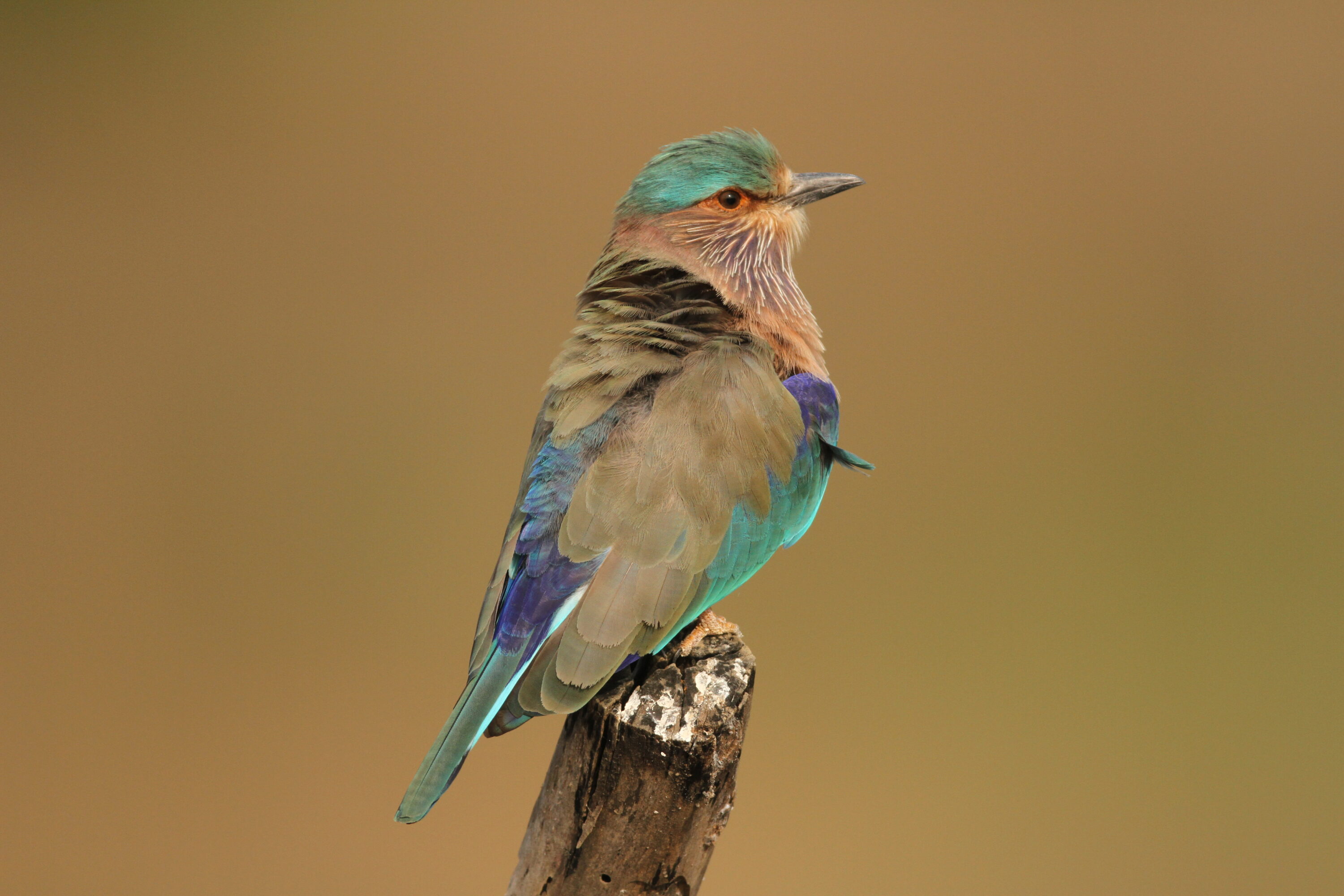
Six Cavity-Nesting Bird Species Bred Successfully in Artificial Nests in Punjab
Punjab Agricultural University reported successful breeding in artificial nests by six cavity-nesting species, including Indian roller, spotted owlet…
Read story →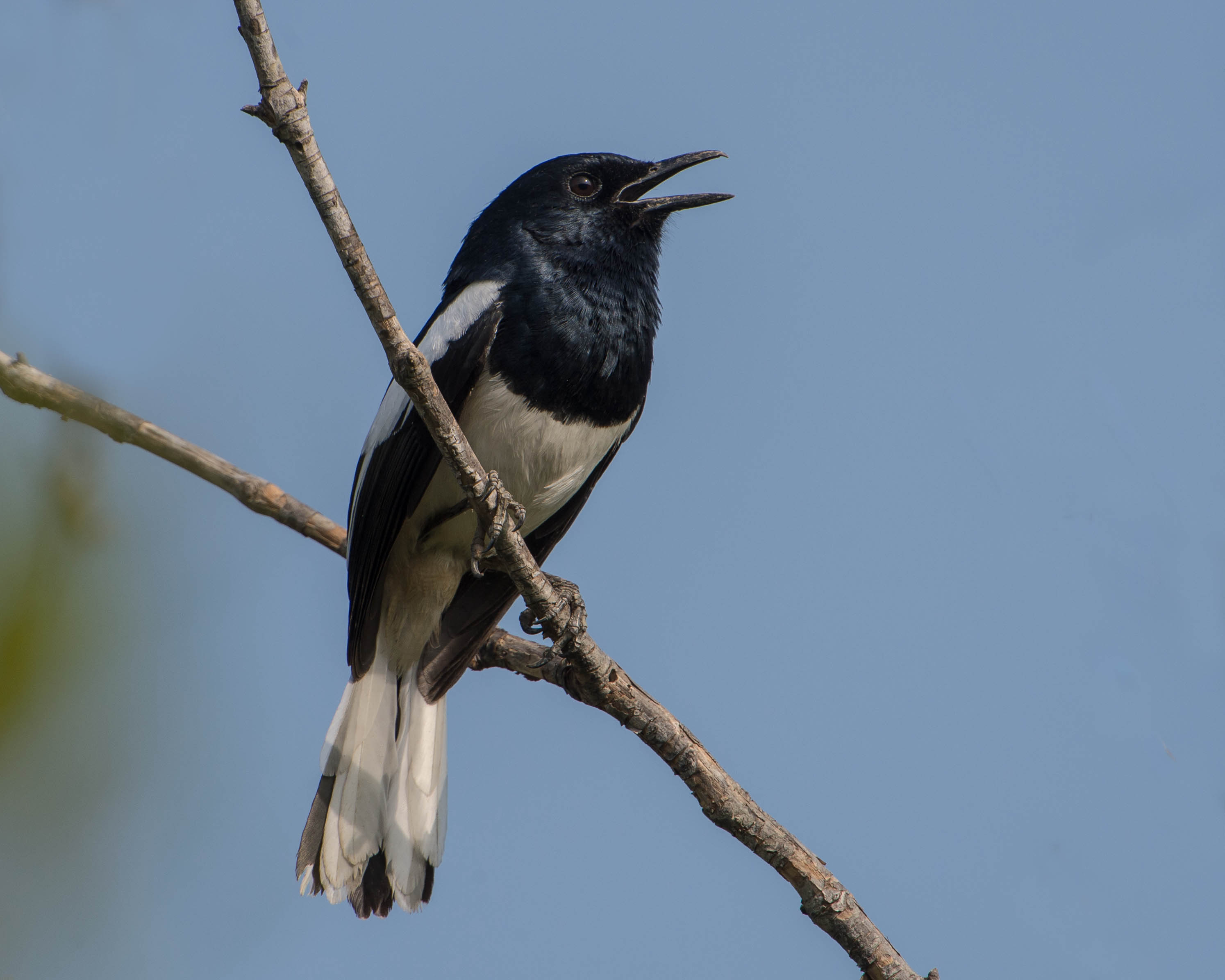
Six Hong Kong Bird Species Sang Earlier Where Artificial Night Light Was Stronger
Across 20 Hong Kong sites, six of eight common bird species began their dawn chorus earlier where artificial…
Read story →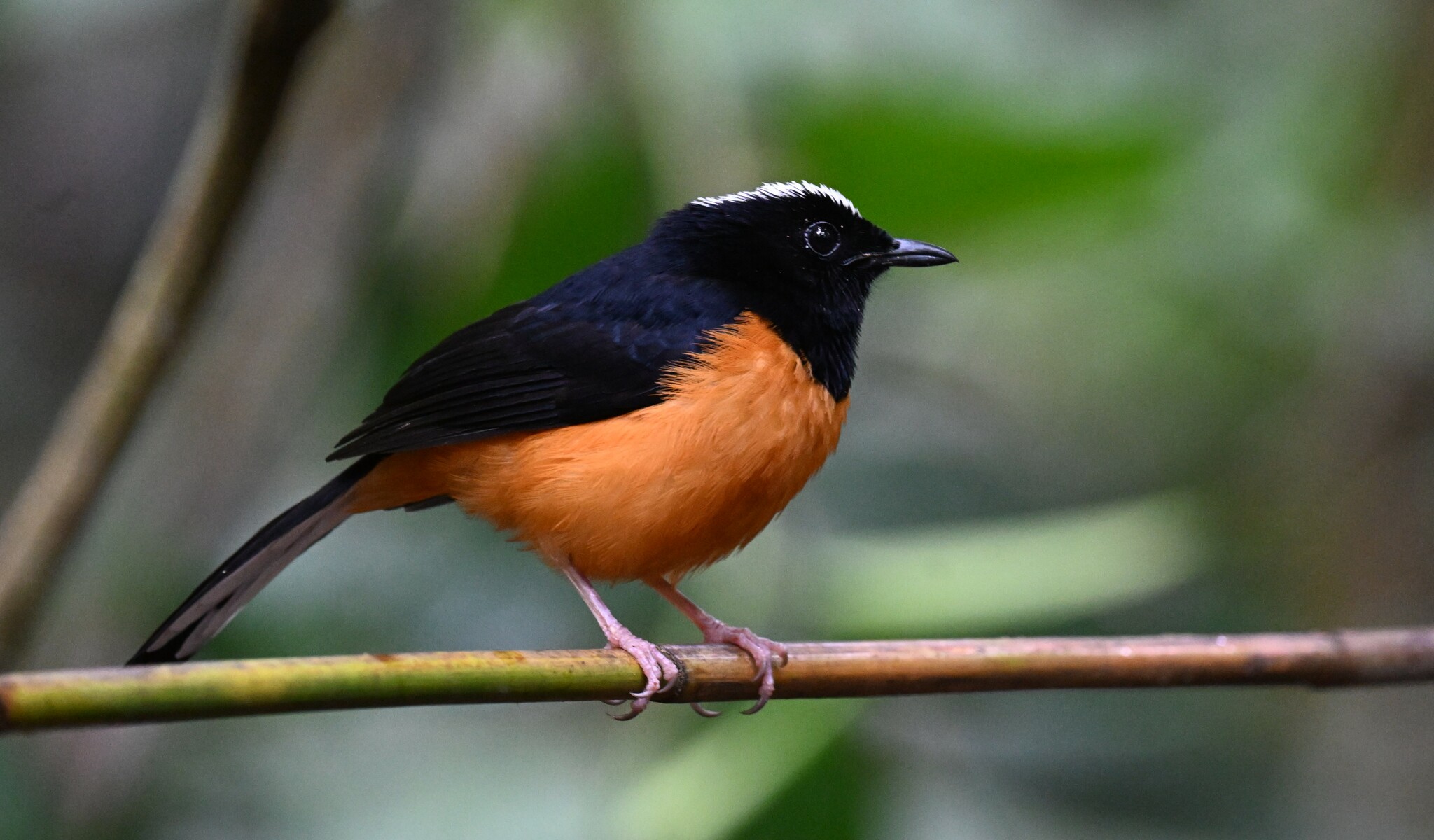
Shama Lineages Stayed Distinct While Oriental Magpie-Robins Mixed Genetically Across Borneo
Genomic analyses found extensive introgression and weak population structure in Bornean Oriental magpie-robins, while western and eastern shama…
Read story →SPECIES IN THIS STORY
Species in this story
Independent research and conservation news archive
Did you find this information useful?
Wildlife Vagabond is independently built and maintained. Voluntary support helps cover source verification, hosting and continued work on research and conservation news.
Support Wildlife VagabondThe news archive will remain freely available.