
Oriental Rat Snake Took Five of Nine Pheasant Eggs During Repeated Daytime Visits
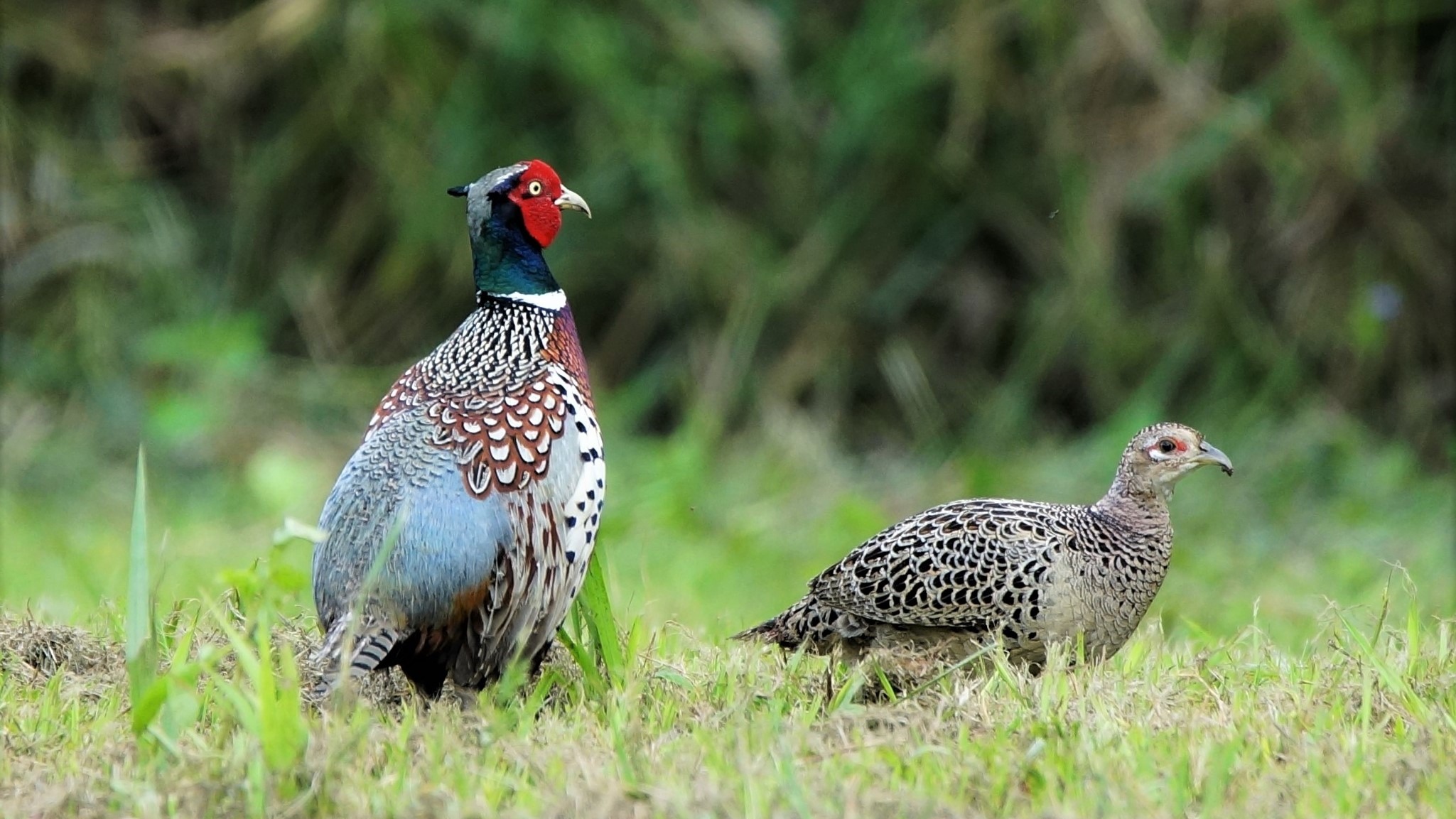
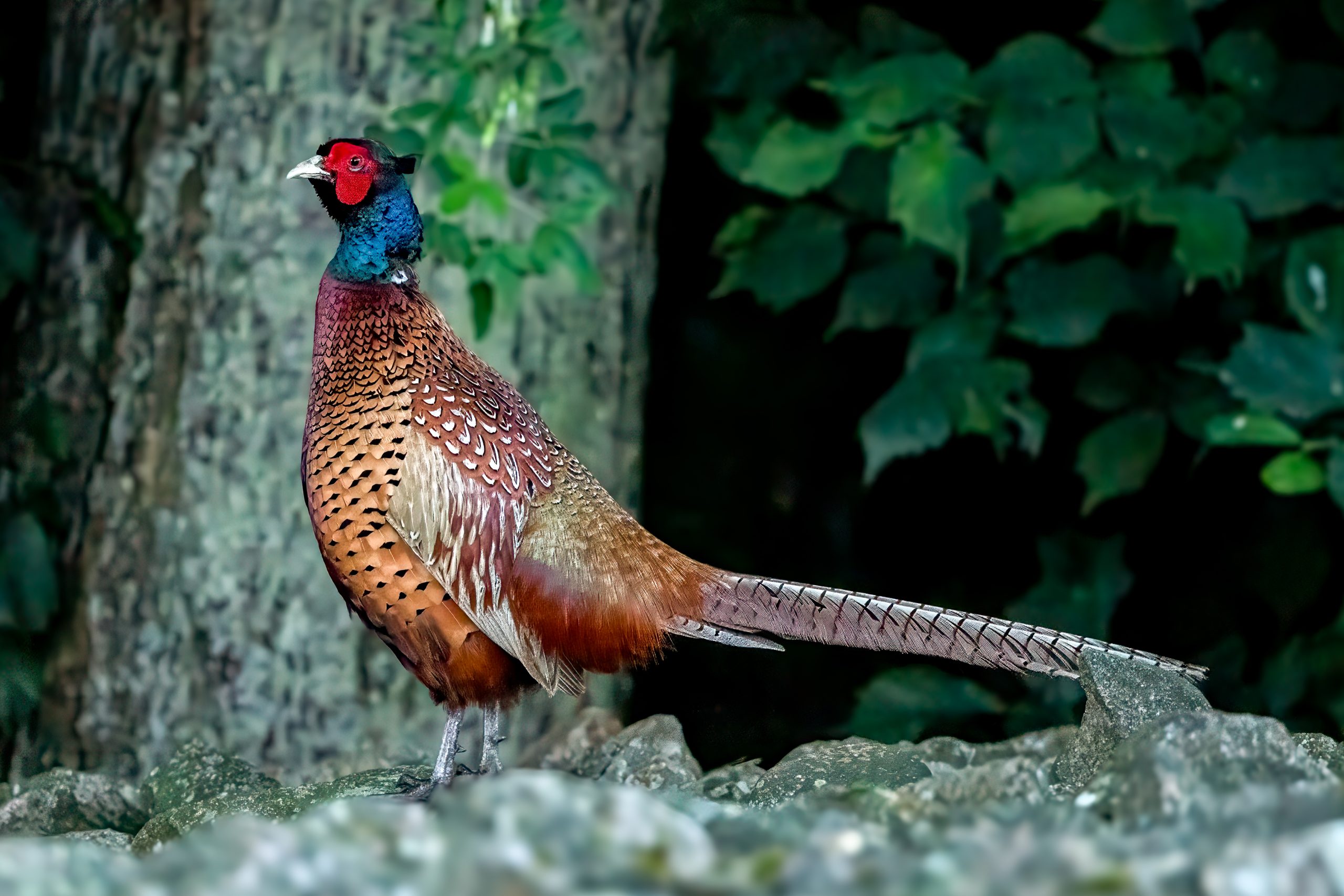
Camera monitoring at a ground-mounted solar facility in eastern Taiwan documented repeated egg predation by Oriental rat snake (Ptyas mucosa) at a nest of the Formosan subspecies of common pheasant (Phasianus colchicus formosanus). The pheasant is an endemic, legally protected Taiwanese subspecies that nests on the ground, making nest predation an important part of its breeding ecology. The study was first made publicly available on 5 June 2026 in Global Ecology and Conservation.
The nest was discovered on 9 May 2025 at the 66-hectare Sheng Feng photovoltaic facility in Fenglin Township, Hualien County. It contained nine eggs in herbaceous vegetation about 50 centimetres tall between the solar panels. A camera trap monitored the nest for 43 days.
Three daytime visits left four eggs to hatch
Oriental rat snake visits were recorded at the nest three times. On the morning of 21 May a snake attacked the incubating female and apparently consumed eggs, after which the clutch had fallen from nine eggs to six. A second visit later that day caused no detected egg loss. On 27 May a snake returned and the female again defended the nest. Chicks were seen near the nest on 2 June, and when the nest was finally checked only four hatched eggshells remained, so the authors infer that two additional eggs were probably consumed during the 27 May visit. They considered it possible that all three visits involved the same snake, but could not confirm this because there were no unique markings.
The researchers analysed 24 short video clips from the snake visits and scored the pheasant’s responses. The female remained engaged in nest defence across the encounters, including close monitoring and active physical defence. Defence scores were higher during the two periods in which egg loss was documented than during the visit with no detected loss, although the authors did not perform formal correlation tests because only three snake visits were recorded.
One nest cannot show whether solar farms change predation risk
The paper describes this as the first complete behavioural record from Taiwan of P. mucosa preying on eggs of P. c. formosanus. Solar facilities could alter nest risk in opposing ways: fencing may exclude some larger terrestrial predators, while vegetation beneath panels can provide nesting cover but may also reduce how far an incubating bird can see approaching predators. Because the observations came from a single nest, the authors do not conclude that photovoltaic facilities increase predation risk; comparative work across natural grassland, farmland and solar sites is needed to determine whether the infrastructure changes nest vulnerability.
Behaviour
Related news
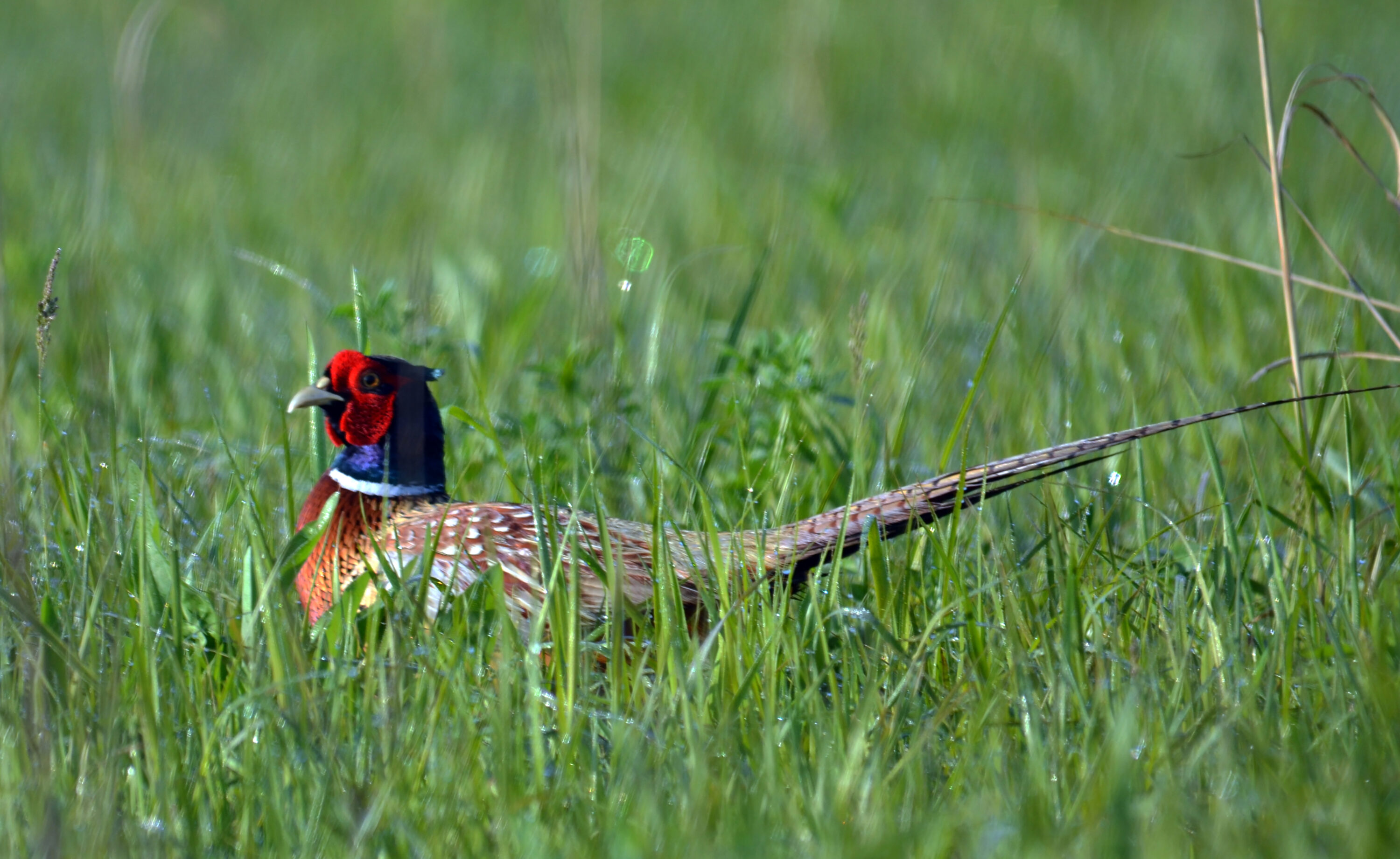
Iowa’s Pheasant Roadside Index Fell 17% From 2025 but Stayed Above the 10-Year Trend
Iowa’s 2026 August roadside survey averaged 22.6 pheasants per comparable 30-mile route, down 17% from 2025 but still…
Read story →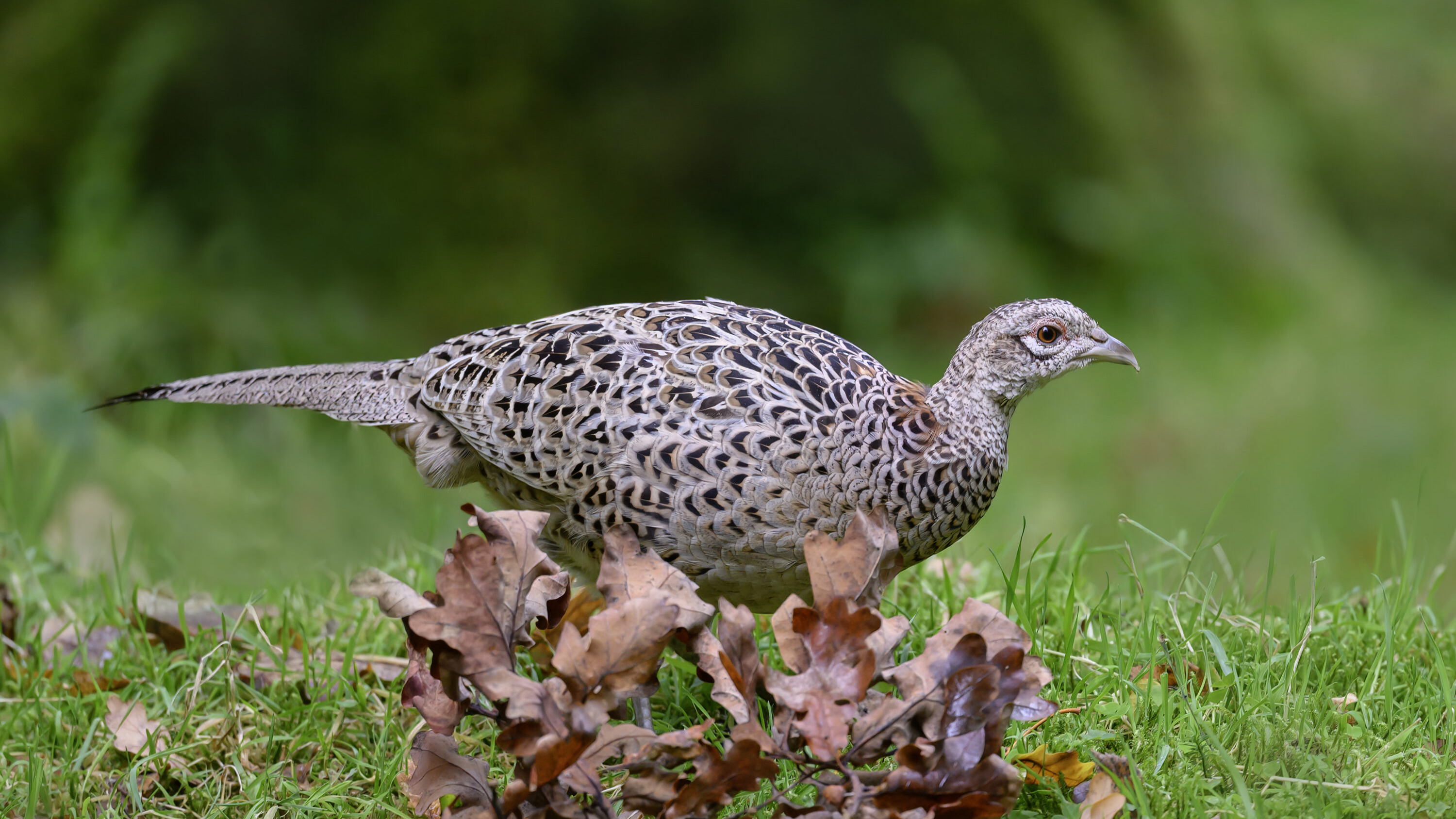
Common Pheasants Were Not More Abundant in English Survey Squares With More Protected Land
BTO atlas data from 3,793 survey squares in four English counties found no evidence that common pheasants were…
Read story →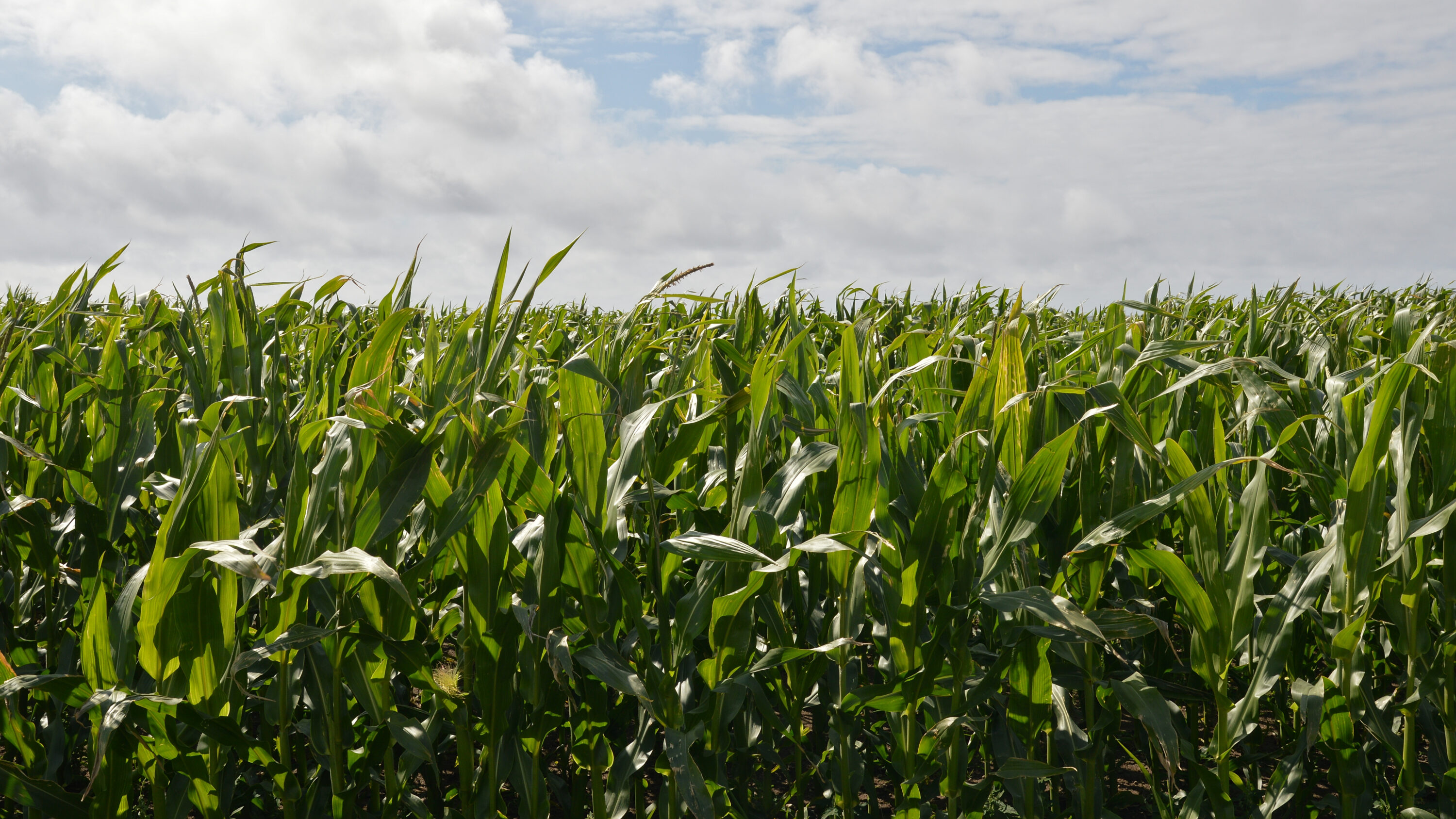
Polish Maize Fields Had Fewer Breeding Bird Species and Lower Bird Density
Across 122 plots in Poland, maize fields had fewer breeding bird species and lower bird density than mosaics…
Read story →SPECIES IN THIS STORY
Species in this story
Independent research and conservation news archive
Did you find this information useful?
Wildlife Vagabond is independently built and maintained. Voluntary support helps cover source verification, hosting and continued work on research and conservation news.
Support Wildlife VagabondThe news archive will remain freely available.