
Polish Maize Fields Had Fewer Breeding Bird Species and Lower Bird Density
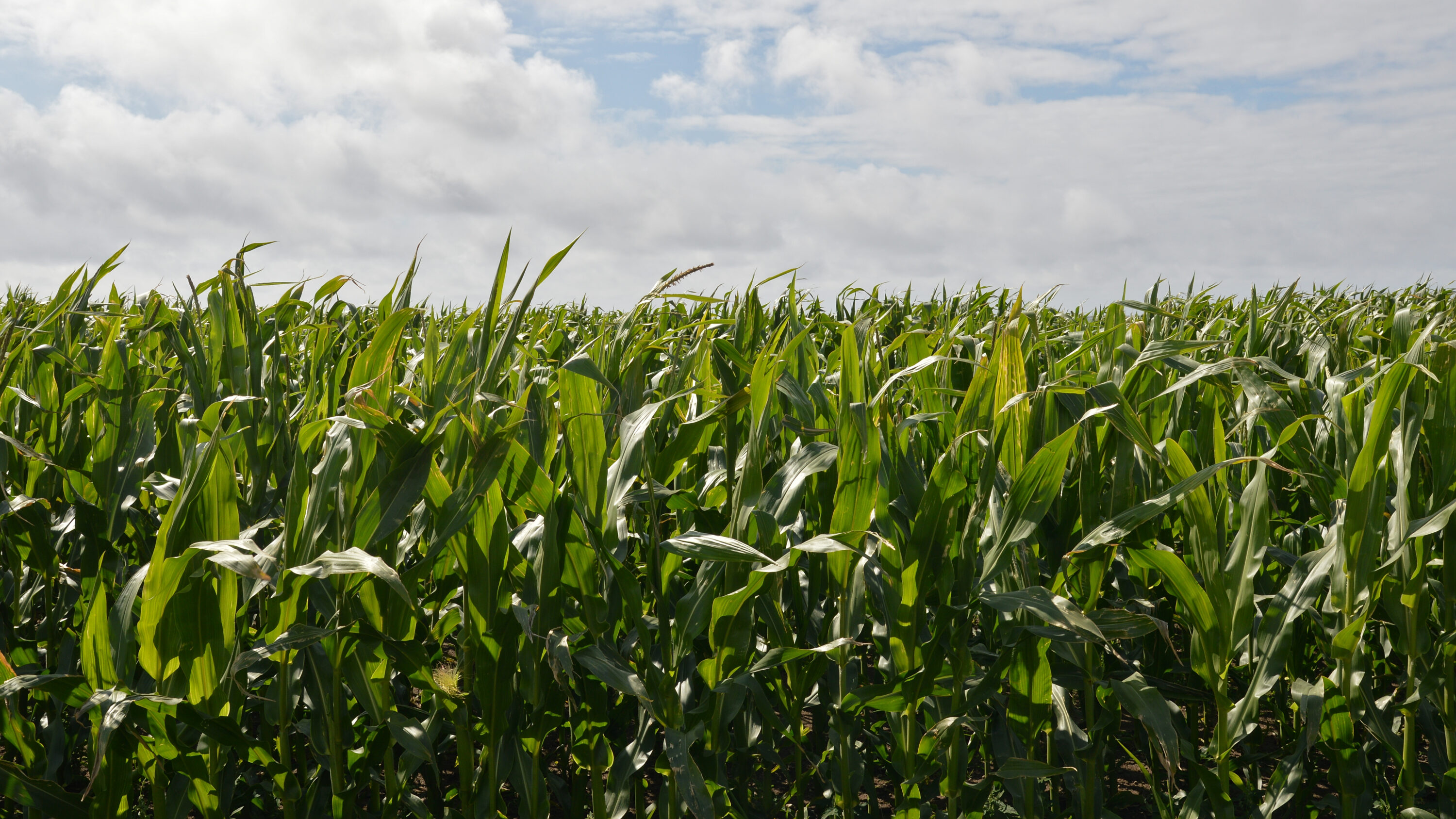
Maize fields held fewer breeding bird species and lower overall bird densities than more varied agricultural plots in a study spanning three regions of Poland. Researchers surveyed 122 plots covering 1,380 hectares during the April–June breeding seasons of 2024 and 2025, comparing maize fields with control plots made up of mosaics of other crops.
The analysis supported lower species richness and lower overall breeding-bird density in maize plots. The researchers recorded 24 species in total, and 23 species occurred at least once in each of the two plot types. The difference therefore concerned how many species and birds were present on individual plots rather than a simple division into species occurring only in maize or only in other crops.
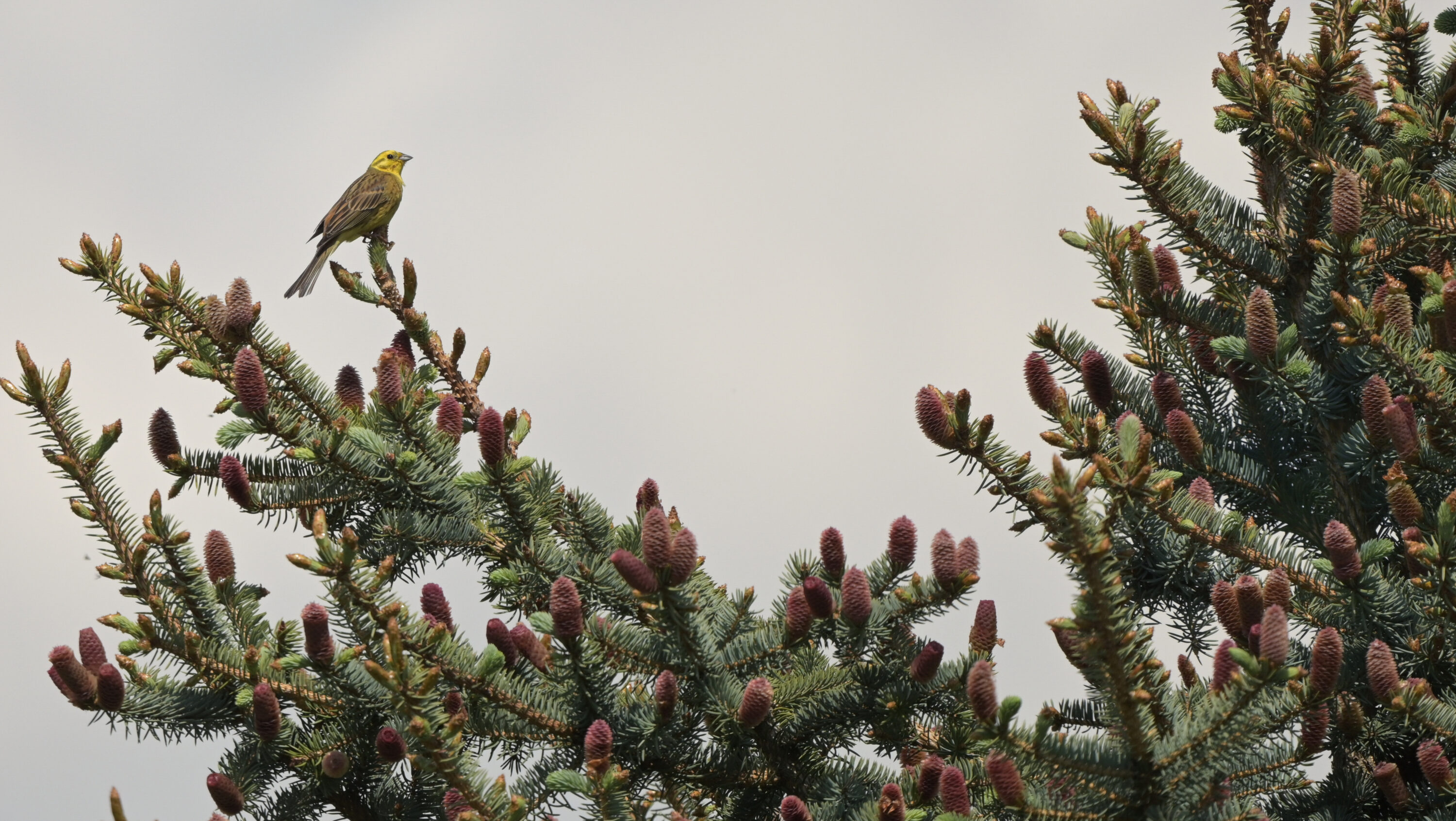
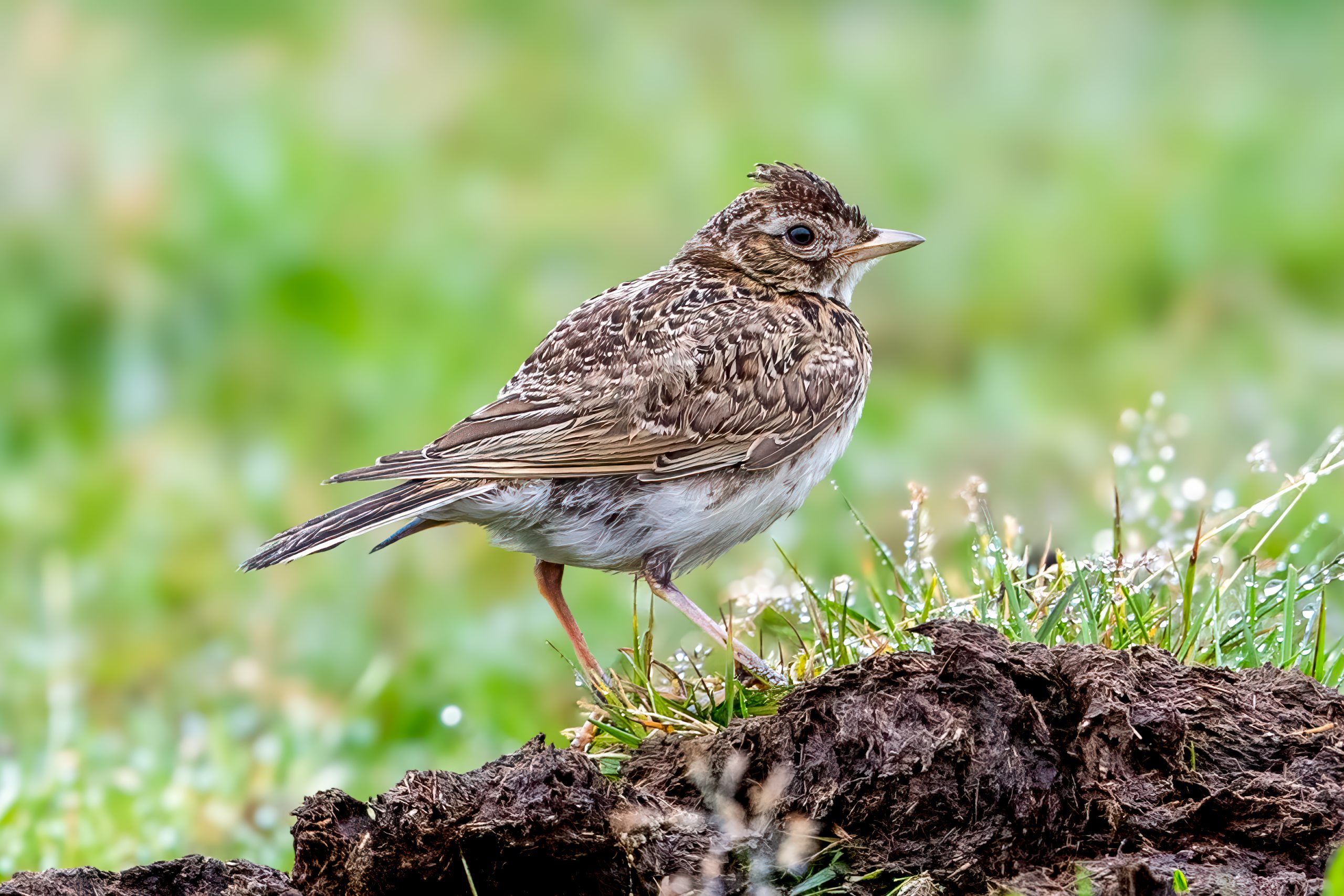
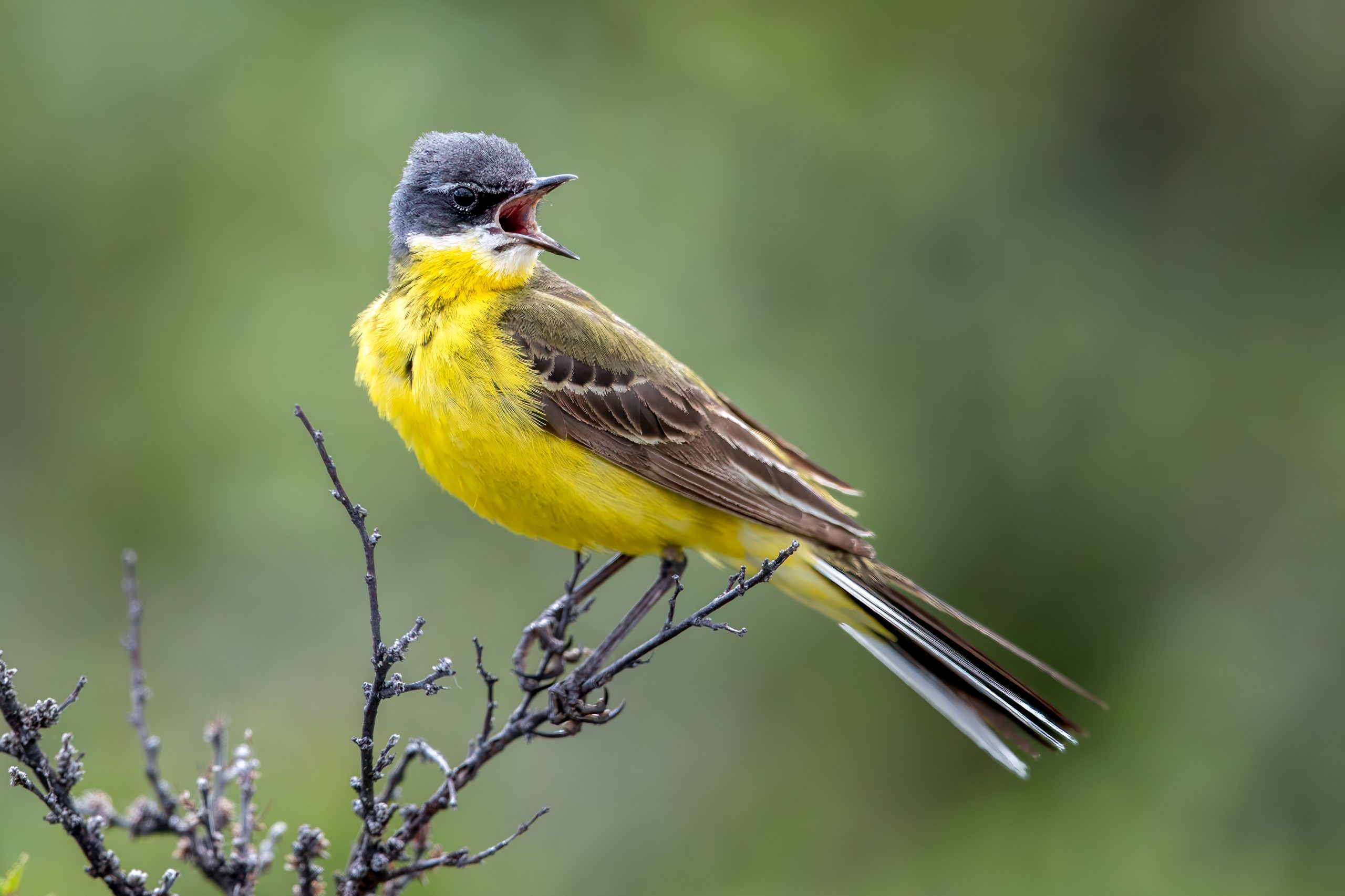
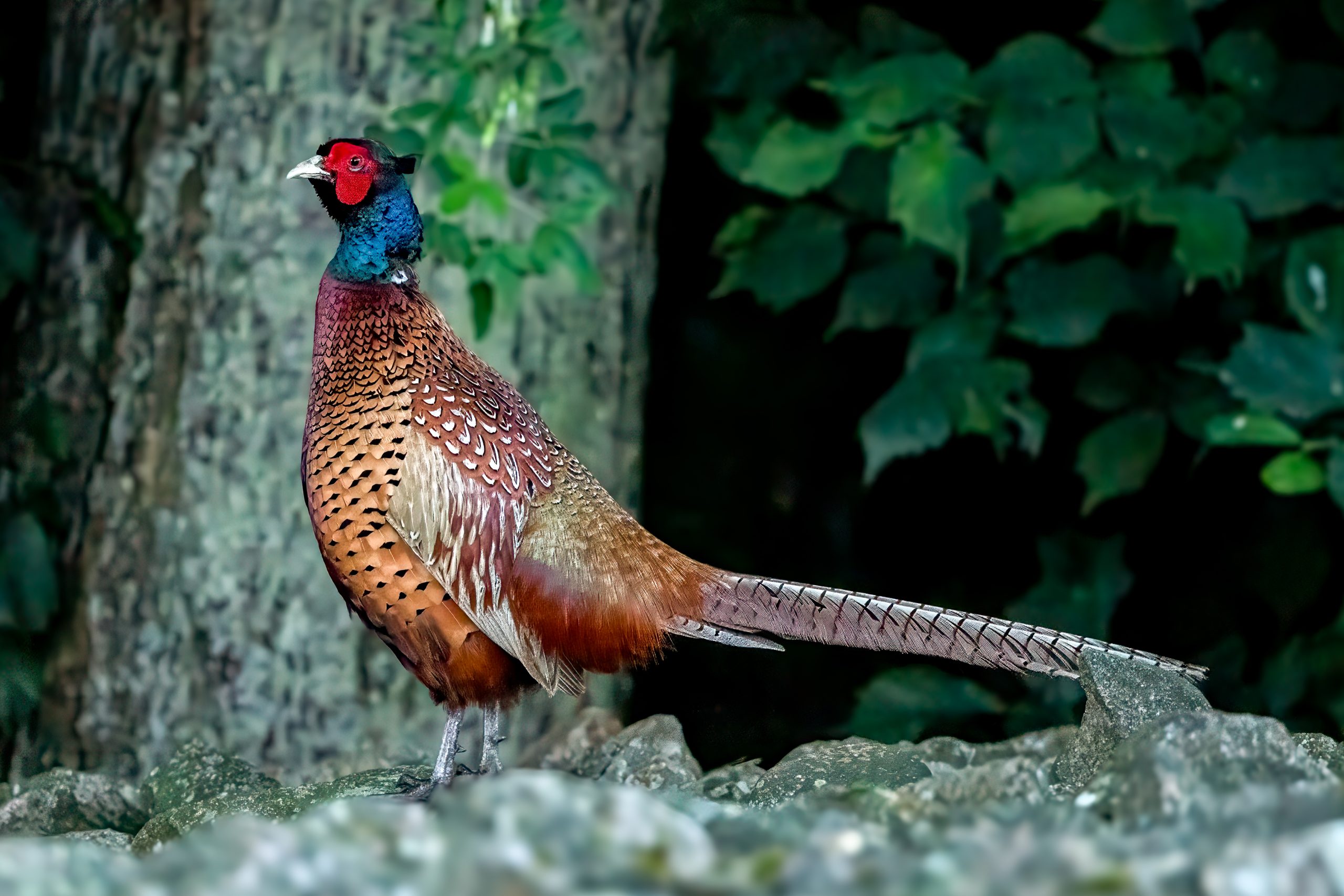
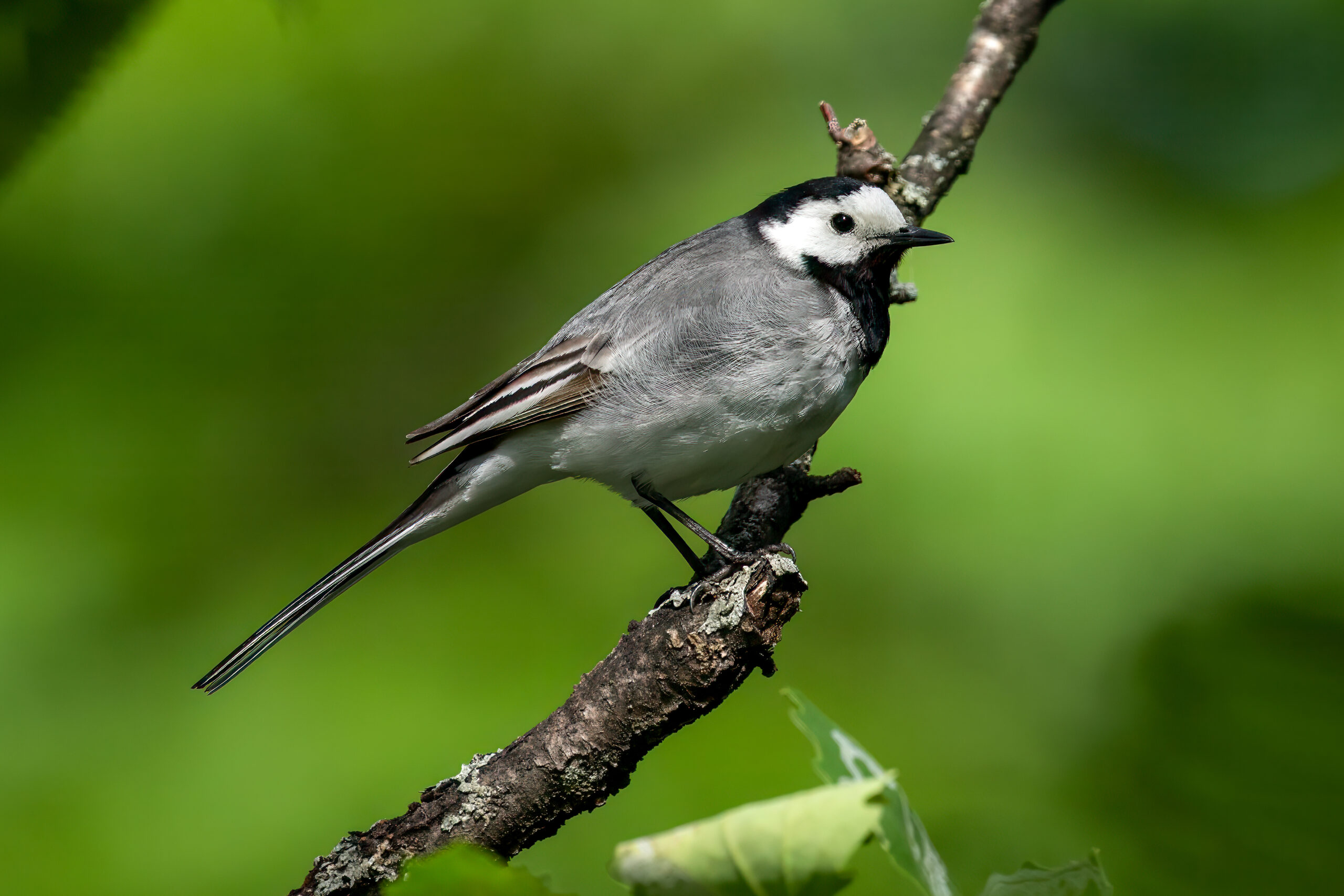
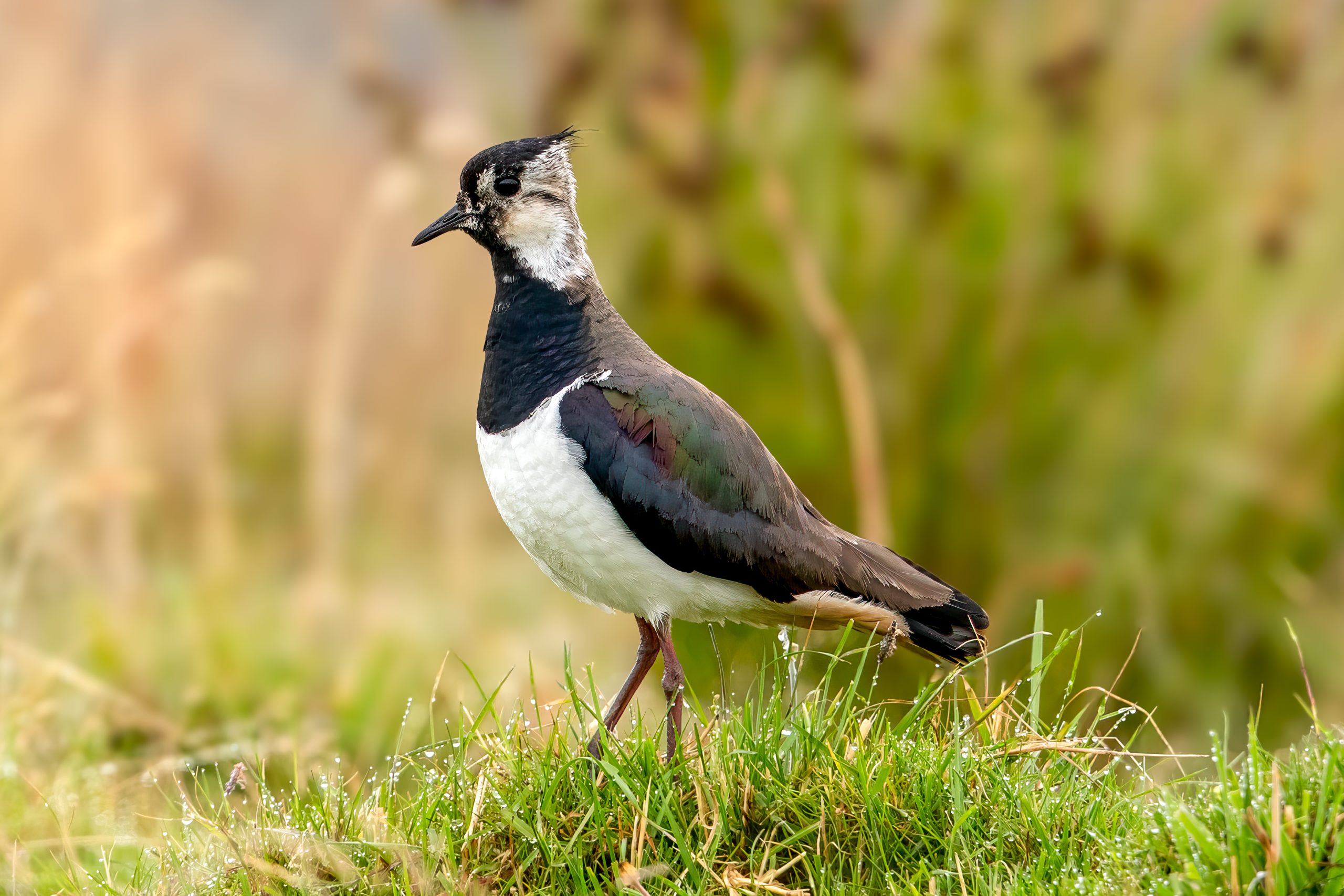
Several common farmland birds showed contrasting associations with maize. Eurasian skylark (Alauda arvensis), western yellow wagtail (Motacilla flava), common pheasant (Phasianus colchicus) and corn bunting (Emberiza calandra) were negatively associated with maize cultivation. White wagtail (Motacilla alba) and northern lapwing (Vanellus vanellus) showed positive associations. Eurasian skylark was the most abundant species in both maize and control plots.
Within the control plots, bird species richness increased with the number of crop types. The authors conclude that large-scale maize cultivation is associated with poorer breeding-bird communities than more diverse cropping systems and recommend limiting maize sowing, retaining a diversity of crops and maintaining environmental heterogeneity in farmland.
Ecology
Related news
Diversified Crop Patches Had More Bird Observations Than Conventional Fields in Germany
A three-year study in Brandenburg recorded 20.0 bird observations per hectare in a diversified patch-cropping field, compared with…
Read story →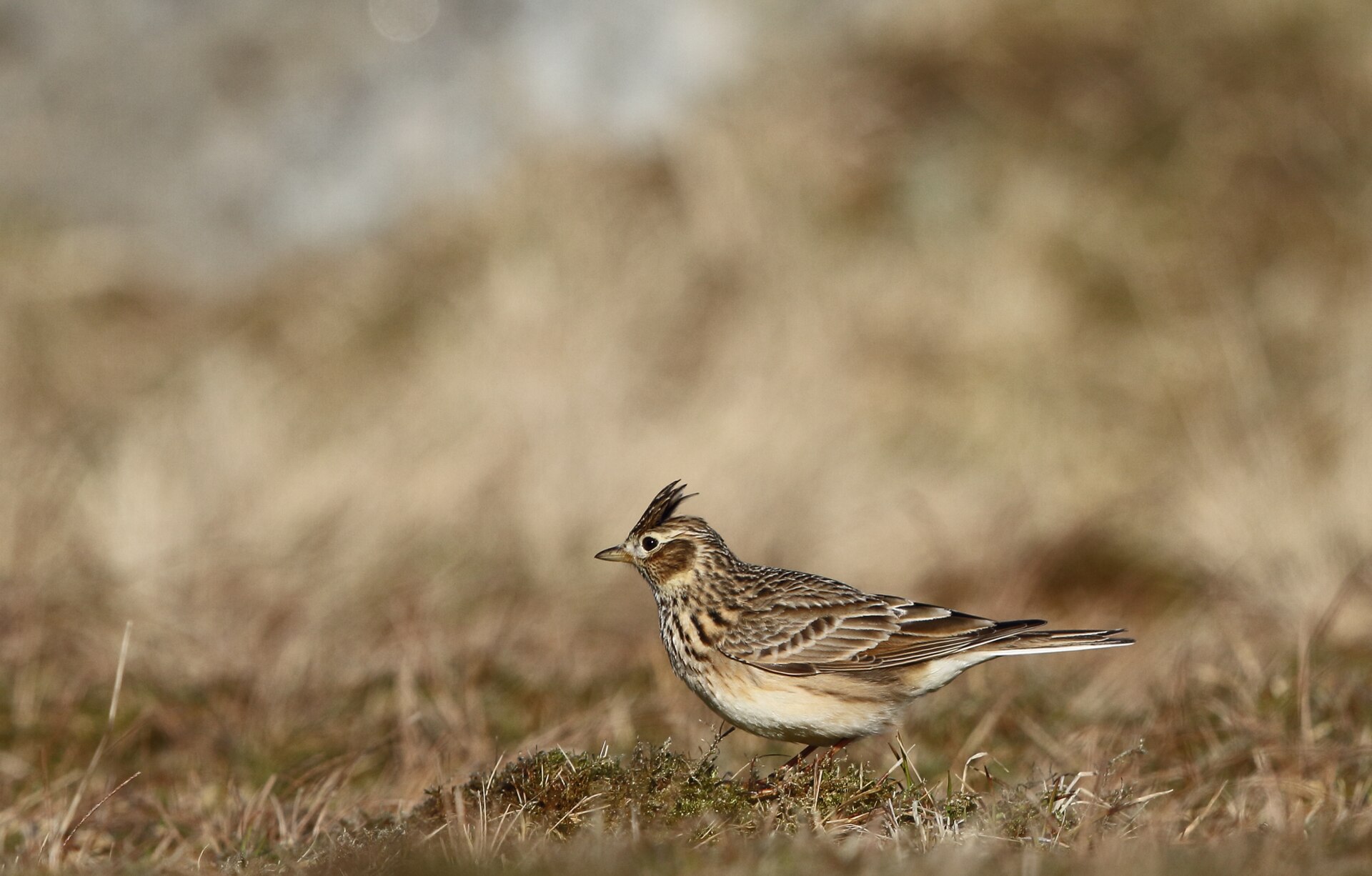
Satellite Data Found Bird-Rich Areas More Reliably Than Individual Species in Central Norway
Long-term counts from 89 routes in Trøndelag and Møre og Romsdal showed that satellite and climate data captured…
Read story →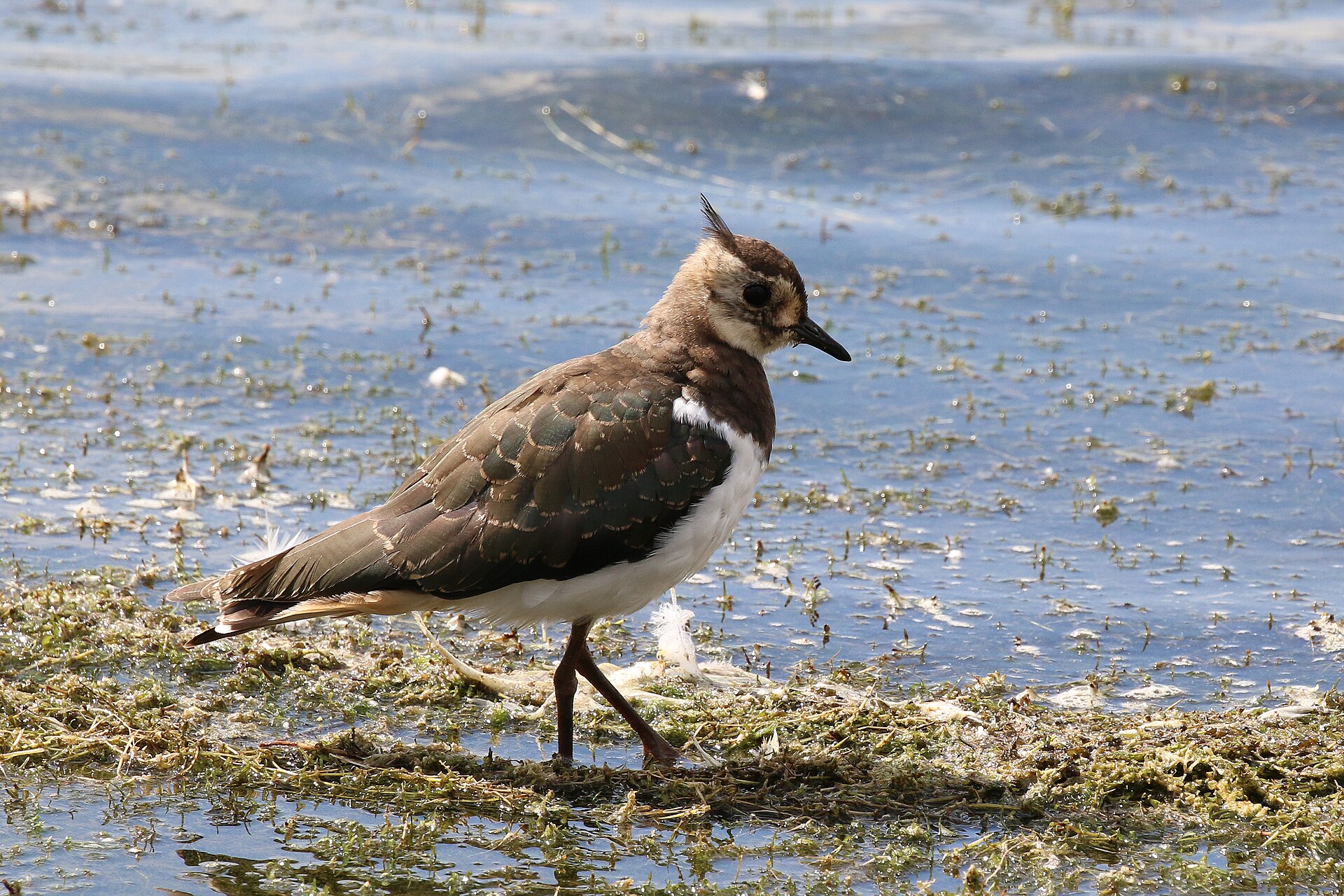
Lapwings Nest Later Further North in Britain, but Oystercatchers Start Earlier
Lapwings and oystercatchers follow different breeding calendars. British nest records show that fixed grazing and mowing dates can…
Read story →SPECIES IN THIS STORY
Species in this story
Independent research and conservation news archive
Did you find this information useful?
Wildlife Vagabond is independently built and maintained. Voluntary support helps cover source verification, hosting and continued work on research and conservation news.
Support Wildlife VagabondThe news archive will remain freely available.