
Ospreys Resumed Incubation 15 Minutes After Nest Relocation
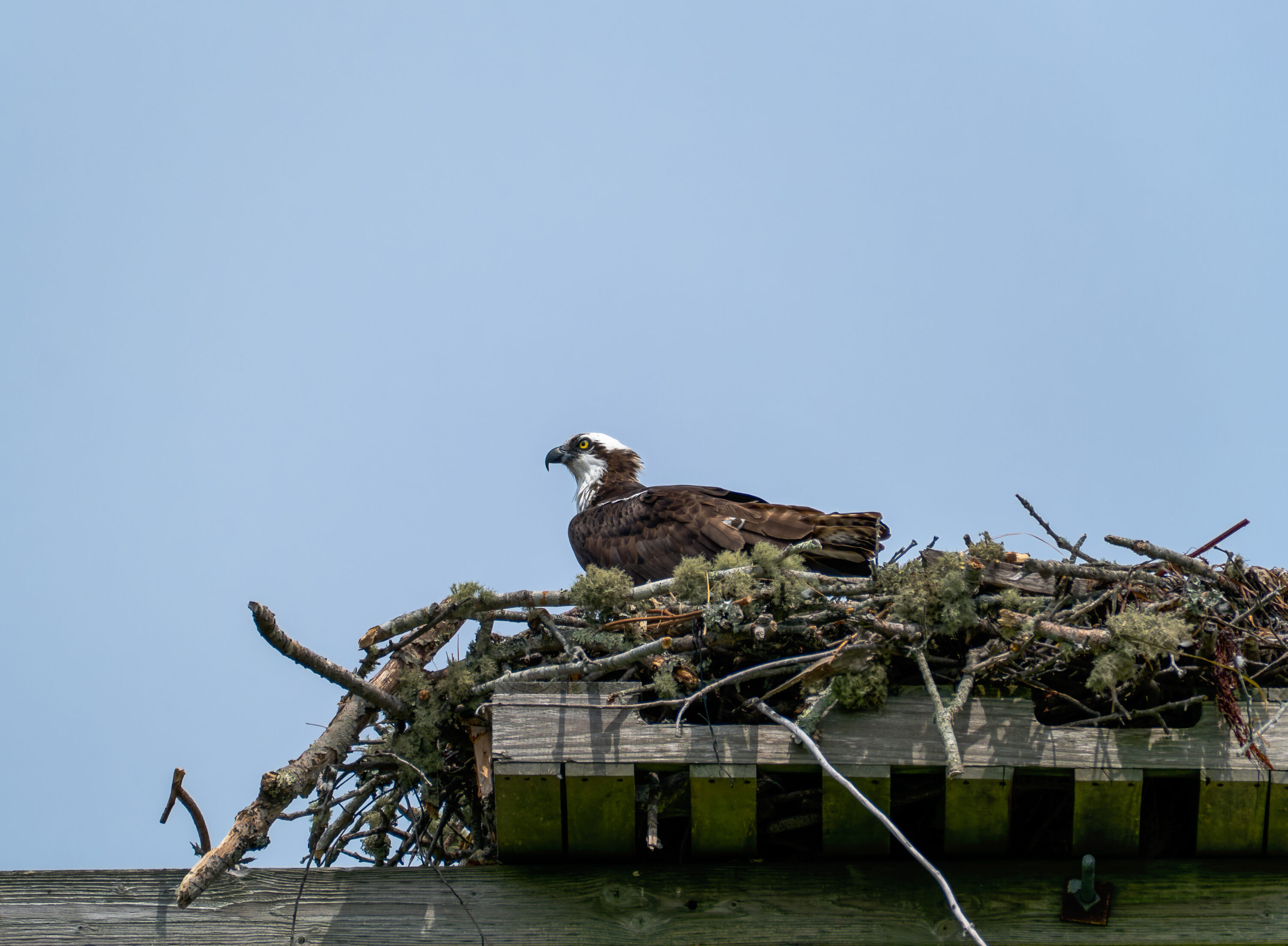
An osprey pair resumed incubation only 15 minutes after its active nest and three eggs were moved from an energised utility pole to a safer nesting platform on Petty’s Island in New Jersey, USA. The relocation was described in a PSE&G project account published on 29 May 2026.
The osprey (Pandion haliaetus) often nests on tall structures near water, but large stick nests on live electrical equipment can create risks for both birds and power infrastructure. NJ Natural Lands Trust asked PSE&G to help after the pair built on an energised pole. When crews inspected the nest, they found that the female had already laid three eggs.
Because the active nest contained eggs, the project required federal permission. USDA Wildlife Services coordinated the necessary handling, CITGO approved use of another pole on the island, and Conserve Wildlife Foundation of New Jersey supplied a dedicated nesting-platform kit.
During the move, the three eggs were temporarily placed in an incubator while the original nest was dismantled. The crew transferred as much of the pair’s own nesting material as possible to the new platform before the eggs were returned.
The adults returned quickly and were back incubating within 15 minutes after the rebuilt nest was completed. The operation therefore removed the immediate electrical hazard without interrupting incubation for long. The project account did not report the later fate of the eggs or whether young eventually fledged, so the rapid return documents the immediate success of the relocation rather than the final breeding outcome.
PSE&G places the case within New Jersey’s wider osprey recovery, from fewer than 50 nesting pairs in the 1970s to more than 800 pairs. As the population has recovered, dedicated platforms have become one way to reduce conflicts when birds choose utility structures for nesting.
Management
Related news
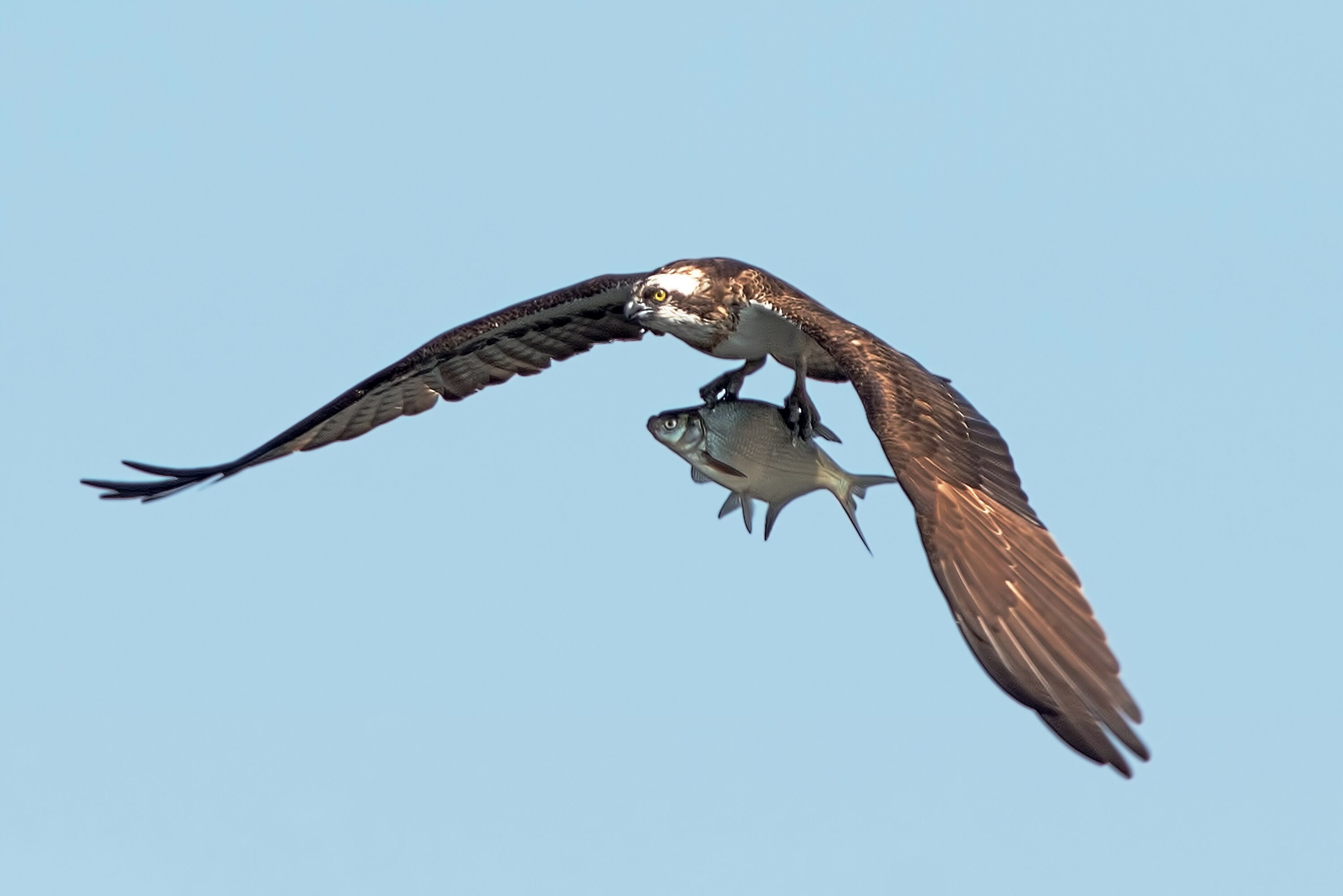
VKM: Exporting Up to 26 Osprey Young to Ireland Would Not Harm Conservation Status in Norway
VKM concluded that exporting up to 26 wild young ospreys from two Norwegian donor areas to Ireland would…
Read story →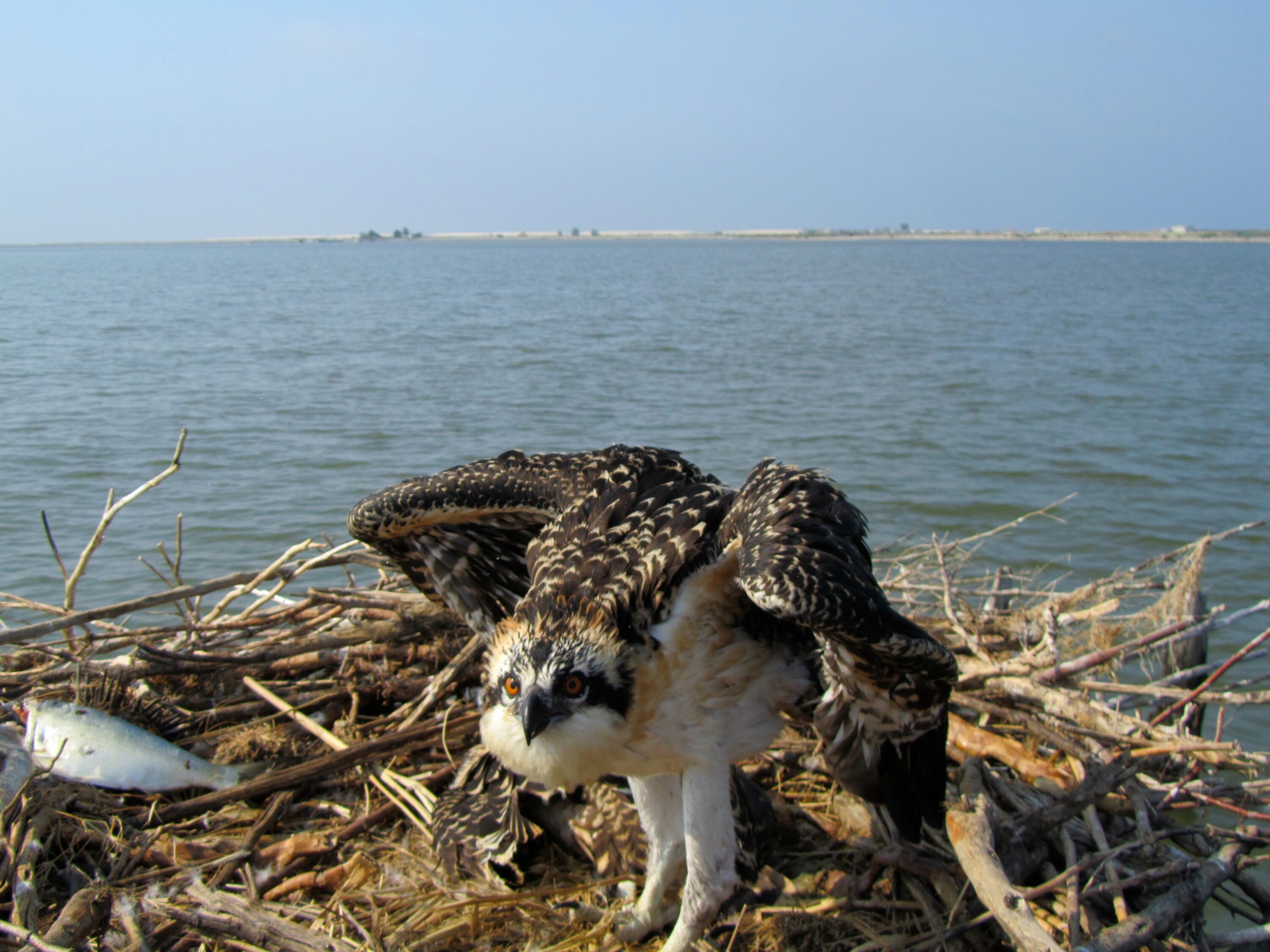
24 Osprey Chicks Fledged From 12 Rutland Nests
Rutland Osprey Project reported 24 chicks fledged from 12 nests in 2026. The season produced 14 chicks assessed…
Read story →
Ospreys Raised Three Chicks in Switzerland’s First Breeding in 112 Years
A male released by the Swiss reintroduction project and an unringed female of unknown origin raised three chicks…
Read story →SPECIES IN THIS STORY
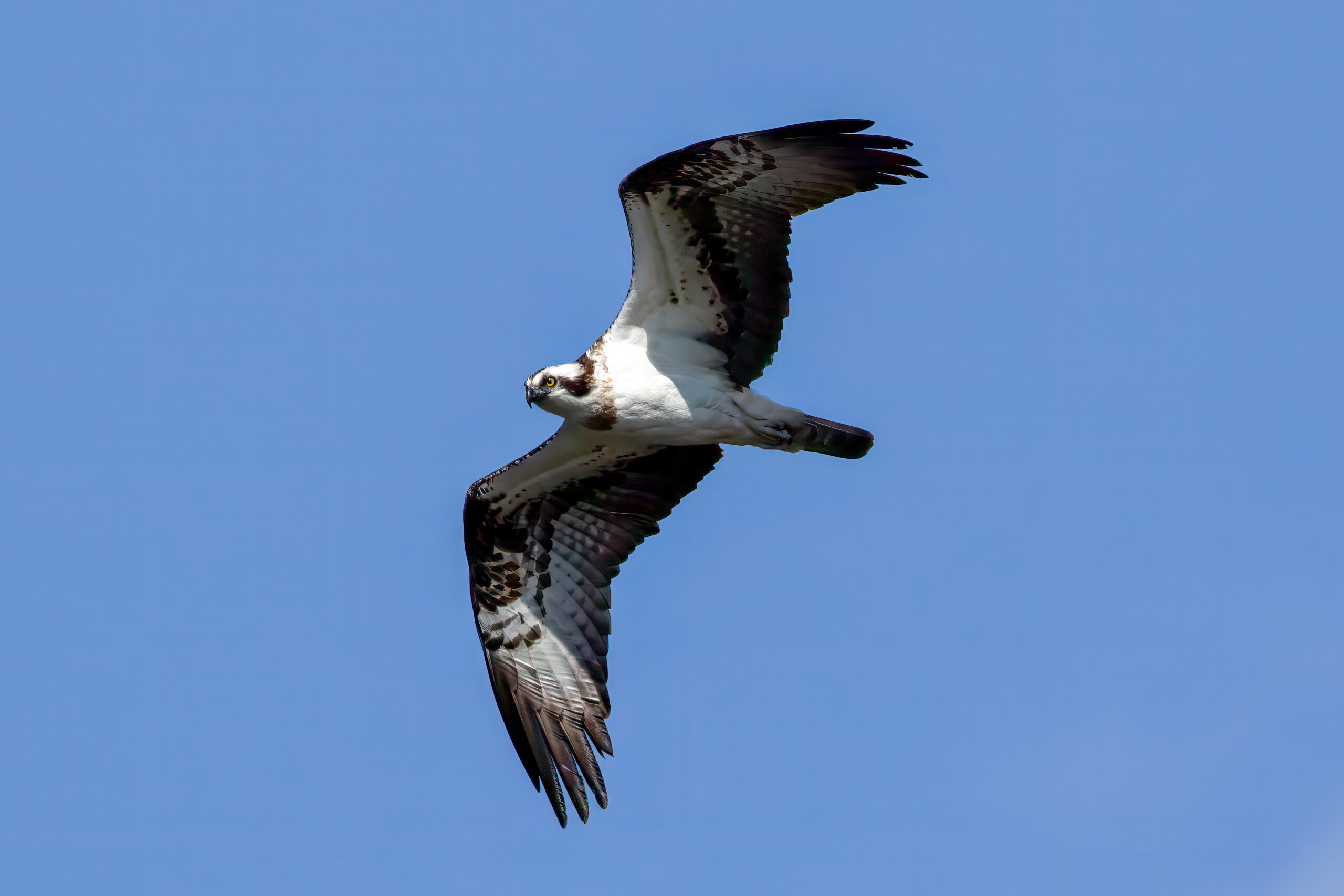
Species in this story
Independent research and conservation news archive
Did you find this information useful?
Wildlife Vagabond is independently built and maintained. Voluntary support helps cover source verification, hosting and continued work on research and conservation news.
Support Wildlife VagabondThe news archive will remain freely available.