
Photos Confirm One Painted Stork Returned to the Same Nesting Area for Four Breeding Seasons
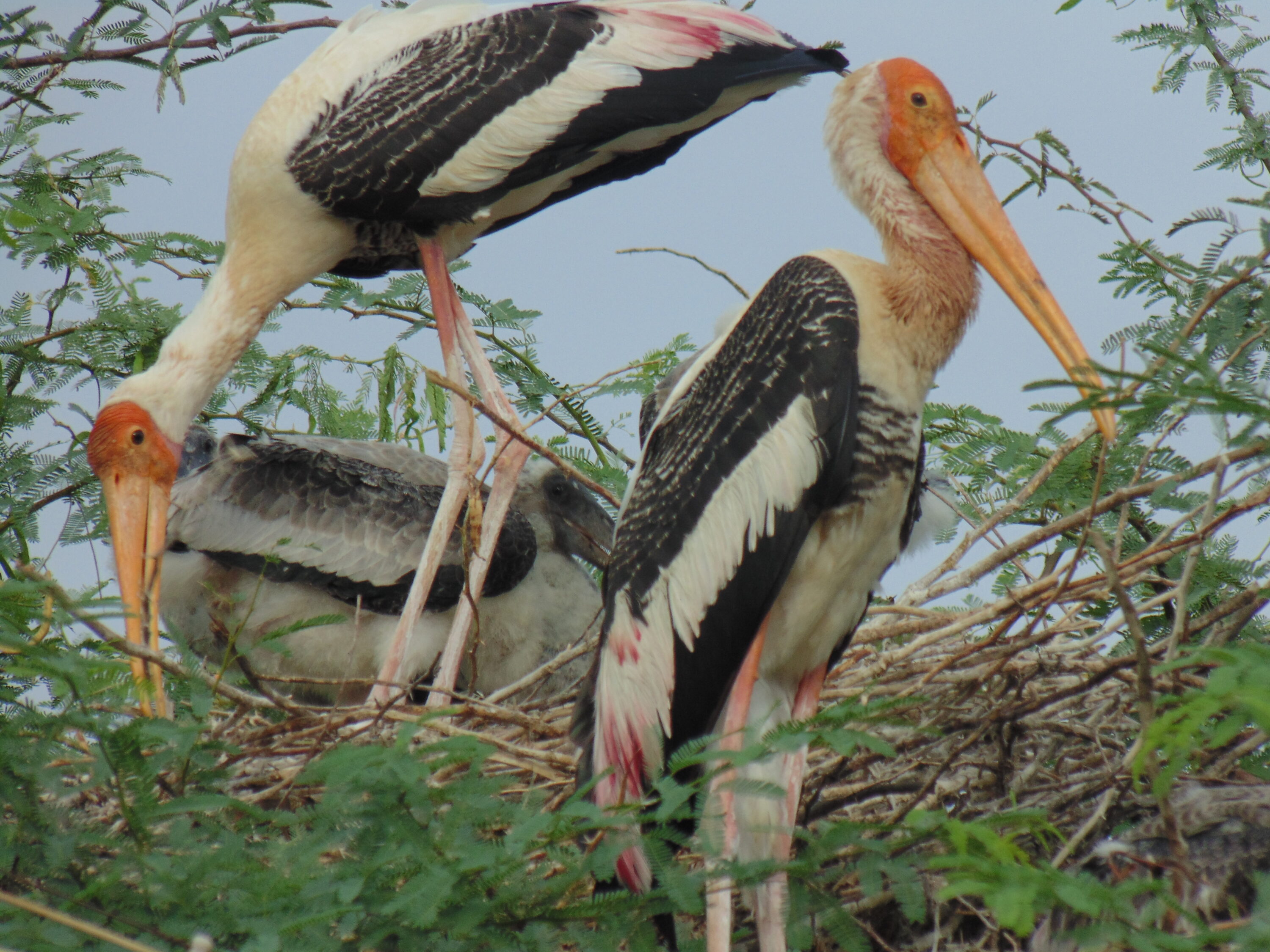
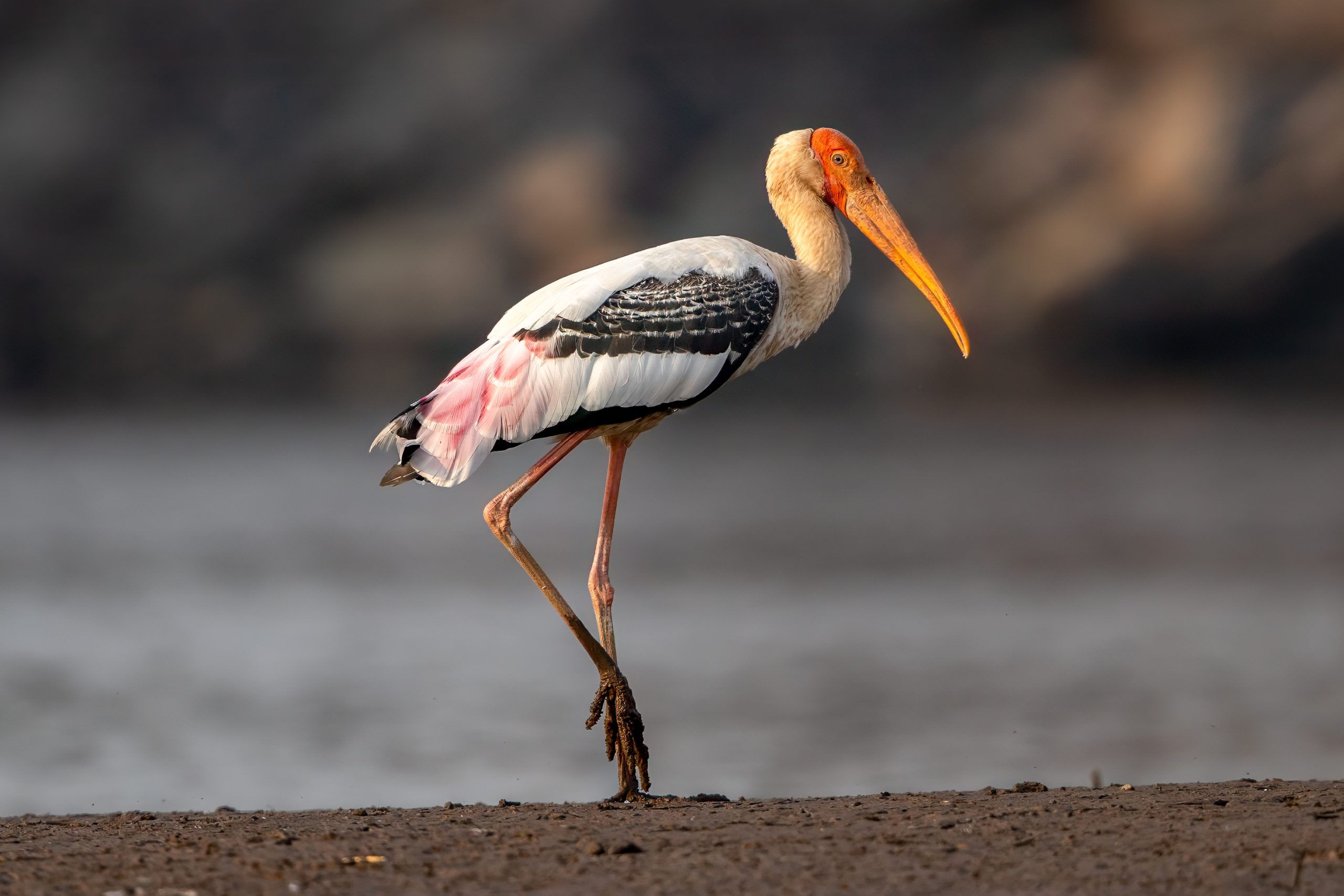
A male painted stork (Mycteria leucocephala) with a distinctive throat scar was confirmed as the same individual after being photographed at the same nesting colony in Delhi, India, during four consecutive breeding seasons from 2022 to 2025. The study used the bird’s natural markings and image analysis to test whether the repeated sightings really represented one bird returning to the site.
The researchers nicknamed the bird “Ringo” and compared high-resolution photographs using image-based morphometrics, scale-invariant feature transform (SIFT) and deep transfer learning. SIFT identifies visual features that can be matched across photographs even when scale or viewing angle changes, while transfer learning adapts an image-recognition model that has already learned general visual patterns to a new identification task. The classifier distinguished Ringo’s left side, right side and other painted storks with about 99% accuracy. Wing-feather colour patterns were among the features that contributed strongly to the classification.
The same bird returned to the same colony each year
Ringo was recorded in each year within the same colony on the merged canopy of mesquite trees in pond 1 at Delhi Zoo. The bird did not occupy precisely the same point on the nesting substrate every year, but its repeated return to the same colony and canopy supported the authors’ conclusion that it showed a degree of nest-site fidelity.
Photography offered a non-invasive tracking method
The researchers highlight the method as a non-invasive way to follow individual colonial waterbirds without capturing, ringing or tagging them. Reliable recognition of naturally marked individuals can make it possible to study questions such as site fidelity and long-term individual histories from repeated photographs.
Behaviour
Related news
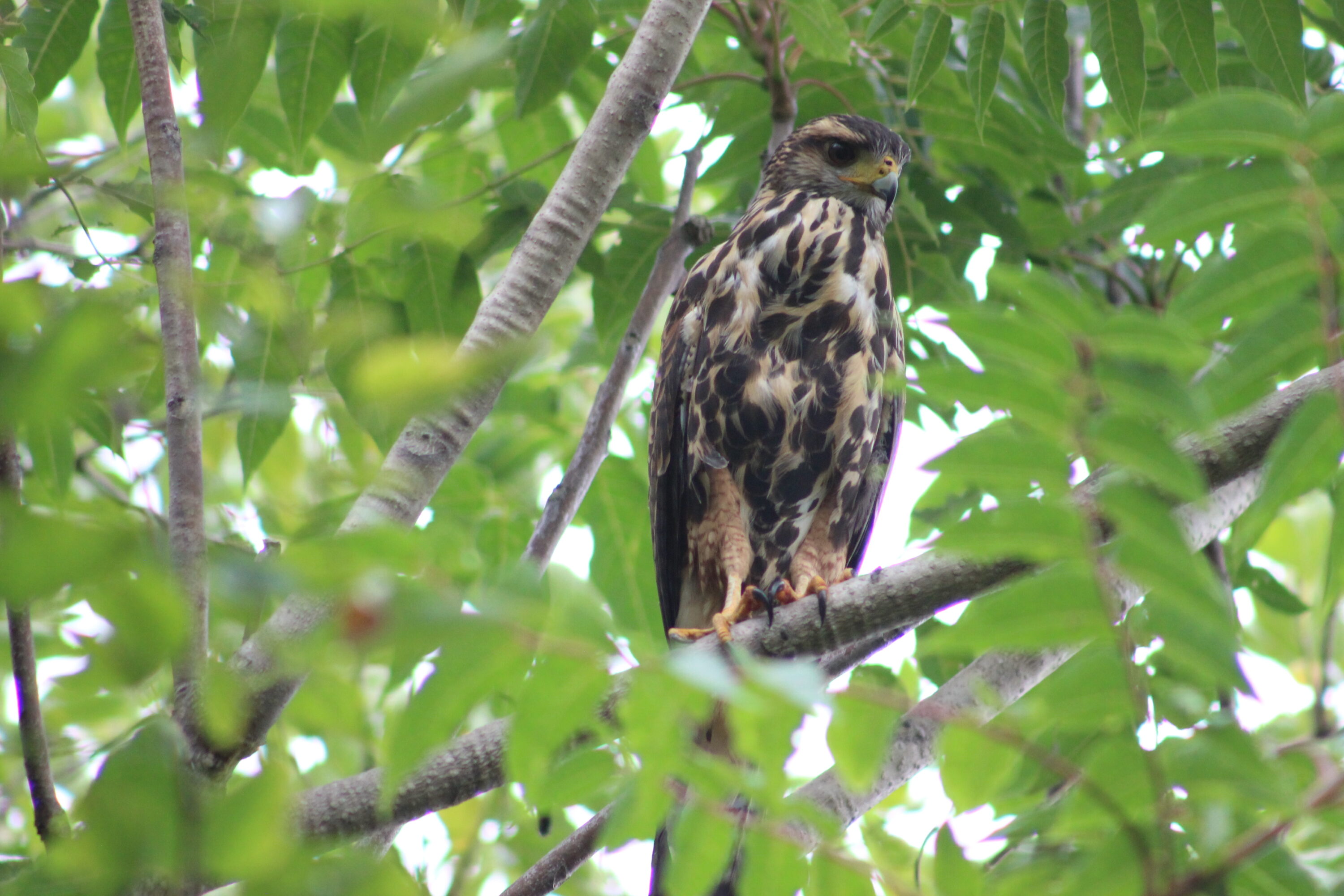
Juvenile Harris's Hawks Manipulated Pine Cones for About Five Minutes
Two juvenile Harris's hawks in Buenos Aires Province tore pine cones from trees, carried them to new perches…
Read story →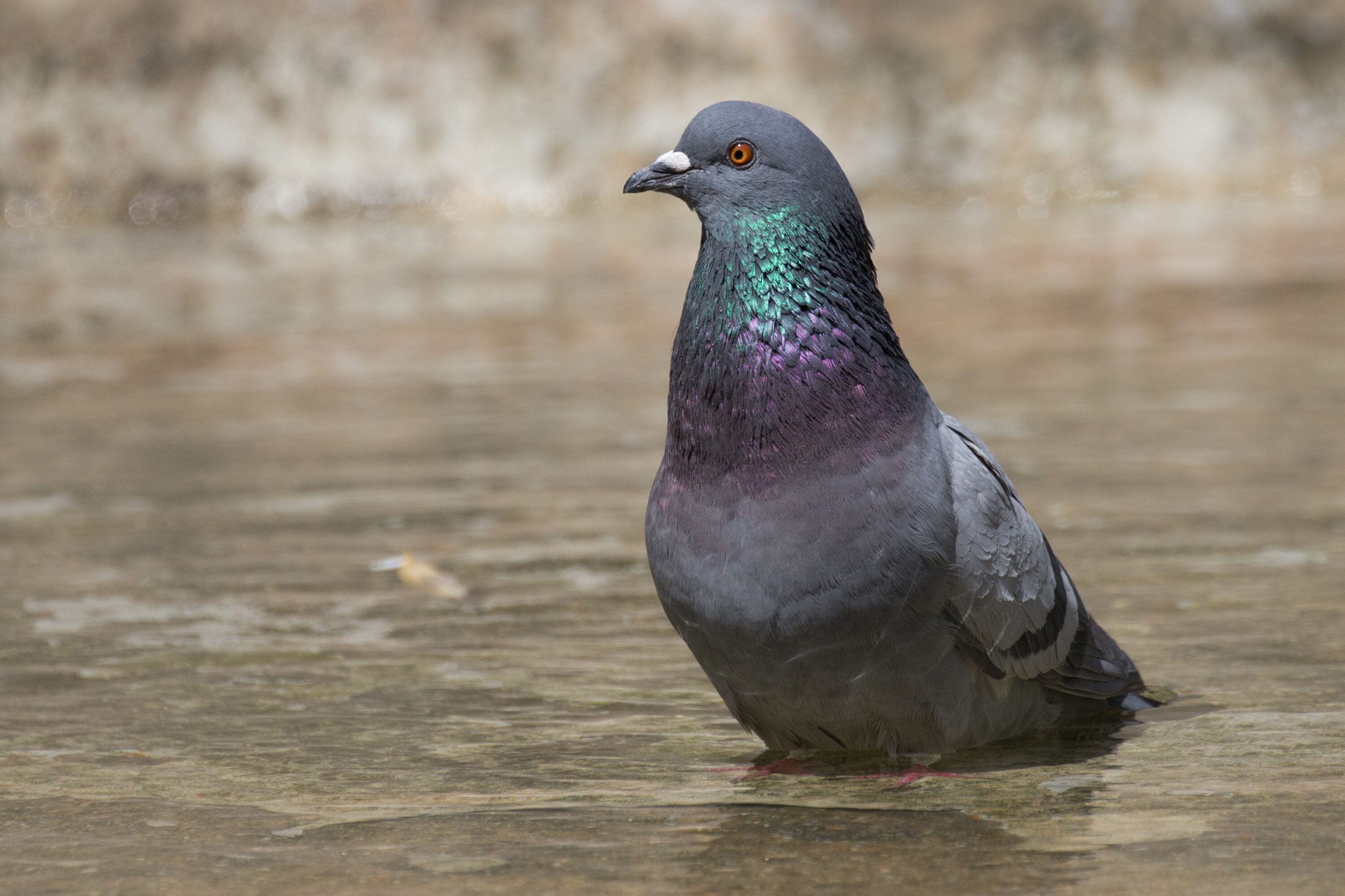
Rock Doves Preferred Predictive Information Despite a Lower Food Payoff
Seven rock doves preferred an informative option that paid on 20% of trials over a non-informative option that…
Read story →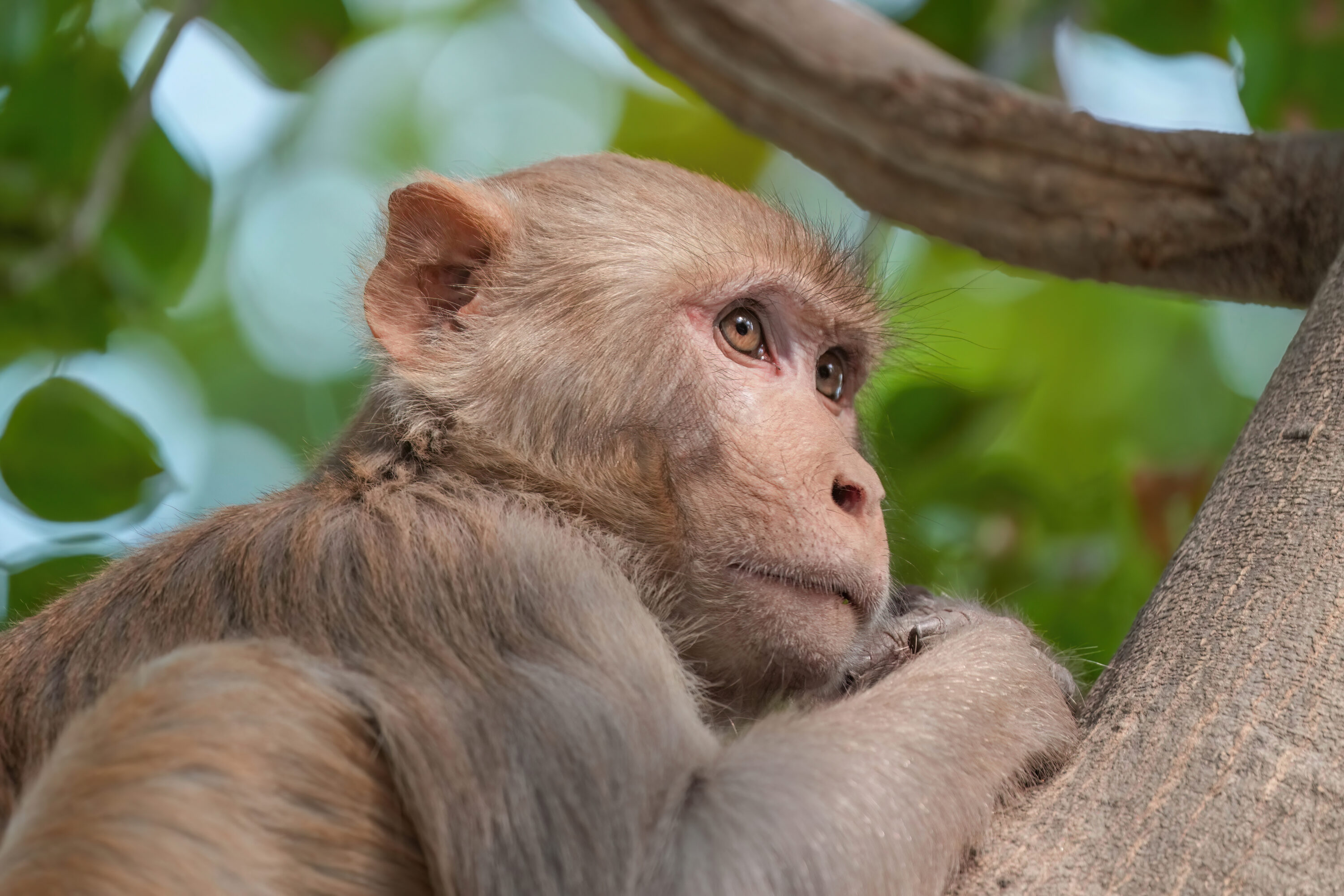
Task Uncertainty Increased Interference From Irrelevant Visual Information in Rhesus Macaque Decisions
Two rhesus macaques made less accurate visual decisions under task uncertainty; recordings and microstimulation in primary visual cortex…
Read story →SPECIES IN THIS STORY
Species in this story
Independent research and conservation news archive
Did you find this information useful?
Wildlife Vagabond is independently built and maintained. Voluntary support helps cover source verification, hosting and continued work on research and conservation news.
Support Wildlife VagabondThe news archive will remain freely available.