
Porcine Teschovirus Seroprevalence Reached 38% in French Wild Boar
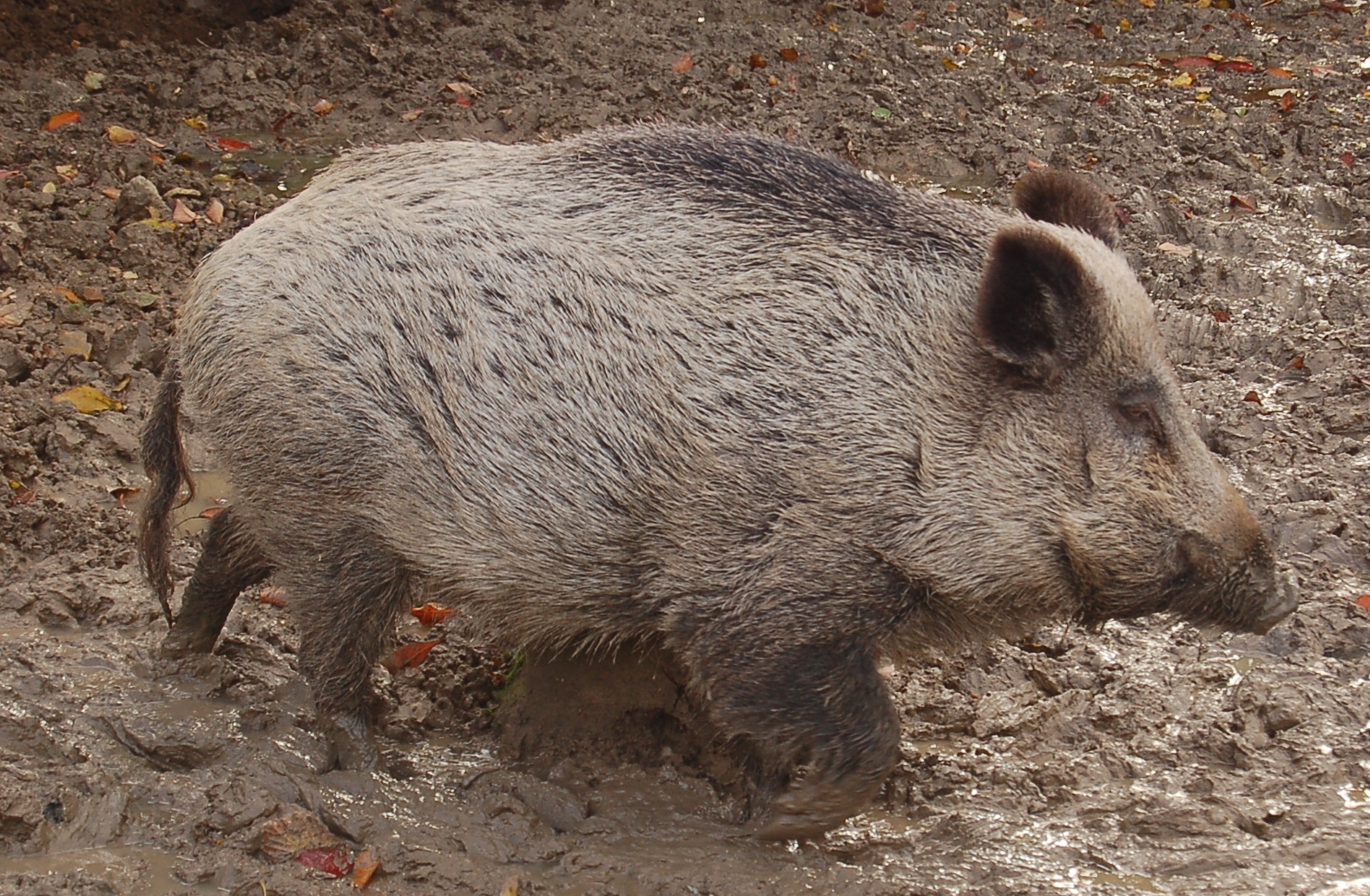
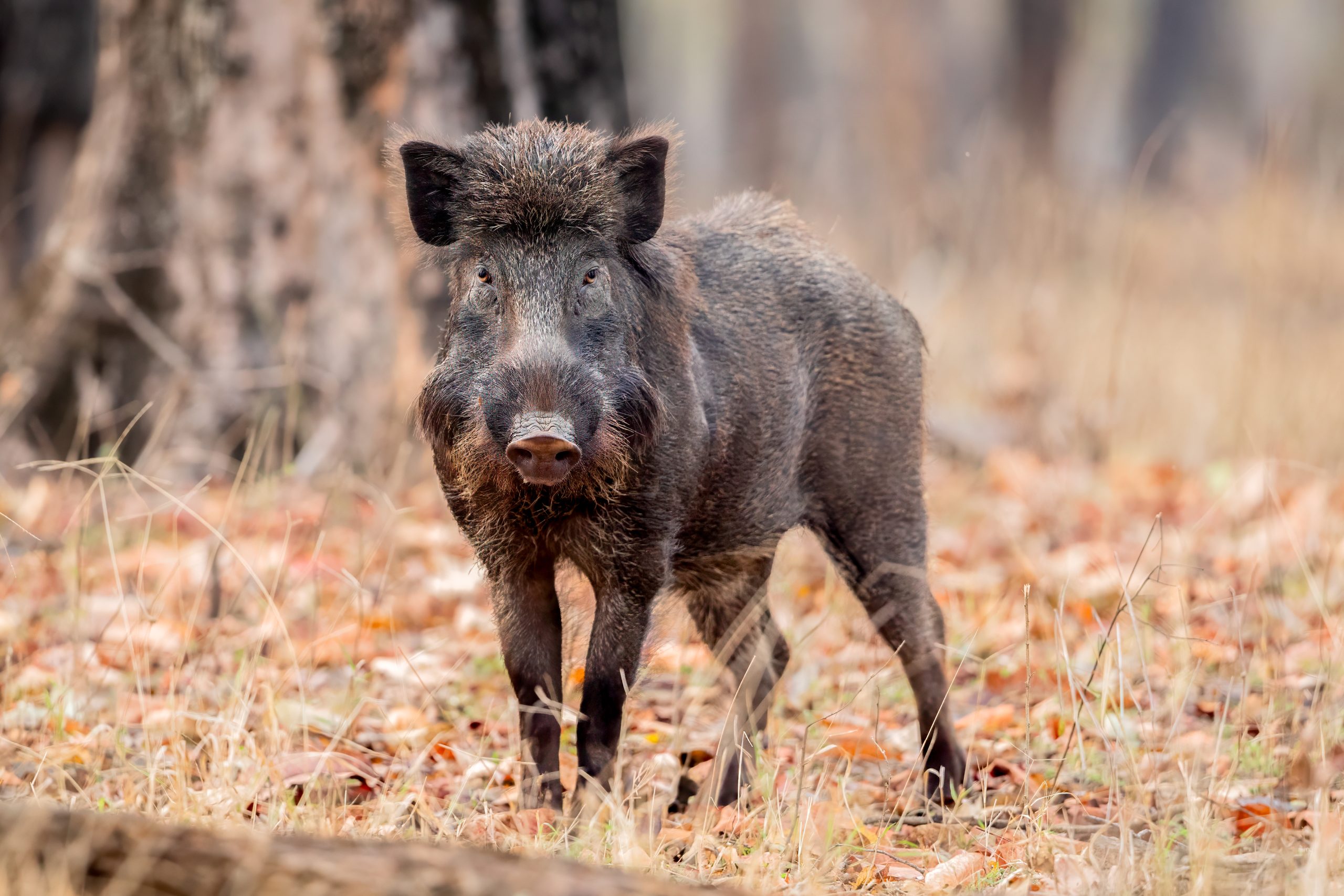
A study of wild boar (Sus scrofa) in France found antibodies showing that many animals had previously been exposed to porcine teschovirus in two populations. This seroprevalence — the proportion carrying detectable antibodies — reached 38%, and sequencing of virus-positive samples indicated the presence of a previously undescribed teschovirus genotype.
Porcine teschoviruses are enteric viruses of suids, meaning they are primarily associated with the intestinal tract. They commonly occur without obvious disease in domestic pigs, although some strains can cause neurological disease. In France, the virus had not previously been documented in wild boar until serological evidence emerged from hunted animals in Drôme and Marne in 2019 and 2020.
The researchers therefore combined antibody testing with virological analyses and genetic comparisons among the virus lineages. The high antibody prevalence suggested endemic circulation in the sampled wild-boar populations — that the virus was being maintained locally rather than appearing only as isolated infections. Genetic sequencing placed the PCR-positive viruses apart from previously characterized genotypes and supported the interpretation that a novel genotype was present.
Virus exposure was not shown to cause the observed disorders
Some of the sampled wild boar had neurological or reproductive disorders, but the authors did not establish that the newly detected virus caused those signs. They identify the pathogenicity of the strain and the possible epidemiological links between wild boar and domestic pigs as questions requiring further investigation.
Disease, parasites & microbiology
Related news
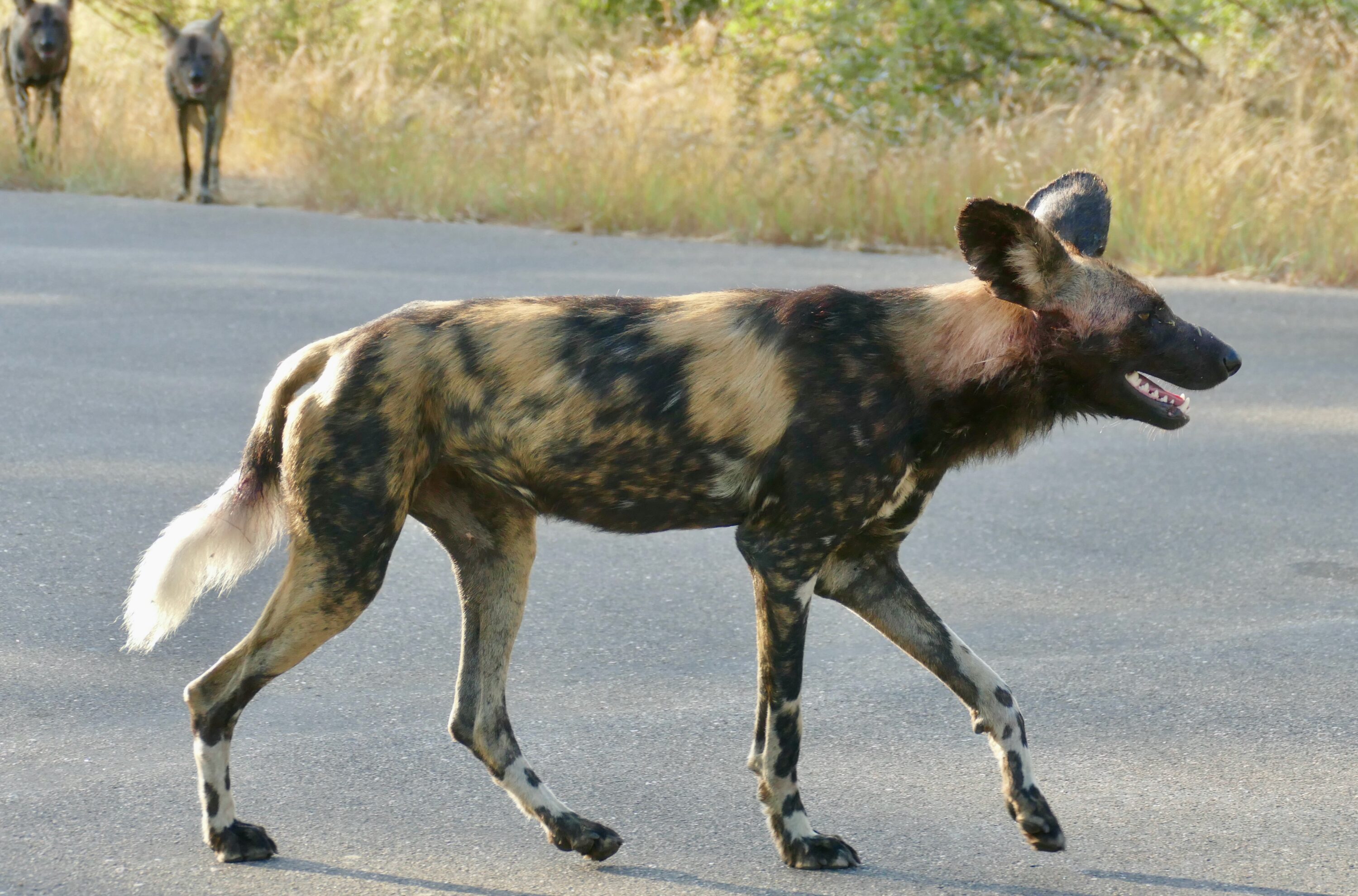
Gut Microbiomes Across Nine Kruger Mammals Clustered More Strongly by Dietary Group Than Species
A study of 89 quality-filtered faecal samples from nine wild mammals in Kruger National Park found that carnivores,…
Read story →
Nearly Three-quarters of Migrating Redwings Carried Ticks During Two Mild Belgian Autumns
Ticks were found on 72.9% of 284 redwings sampled during late-autumn migration in Belgium; 12.9% of 698 screened…
Read story →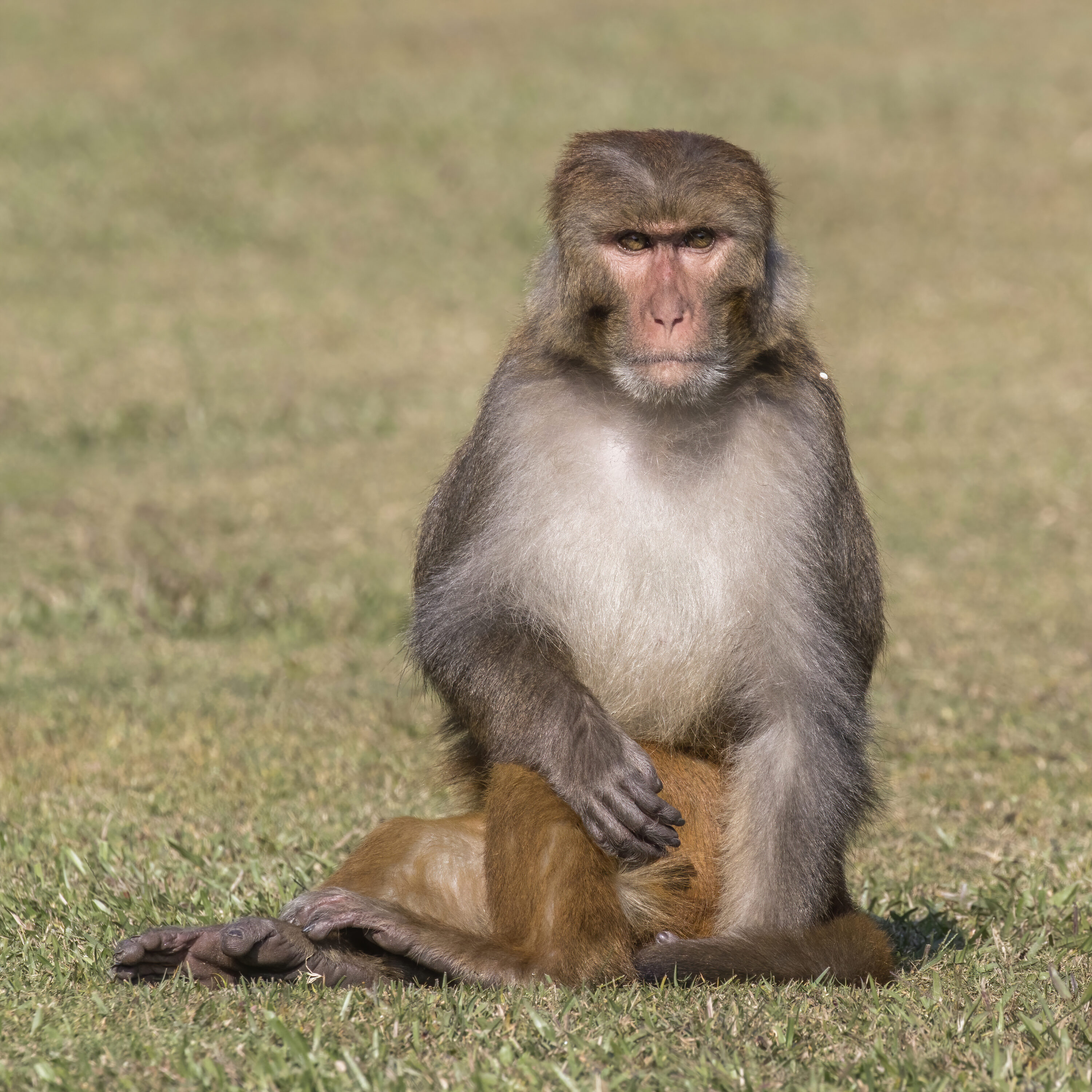
mFISH Mapped 16 of 22 Rhesus Macaque Chromosome Types to a Single Human Chromosome
Human chromosome-painting probes showed one-to-one homology for 16 of 22 rhesus macaque chromosome types, while three macaque chromosomes…
Read story →SPECIES IN THIS STORY
Species in this story
Independent research and conservation news archive
Did you find this information useful?
Wildlife Vagabond is independently built and maintained. Voluntary support helps cover source verification, hosting and continued work on research and conservation news.
Support Wildlife VagabondThe news archive will remain freely available.