
Rare Black-crowned Night Heron Recorded for Three Days at Restored Holnicote Wetlands
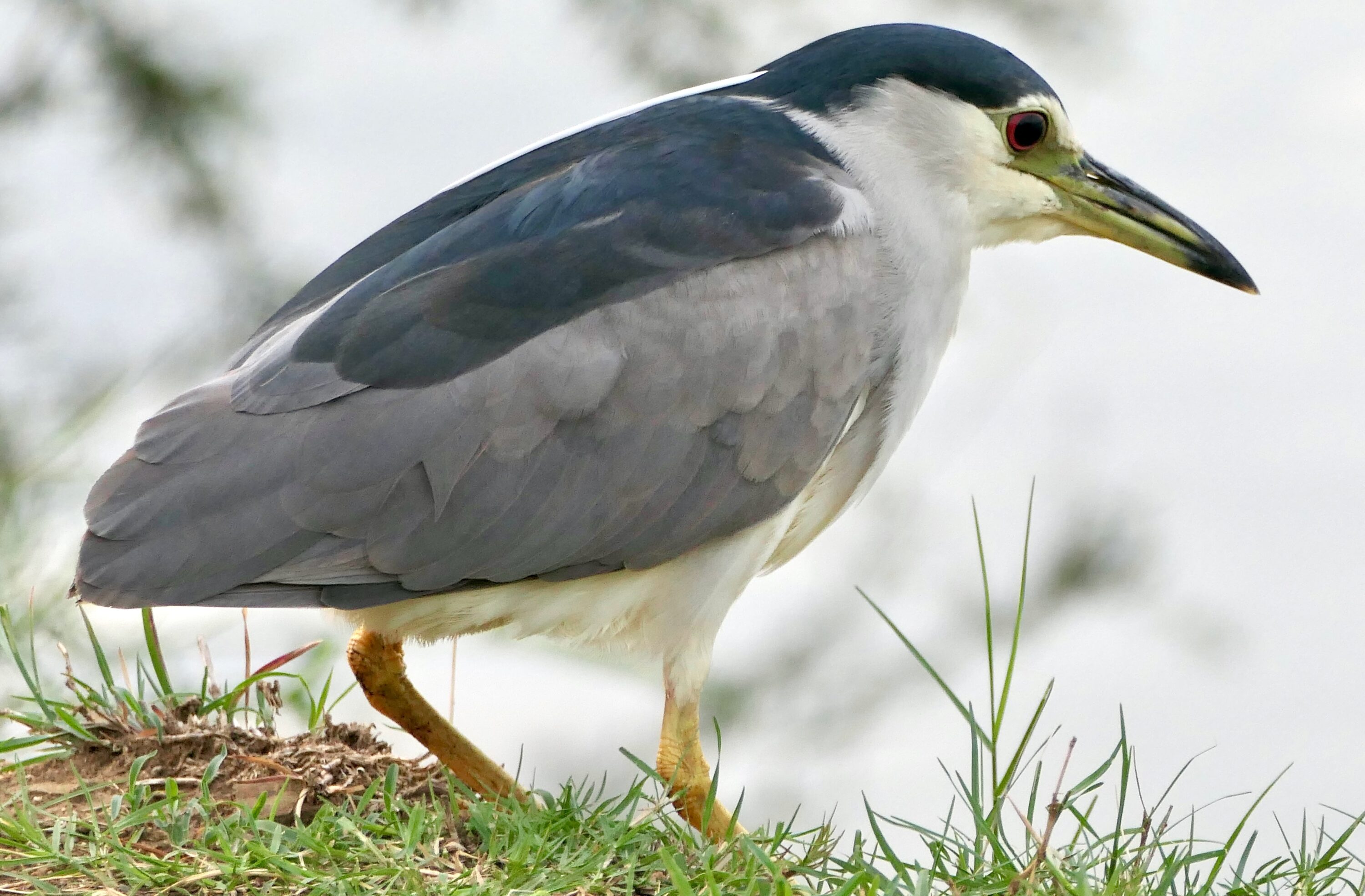
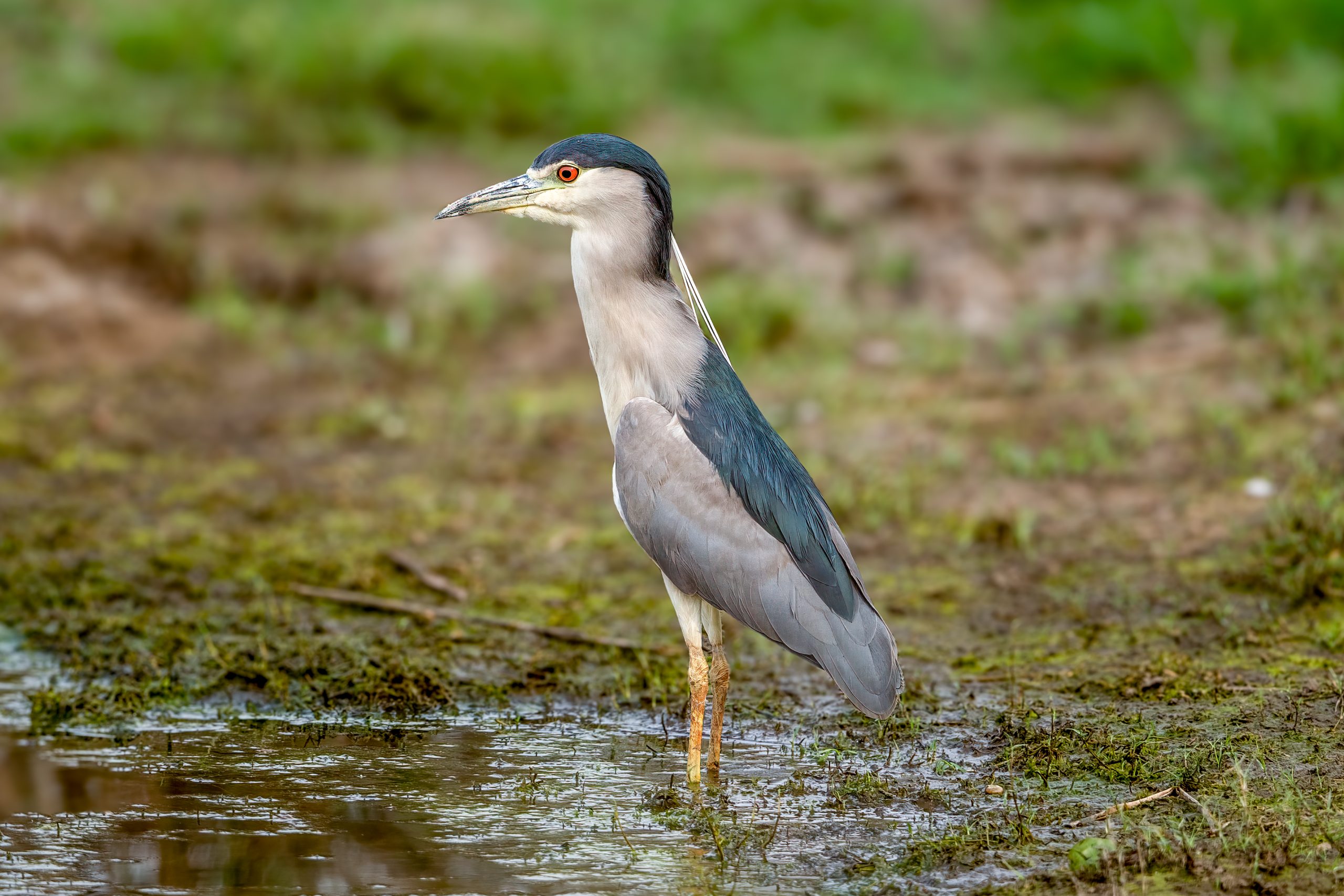
A black-crowned night heron (Nycticorax nycticorax) was recorded by cameras at the National Trust’s Holnicote Estate in Somerset on three consecutive days. The species is a scarce visitor to the United Kingdom and is reported too rarely for the British Trust for Ornithology to map its national distribution. A three-day record of one bird shows use of the site, but it does not demonstrate breeding or establishment of a local population.
Restoration provides the setting, not proof of why the bird arrived
The sighting came as Holnicote continues to create and restore freshwater habitats. The estate is developing a mosaic of wetlands, including habitats modified by Eurasian beavers as they reshape water flow and create ponds and other wet areas.
The National Trust says these freshwater habitats support water voles, otters, pine martens, fish and a range of birds, with white-tailed eagles also recorded around the wetlands. It says the night heron sighting raises hopes that the restored habitats are providing suitable refuge for wetland species.
The record is notable against the wider loss of wetland habitat in Britain. According to the National Trust, more than 97% of the United Kingdom’s wetlands have been lost through drainage and changes in land management. Its restoration team says creating and renewing wetlands can support wildlife while improving water quality, reducing flood risk and making landscapes more resilient.
The record is notable, but remains a single rare visit
Black-crowned night herons are mainly active at night, which makes them difficult to observe. The remote cameras at Holnicote nevertheless recorded this bird on three consecutive days. Britain’s first confirmed breeding record of the species was also made in Somerset, in 2017.
The Wildfowl & Wetlands Trust has identified black-crowned night heron as one of the birds that could become an established British breeder as ranges expand with climate change. Holnicote staff say continued wetland creation and beaver activity could bring more wetland specialists to the estate.
Restoration
Related news
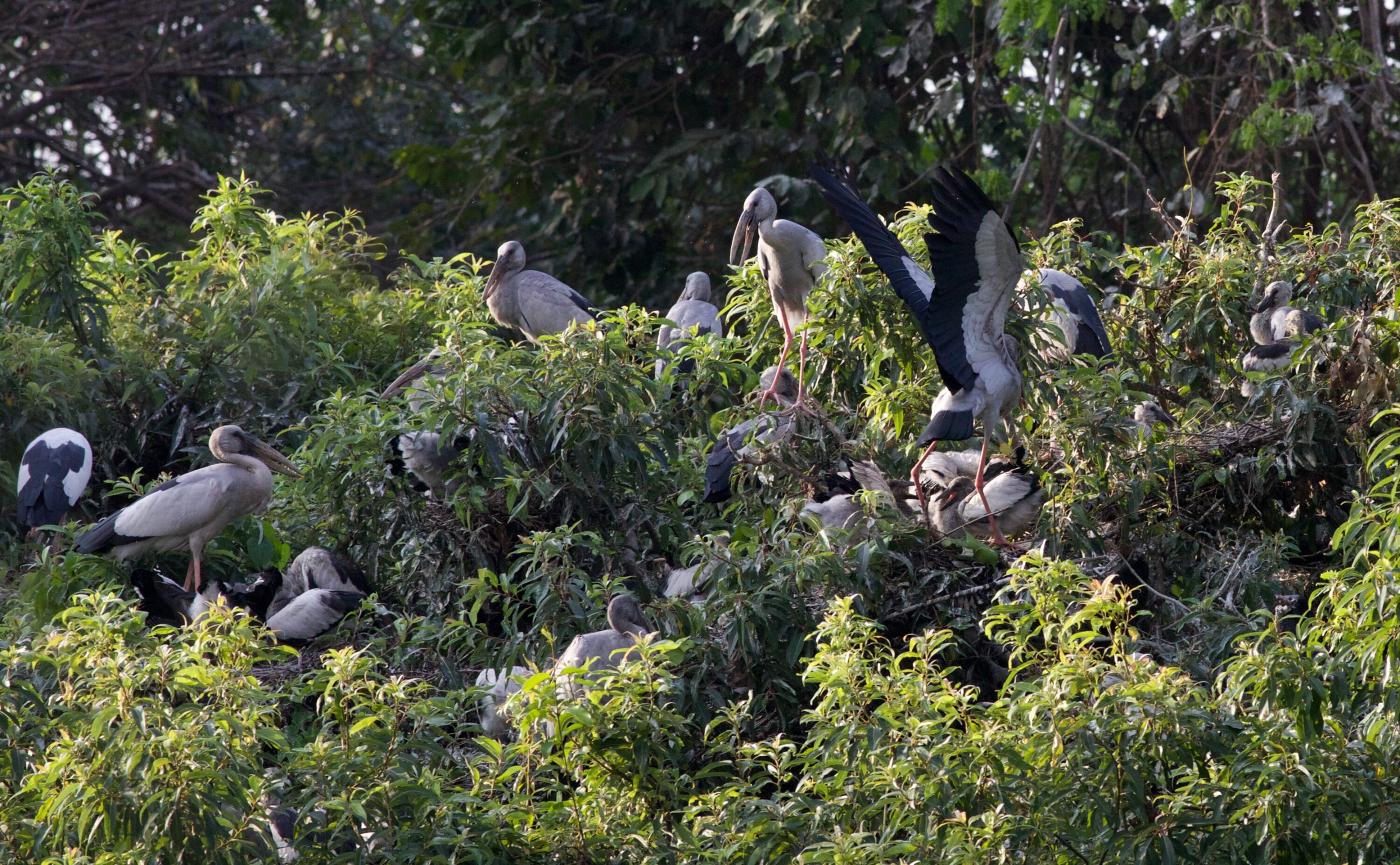
Waterbird Nest Counts Nearly Halved at an Indian Wetland, but Bird Numbers Showed No Clear Decline
At Vettangudi Bird Sanctuary in India, recorded waterbird nests fell from 396 to 190 across eight sampled breeding…
Read story →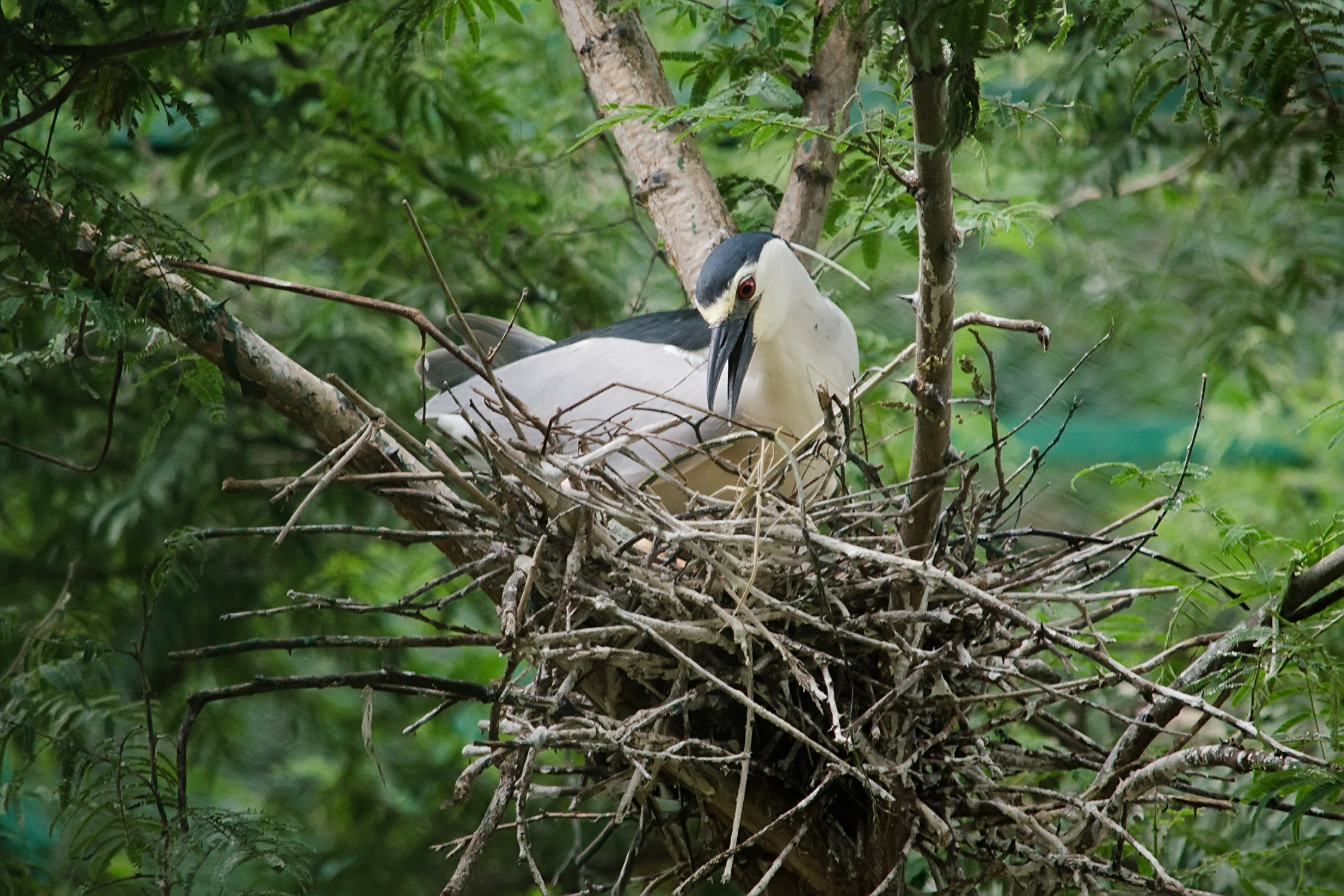
Black-crowned Night Herons Had 87.7% Hatching Success Across Four Algerian Wetland Colonies
A five-year study of four wetland colonies in north-eastern Algeria found a mean clutch of 3.3 eggs and…
Read story →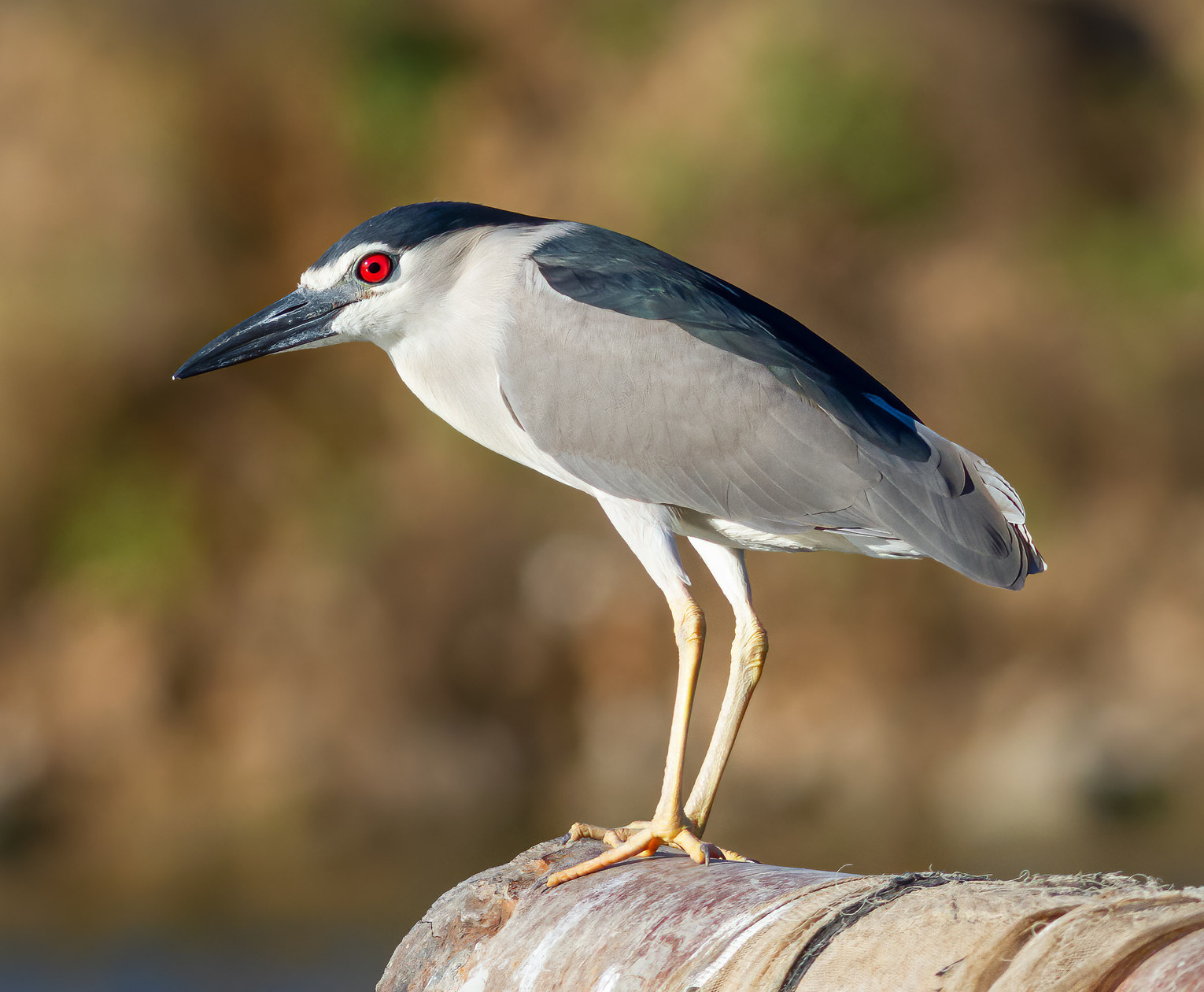
New nematode species described from black-crowned night herons in Israel
Fourteen adult nematodes collected from the stomach lining of three black-crowned night herons in Israel led to the…
Read story →SPECIES IN THIS STORY
Species in this story
Independent research and conservation news archive
Did you find this information useful?
Wildlife Vagabond is independently built and maintained. Voluntary support helps cover source verification, hosting and continued work on research and conservation news.
Support Wildlife VagabondThe news archive will remain freely available.