
Ravens Nested at Similar Densities in Two Sicilian Regions, but Successful Iblei Nests Fledged More Young
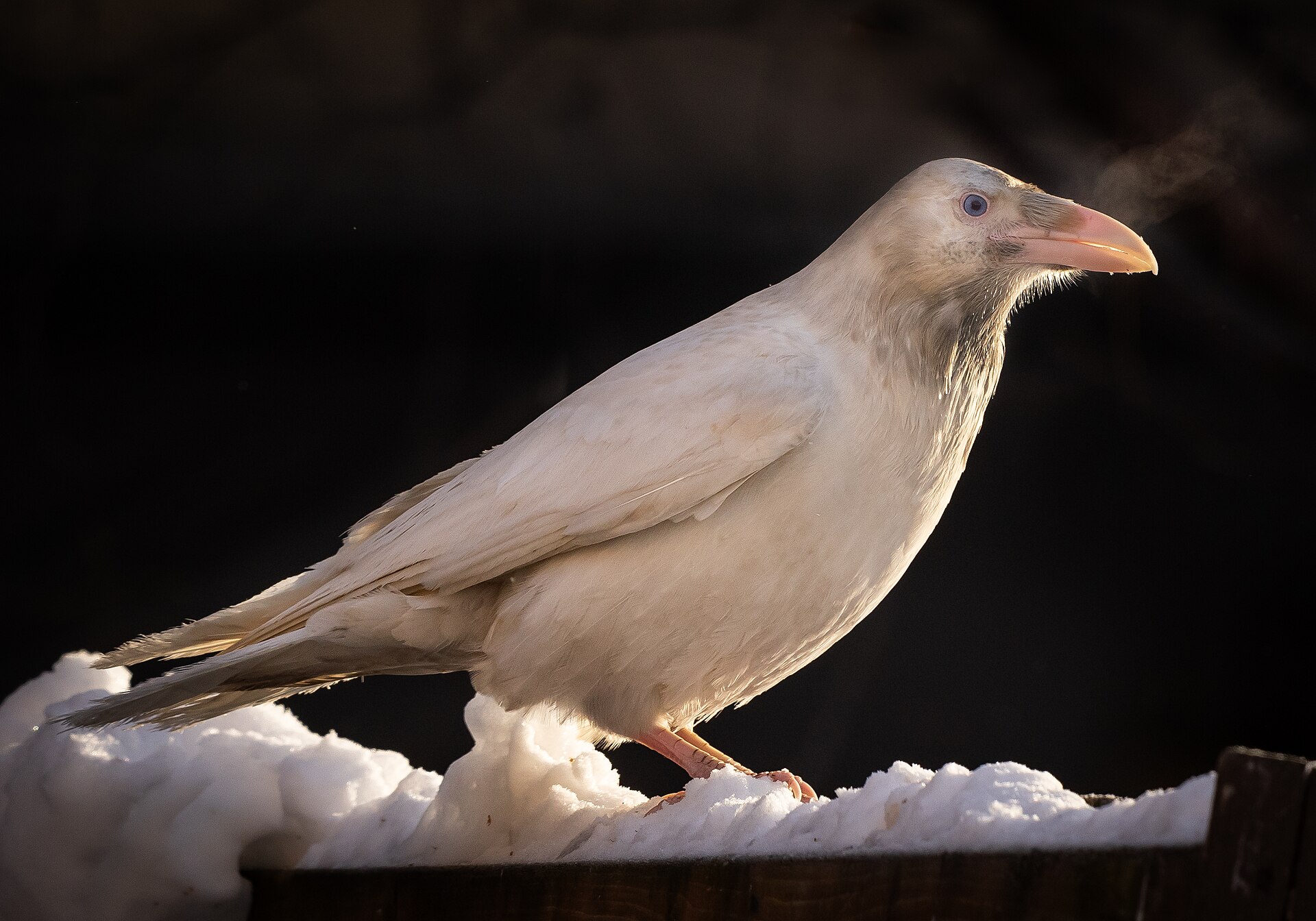
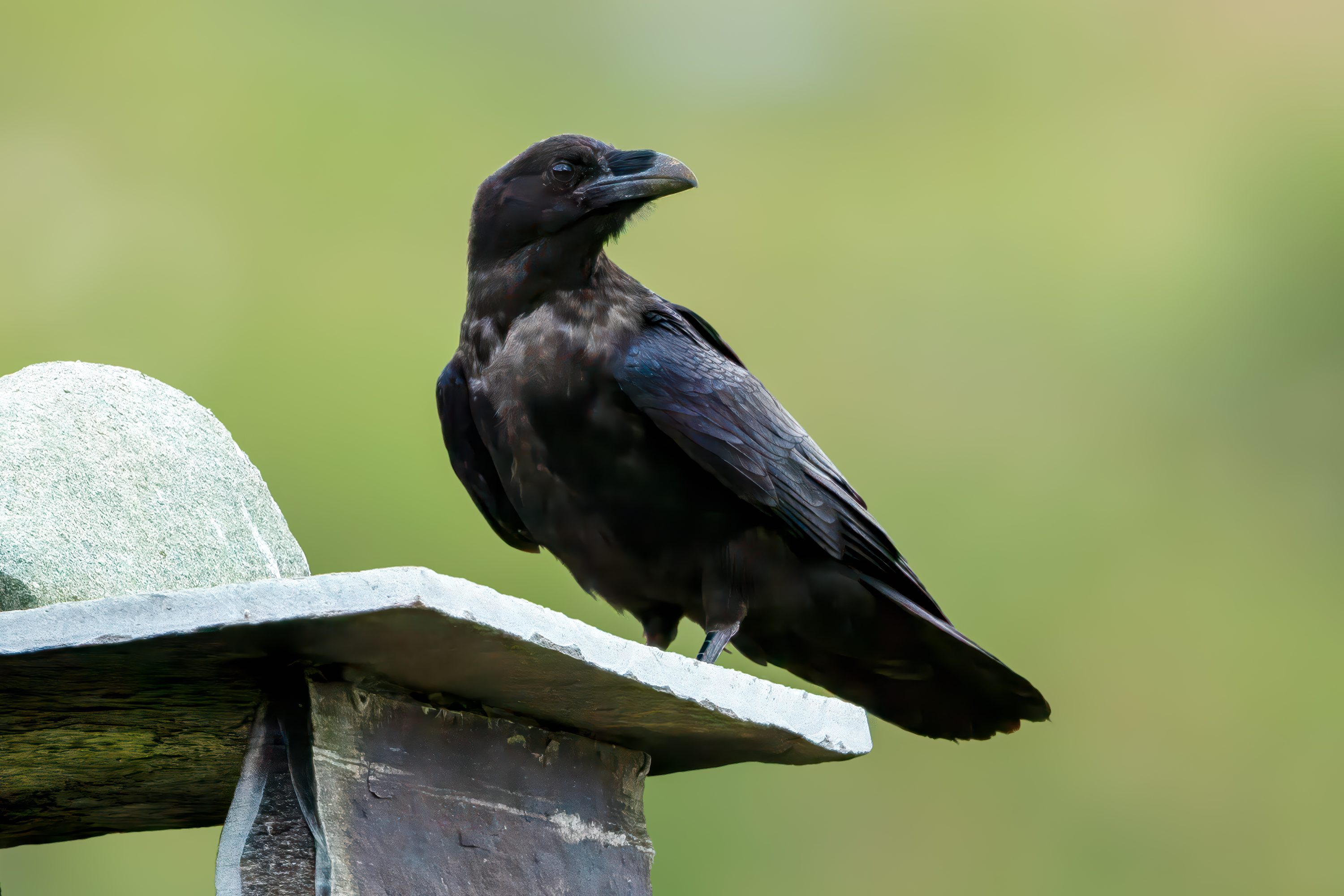
Common Ravens (Corvus corax) nested at similar densities in two surveyed areas of Sicily, but nests that produced fledglings had a higher average number of young in the southern Iblei Mountains. All recorded nests were on cliffs, and many occupied nesting areas were also used by other birds of prey.
The researchers surveyed the Erei Mountains–Caltanissetta area from 2018 to 2020 and the southern Iblei Mountains from 2023 to 2025. Across 143 field visits between January and June, they recorded 31 confirmed or probable pairs in the first area and 13 in the second. Estimated densities were 1.51 pairs per 100 km² in Erei–Caltanissetta and 1.59 in the Iblei.
To estimate density and describe how nests were distributed, the researcher mapped nesting sites and measured the distance from each to its nearest neighbour. This approach showed random spacing in Erei–Caltanissetta, but more even, regular spacing in the Iblei. In other words, Iblei nests were more evenly separated, although the overall pair densities in the two survey areas were similar.
Cliff nests were part of a shared raptor landscape
Every recorded raven nest was on a cliff. In 77% of 44 recorded cases, occupied nesting areas were shared with other birds of prey, including several falcon species. Falcons also regularly used old raven nests. Together, these findings show that the surveyed cliff-nesting areas were used by several raptors, and that ravens’ old nests could provide nesting sites for falcons.
More fledglings per nest with young in the Iblei
The average number of fledglings was 2.87 per nest with fledglings in Erei–Caltanissetta, based on eight such nests, and 4.0 in the Iblei, based on three. These figures describe nests that produced fledglings, not all pairs or all nesting attempts; the Iblei figure is based on a small number of nests.
The author compares the recent density estimates with earlier published figures and interprets them as evidence of a decline in Sicily over recent decades. The current estimates are below reported densities of 1.85 pairs per 100 km² in Caltanissetta in 2004–2005, 2.0 in central-southern Sicily over 1976–2011, and 3.1 in southern Sicily in 1982–1983. A 2017 estimate for central-southern Sicily, 1.63 pairs per 100 km², was close to the new figures. Because these comparisons cover different areas and periods, they are comparisons among published estimates rather than a repeated census of the same sites.
Ecology
Related news
Ravens and wetlands linked to higher predicted bird-flu spillover risk in U.S. wildlife
A spatial analysis of reported U.S. cases found higher modeled spillover risk where Common Ravens and wetlands were…
Read story →
Ravens often hid poisoned bait eggs instead of eating them
A two-year study in central Nevada found that ravens often hid bait eggs instead of eating them, sometimes…
Read story →
Family size shapes social object play in young ravens
A 2026 experiment found that small differences in sibling number changed how juvenile ravens gathered around object playgrounds…
Read story →SPECIES IN THIS STORY
Species in this story
Independent research and conservation news archive
Did you find this information useful?
Wildlife Vagabond is independently built and maintained. Voluntary support helps cover source verification, hosting and continued work on research and conservation news.
Support Wildlife VagabondThe news archive will remain freely available.