
Ravens often hid poisoned bait eggs instead of eating them
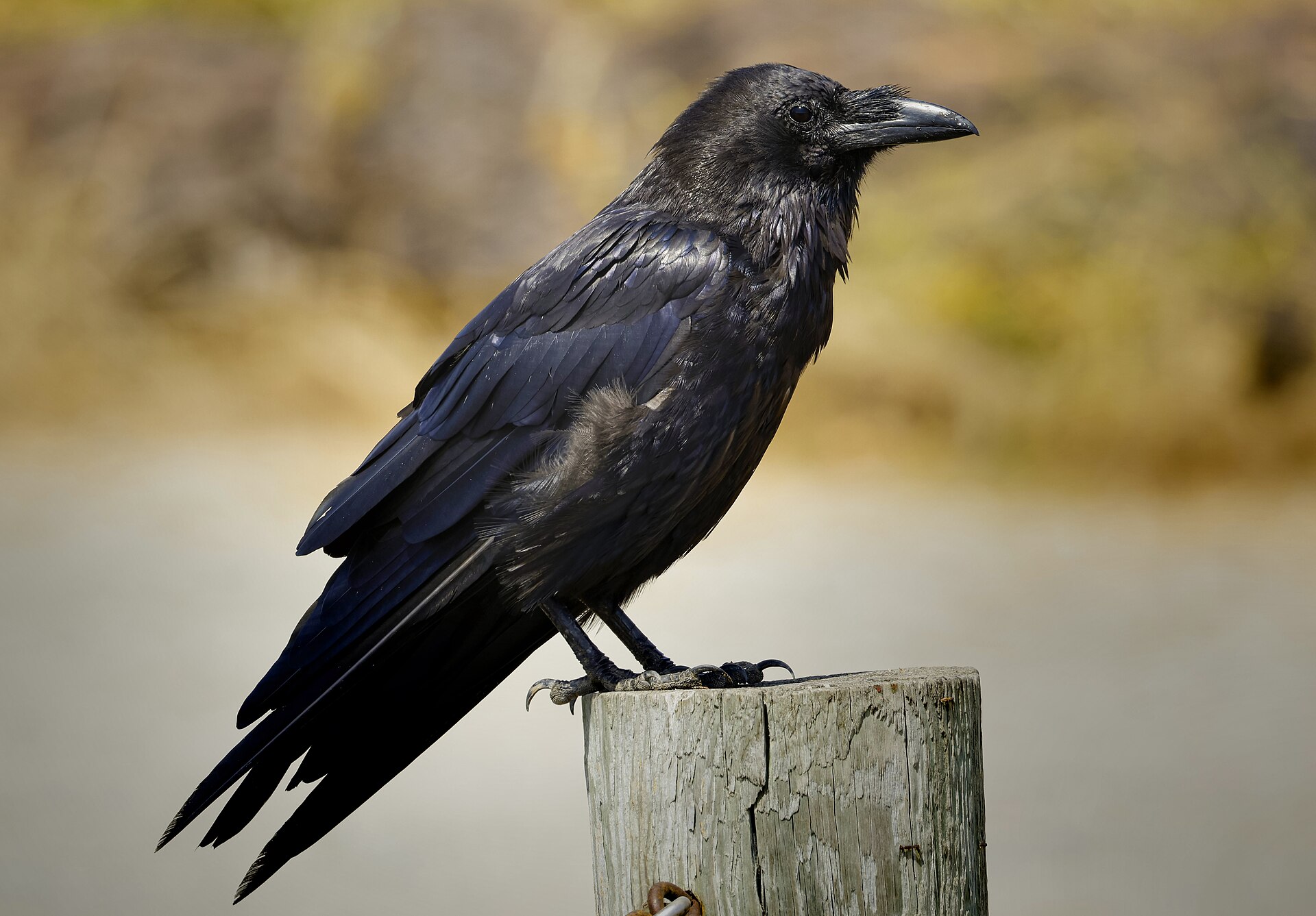
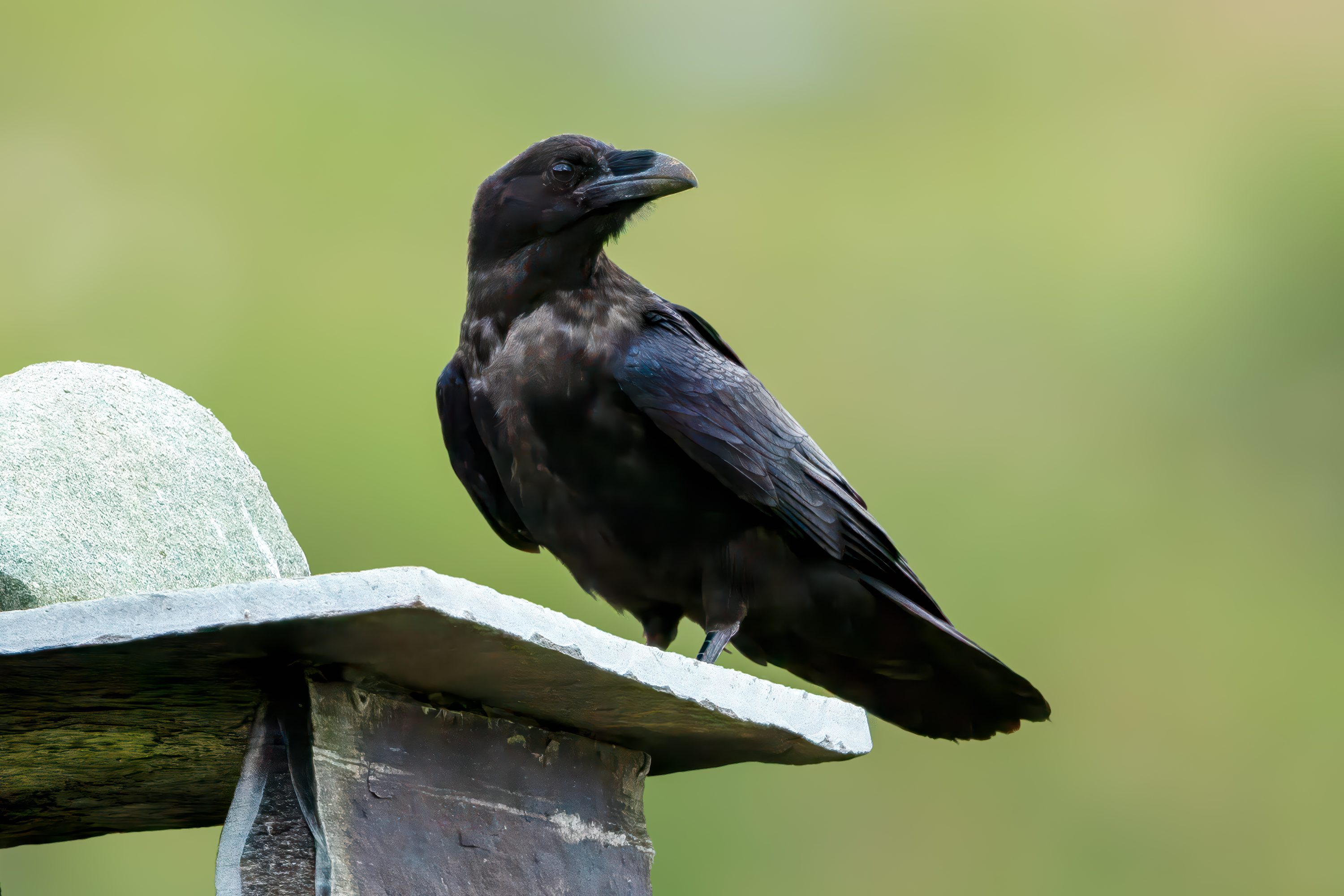
Ravens (Corvus corax) do not always eat an egg where they find it. Some carry it away and hide it under soil or vegetation—behavior that can matter when managers use poisoned eggs to reduce raven numbers.
In the Great Basin of the western United States, ravens have become more common in part because roads, agriculture, livestock operations and human-made structures provide food, water and nesting sites. Their predation can affect vulnerable ground-nesting birds such as the greater sage-grouse. To help reduce raven numbers in sensitive areas, managers use hard-boiled chicken eggs treated with the toxin DRC-1339. A two-year field study in central Nevada investigated what happened to those eggs after they were placed and how the surrounding landscape influenced their removal.
Trail cameras monitored more than 500 bait sites, showing which animals interacted with the eggs. To follow eggs carried away by ravens, researchers placed small transmitters inside chicken eggs. They found that ravens removed fewer bait eggs than expected; black-billed magpies, coyotes and rodents also took eggs.
Many tracked eggs were hidden, not eaten
Most of the transmitter-equipped eggs that ravens carried away were hidden under soil or vegetation, sometimes hundreds of metres from the bait site, rather than eaten immediately. Ravens rarely returned to those eggs during the short period when the toxin remained lethal. The author therefore suggests that many treated eggs may not result in the death of the raven that takes them.
Where eggs were placed mattered
Ravens were more likely to take eggs placed on fence posts, in open areas with little shrub cover, or near hay bales. The cameras also showed that egg removal was not always raven removal: animals other than the intended target took some of the baits.
Together, the findings point to two practical challenges for egg-bait programs: ravens may hide eggs instead of eating them, and other animals may take them. Both the placement of bait and what happens after an egg is carried away can therefore influence how effectively the method removes ravens.
Ecology
Related news
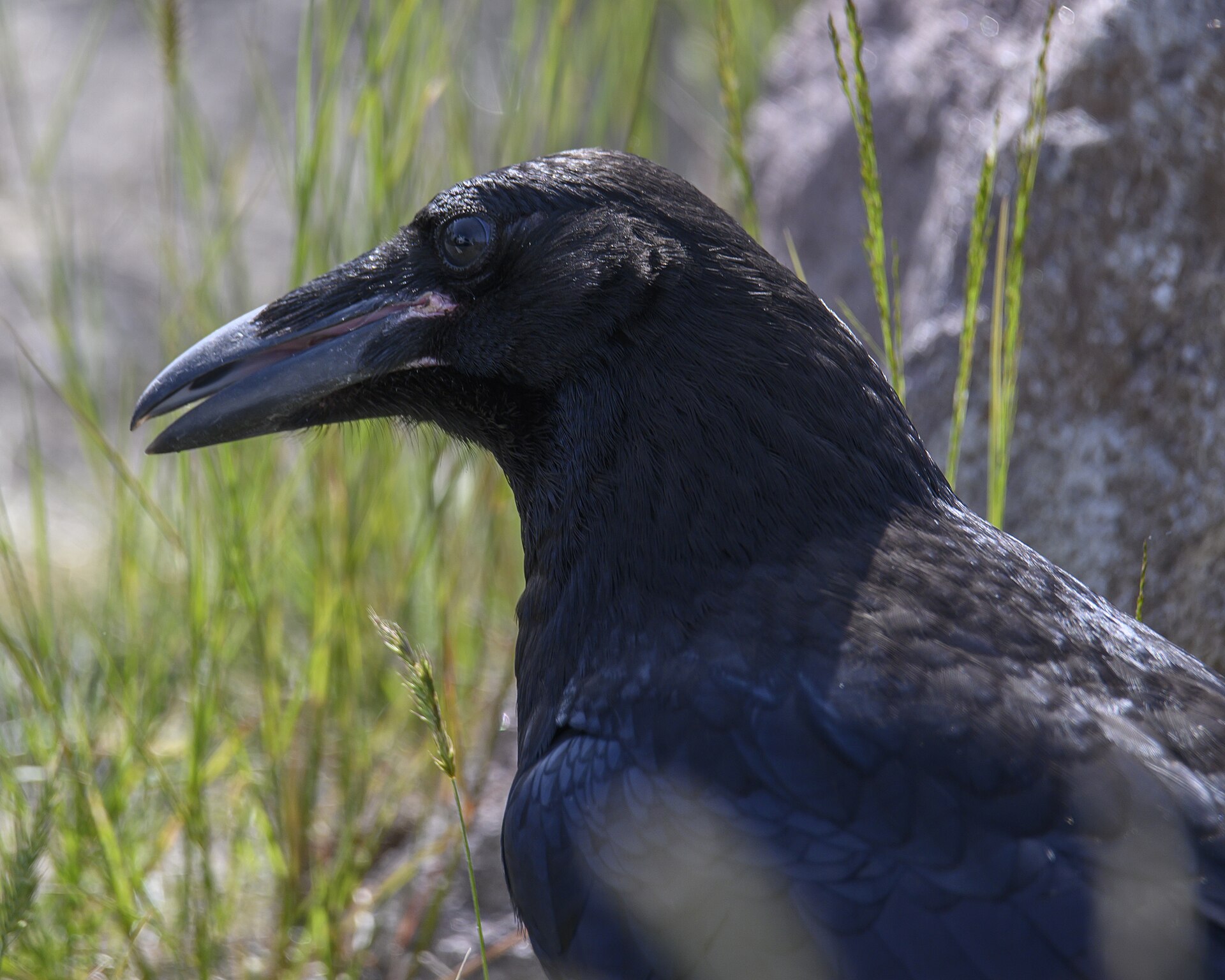
Ravens and wetlands linked to higher predicted bird-flu spillover risk in U.S. wildlife
A spatial analysis of reported U.S. cases found higher modeled spillover risk where Common Ravens and wetlands were…
Read story →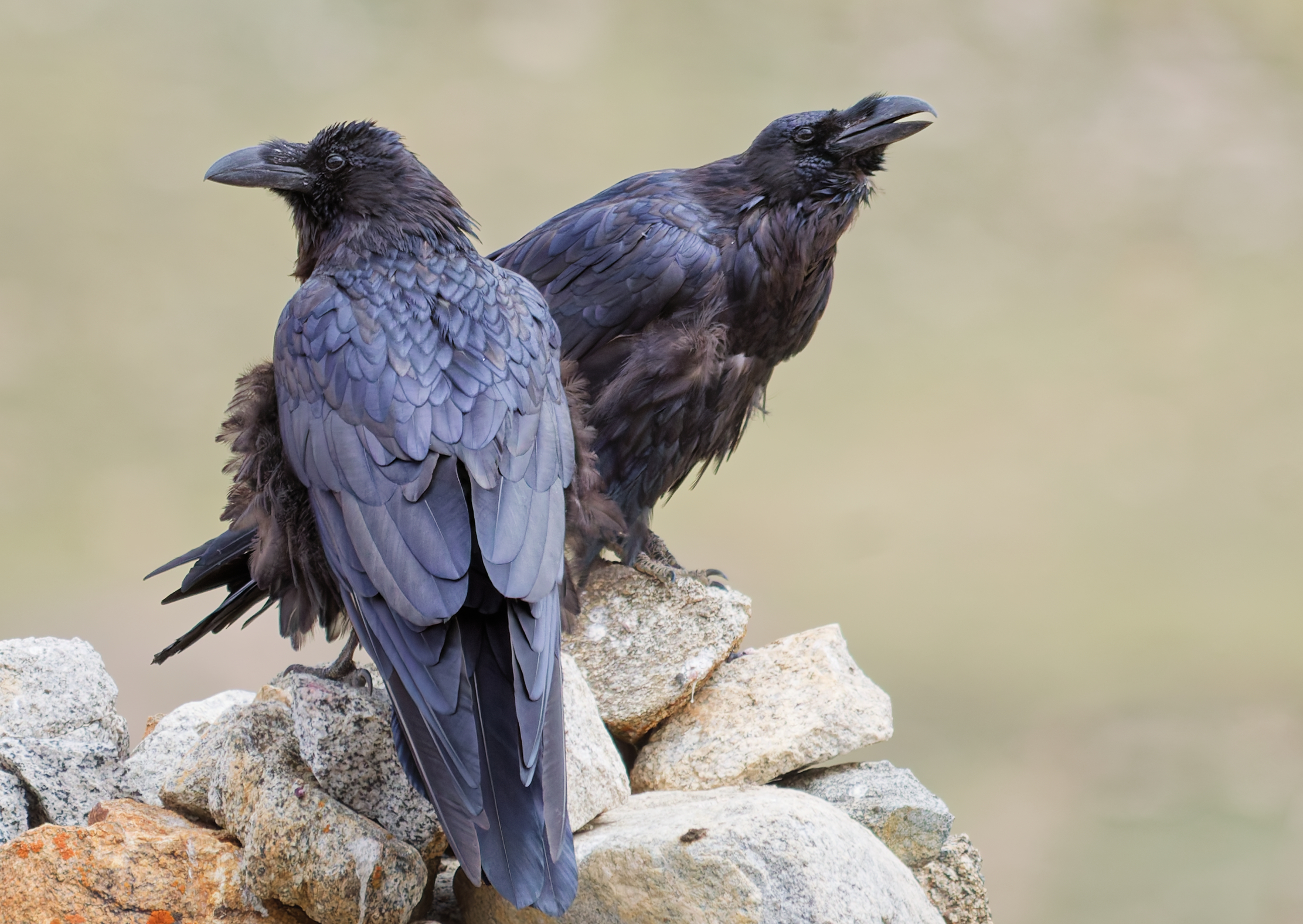
Family size shapes social object play in young ravens
A 2026 experiment found that small differences in sibling number changed how juvenile ravens gathered around object playgrounds…
Read story →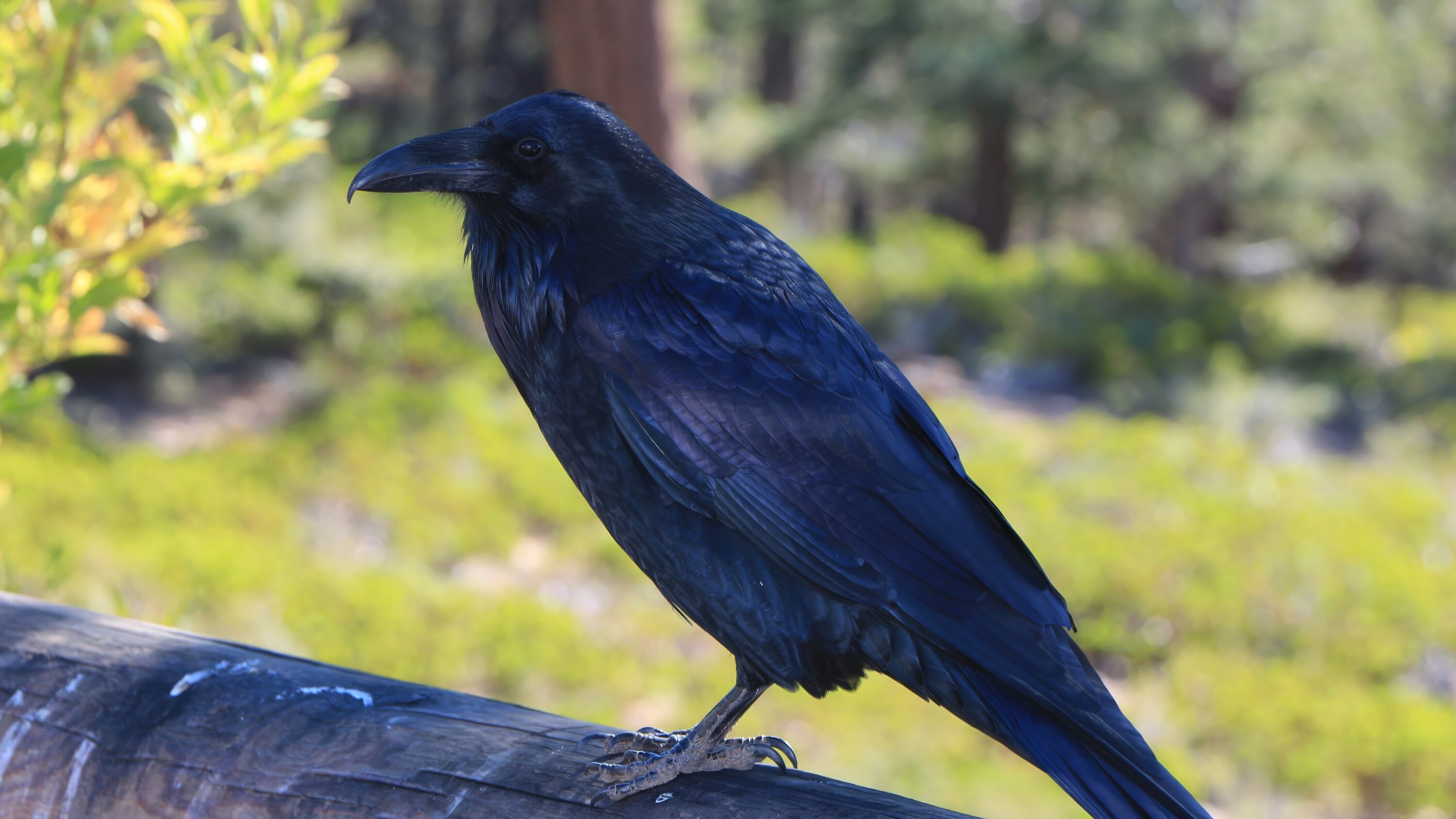
Raven Herpesvirus Was Suspected in Six Sudden Deaths in Poland
Six Common Ravens found dead together in central Poland were positive for both circovirus and a herpesvirus not…
Read story →SPECIES IN THIS STORY
Species in this story
Independent research and conservation news archive
Did you find this information useful?
Wildlife Vagabond is independently built and maintained. Voluntary support helps cover source verification, hosting and continued work on research and conservation news.
Support Wildlife VagabondThe news archive will remain freely available.