
In Tunisian Oases, Three Bird Species Had More Plastic in Nests Where It Was More Available
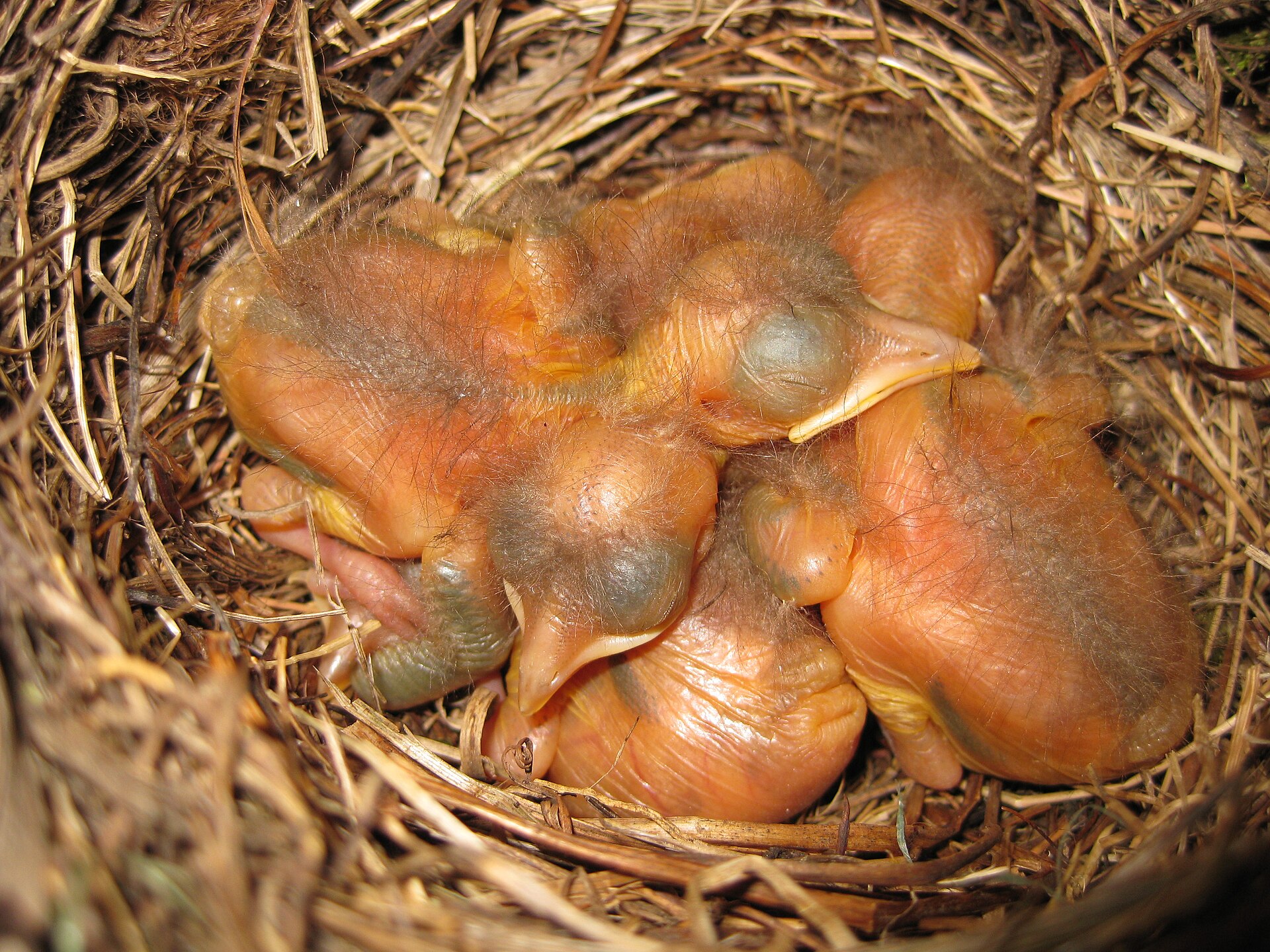
Bird nests can reveal what nesting birds encounter in their surroundings. In Tunisian oasis habitat, researchers examined 326 open, cup-shaped nests built by four passerine species and compared the human-made debris in them with debris available nearby. Nearly 60% of the nests contained debris such as plastic, fabric, paper or metal. Together, these materials made up only about 1% of nest-material weight.
Plastic was the most common type of debris both in nests and in the surrounding environment. Across the study, debris categories appeared in nests roughly in proportion to their relative availability nearby. But nest contents also differed among bird species: larger nests contained more debris, and after nest size was taken into account, resident species tended to use more debris than migratory species that began nesting later.
Nest plastic tracked local availability in three species
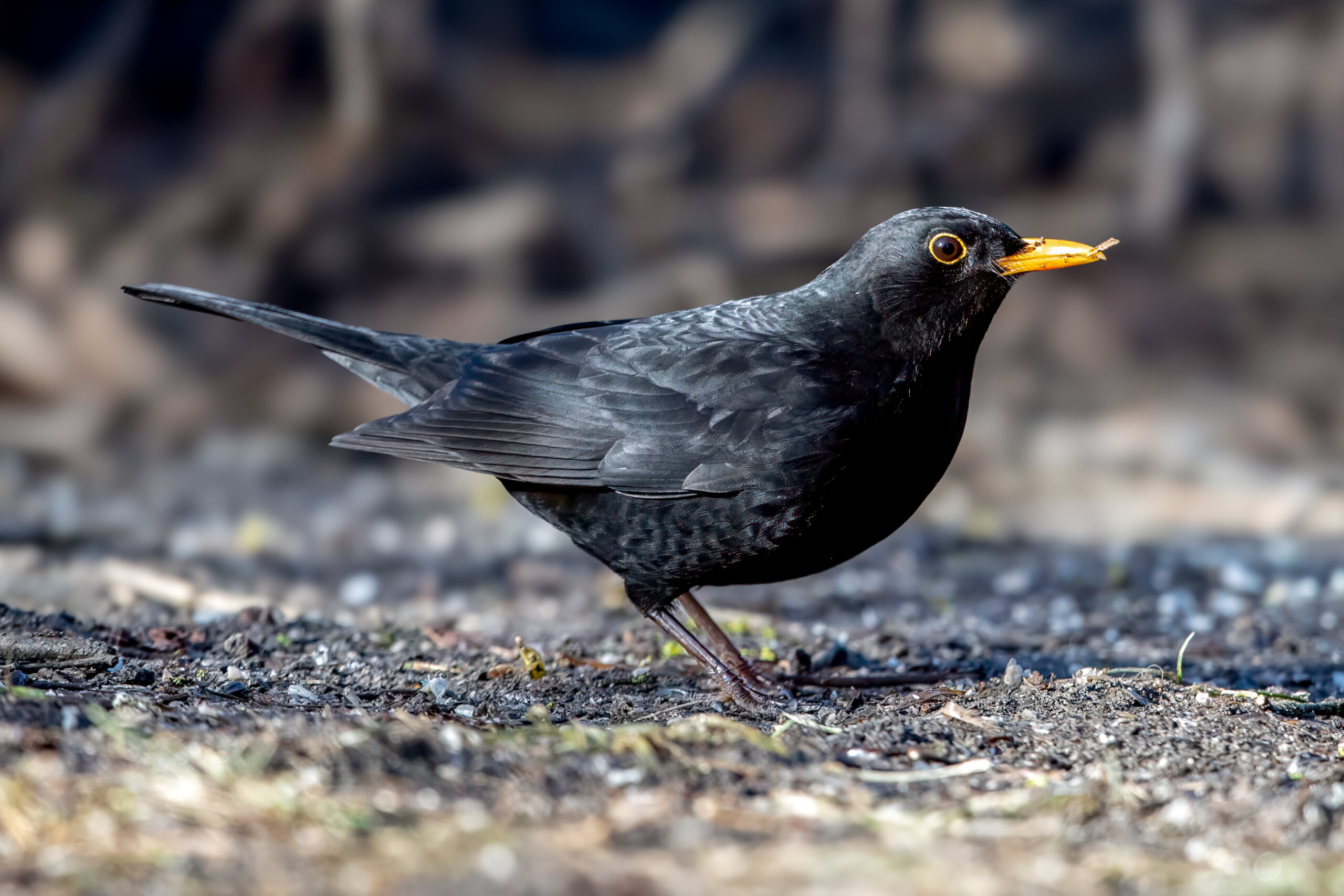
For the Eurasian Blackbird (Turdus merula), the Western Orphean Warbler (Curruca hortensis) and the Rufous-tailed Scrub Robin (Cercotrichas galactotes), researchers found a positive relationship between plastic availability around nests and the amount of plastic in the nests. The blackbird had the highest estimated levels of debris and plastic among the four species. These patterns suggest that nest contents can reflect local plastic availability. The authors suggest that these three species could be useful biomonitors—birds whose nest contents help indicate local plastic contamination—in Tunisian oases.
The distinction between finding any debris and finding a large amount matters. Plastic appeared in many nests, yet artificial material made up a small share of their overall mass. The link to debris available nearby also helps explain why species and local conditions matter when interpreting nest contents. This study tested the potential of nests as indicators of pollution; it did not measure how the debris affected eggs or fledglings.
Ecology
Related news
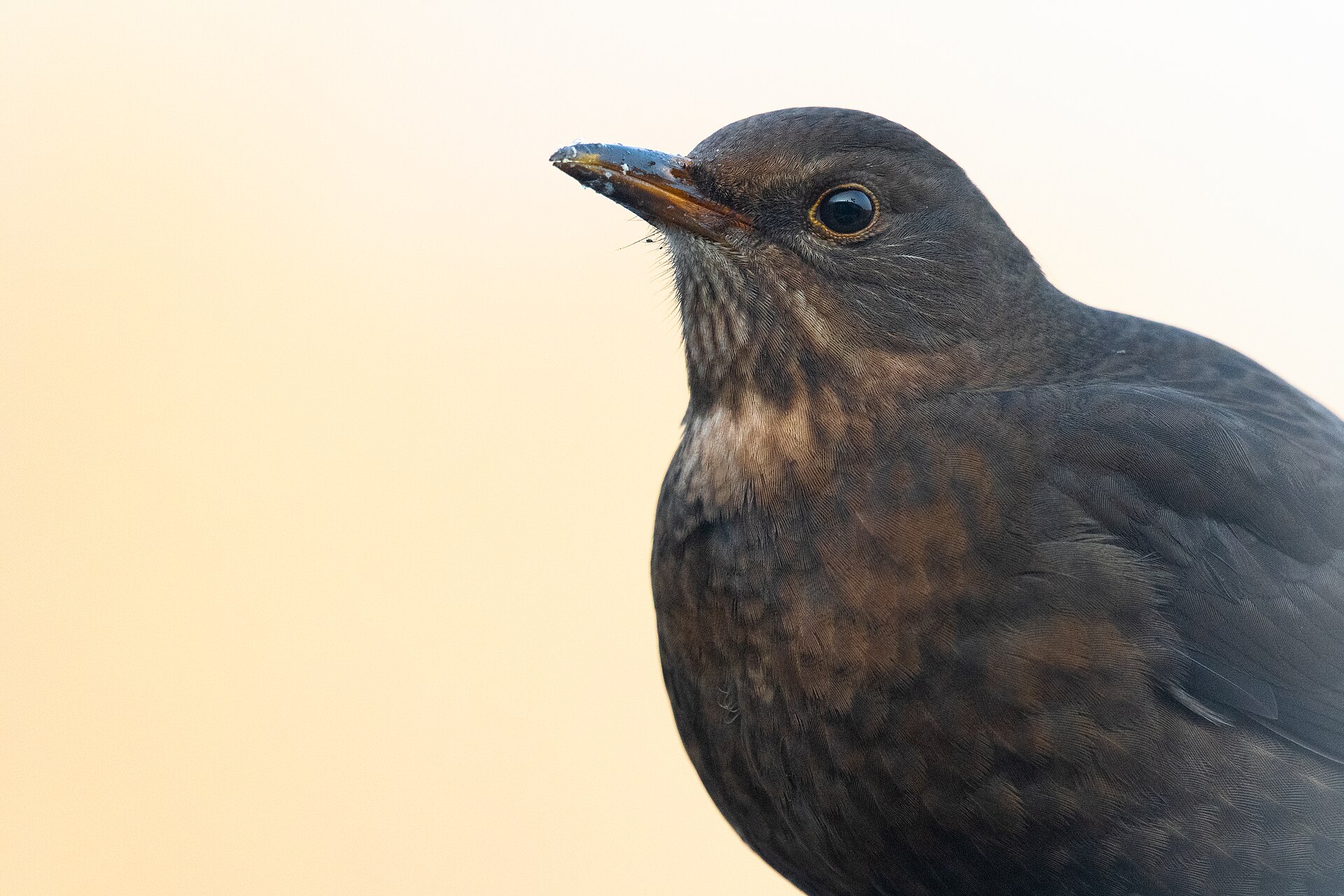
Ring Ouzel nests let heat through more readily than blackbird and song thrush nests
In a controlled test, Ring Ouzel nests conducted more heat than blackbird or Song Thrush nests. Their heat-loss…
Read story →
Hunted birds showed hidden differences in survival
Records for 61,432 ringed birds from six hunted species, collected between 1953 and 2020, revealed hidden survival differences…
Read story →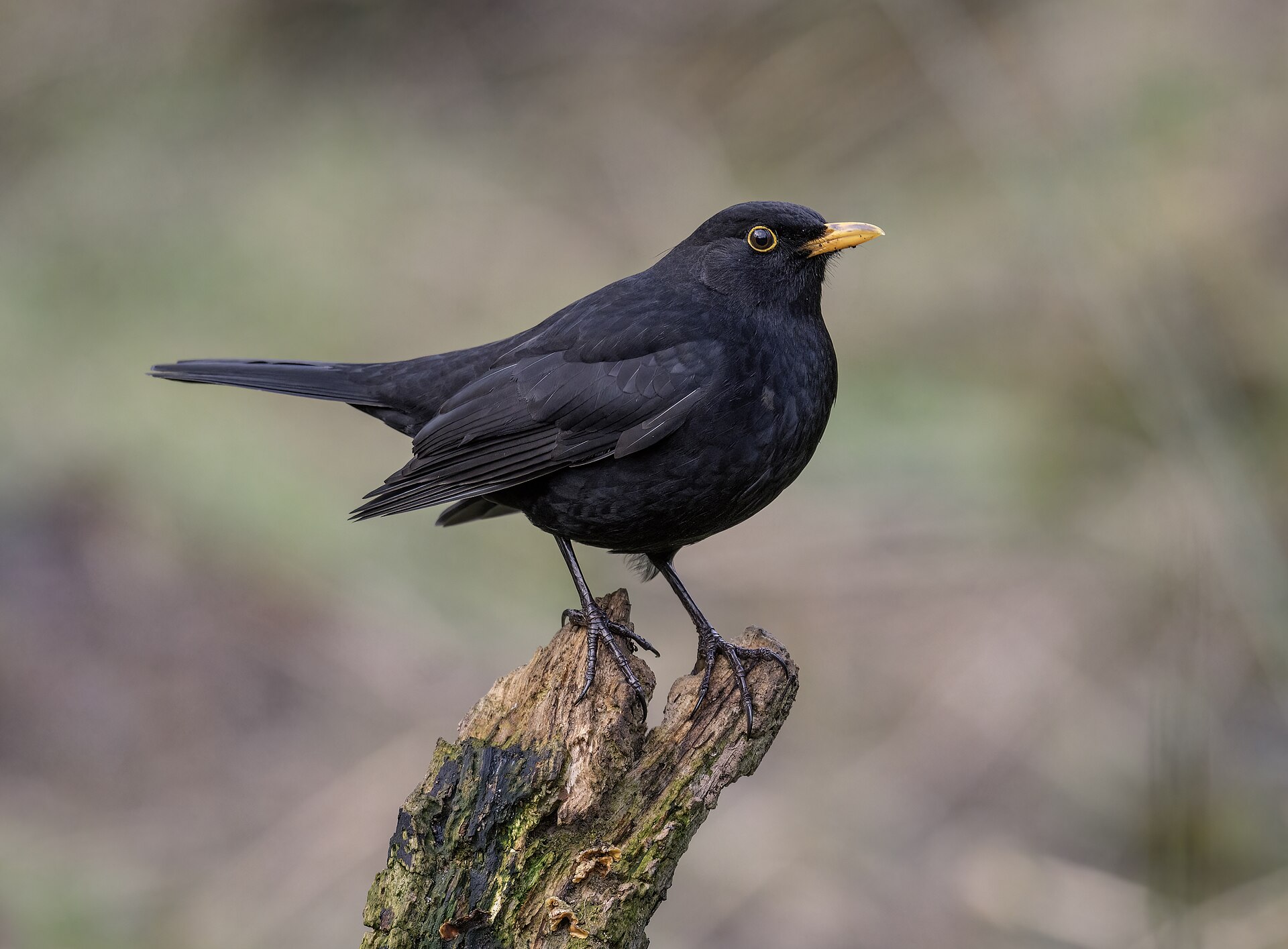
Bird serum failed to kill the tested Borrelia garinii strains
In laboratory tests, all tested Borrelia garinii strains resisted complement-mediated killing by bird sera, whether they came from…
Read story →SPECIES IN THIS STORY
Species in this story
Independent research and conservation news archive
Did you find this information useful?
Wildlife Vagabond is independently built and maintained. Voluntary support helps cover source verification, hosting and continued work on research and conservation news.
Support Wildlife VagabondThe news archive will remain freely available.