
Could wild boar help maintain a tick-borne bacterium in Sweden?
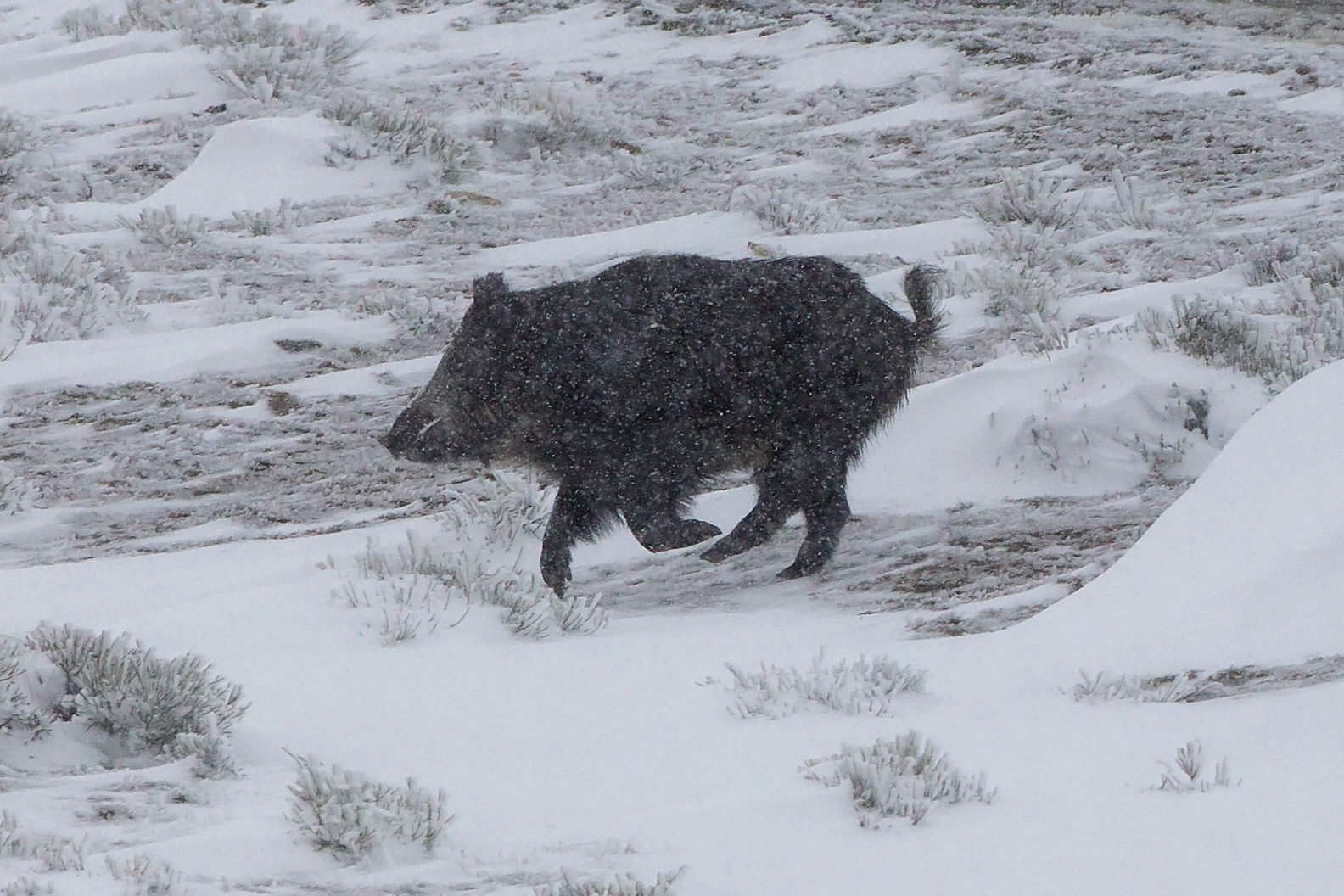
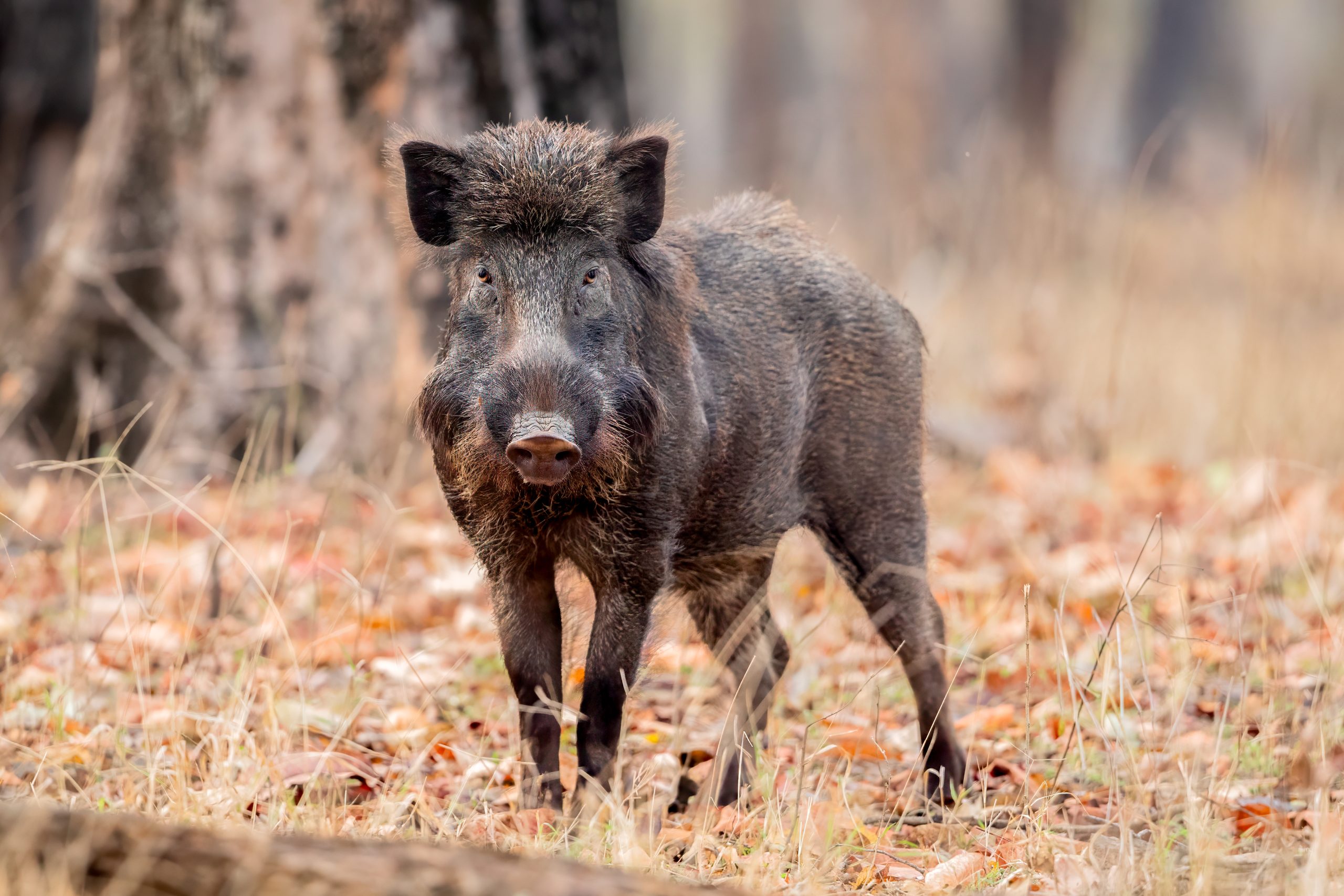
The tick-borne bacterium Neoehrlichia mikurensis is found in ticks across much of Europe and can cause illness in people, especially those with weakened immune systems. Small rodents are considered its main natural reservoir hosts, but the role of larger wild mammals in its transmission is less clear. In southern Sweden, the bacterium has been detected in about 6% of host-seeking Ixodes ricinus ticks. Because wild boar (Sus scrofa) are abundant in the region and encounter ticks, researchers tested whether they might help maintain the bacterium.
Hunters collected spleen samples from wild boar harvested for food between March 2023 and March 2025. Researchers tested samples from 87 animals across southern and central Sweden using quantitative PCR, which detects a targeted stretch of DNA if it is present. None of the samples contained detectable N. mikurensis DNA, despite coming from regions where the bacterium is known to occur in ticks.
A mammal can help maintain a tick-borne bacterium only if it contributes to the cycle of infection—not simply because ticks feed on it. This depends in part on how many ticks feed on the animal and whether those ticks can acquire the bacterium from it. A previous systematic survey in south-central Sweden found fewer ticks on wild boar than on several other large mammals. Nymphs, an immature tick stage, were found on 17% of boar, compared with 39% of moose and 66–97% of the deer species studied. Adult female ticks were found on 3% of boar, compared with 95–98% of deer. The same earlier study detected another tick-borne bacterium, Anaplasma phagocytophilum, in 24 of 34 wild boar, indicating that boar do encounter infected ticks even if their observed tick burden was lower.
Finding N. mikurensis in a tick attached to a boar would not, by itself, show that the boar was infected. A nymph or adult tick may have acquired the bacterium from an earlier host and retained it through a life-stage change. Ticks feeding close together can also pass the bacterium locally through the skin without the mammal developing a broader infection. In the current study, hunters collected 30 ticks from 17 animals, but the collection was opportunistic; those ticks were not tested and cannot provide a reliable estimate of tick burden or infection.
Evidence that rodents act as reservoirs is stronger: studies have found the bacterium more often in ticks after they have fed on rodents than in ticks seeking a host. Experiments have also tested whether uninfected ticks acquire it by feeding on infected rodents. Comparable transmission experiments have not been conducted with wild boar. The negative spleen tests therefore support the authors’ view that wild boar may have a limited role in maintaining N. mikurensis in Sweden, but they do not rule out rare or short-lived infections. Whether infected boar can pass the bacterium to feeding ticks remains unknown.
Ecology
Related news
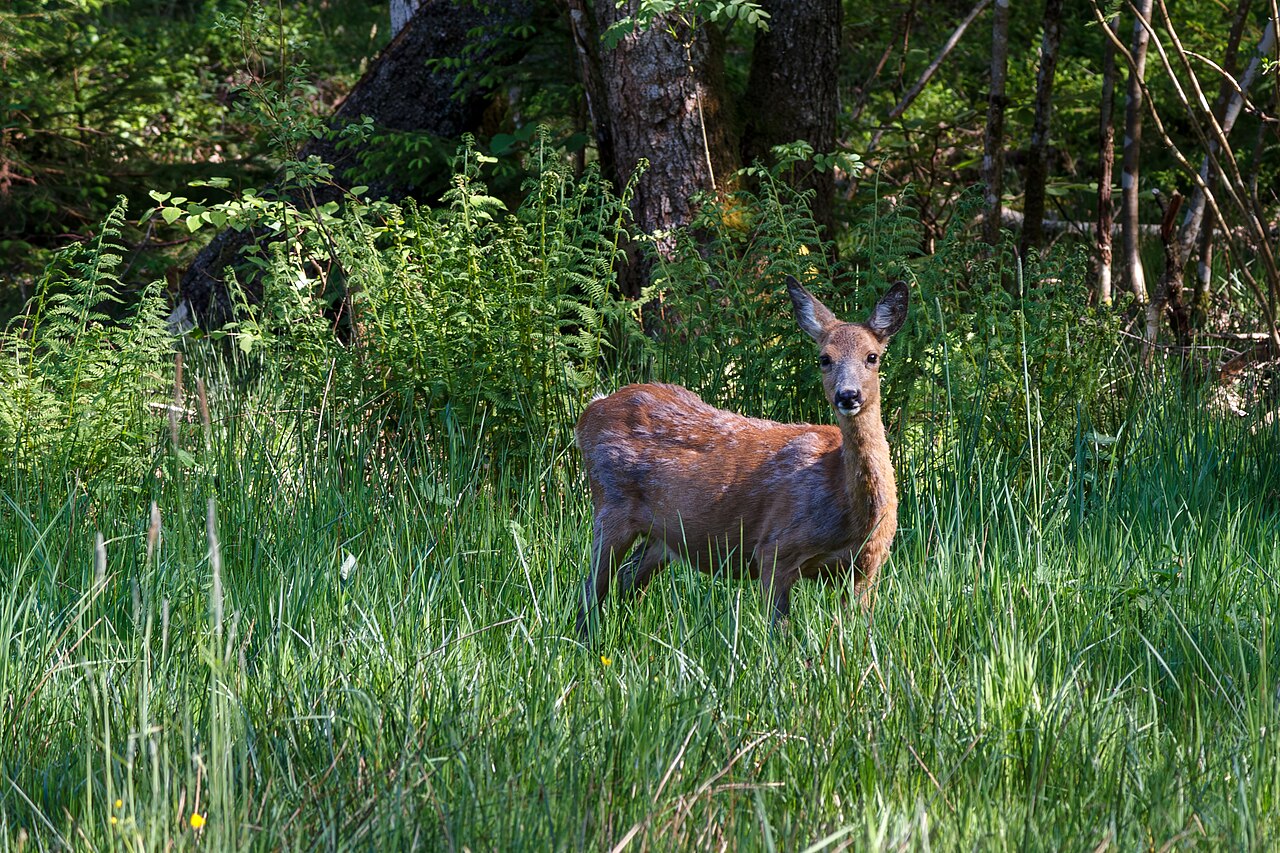
Roe deer crossed through existing railway structures, but wild boar rarely did
Cameras at 40 existing railway structures in northwestern France recorded roe deer crossing at nine and wild boar…
Read story →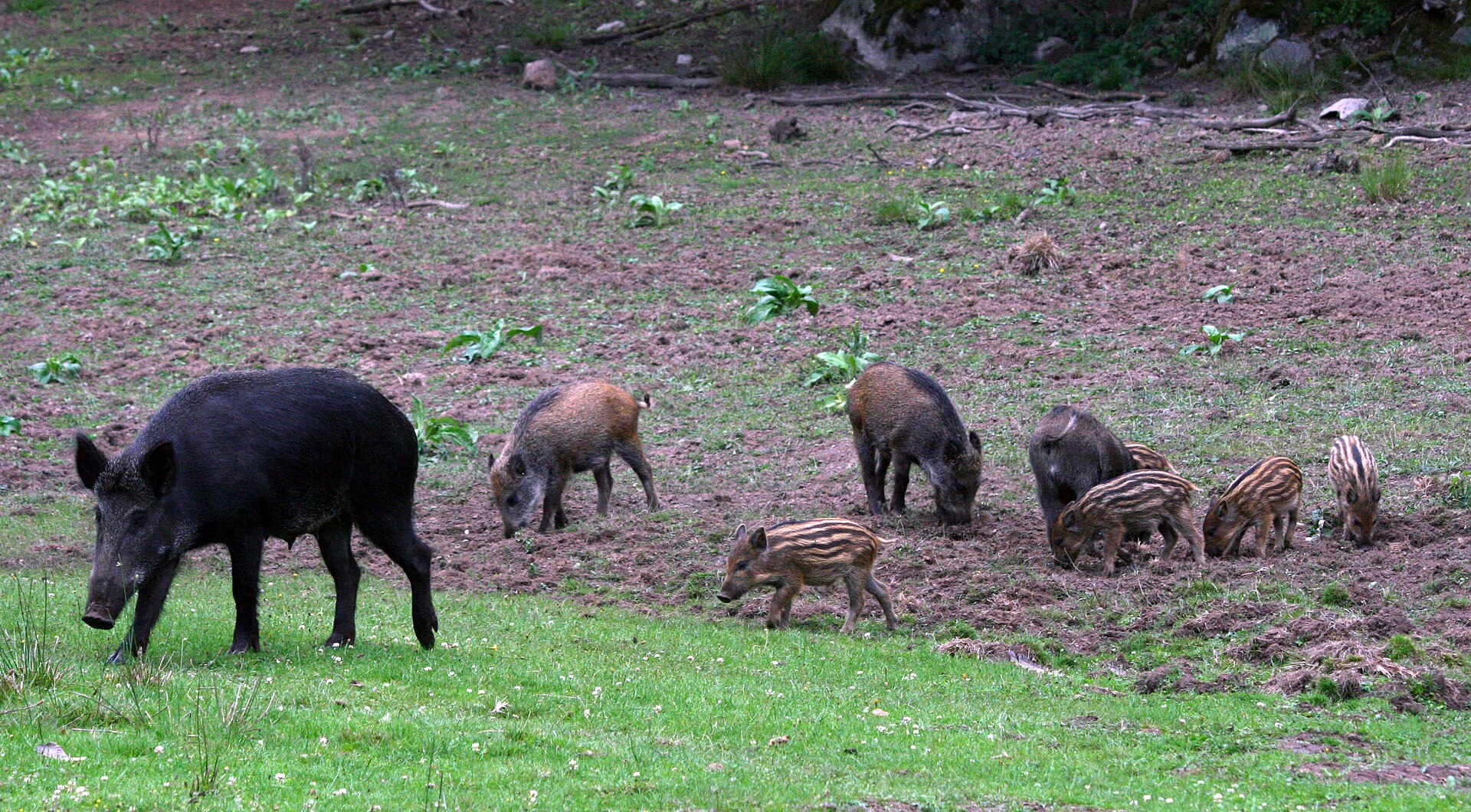
Wild Boar in Northern Europe Reflect Natural Spread and Human Translocations
A genomic comparison of wild boar from Finland, Sweden and Norway supports different histories across the region: Finnish…
Read story →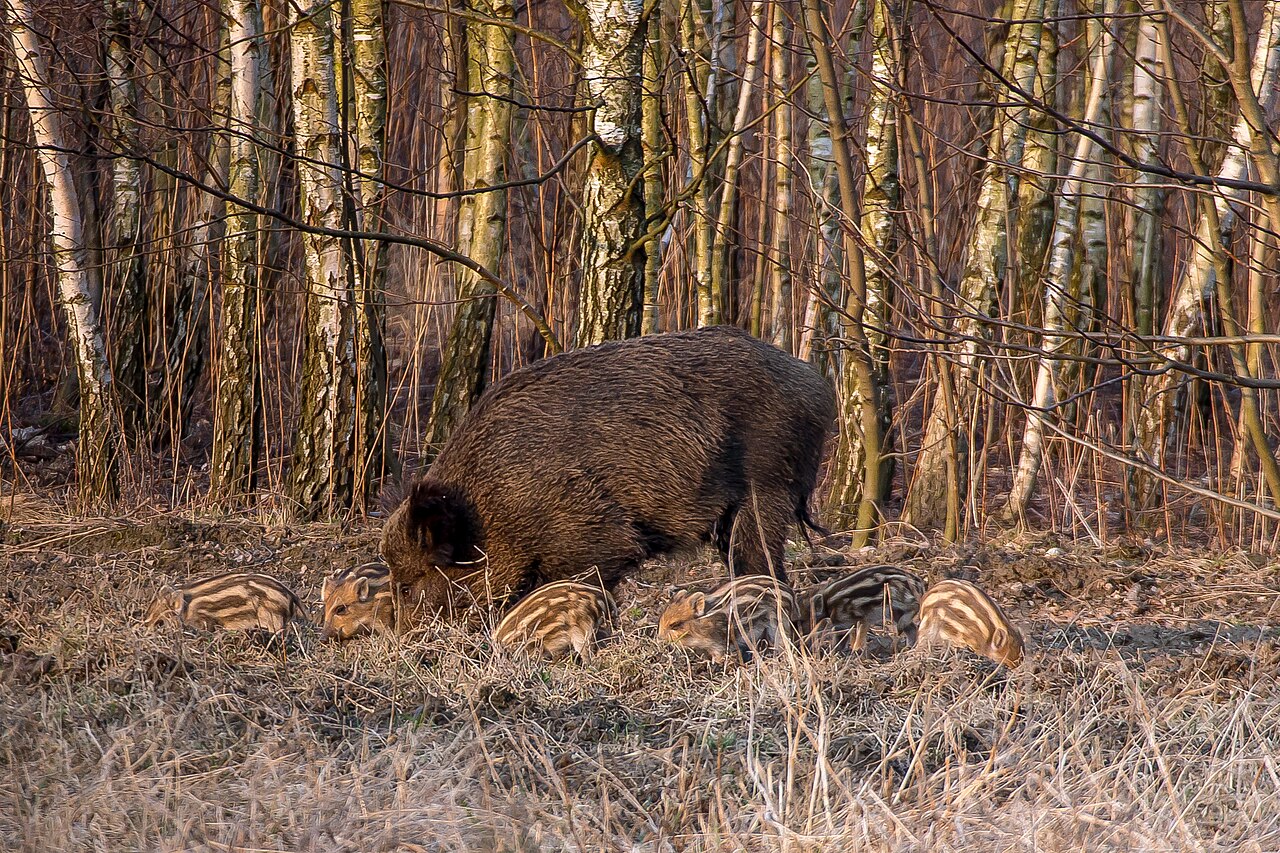
Half of sampled Polish wild boar had antibodies to at least one of three parasites
A survey of 184 wild boar serum samples found antibodies to Toxoplasma gondii in 29.3% of animals, Sarcoptes…
Read story →SPECIES IN THIS STORY
Species in this story
Independent research and conservation news archive
Did you find this information useful?
Wildlife Vagabond is independently built and maintained. Voluntary support helps cover source verification, hosting and continued work on research and conservation news.
Support Wildlife VagabondThe news archive will remain freely available.