
Red Foxes Were More Crepuscular in Semi-Urban Than Natural Catalan Landscapes
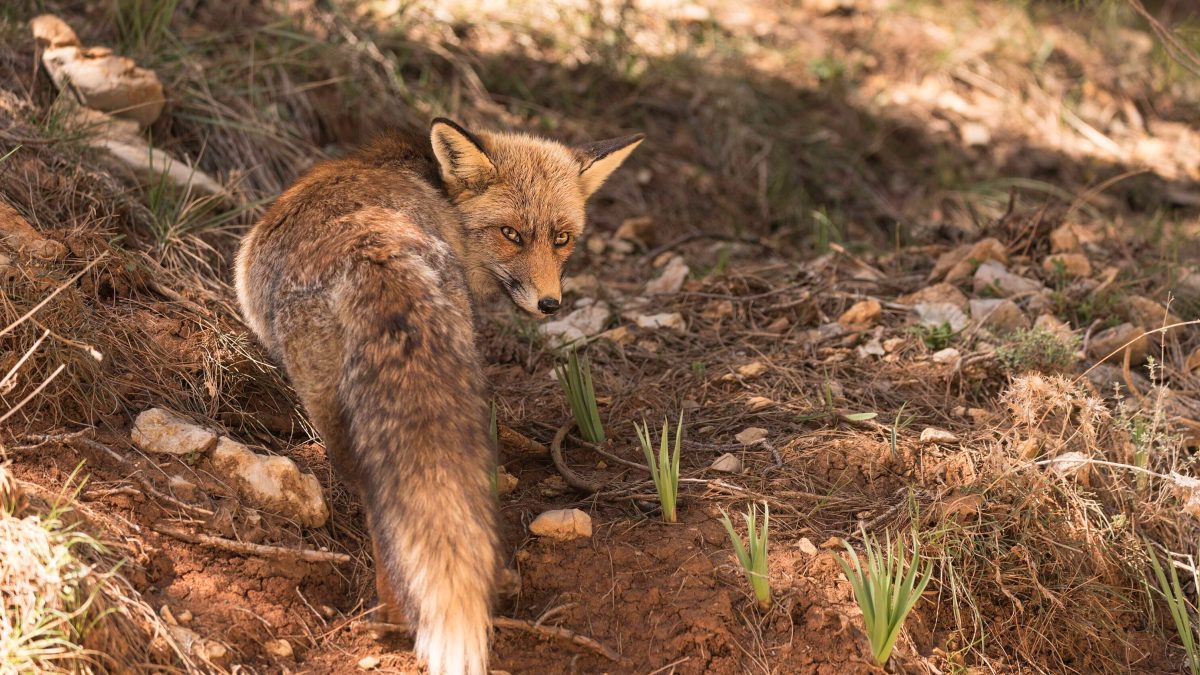
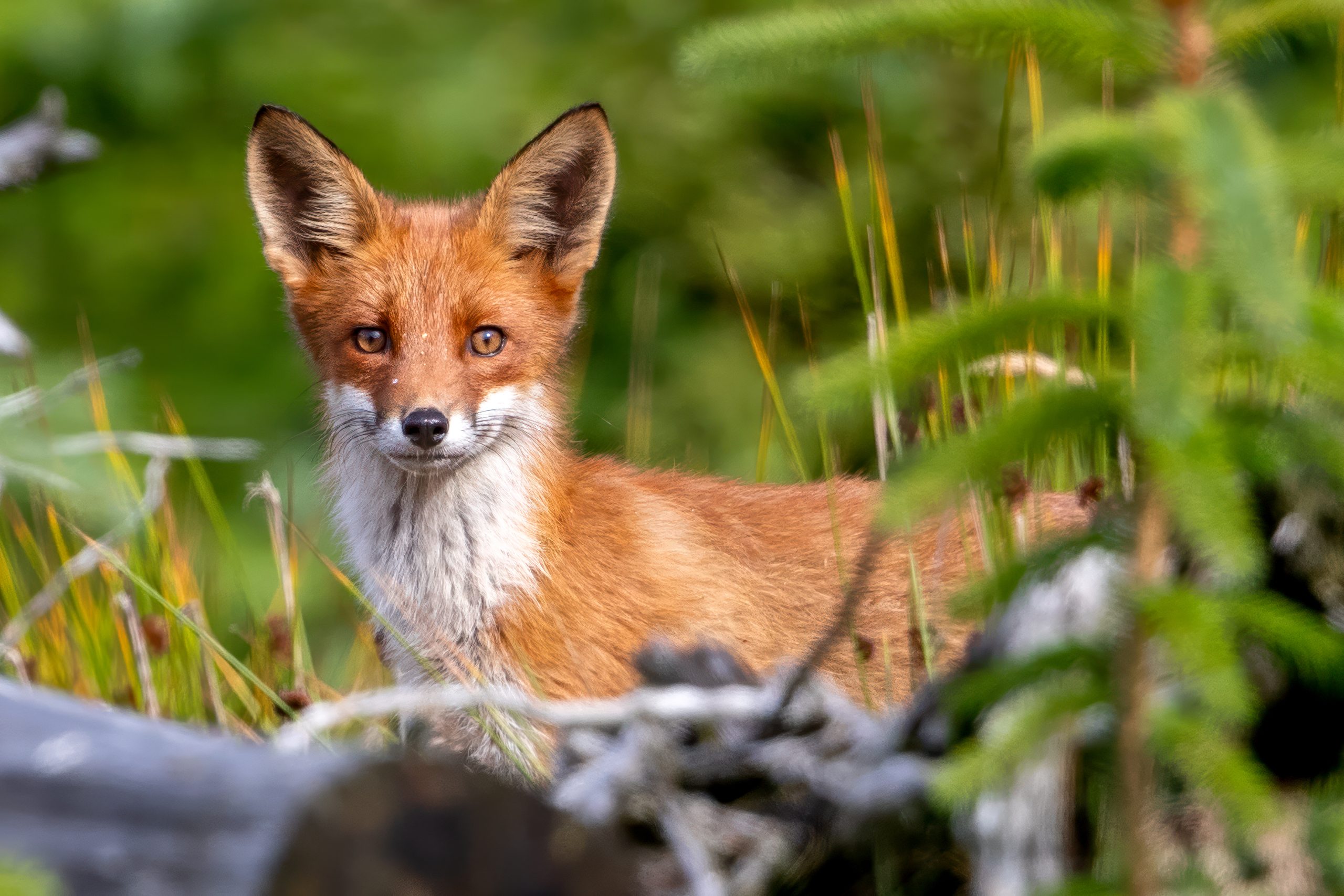
A camera-trap study published in 2026 found that red foxes (Vulpes vulpes) changed their daily activity pattern across an urbanization gradient in Catalonia, northeastern Spain. Foxes were more crepuscular at semi-urban locations, while their activity at natural locations was strictly nocturnal.
Researchers sampled 52 camera-trap sites across eight locations in the counties of Osona and Vallès Oriental between 2013 and 2020. The survey produced 2,423 independent detections of wild terrestrial mesocarnivores. Red foxes were the most frequently recorded species, accounting for 64.2% of these detections, and were detected at all eight locations.
Activity shifted more clearly than overall abundance
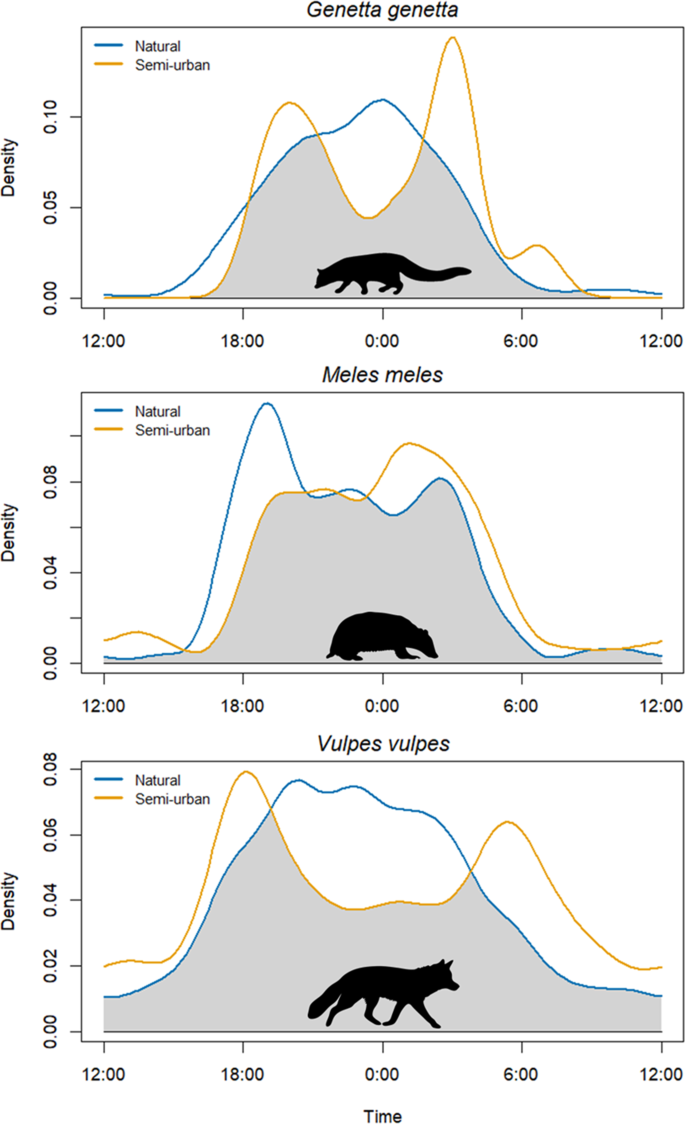
Overall relative abundance of the mesocarnivore community tended to be lower at more urbanized locations, but this effect was not statistically significant. The activity analysis nevertheless showed species-specific changes across the urbanization gradient: red foxes and common genets (Genetta genetta) shifted towards more crepuscular activity in semi-urban landscapes, whereas European badgers (Meles meles) remained nocturnal in both settings.
Species responded differently to urbanization
The authors conclude that mesocarnivore responses to urbanization cannot be reduced to a single pattern. For red foxes, behavioural flexibility in the timing of activity was more evident than a clear change in relative abundance. European rabbits were much more abundant at the semi-urban locations and are themselves most active around dawn and dusk, so the authors suggest that prey availability may have contributed to the foxes’ stronger crepuscular pattern; this explanation was not tested directly.
Behaviour
Related news
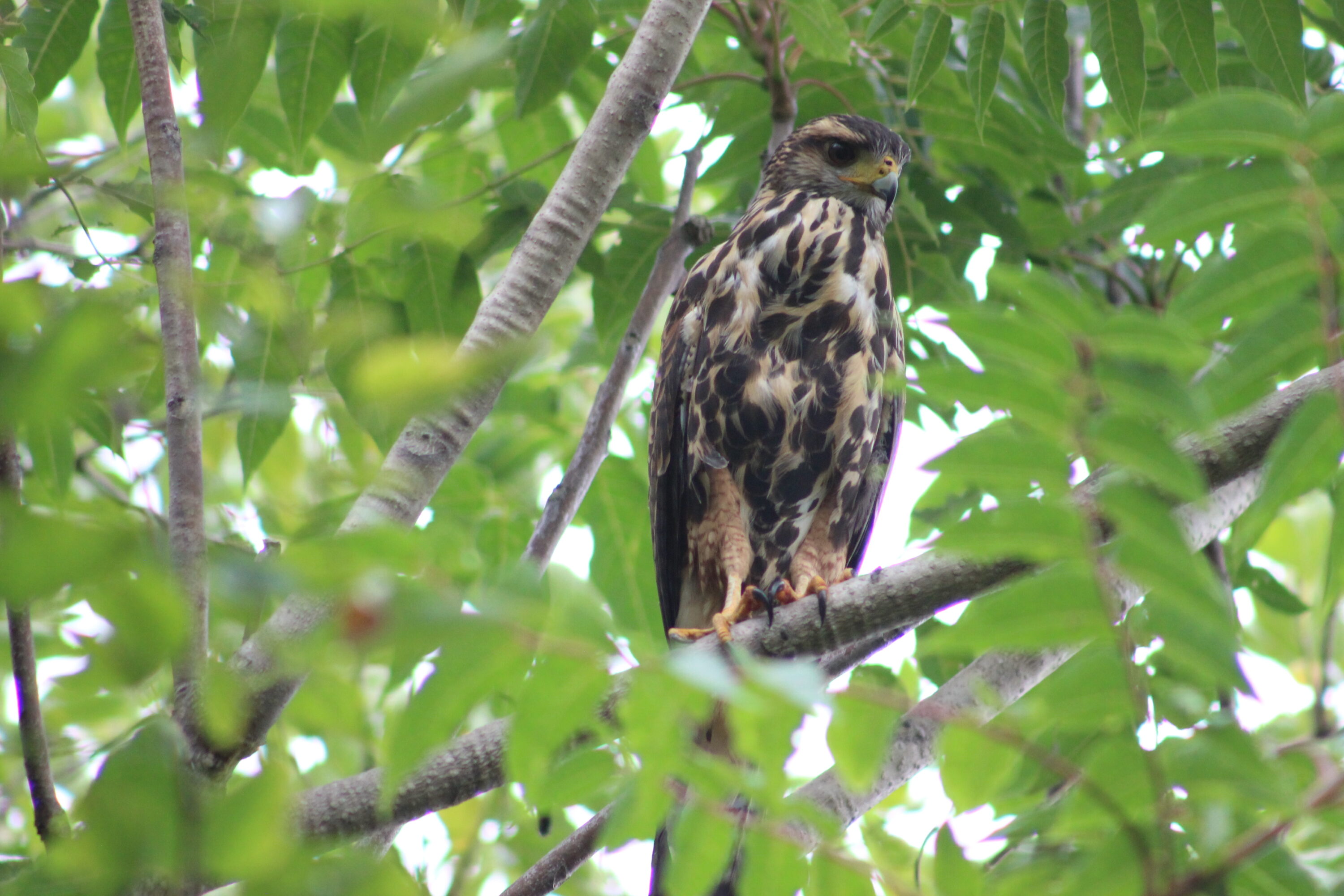
Juvenile Harris's Hawks Manipulated Pine Cones for About Five Minutes
Two juvenile Harris's hawks in Buenos Aires Province tore pine cones from trees, carried them to new perches…
Read story →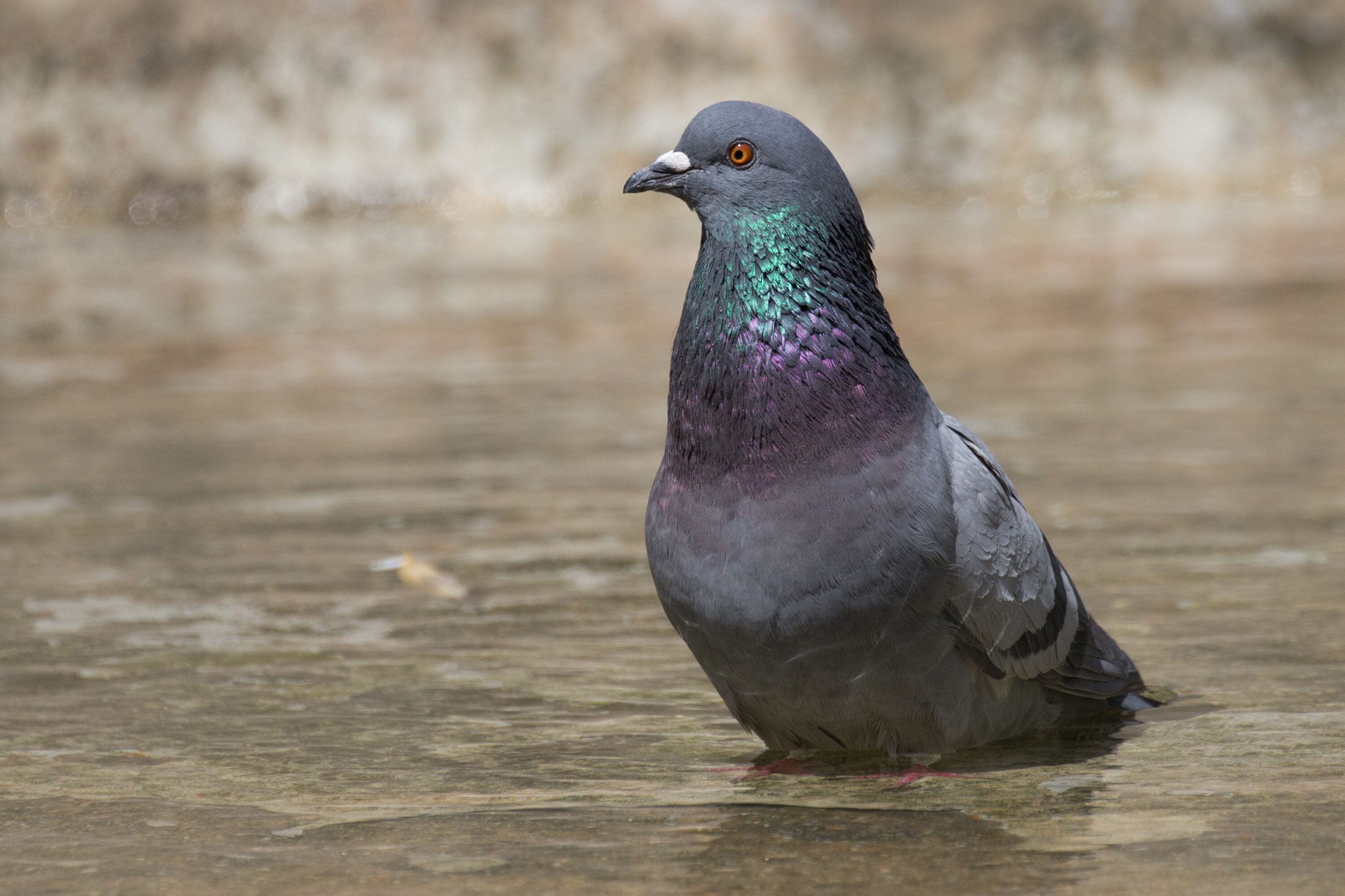
Rock Doves Preferred Predictive Information Despite a Lower Food Payoff
Seven rock doves preferred an informative option that paid on 20% of trials over a non-informative option that…
Read story →
Task Uncertainty Increased Interference From Irrelevant Visual Information in Rhesus Macaque Decisions
Two rhesus macaques made less accurate visual decisions under task uncertainty; recordings and microstimulation in primary visual cortex…
Read story →SPECIES IN THIS STORY
Species in this story
Independent research and conservation news archive
Did you find this information useful?
Wildlife Vagabond is independently built and maintained. Voluntary support helps cover source verification, hosting and continued work on research and conservation news.
Support Wildlife VagabondThe news archive will remain freely available.