
Second Confirmed Indian Grey Hornbill Record Strengthened Evidence of the Species in Bhutan
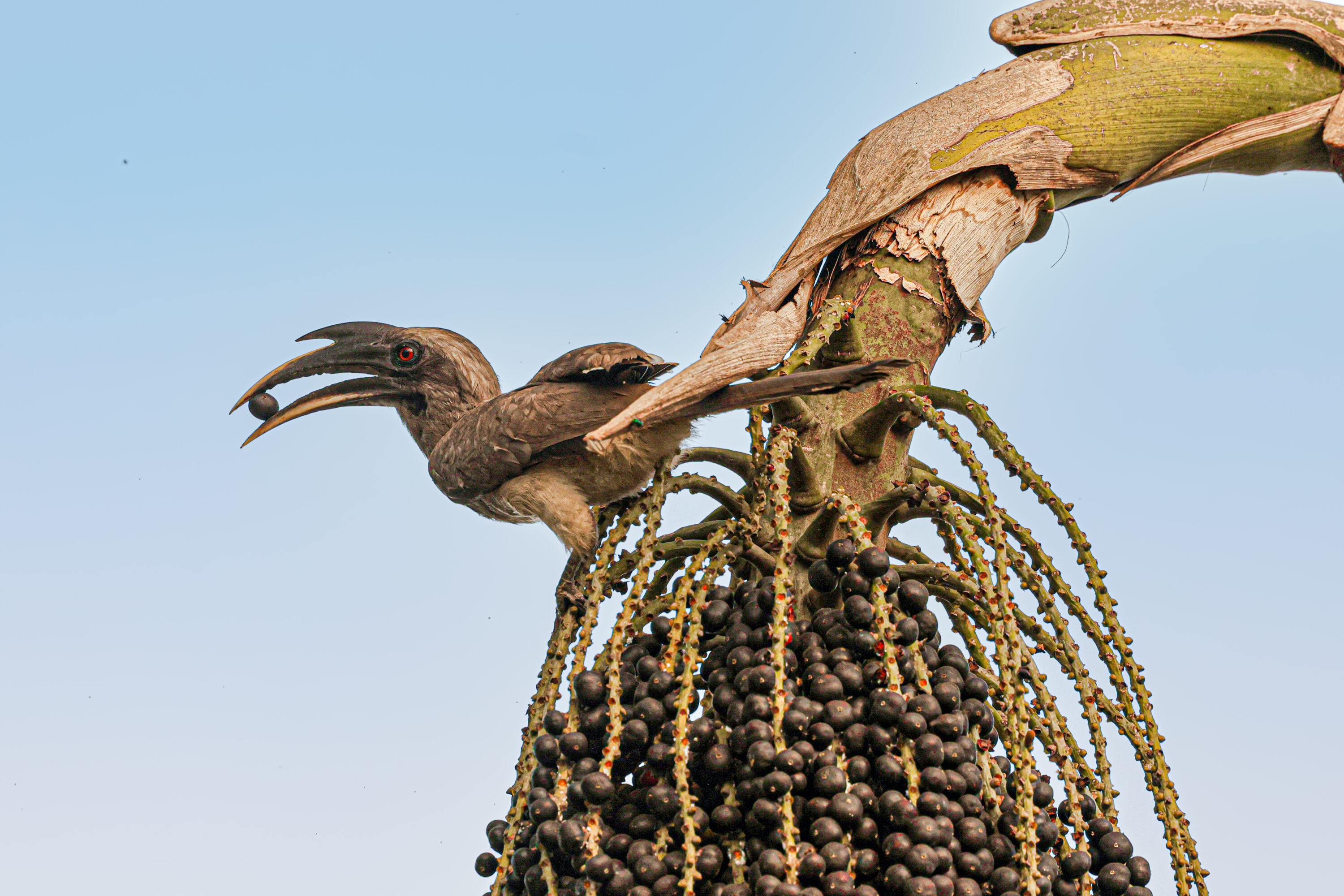
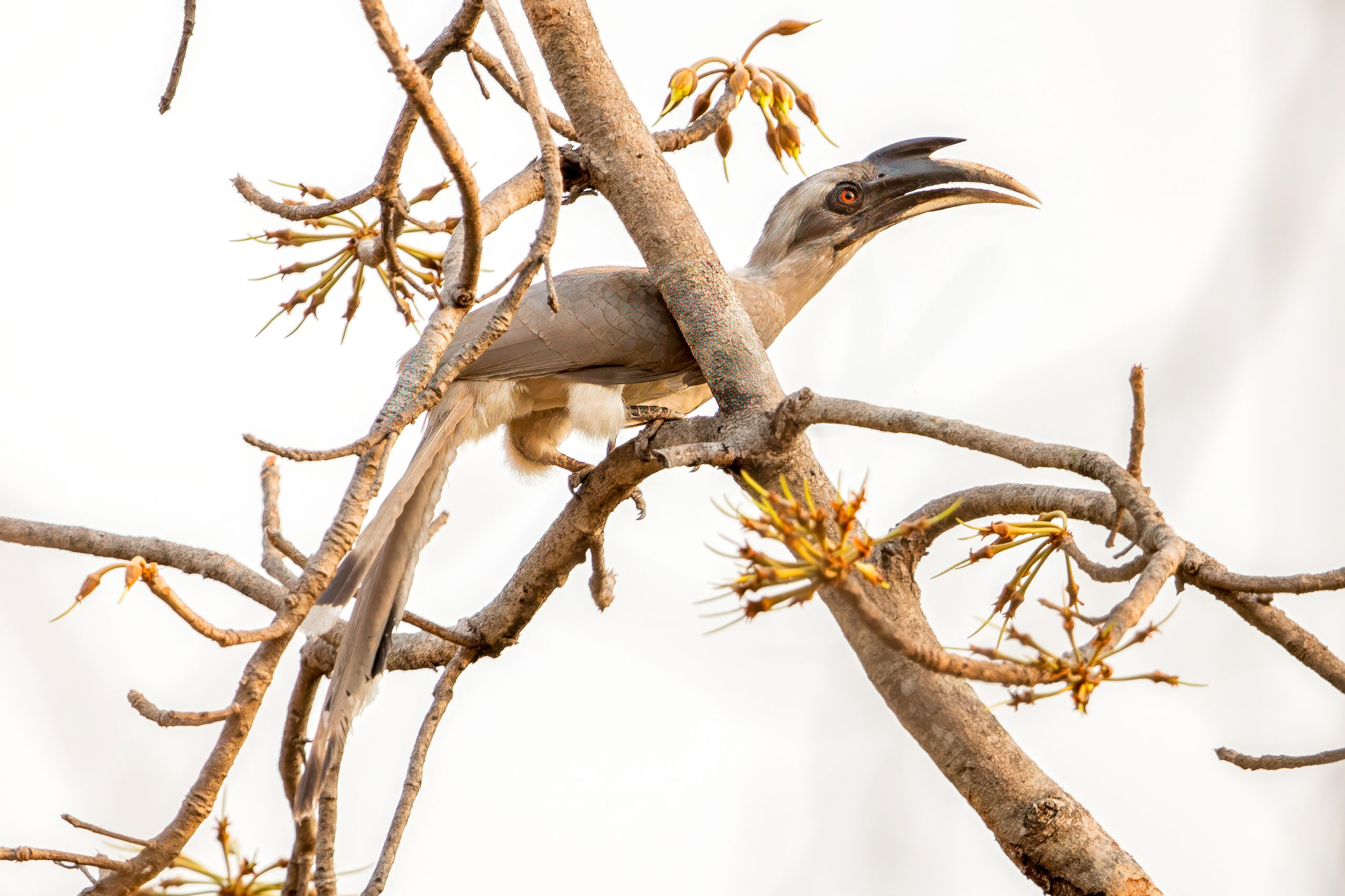
A record published in May 2026 documents the second confirmed observation of indian grey hornbill (Ocyceros birostris) in Bhutan. The bird was photographed south of Samtse College of Education on 4 March 2025, adding a second locality after the species was first confirmed in the country near Gelephu in 2023.
Indian grey hornbills are mainly fruit-eaters of open woodland and deciduous forest, with Ficus fruits among important foods. By swallowing fruit and later dispersing seeds, hornbills can help move plant seeds through dry-deciduous forest landscapes. Repeated use of Bhutan’s subtropical lowlands would therefore represent more than an addition to a national species list; it would place another fruit-eating seed disperser in this forest system.
The account appeared in Indian BIRDS on 9 May 2026. The Samtse bird was found at about 391 metres above sea level, perched in a tree in the subtropical lowlands close to the Indian border. Photographs were reviewed by an ornithologist, and the identification was supported by the characteristic grey-brown plumage, pale supercilium, dark ear-coverts, white-tipped tail and dark subterminal tail band.
Bhutan now has records of five hornbill species
The earlier confirmed indian grey hornbill record came from the Mouthangchhu area near Gelephu in Sarpang District on 13 April 2023. Together, the two observations bring the number of hornbill species documented in Bhutan to five, alongside great hornbill, rufous-necked hornbill, oriental pied hornbill and wreathed hornbill.
The authors note that the Samtse observation is geographically plausible because indian grey hornbills occur regularly just across the border in Indian landscapes including Jaldapara National Park and Buxa Tiger Reserve.
The bird continued to use the Samtse landscape
The Divisional Forest Office in Samtse has been monitoring the species to learn more about its status and habitat use. During the observation period, the bird was seen foraging and roosting and appeared to inspect a cavity in a mature Bombax ceiba tree. Such cavities are also used by other hole-nesting birds, including owlets, mynas and parakeets.
Samtse’s subtropical broadleaf landscape contains a mosaic of natural forest, farmland and riverine habitats. The authors suggest that the area may function as an important feeding site or seasonal habitat for indian grey hornbill.
The authors consider two possible explanations for the Bhutan records: the species may be extending its known range, or it may represent a previously undocumented resident population in the country’s subtropical forest zone. They therefore highlight the need for systematic surveys in Bhutan’s lowland districts and for maintaining ecological connectivity between Bhutanese subtropical forests and neighbouring lowland habitats in India.
Population & status
Related news
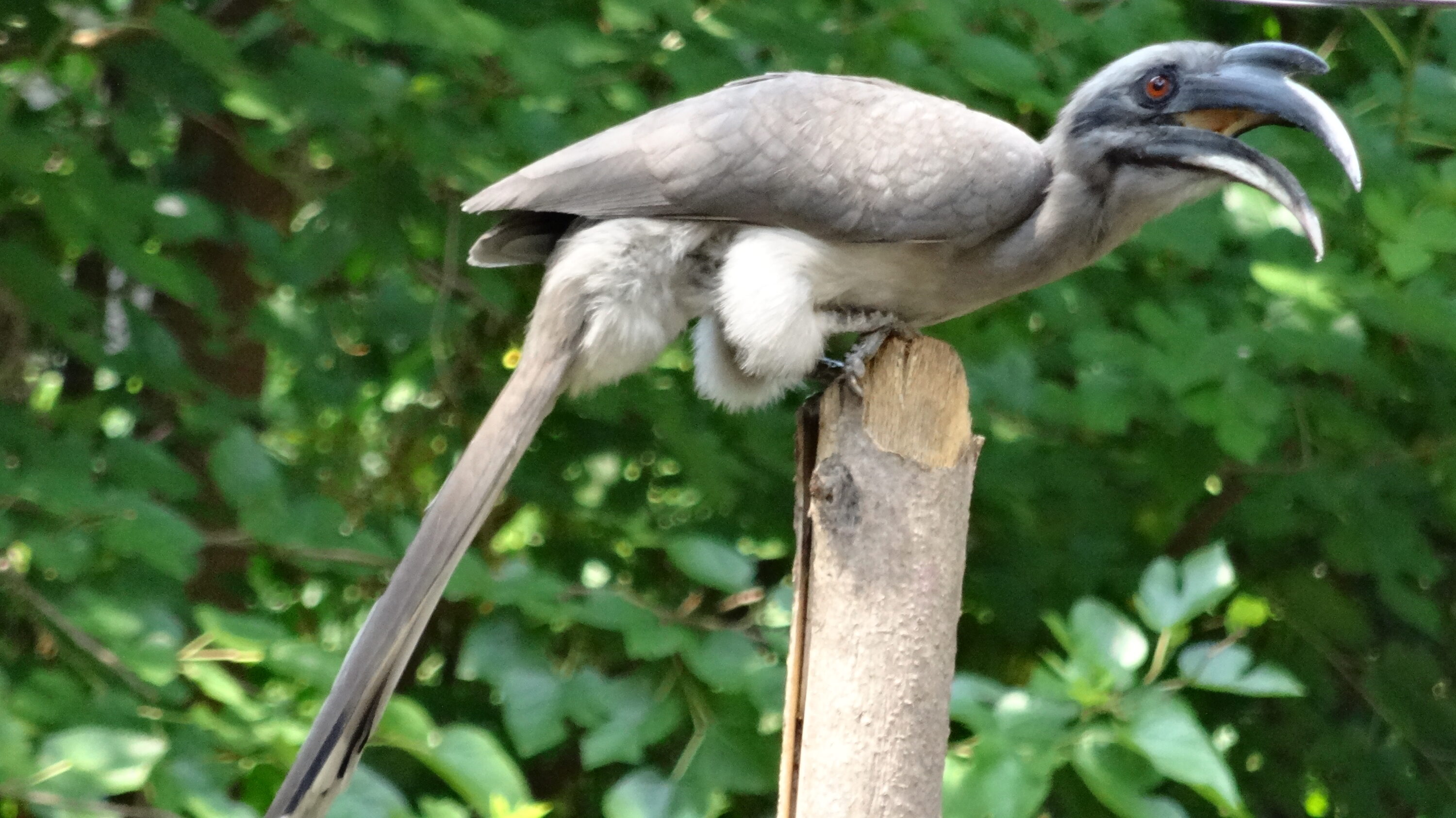
Reintroduced Indian Grey Hornbills Bred in Gir for a Fourth Consecutive Year
Gujarat officials reported a fourth consecutive breeding year for Indian grey hornbills reintroduced to Gir after 40 birds…
Read story →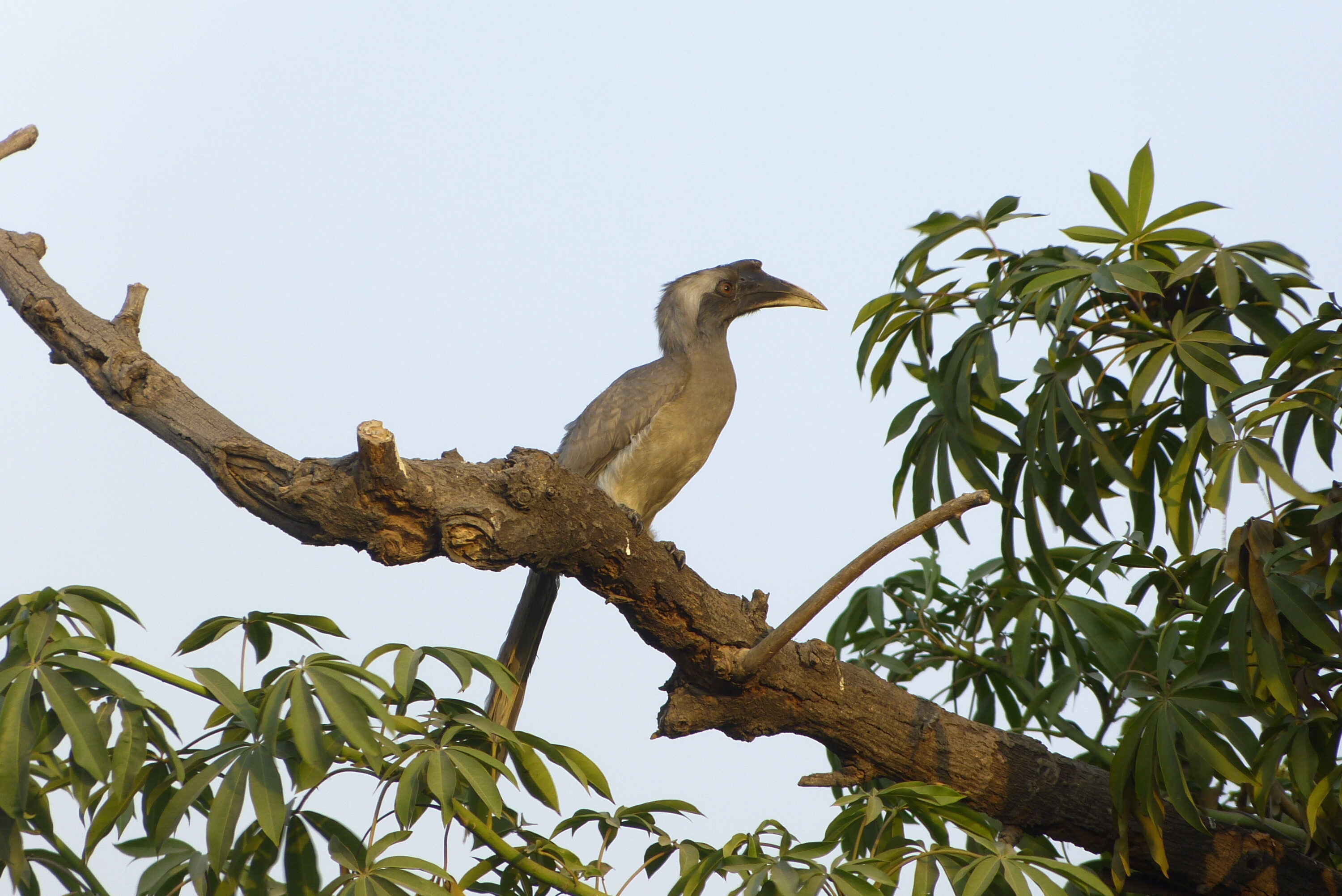
Indian Grey Hornbill Index Was About 2.4 Times Its Earlier Level and Still Rising Recently in India
The 2025 State of India’s Birds update estimated a +141.7% long-term trend for Indian grey hornbill in India,…
Read story →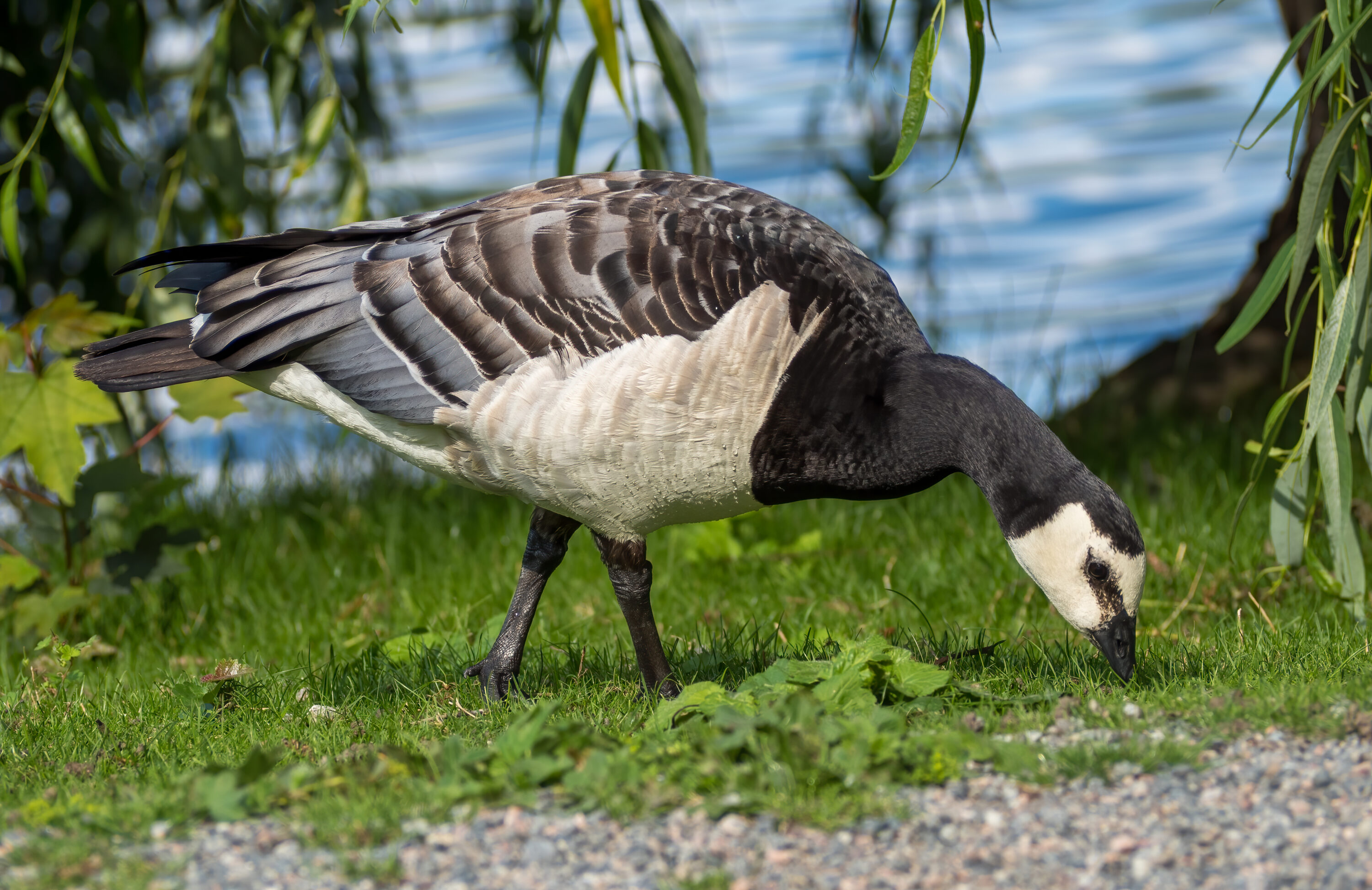
Barnacle Goose Breeding Population Fell 98% on Gotland and Öland – Eagle Predation a Likely Factor
Breeding pairs of Barnacle Geese on Gotland and Öland fell from about 5,290 in 2002 to roughly 100…
Read story →SPECIES IN THIS STORY
Species in this story
Independent research and conservation news archive
Did you find this information useful?
Wildlife Vagabond is independently built and maintained. Voluntary support helps cover source verification, hosting and continued work on research and conservation news.
Support Wildlife VagabondThe news archive will remain freely available.