
Single-Cell Sequencing Found Immune Differences in One Inbred Amur Tiger
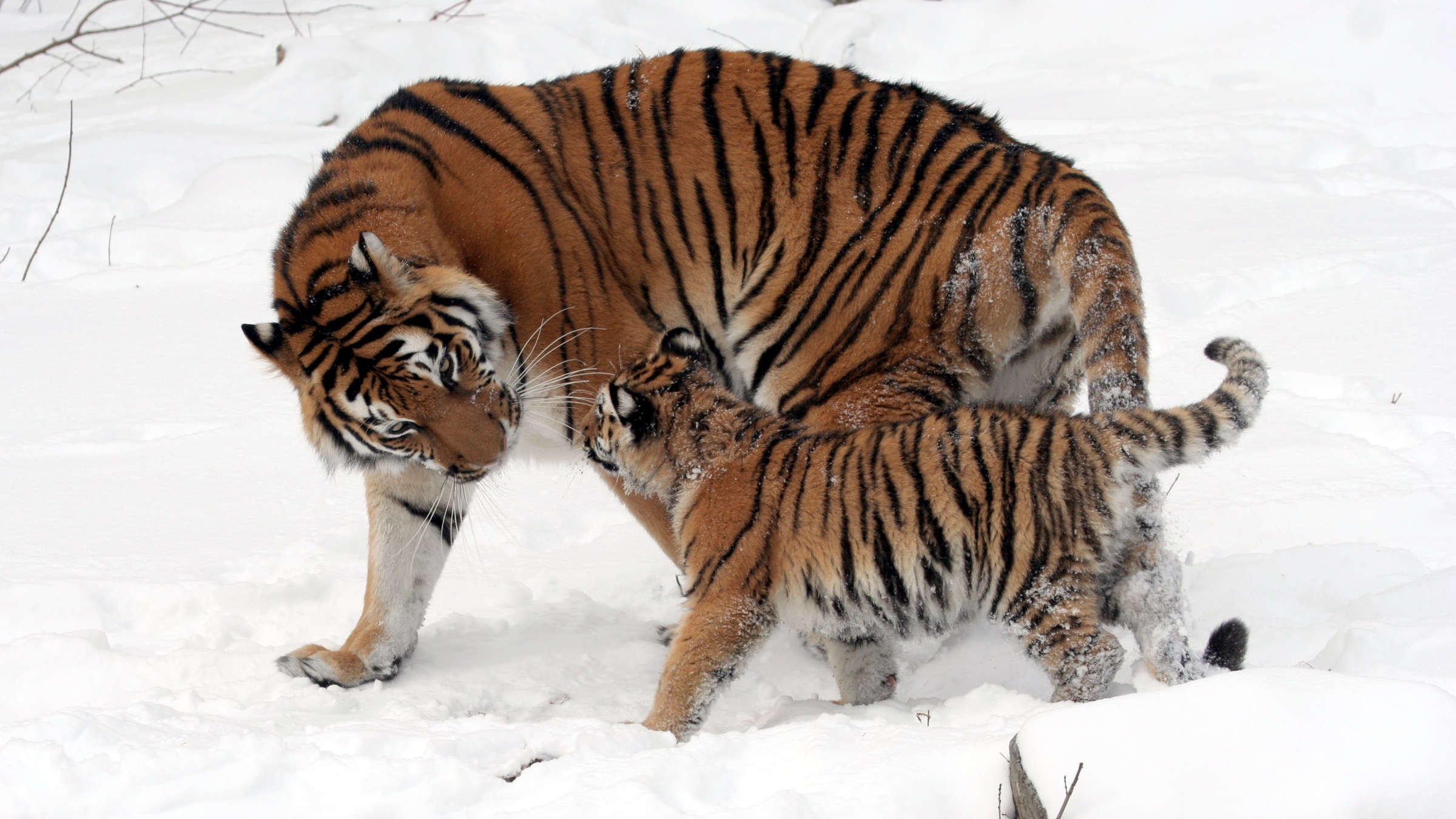
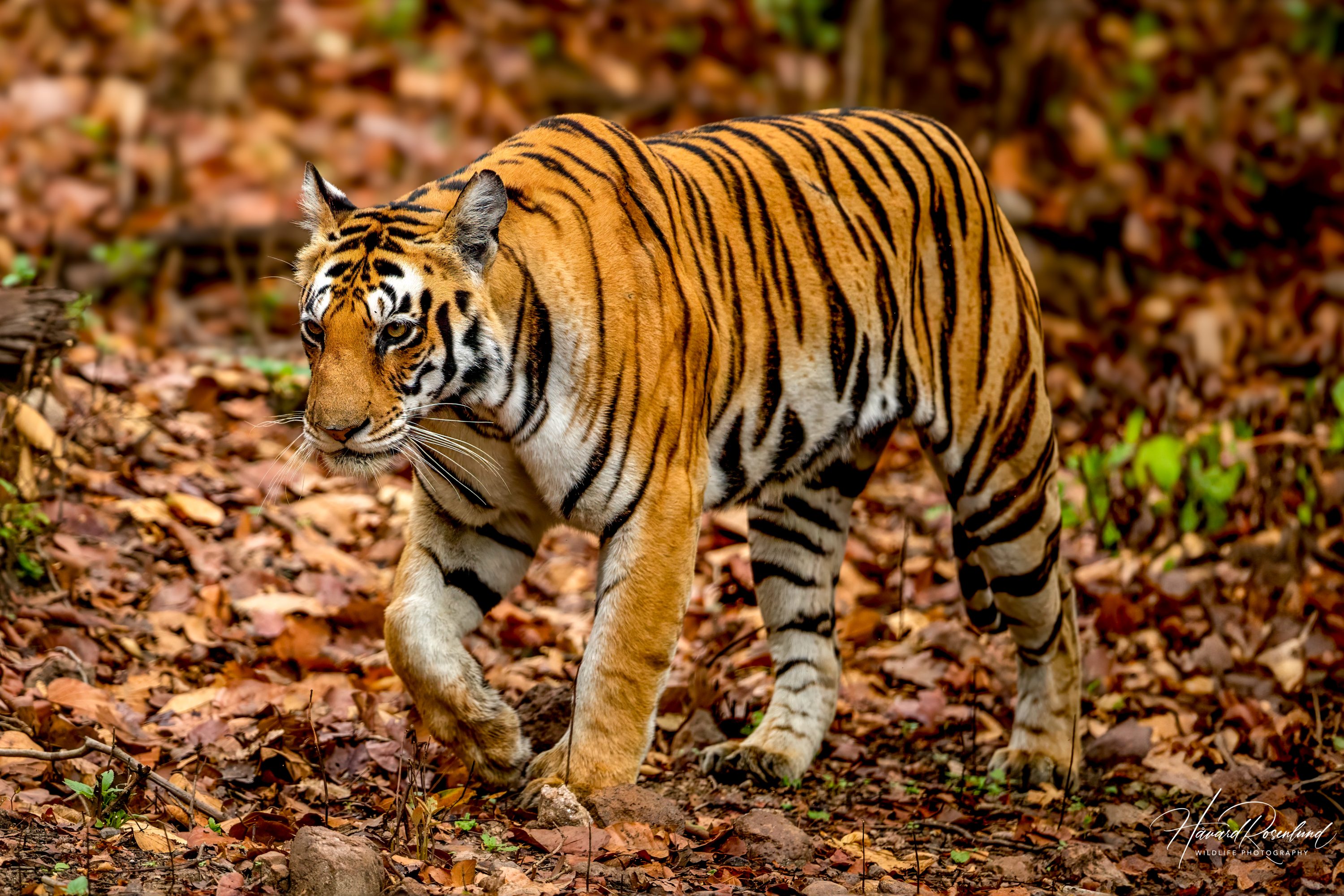
Single-cell RNA sequencing has revealed differences in immune-cell composition and gene activity between one inbred and one non-inbred young female Amur tiger (Panthera tigris altaica). The study, published on 25 April 2026 in BMC Genomics, combined whole-genome sequencing with single-cell transcriptomics to explore how inbreeding might be associated with the immune system at cellular level. Single-cell transcriptomics measures RNA separately in thousands of individual cells, showing which genes are active in each cell and allowing different immune-cell types to be compared rather than averaging them together.
Genomic signs of inbreeding
Both tigers were 12-month-old captive females from Baoshanqian Wild Animal Park and Changchun Zoological and Botanical Park in China, kept under matched feeding conditions. Pedigree information gave the inbred individual an inbreeding coefficient of 0.25, indicating substantial recent inbreeding in its family history. Genomic analysis supported that classification: long runs of homozygosity—stretches of DNA where the two chromosome copies carry the same inherited variants—covered about 32% of the inbred tiger’s genome, compared with 11.6% in the other tiger. Long homozygous stretches become more common when closely related parents pass down matching chromosome segments.
Differences in immune cells and signalling
Differences in immune cells and signalling
The researchers analysed peripheral blood mononuclear cells, a mixture of immune cells circulating in the blood. After quality control, 29,523 individual cells were classified into eight major cell types. The inbred tiger had lower relative proportions of several lymphocyte populations and cDC2 dendritic cells. Dendritic cells help detect foreign material and present antigens to other immune cells, linking early immune recognition with later immune responses. Other cell types differed in the opposite direction.
Gene-expression analysis also identified differences between corresponding cell populations in the two animals. Several pathways involved in immune regulation, inflammation and cellular signalling differed between the two tigers. The researchers also used patterns of signalling genes and their receptors to infer which immune-cell types might be communicating with one another. This computational network suggested weaker overall signalling strength in the inbred tiger even though it contained a larger number of predicted cell-to-cell interactions; these were modelled interactions from gene-expression data, not communications observed directly in living cells.
The study also highlighted changes in expression of genes including YTHDC2 and pathways that the authors discuss in relation to immune regulation, inflammation and disease susceptibility. These molecular patterns were derived from transcriptomic associations; the study did not experimentally test the function of YTHDC2 or measure corresponding changes at the protein level.
Preliminary results from two animals
Preliminary results from two animals
The authors emphasize that the comparison involved only one tiger in each condition. They therefore describe the findings as exploratory: some differences could reflect individual variation rather than inbreeding itself, and results from captive animals may not fully represent wild populations.
Molecular biology & biochemistry
Related news
DNA Methylation Shifted as Namibian Male Cheetahs Became Territorial
Paired blood samples from ten free-ranging Namibian males revealed widespread, predominantly increased DNA methylation after the same cheetahs…
Read story →
Svalbard Ptarmigan and Golden Hamsters Shared a TSH Pathway for Seasonal Timing
A comparison of neuroendocrine tissue in summer- and winter-like states found the same core TSH seasonal-timing pathway in…
Read story →
Larger Broods and Older Social Fathers Were Linked to Shorter Telomeres in Male Barn Swallow Nestlings
A long-term study near Milan found shorter telomeres in male barn swallow nestlings from larger broods or with…
Read story →SPECIES IN THIS STORY
Species in this story
Independent research and conservation news archive
Did you find this information useful?
Wildlife Vagabond is independently built and maintained. Voluntary support helps cover source verification, hosting and continued work on research and conservation news.
Support Wildlife VagabondThe news archive will remain freely available.