
Larger Broods and Older Social Fathers Were Linked to Shorter Telomeres in Male Barn Swallow Nestlings
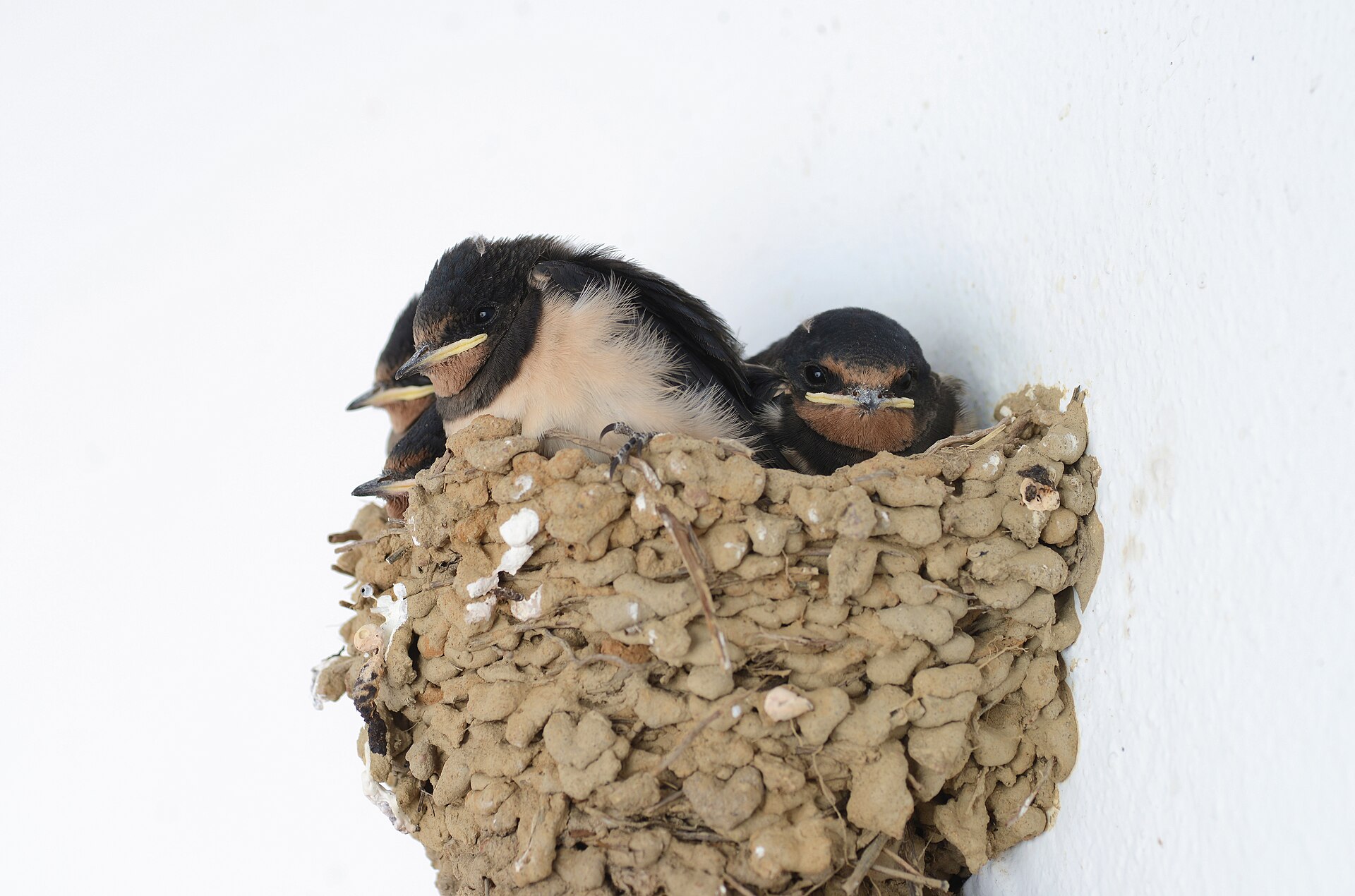
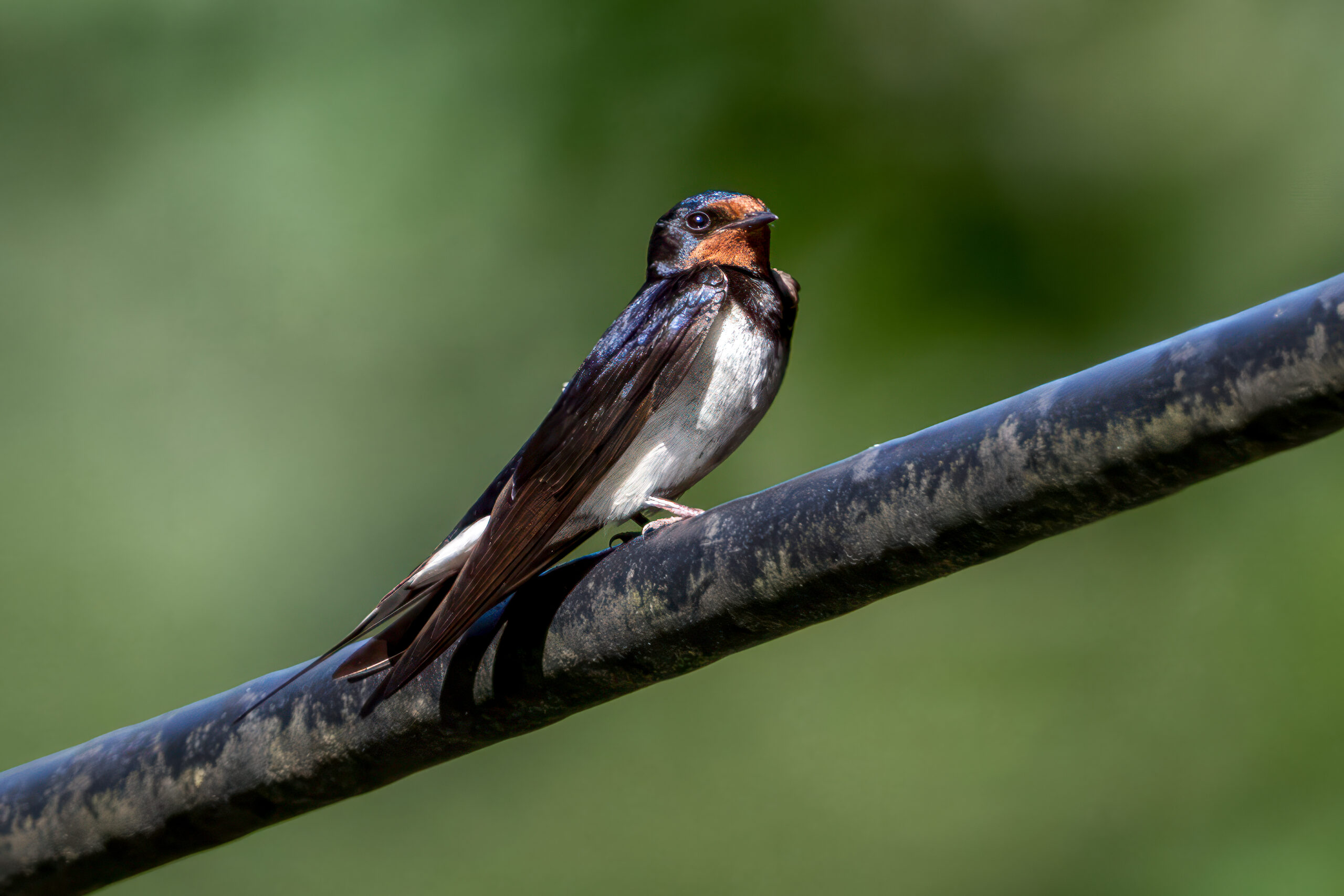
Male barn swallow (Hirundo rustica) nestlings from larger broods had shorter relative telomere length, and the same pattern was found in nestlings raised by older social fathers—the males caring for the brood, without confirmed genetic paternity. Telomeres are repeated DNA sequences at the ends of chromosomes that help protect genetic material; their length can reflect both inherited differences and conditions experienced during growth. The study was published in Integrative Zoology on 28 August 2026.
A long-term study of males that returned
The research came from five farm colonies near Milan in northern Italy that have been monitored for many years. Across the 2010–2017 cohorts, researchers ringed 3,222 nestlings. Blood was collected from some chicks at eight to 13 days old, and the birds were then followed through repeated captures in later breeding seasons. Because most young barn swallows disperse away from their natal colony, the final telomere analysis was restricted to 74 males that later returned locally as breeding adults; only five females had suitable samples.
Larger broods and older social fathers were linked to shorter telomeres
Brood size was negatively associated with relative telomere length: males that had grown up with more nest-mates tended to have shorter telomeres. Social-father age showed a similar negative association in the model with complete parental information, which included 64 males. Hatching date, maternal age and the length of the parents’ outer tail feathers were not associated with nestling telomere length.
The study also linked telomere length early in life with later survival. Among 66 males with known family identity, individuals with longer telomeres as nestlings were more likely to survive beyond their first breeding season and reach at least two years of age. However, when lifespan was analysed across all observed ages, the association pointed in the same direction but the study could not clearly distinguish it from no relationship. The results therefore do not show that longer nestling telomeres caused a longer total lifespan.
Larger broods may expose chicks to stronger competition and lower food availability per individual, conditions that can increase physiological stress and contribute to telomere shortening. The association with social-father age has more than one possible explanation. An older genetic father could pass on different telomere characteristics through his sperm, while age-related changes in parental care could also alter the nestling environment.
Genetic paternity was not known
The study could not separate those possibilities. Genetic paternity and parental telomere length were not measured, so the male caring for a brood was treated as the social father and was not guaranteed to be the genetic sire. The analysis was also limited to males that returned to their natal colonies, a small and non-random subset of all nestlings. The authors therefore caution that the pattern may not apply in the same way to females or to birds that dispersed elsewhere.
Molecular biology & biochemistry
Related news
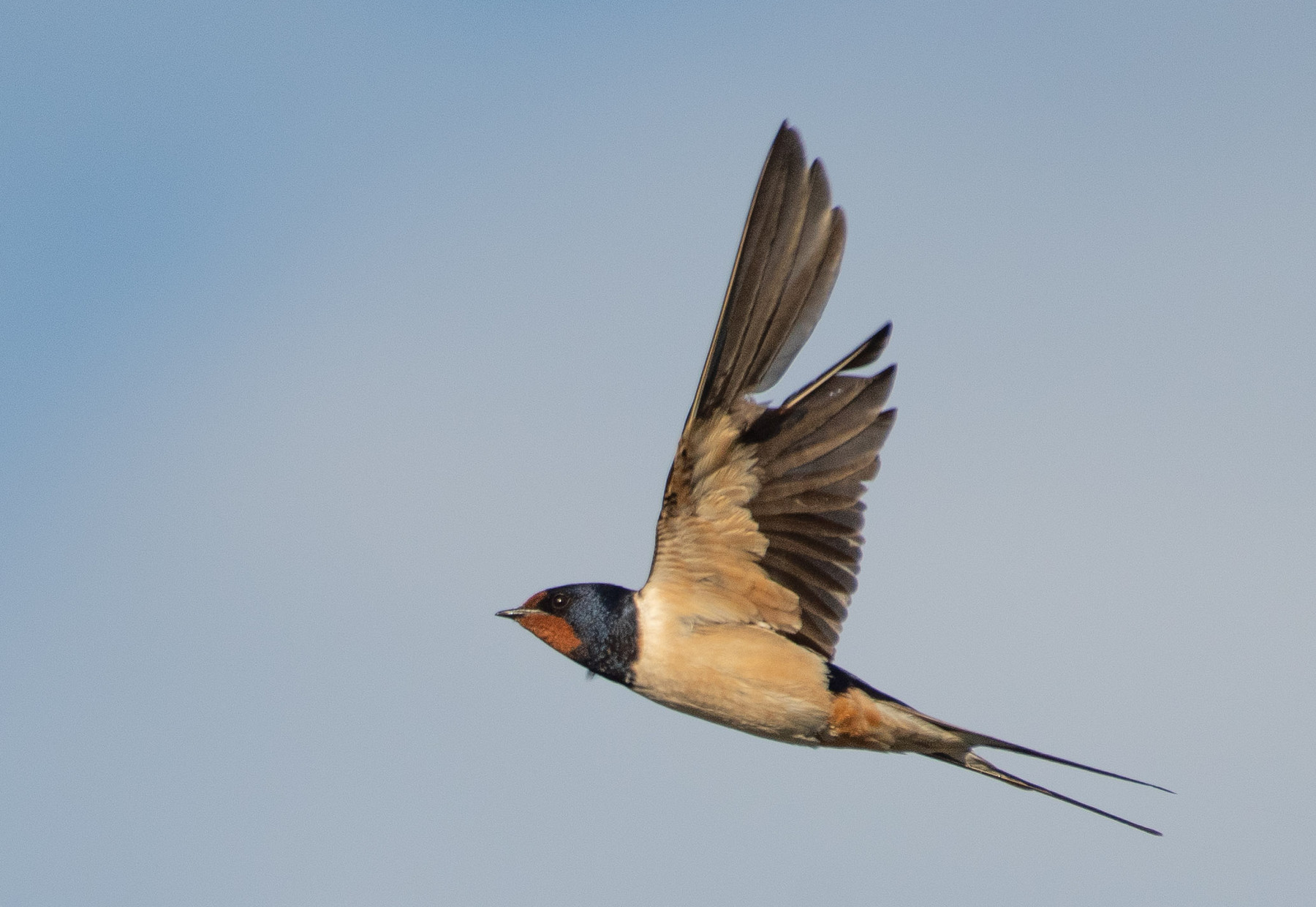
Usutu Virus RNA Was Found Nearly Three Times as Often as West Nile Virus RNA in Southern France
Among 2,533 wild birds from 69 species in southern France, Usutu virus RNA was detected in 12.0% and…
Read story →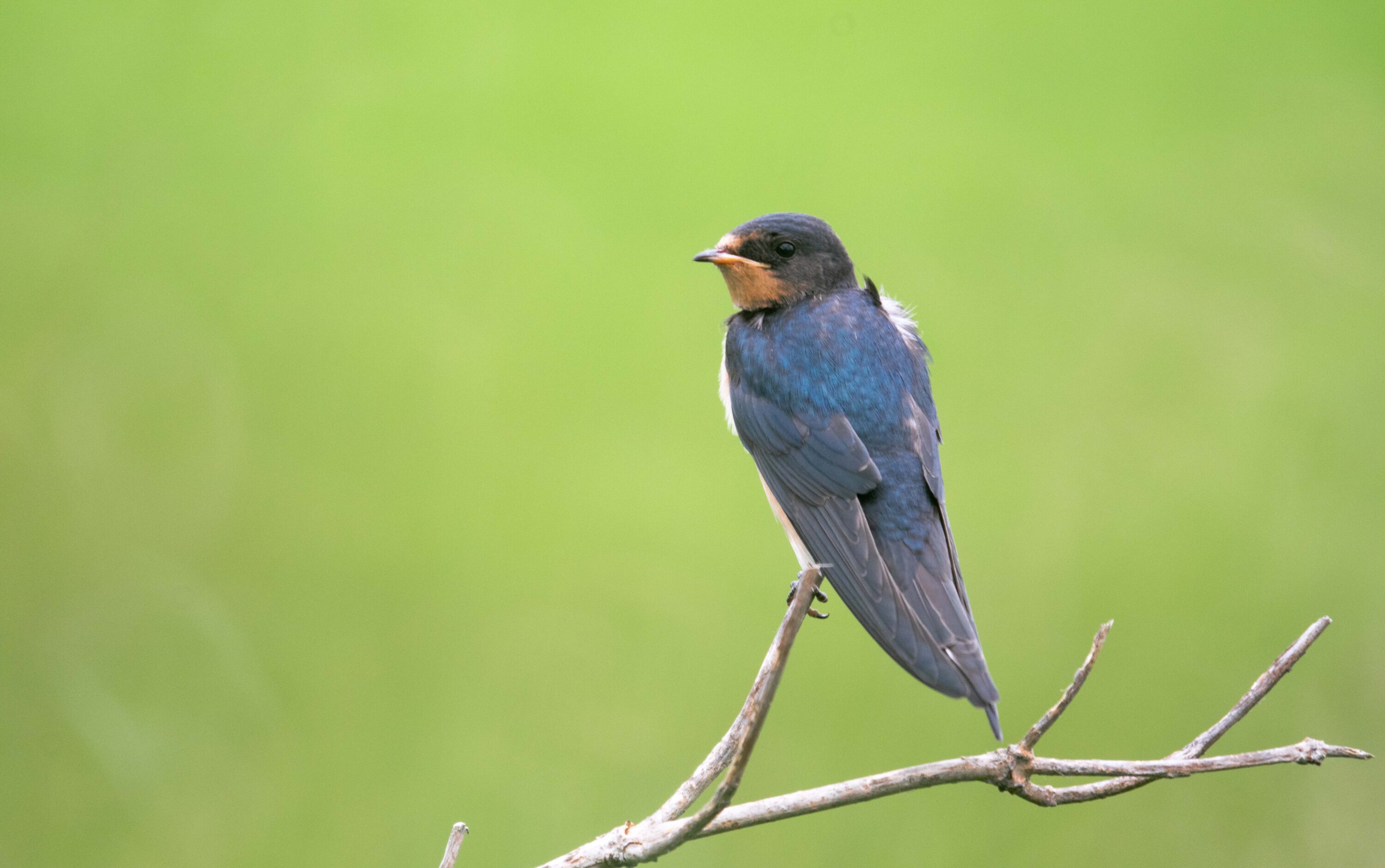
Mitochondrial DNA Reveals a More Complex Evolutionary History of Barn Swallows
A study of 580 complete barn swallow mitochondrial genomes found five major maternal lineages, including a newly recognised…
Read story →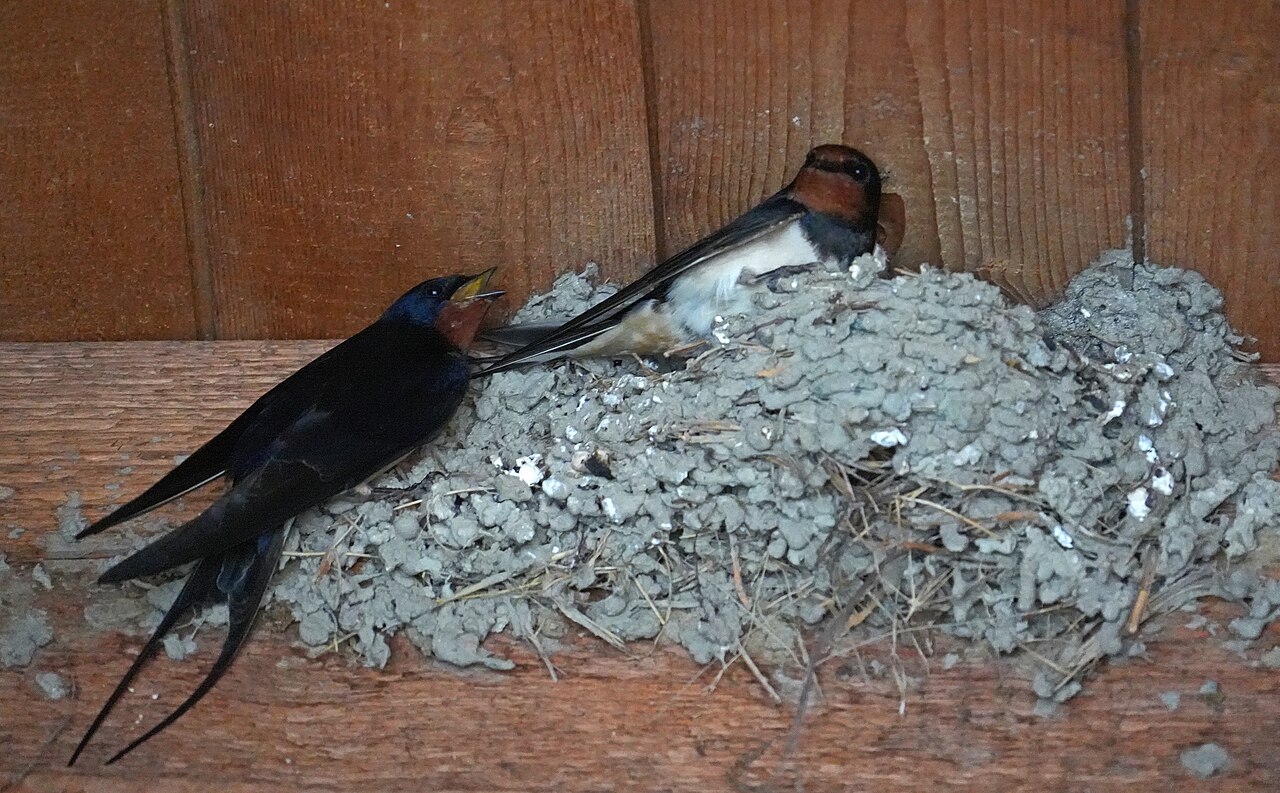
About Ten Barn Swallow Pairs Used Replacement Nesting Structures at Goss Farm
About ten barn swallow pairs used replacement nesting structures after access to a long-used barn colony at Goss…
Read story →SPECIES IN THIS STORY
Species in this story
Independent research and conservation news archive
Did you find this information useful?
Wildlife Vagabond is independently built and maintained. Voluntary support helps cover source verification, hosting and continued work on research and conservation news.
Support Wildlife VagabondThe news archive will remain freely available.