
New Chromosome-Scale Genome Suggests Different Population Histories in White Rhinoceros Subspecies
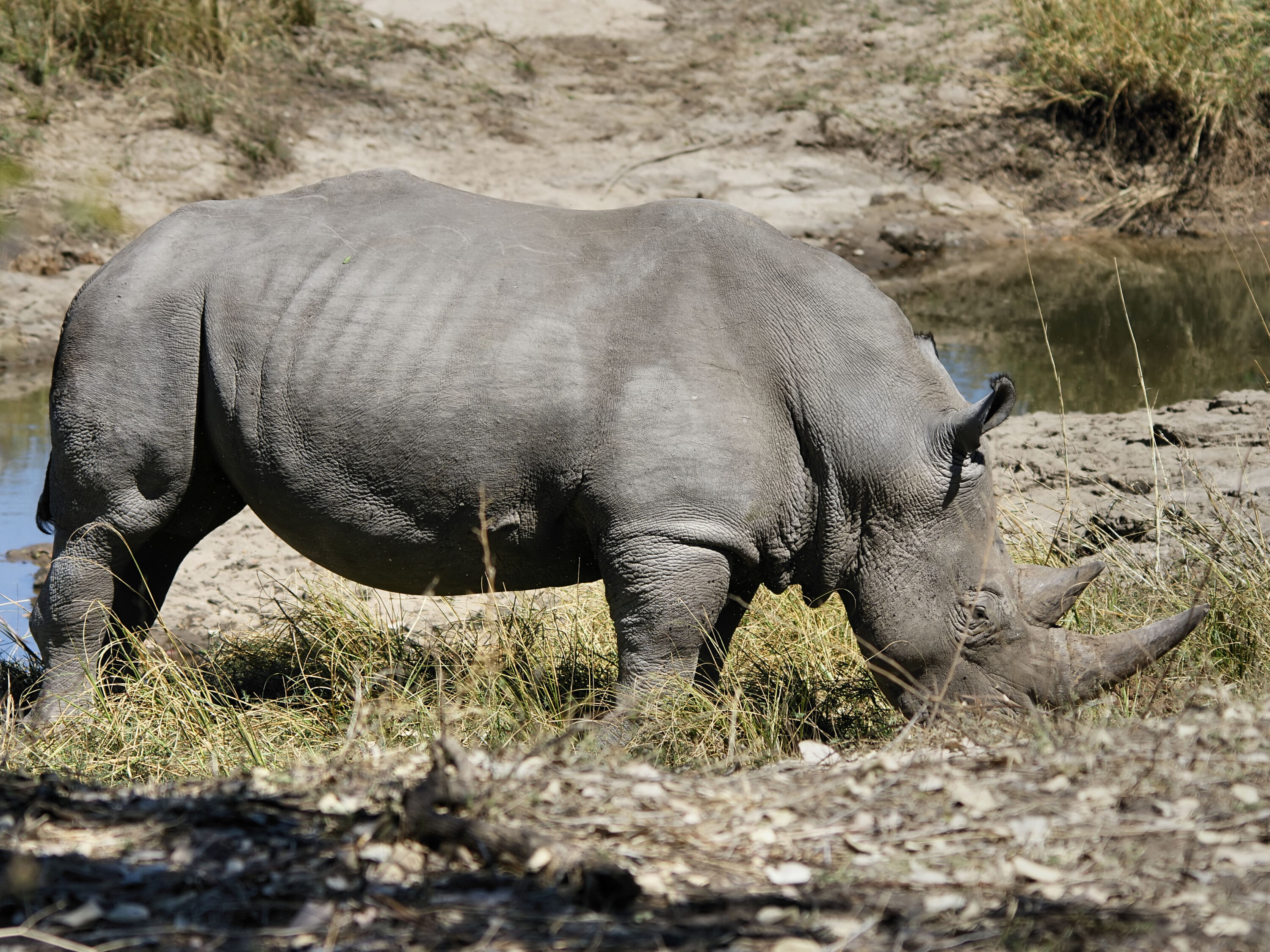
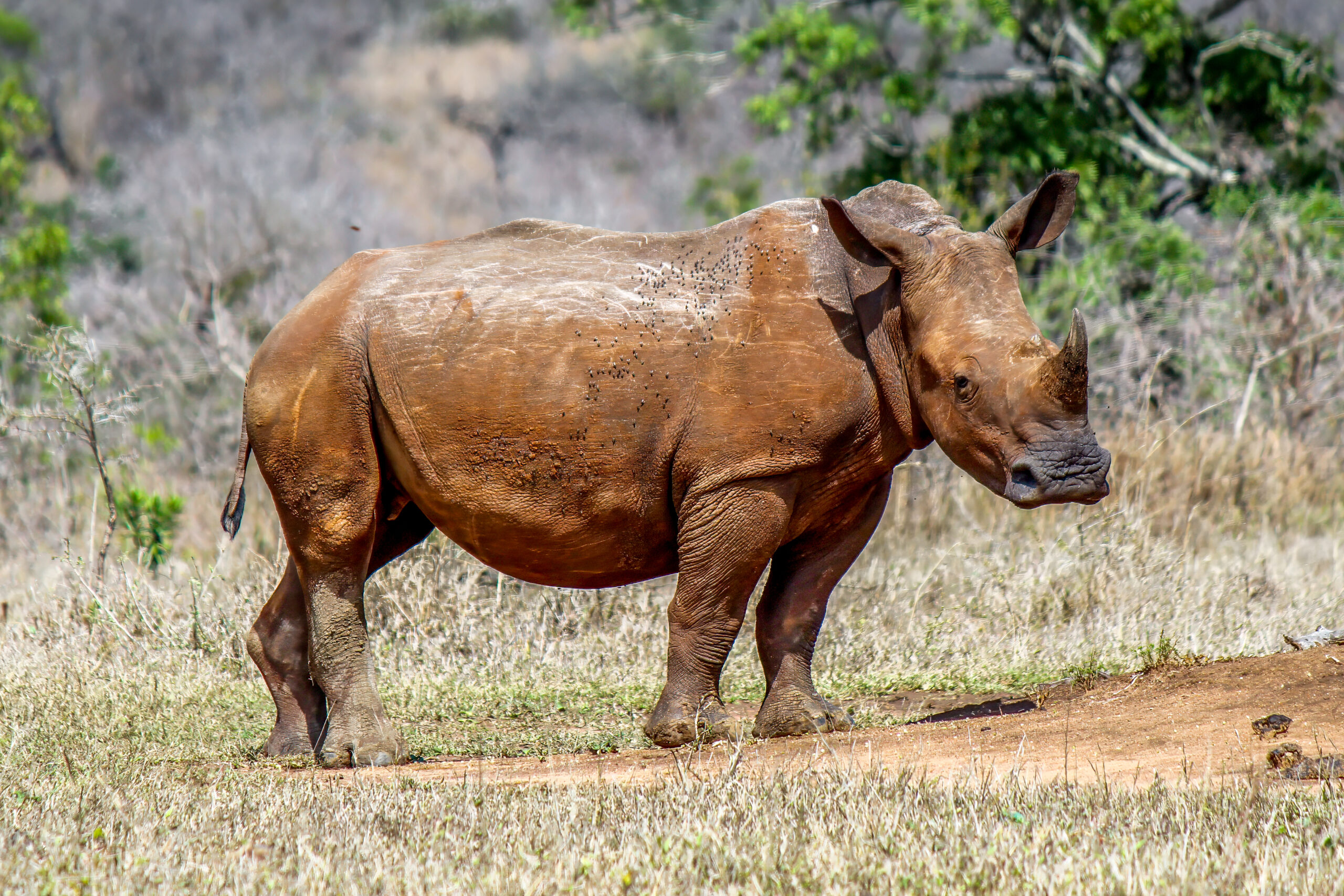
A chromosome-scale genome assembly published in 2026 has greatly improved the genetic reference available for the southern white rhinoceros (Ceratotherium simum simum) and revealed differences in the long-term demographic histories of the southern and northern white-rhinoceros subspecies.
The researchers combined three complementary data types from a male southern white rhinoceros. Long Oxford Nanopore reads helped bridge large and repetitive DNA regions, accurate short Illumina reads were used to polish base-level errors, and Hi-C data linked DNA pieces according to how they physically contact one another inside chromosomes. The resulting genome spans 2.48 billion base pairs, with about 2.46 billion anchored to the animal’s 40 autosomes plus the X and Y chromosomes.
The assembly reached a contig N50 of 42.06 million base pairs, compared with only 93,000 base pairs in the previous reference. N50 means that half of the assembled genome is contained in continuous DNA pieces at least that long. The 452-fold improvement therefore describes a dramatic reduction in fragmentation, not a claim that every base is 452 times more accurate.
The genome annotation identified 22,593 protein-coding genes. The researchers also examined the major histocompatibility complex class II (MHC-II), an immune region whose genes help present fragments of foreign proteins to immune cells so that pathogens can be recognised. Its overall gene composition and order were conserved between the southern and northern white rhinoceros (Ceratotherium simum cottoni).
Chromosomes were broadly similar despite local structural differences
At the whole-chromosome level, the two reference genomes were largely similar. The comparison nevertheless identified local structural differences, including 111 inversions, where a DNA segment is oriented in the opposite direction, and 497 translocations, where sequence blocks occur in different genomic positions. These affected tens of millions of base pairs in the two assemblies. The authors describe the pattern as local structural variation rather than wholesale chromosome rearrangement. Large structural variants of at least 10,000 base pairs overlapped the coding regions of 835 protein-coding genes. These genes were disproportionately associated with cellular architecture, chromatin remodelling, DNA metabolism, autophagy and immune-related regulation, including control of interferon-beta production. The authors suggest that some lineage-specific structural variants could therefore contribute to fine-scale regulatory or functional differences between the subspecies, but the analysis does not demonstrate a physiological effect in the animals.
However, the comparison is based on individual reference genomes. The study cannot determine whether each structural variant is fixed across an entire subspecies, represents ordinary individual variation, reflects assembly differences or has any measurable effect on the animals. Population-level long-read data would be needed to resolve that.
The northern individual showed higher genome-wide heterozygosity
The study also compared genome-wide heterozygosity, the proportion of callable DNA positions where the two chromosome copies carry different variants. In the two individuals used for this direct comparison, the northern genome had about 8.36 heterozygous positions per 10,000 callable bases, compared with 6.30 per 10,000 in the newly sequenced southern individual. A higher value means that this individual retained more variation between its two chromosome copies. The result is consistent with earlier population-genomic work reporting higher diversity in northern than southern white rhinoceroses, but the two numbers here should not be treated as complete population averages.
The two subspecies followed different demographic histories
To reconstruct population history, the researchers used coalescent genetic models. These models read patterns of shared and differing DNA variants as traces of how strongly ancestral lineages repeatedly merged back to common ancestors through time. The resulting “effective population size” is a genetic measure of how many individuals effectively contributed genes to future generations; it is not a direct census of how many rhinos were alive.
The models suggest that the two subspecies did not follow identical trajectories through the Pleistocene. After a marked Middle Pleistocene decline, the southern lineage rose to a pronounced effective-population peak about 200,000–300,000 years ago, declined toward about 100,000 years ago, showed a smaller increase around 40,000–50,000 years ago and then fell again toward the recent period. The northern lineage instead increased more continuously after the Middle Pleistocene decline, reaching a local peak around 120,000 years ago before also declining toward the present. Both therefore showed lower recent effective sizes than in deeper historical periods, but the timing and shape of their inferred expansions differed. These curves should be treated as demographic hypotheses rather than direct historical counts: the northern reconstruction relies on one genome, while an additional SMC++ analysis could use five southern genomes.
The authors present the new assembly primarily as a genomic resource. Its chromosome-level resolution makes it possible to compare structural variation, immune-related regions and demographic history more precisely and provides a stronger reference for future evolutionary and conservation-genomics work on white rhinoceroses.
Genetics & genomics
Related news
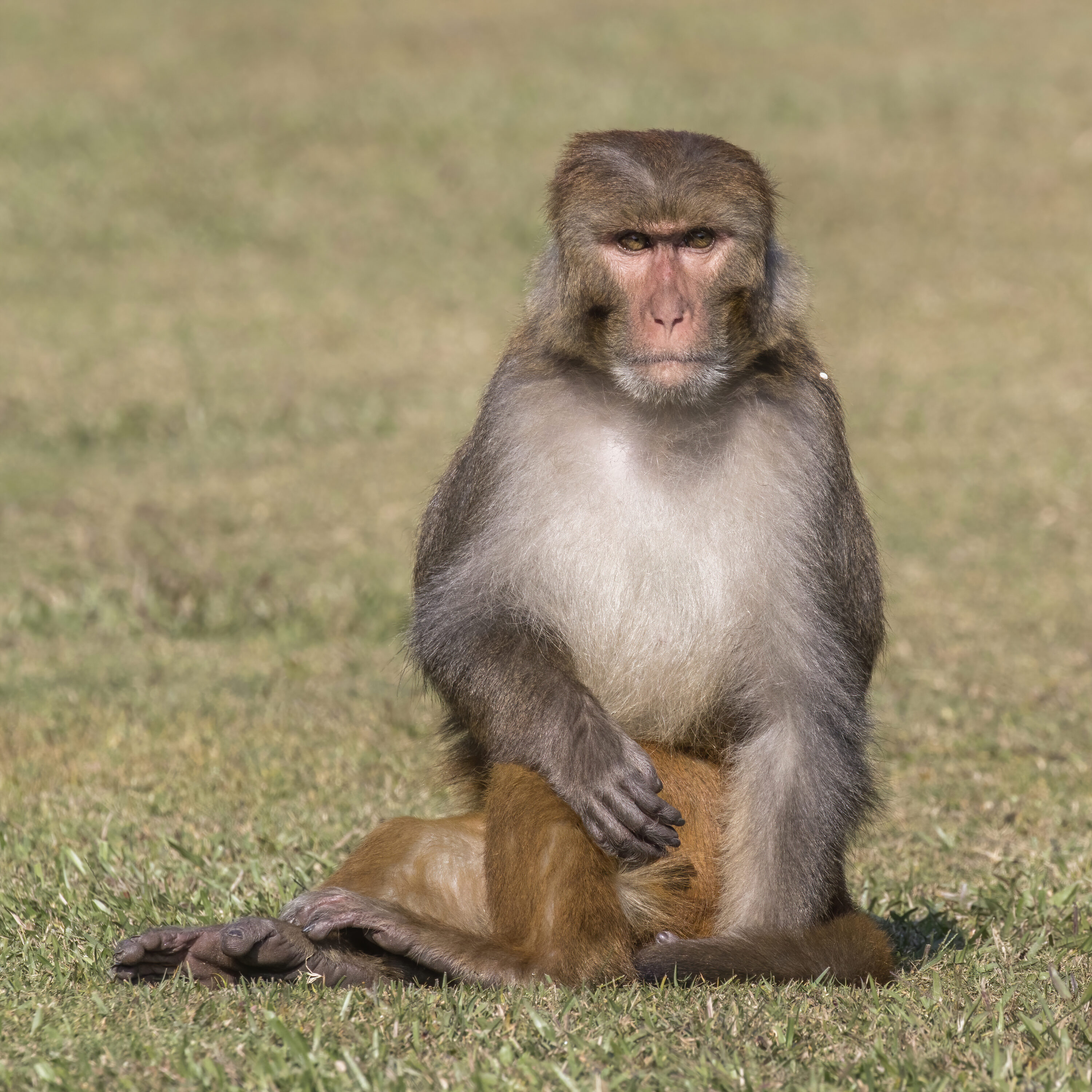
mFISH Mapped 16 of 22 Rhesus Macaque Chromosome Types to a Single Human Chromosome
Human chromosome-painting probes showed one-to-one homology for 16 of 22 rhesus macaque chromosome types, while three macaque chromosomes…
Read story →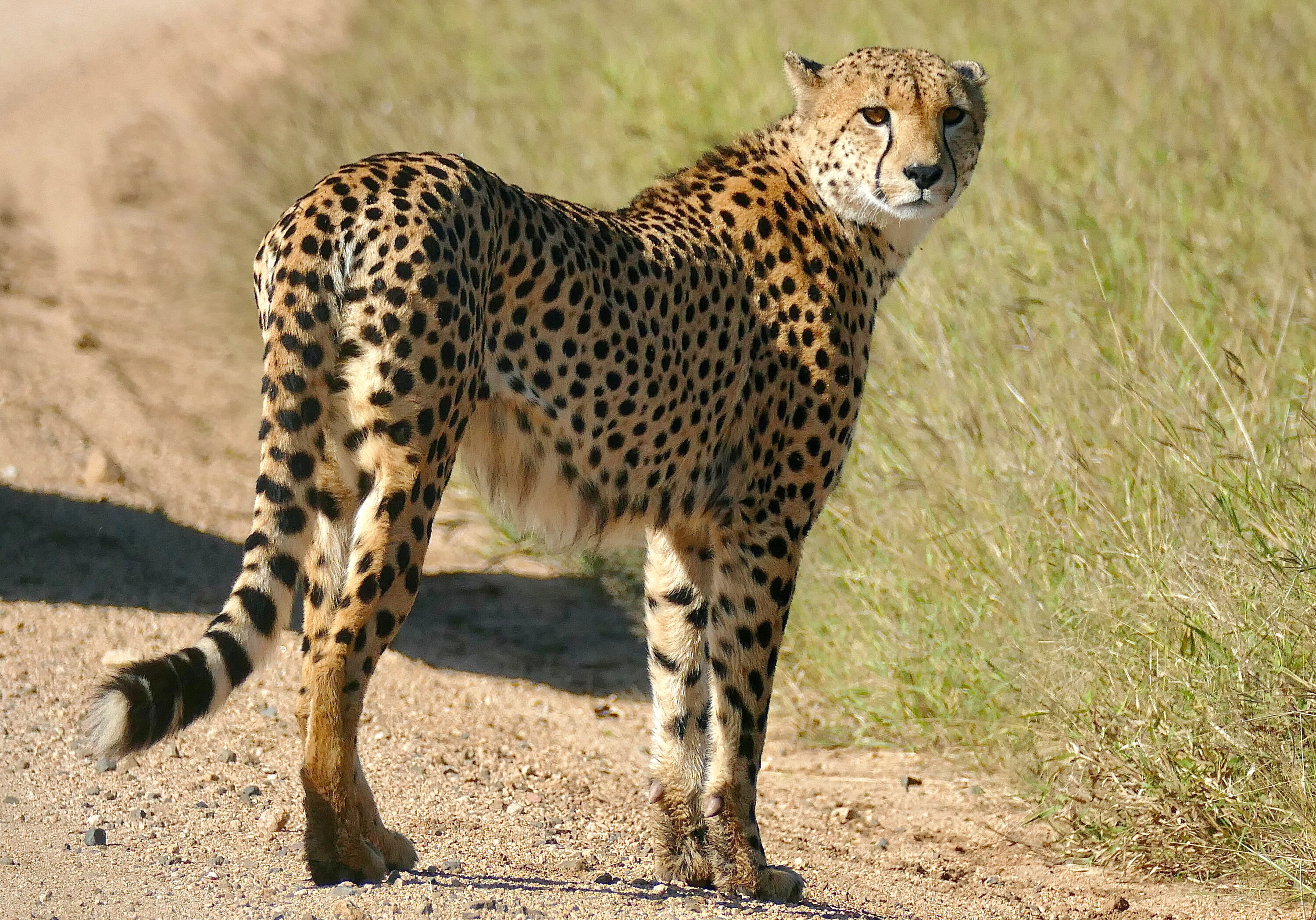
DNA Methylation Shifted as Namibian Male Cheetahs Became Territorial
Paired blood samples from ten free-ranging Namibian males revealed widespread, predominantly increased DNA methylation after the same cheetahs…
Read story →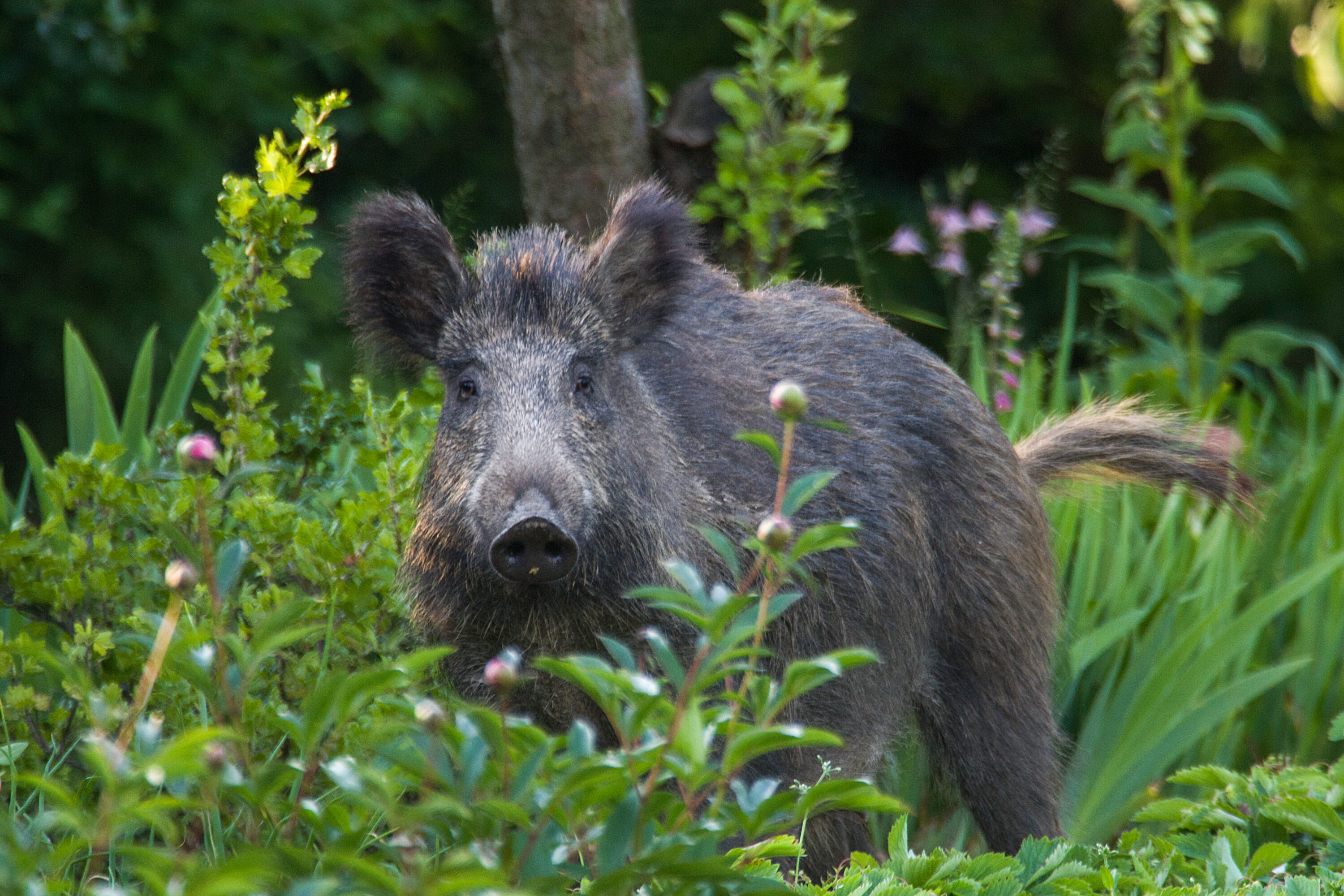
Zoonotic Sarcocystis Found in 3.3% of Polish Wild Boar Hunted for Food
Molecular testing of 241 wild boar from all 16 Polish provinces found Sarcocystis miescheriana DNA in 90% and…
Read story →SPECIES IN THIS STORY
Species in this story
Independent research and conservation news archive
Did you find this information useful?
Wildlife Vagabond is independently built and maintained. Voluntary support helps cover source verification, hosting and continued work on research and conservation news.
Support Wildlife VagabondThe news archive will remain freely available.