
Reintroduced spotted hyenas establish home ranges within seven months in Tswalu
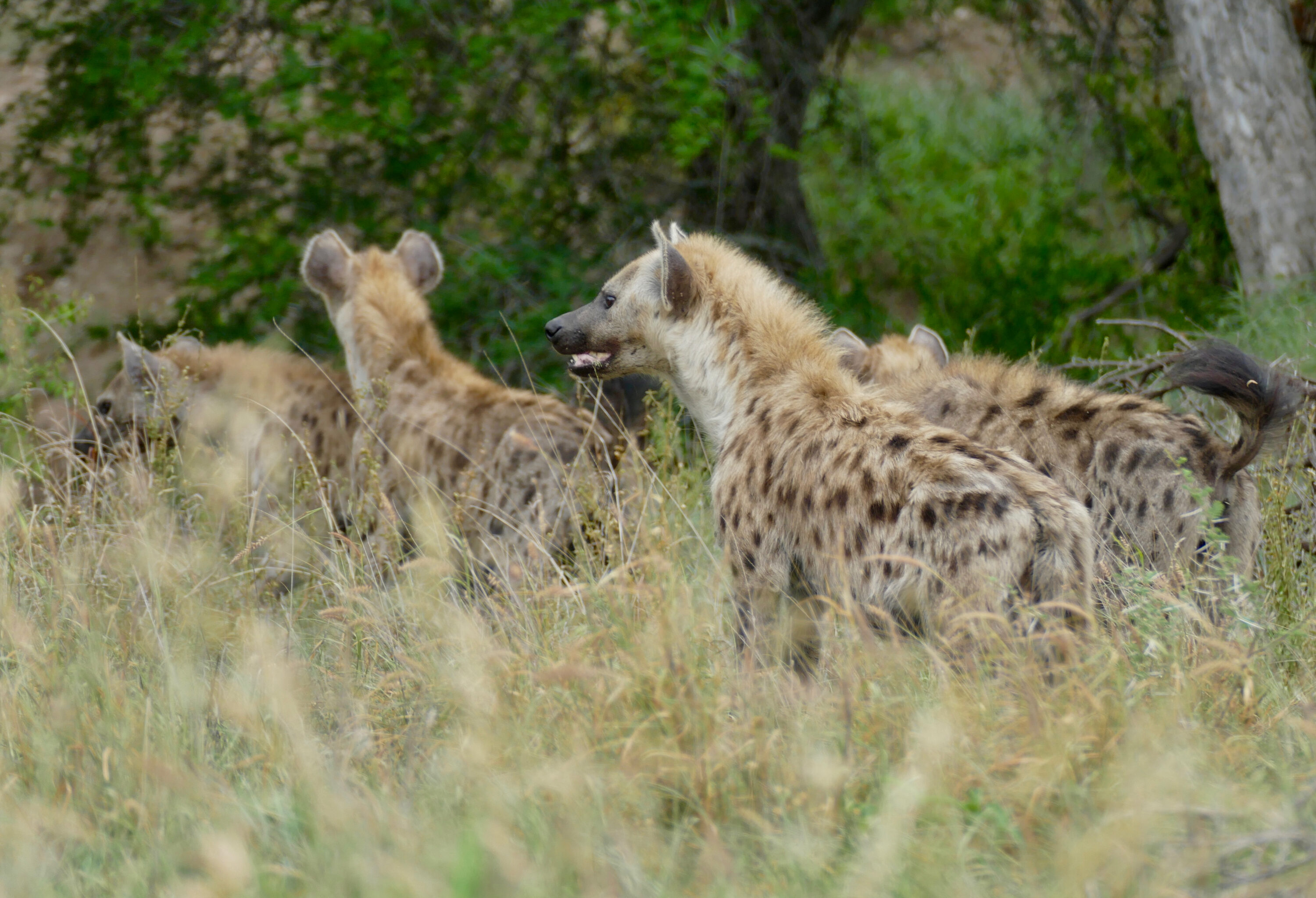
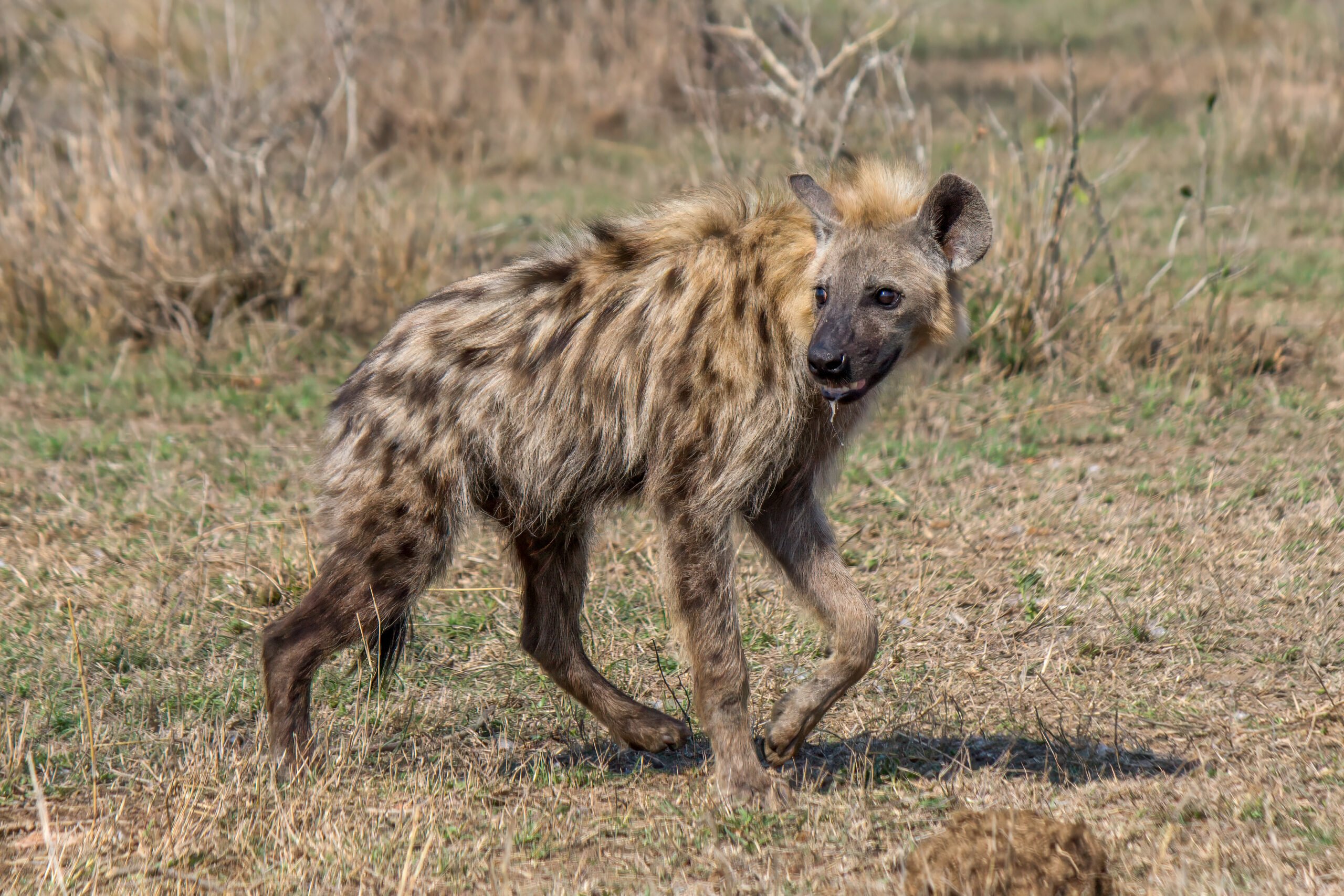
A study published in August 2026 followed how spotted hyenas (Crocuta crocuta) re-established themselves after being returned to Tswalu Kalahari Reserve in South Africa. Ten hyenas were reintroduced to the reserve, restoring a large predator that had previously disappeared from this part of the southern Kalahari.
Five of the animals were fitted with satellite collars, allowing researchers to follow their movements hour by hour. The study examined how quickly new home ranges formed, how much individual ranges overlapped and whether the animals continued to associate mainly with the same individuals they had been released alongside.
Stable home ranges formed within about seven months
The reintroduced hyenas established stable home ranges within about seven months after release. Across the five collared animals, the average home range was about 307 square kilometres, although individual ranges varied substantially.
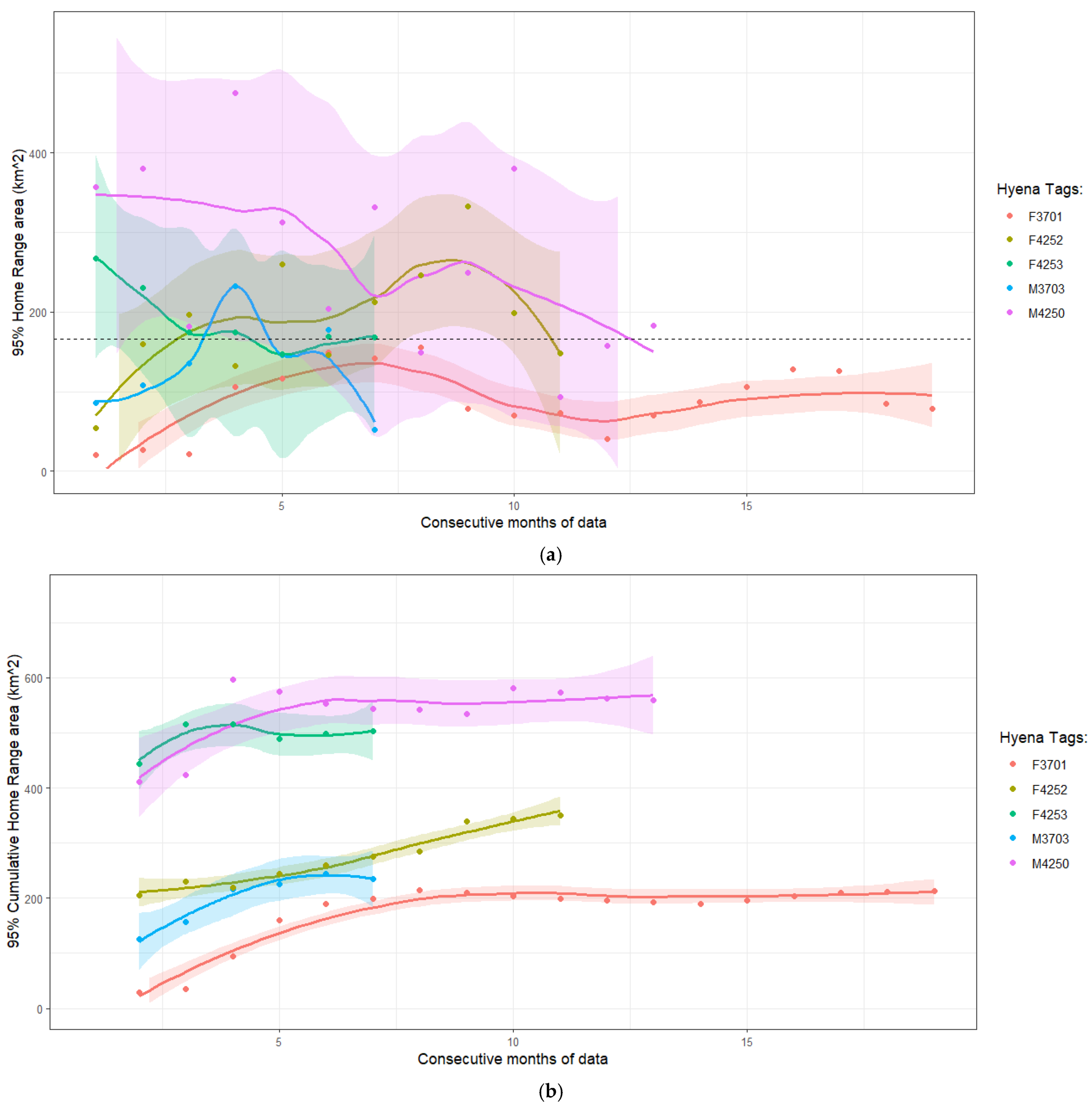
The hyenas together used most of the Korannaberg section of Tswalu, but no single part of the reserve was used equally by every animal. Individual home ranges overlapped by no more than about 36 percent, and several hyenas made long exploratory movements before settling into more predictable patterns.
Social ties crossed the original release groups
Social relationships also proved more flexible than the composition of the original release groups might suggest. Movements became synchronised when animals were within roughly 10 kilometres of one another, but the hyenas did not remain socially tied only to the individuals with which they had been reintroduced. Animals from different release cohorts could associate as the new population developed.
The authors also note that, in an arid setting without lions and with abundant resources, the home ranges of reintroduced hyenas may be smaller than is typical for the species.
Reintroductions & translocations
Related news
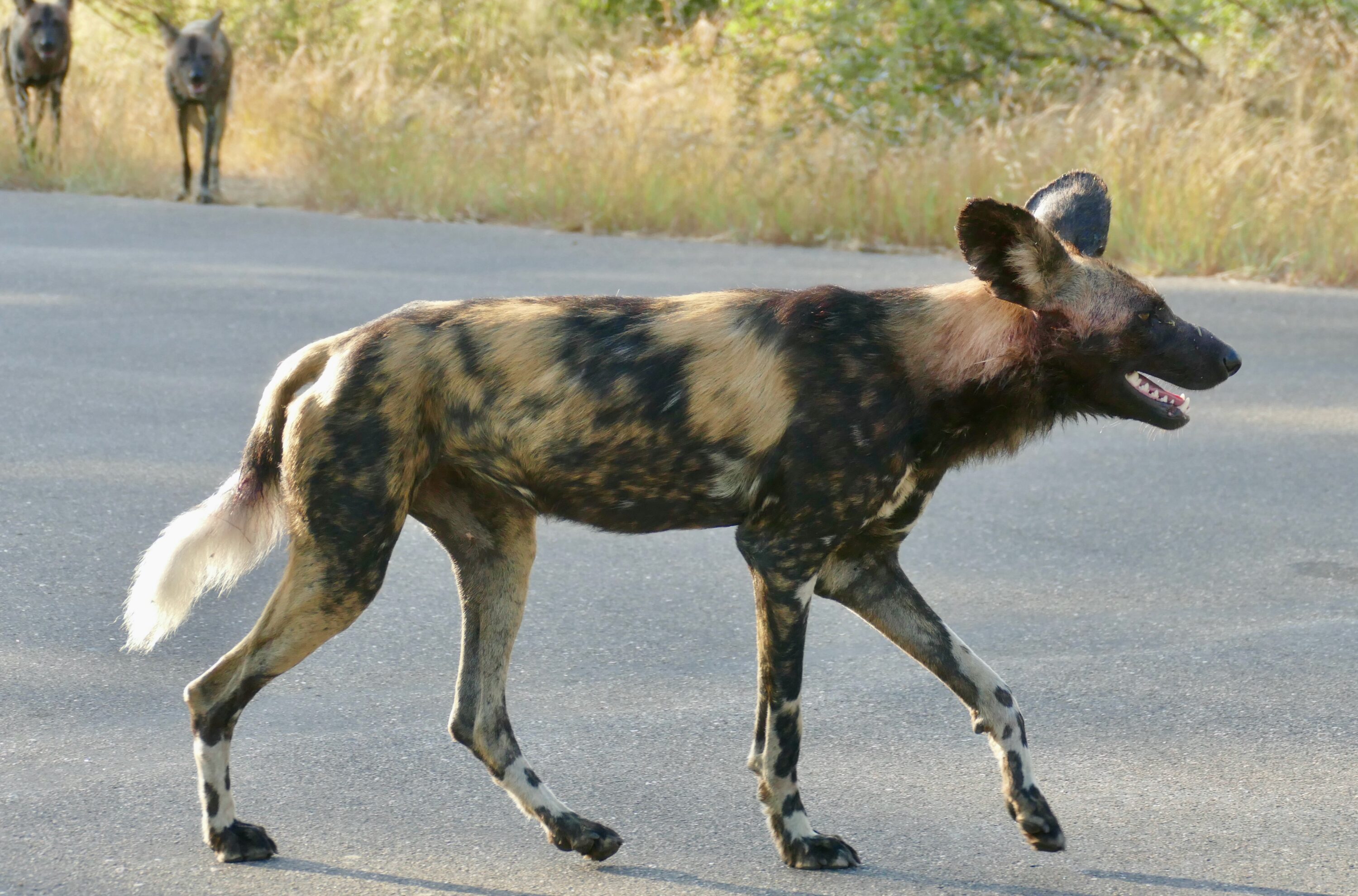
Food Leaves Its Mark on the Gut Bacteria of Kruger’s Wildlife
Gut bacteria in nine mammal species from Kruger National Park followed clear patterns linked to food and digestion.…
Read story →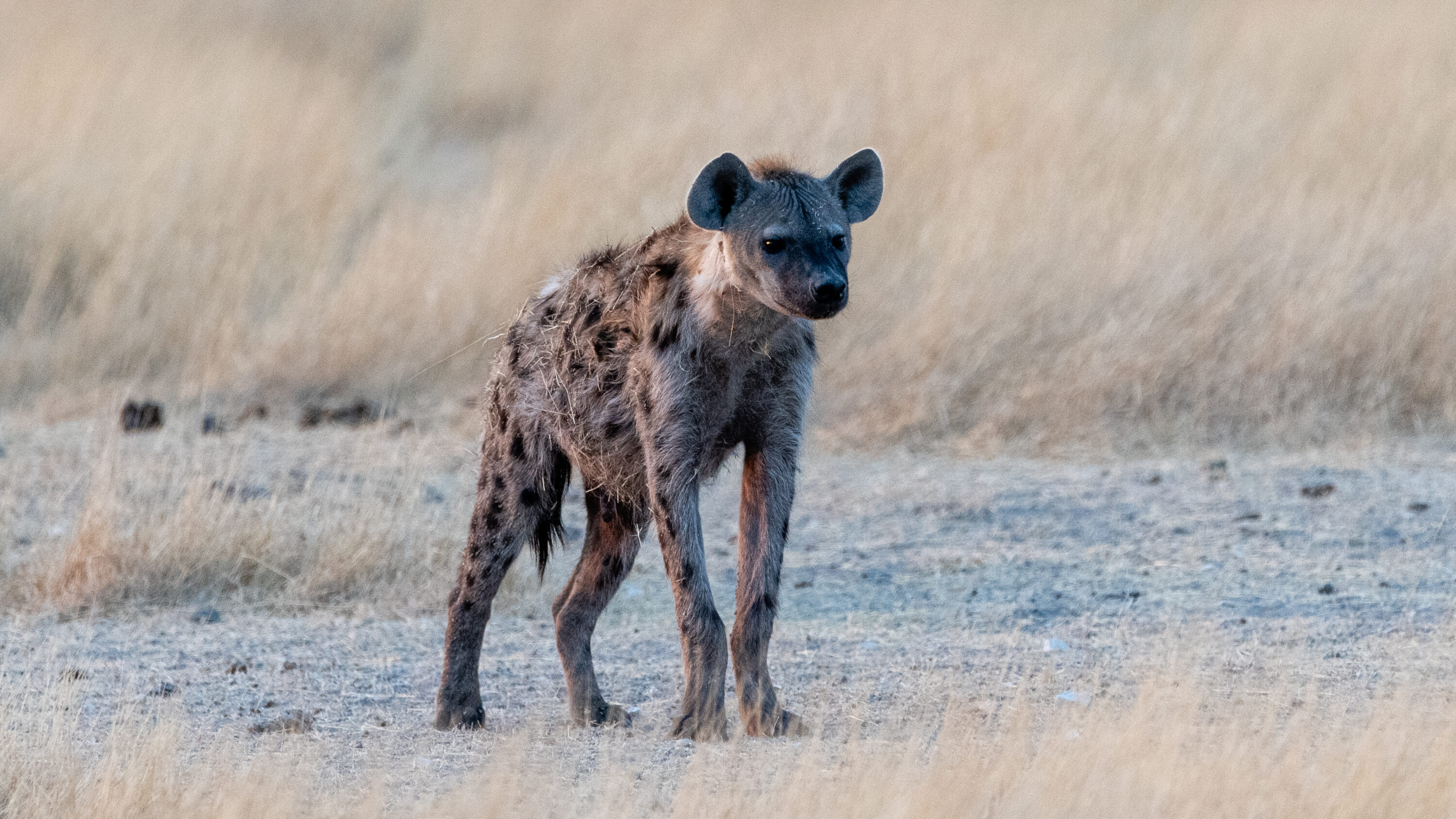
Spotted Hyenas Repeatedly Moved Away From Lions in Five-Minute GPS Data
High-frequency GPS data from Namibia and Botswana showed a robust retreat bias in spotted hyenas around lions, while…
Read story →
Livestock conflict with large carnivores is widespread across Queen Elizabeth National Park
Researchers documented 139 confirmed livestock-depredation events involving lions, leopards and spotted hyenas across 11 communities in Queen Elizabeth…
Read story →SPECIES IN THIS STORY
Species in this story
Independent research and conservation news archive
Did you find this information useful?
Wildlife Vagabond is independently built and maintained. Voluntary support helps cover source verification, hosting and continued work on research and conservation news.
Support Wildlife VagabondThe news archive will remain freely available.