
Social ties may shape how genes affect spotted hyena reproductive success
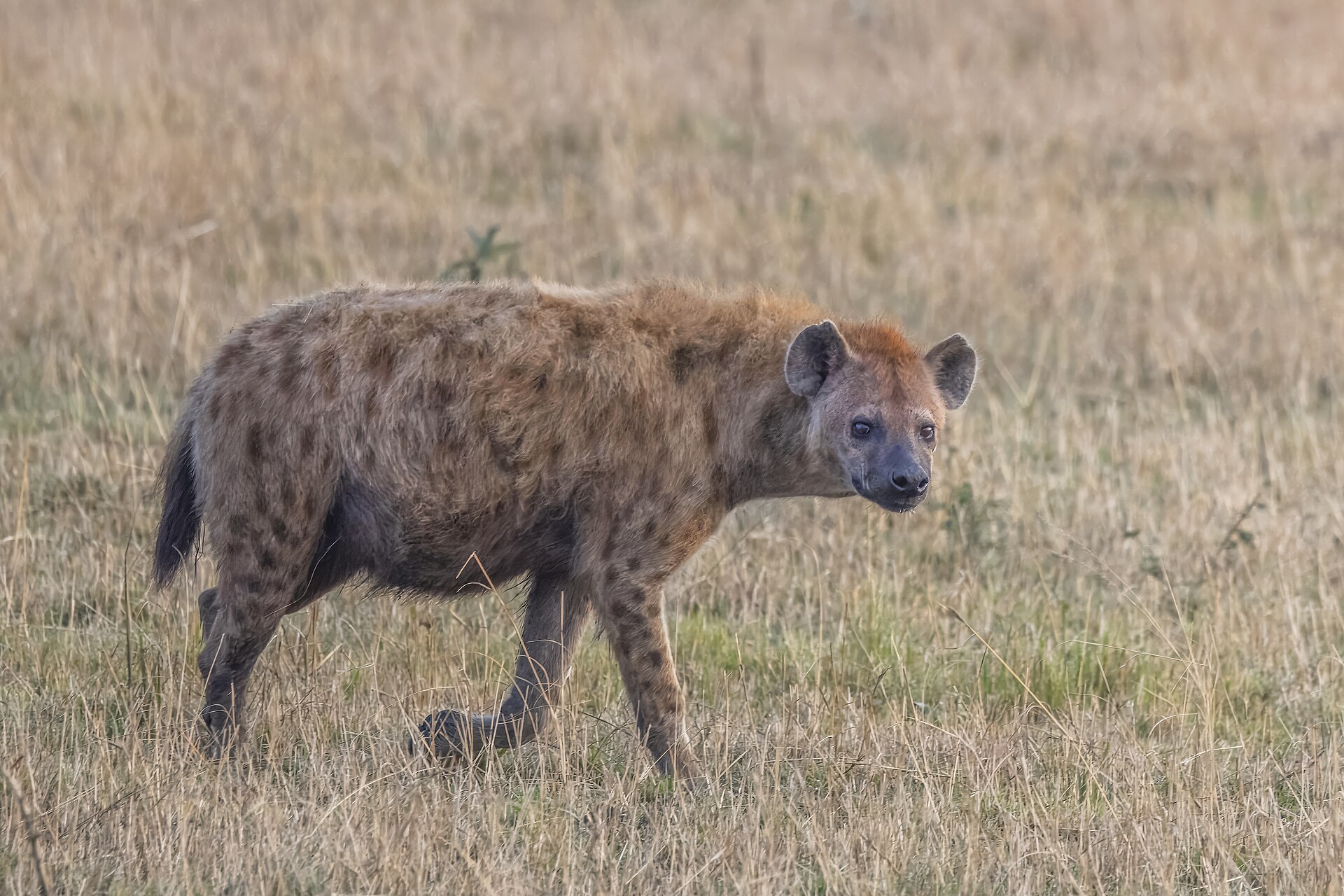
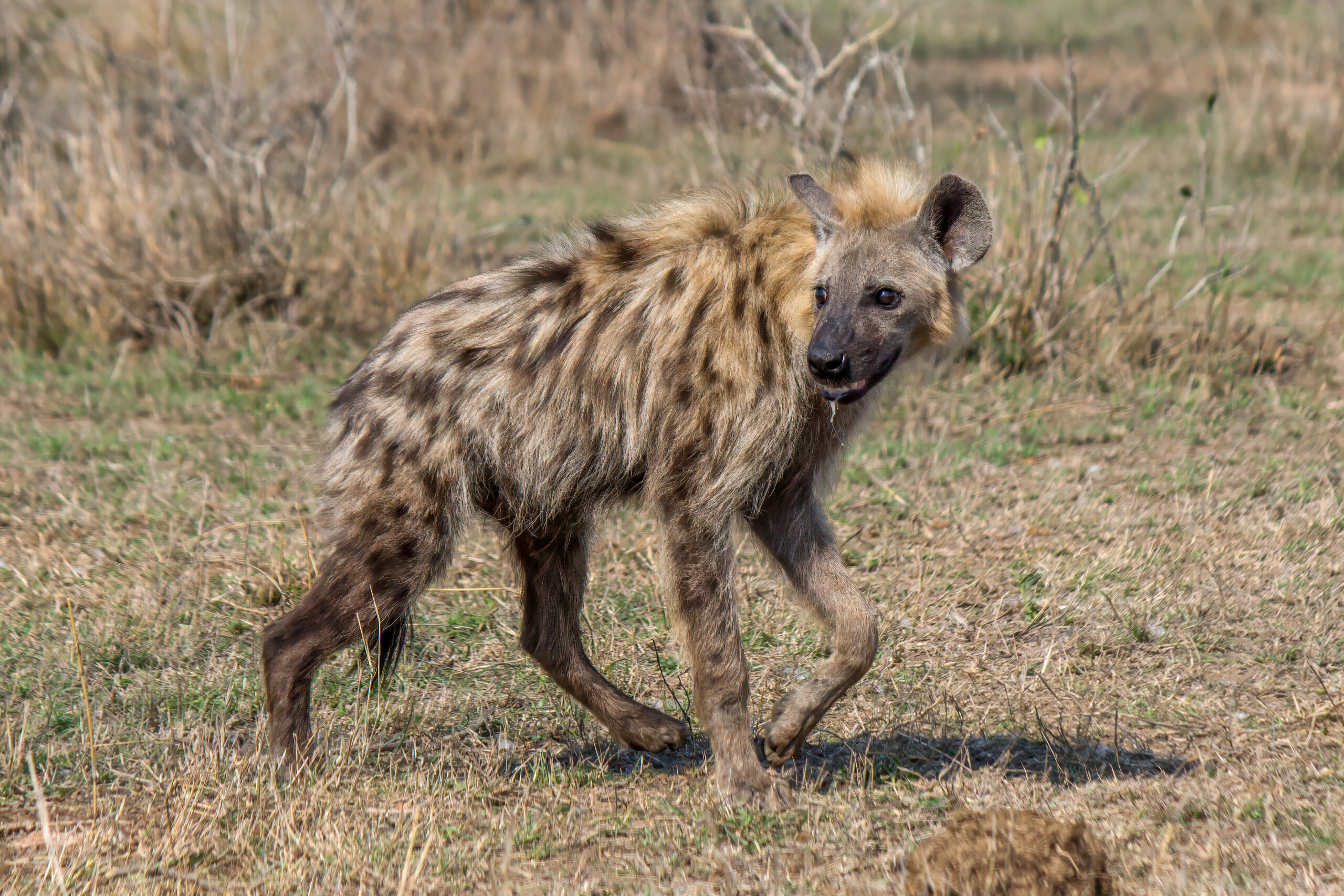
In wild spotted hyenas (Crocuta crocuta) in Tanzania’s Ngorongoro Crater, researchers examined how an animal’s genes, social relationships and surroundings relate to its lifetime reproductive success—the number of offspring it produces over its life, used here as a measure of fitness.
Social and spatial surroundings change the picture
An initial analysis found inherited genetic differences associated with lifetime reproductive success. But when the researchers accounted for shared social and spatial environments, the estimated direct additive genetic variance—variation attributed to an animal’s own inherited genes—fell close to zero.
Instead, they found strong indirect genetic effects linked to social associations. An indirect genetic effect occurs when genes in one animal affect another animal’s traits or fitness through their interactions. Fine-scale overlap in where hyenas lived also explained substantial variation in fitness. By comparison, indirect effects of social associations not linked to genetic differences were relatively small.
The findings suggest that, in this population, heritable variation in reproductive success may be expressed largely through social interactions rather than through individuals’ own genes alone. Taking social surroundings into account may therefore improve understanding of how fitness varies and how populations evolve. The study concerns one spotted hyena population and is a preprint that has not been peer reviewed.
Genetics & genomics
Related news
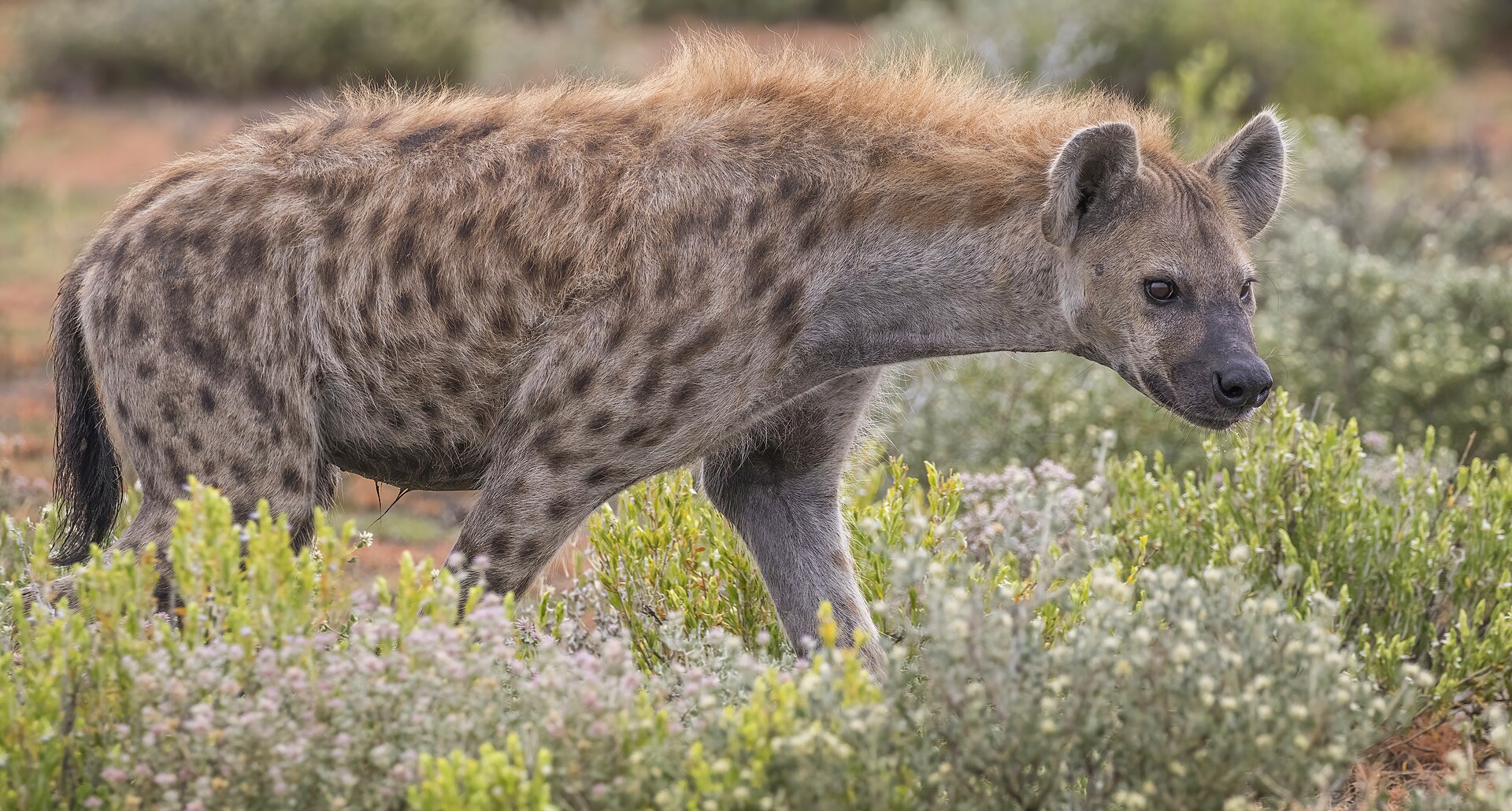
Reintroduced spotted hyenas favored dense bush and prey-rich scrubland
Tracking five hyenas in a lion-free section of Tswalu Kalahari Reserve, South Africa, linked their habitat use to…
Read story →
Spotted hyenas appeared near livestock enclosures more often in rainy months and on darker nights
Camera traps at 12 livestock enclosures in central Kenya recorded spotted hyenas more often during wetter months and…
Read story →
Food Leaves Its Mark on the Gut Bacteria of Kruger’s Wildlife
Gut bacteria in nine mammal species from Kruger National Park followed clear patterns linked to food and digestion.…
Read story →SPECIES IN THIS STORY
Species in this story
Independent research and conservation news archive
Did you find this information useful?
Wildlife Vagabond is independently built and maintained. Voluntary support helps cover source verification, hosting and continued work on research and conservation news.
Support Wildlife VagabondThe news archive will remain freely available.