
Simulated Pre-Saharan Magnetic Conditions Did Not Produce Sustained Extra Mass Gain in Thrush Nightingales
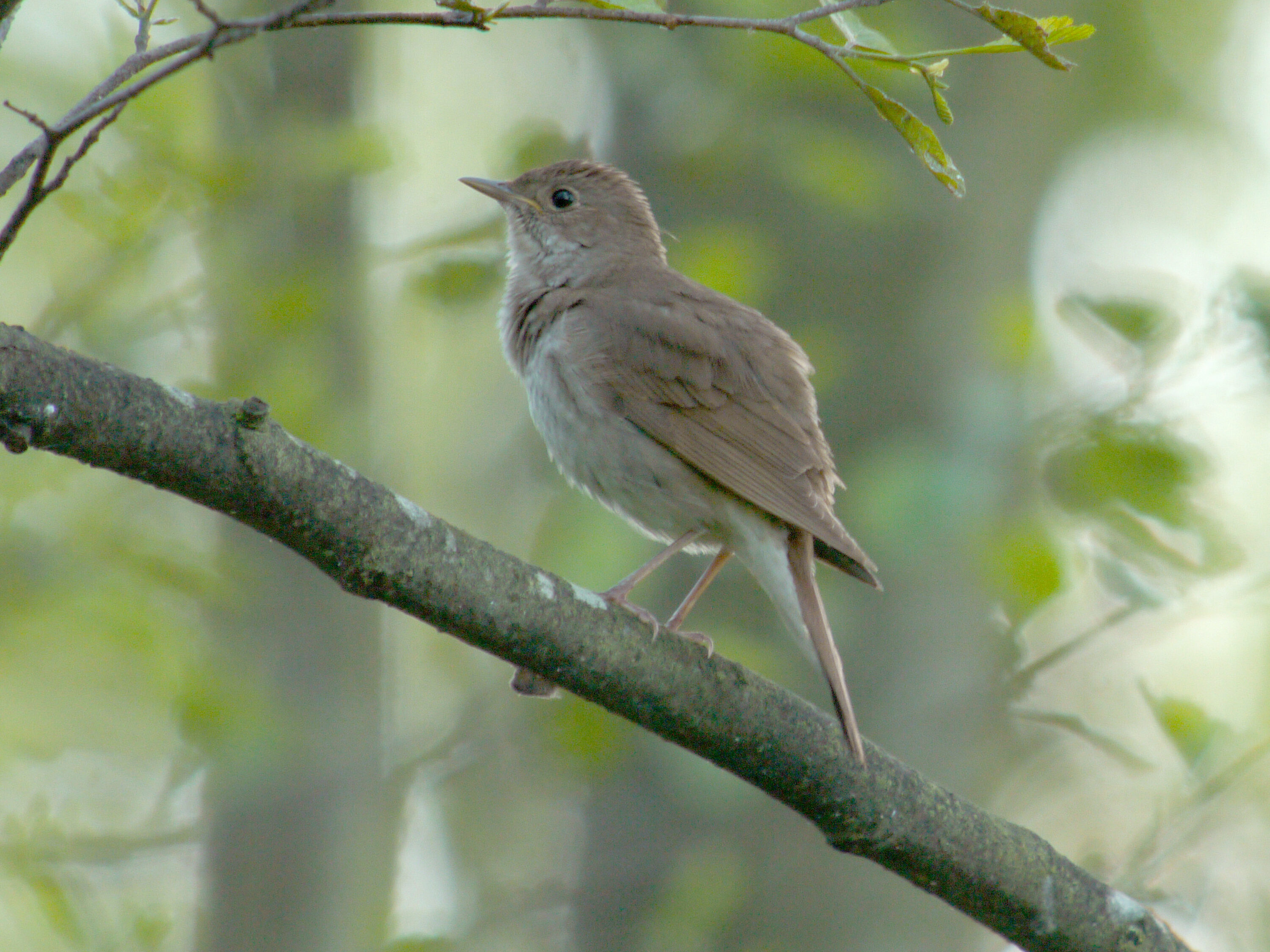
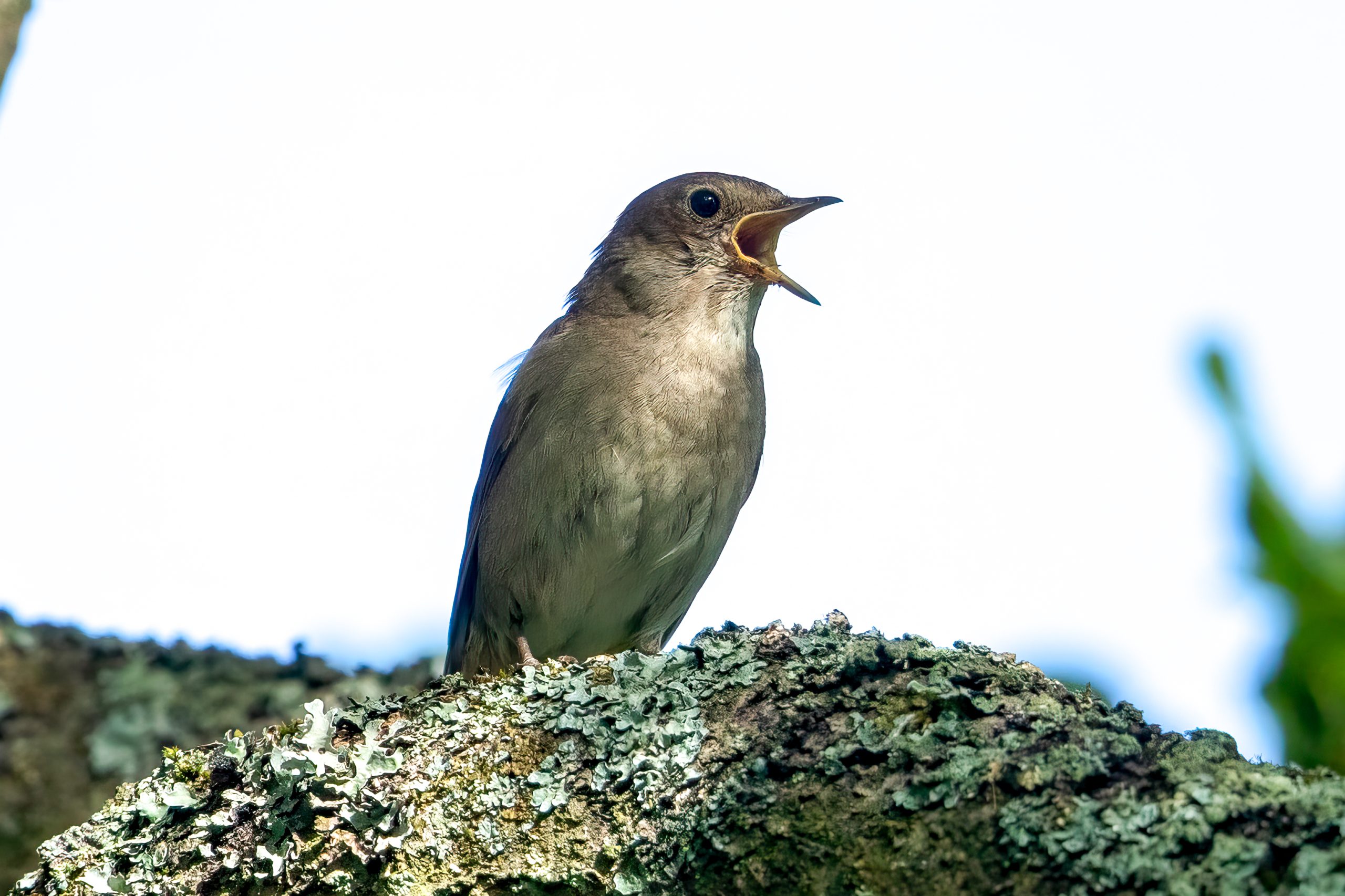
A 2026 replication study found that juvenile thrush nightingales (Luscinia luscinia) did not show the sustained increase in body-mass gain previously reported when birds were exposed to magnetic conditions simulating the final region before the Sahara. The experiment revisited a hypothesis first tested 25 years earlier: that magnetic “landmarks” — geographic patterns in Earth’s magnetic field that may provide information about where a bird is along its route — can influence how much fuel young birds accumulate before crossing major ecological barriers.
On their first autumn migration, young thrush nightingales need substantial fat reserves for the Sahara crossing, while carrying extra fuel also increases flight costs and can reduce escape performance. In a controlled field experiment at Biological Station Rybachy in Russia’s Kaliningrad Region, the researchers compared birds kept in the local magnetic field with birds exposed to a stepwise magnetic simulation of the autumn route ending in northern Egypt.
Unlike the original experiment, the 2026 study found no sustained increase in body-mass gain under the simulated northern Egyptian magnetic conditions. Differences between the groups were mainly in the shape of their body-mass and food-intake trajectories, while total body-mass gain and mean daily food intake were similar.
The authors conclude that magnetic effects on migratory fuelling, if they occur, appear to depend on biological or experimental context rather than representing a universal response. They describe the new result as refining the scope of the earlier hypothesis rather than rejecting it.
Physiology
Related news
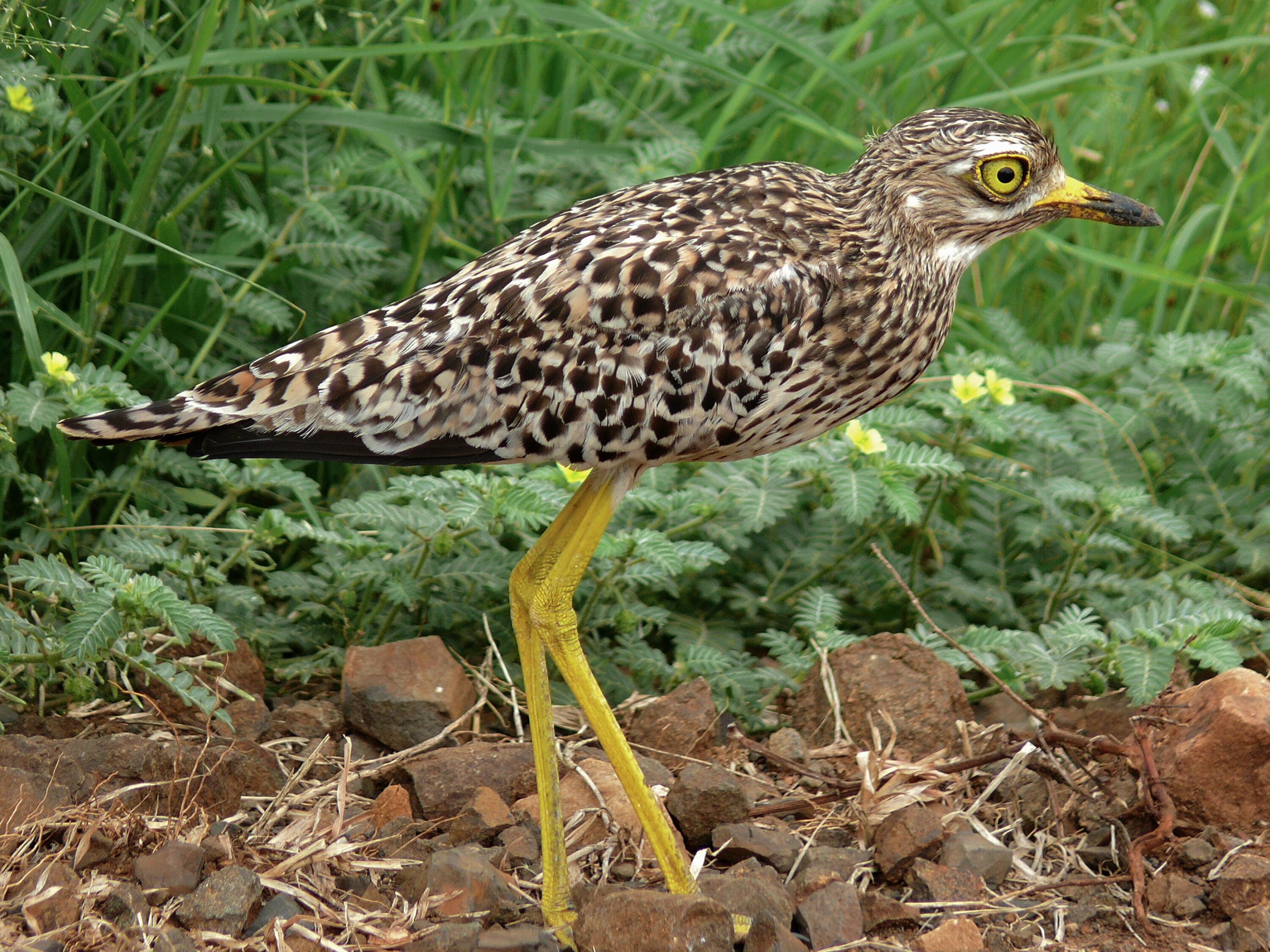
Acoustic Recordings Detected Spotted Thick-knees Missed by Simultaneous Visual Counts
Around Lake Tana, ten-minute acoustic recordings detected 47 bird species compared with 31 in simultaneous point counts; spotted…
Read story →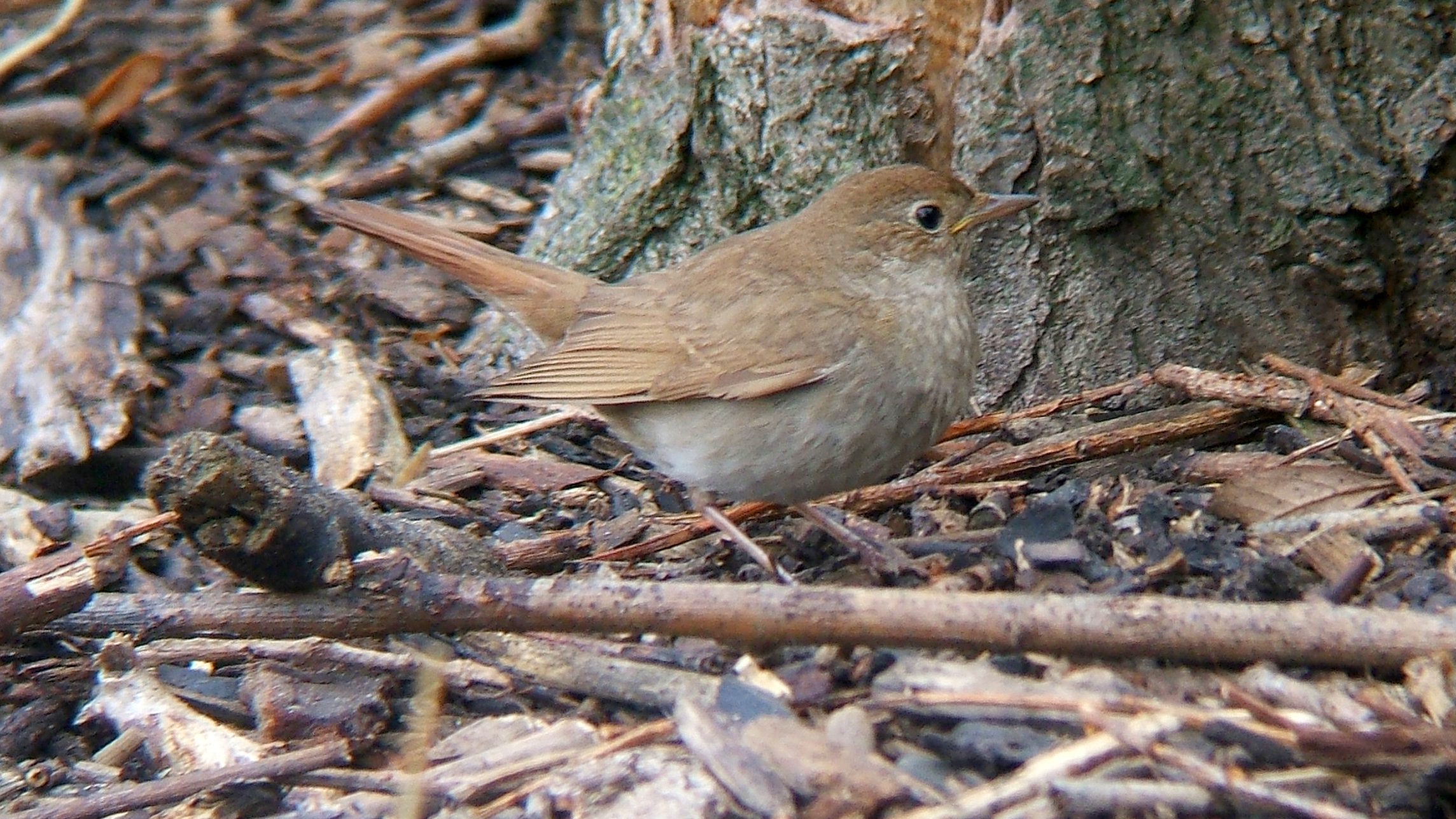
Thrush Nightingales Crossed Deserts by Flying at Night and Remaining Almost Inactive by Day
Multisensor loggers showed that thrush nightingales crossed the Sahara and Arabian Desert through consecutive nocturnal flights, with daytime…
Read story →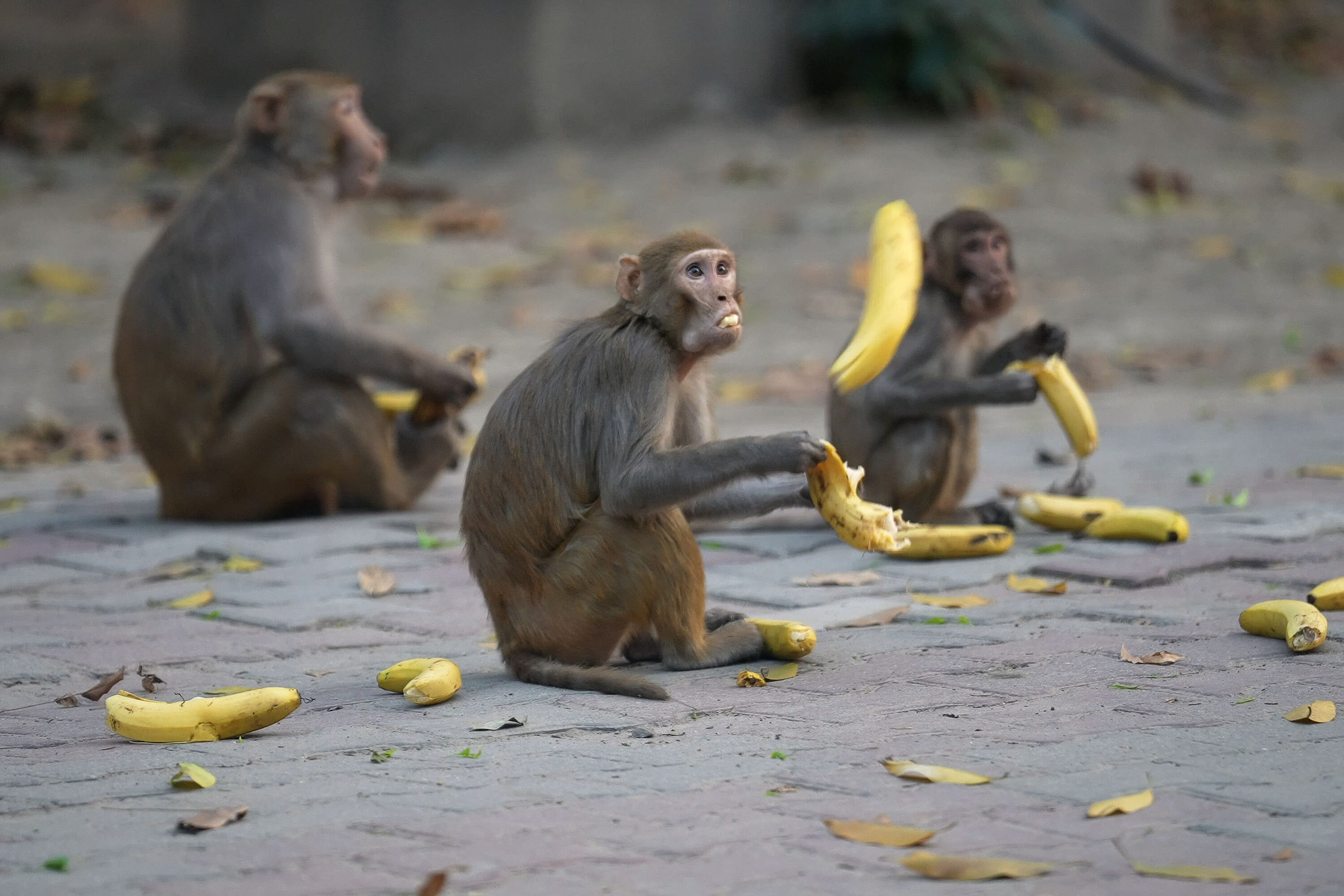
Aging rhesus macaques show broader protein changes in blood than in brain fluid
A study of 66 rhesus macaques found age-related differences in many more measured proteins in plasma than in…
Read story →SPECIES IN THIS STORY
Species in this story
Independent research and conservation news archive
Did you find this information useful?
Wildlife Vagabond is independently built and maintained. Voluntary support helps cover source verification, hosting and continued work on research and conservation news.
Support Wildlife VagabondThe news archive will remain freely available.