
Tiger and leopard conflict records point to different landscapes in South Asia
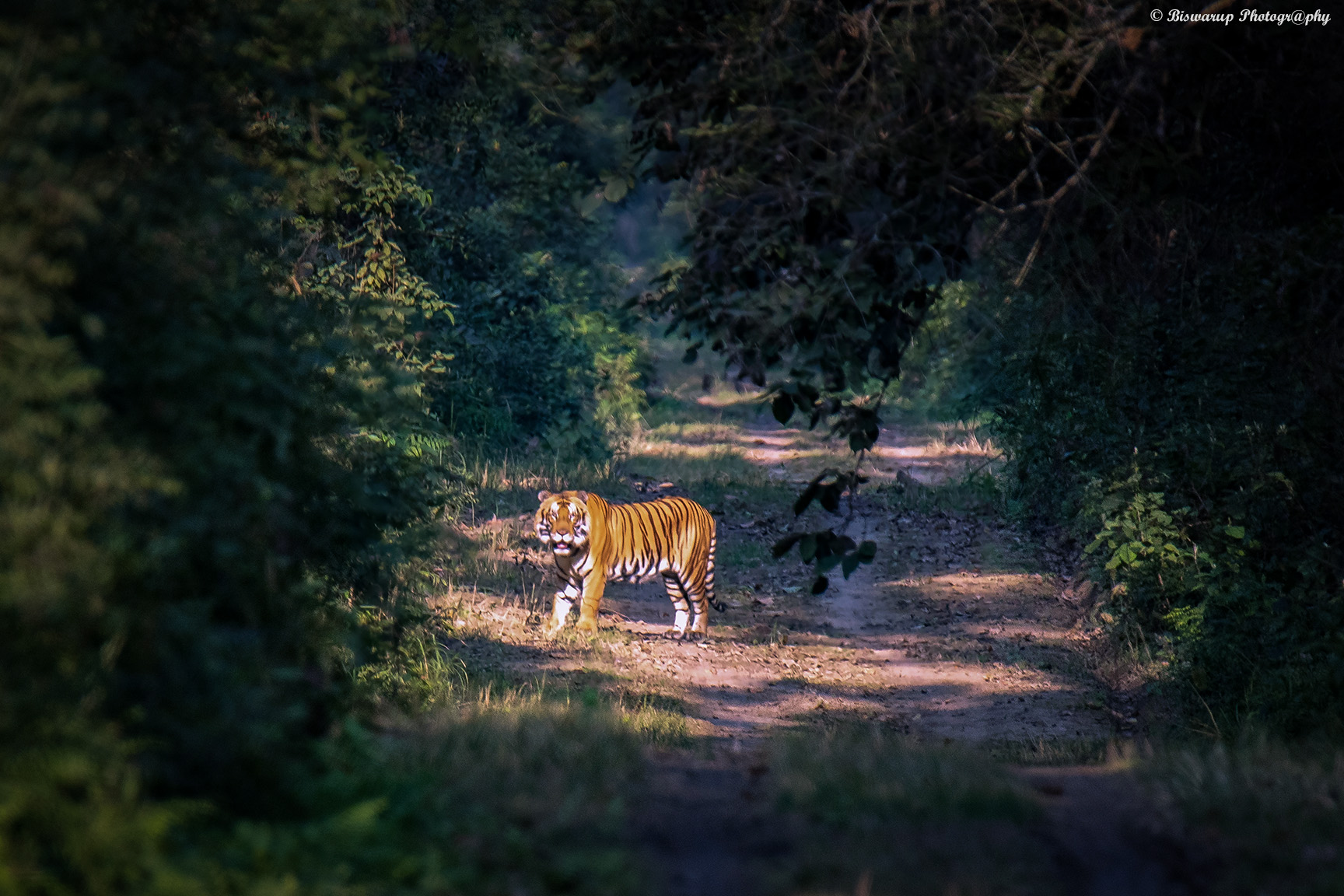
Where conflicts between people and large carnivores are recorded may depend partly on the kind of landscape involved. In a bioRxiv preprint that has not yet undergone peer review, a regional study examined 2,563 human–tiger conflict records and 4,457 human–leopard conflict records from Bangladesh, Bhutan, India and Nepal, covering 2000 to 2024.
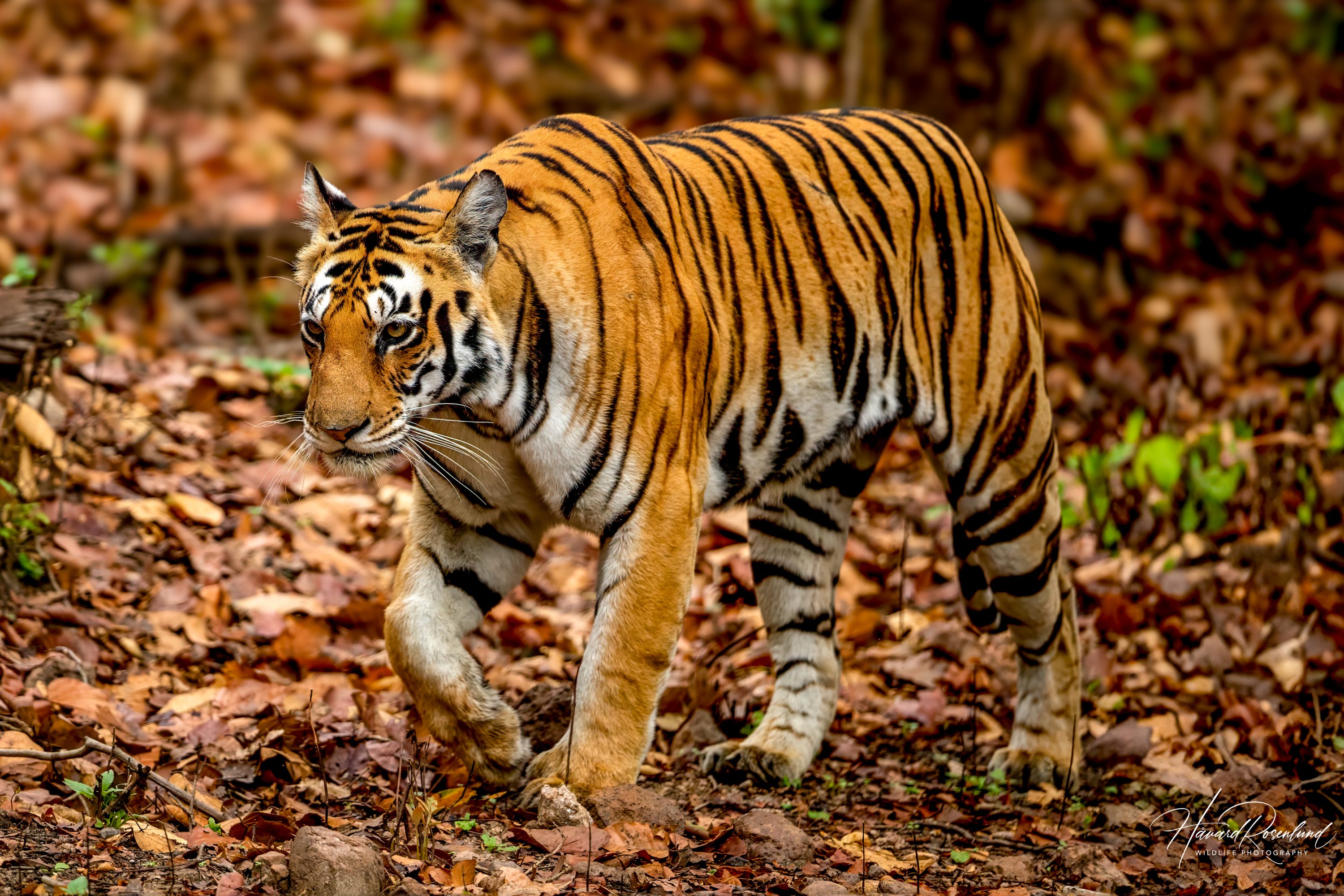
For tigers (Panthera tigris), conflict locations were associated with more fragmented forests—forests broken into smaller patches—and with being closer to human settlements. They were also associated with lower overall human disturbance. These are distinct landscape features: proximity to settlements does not necessarily mean a location has the highest overall level of disturbance.
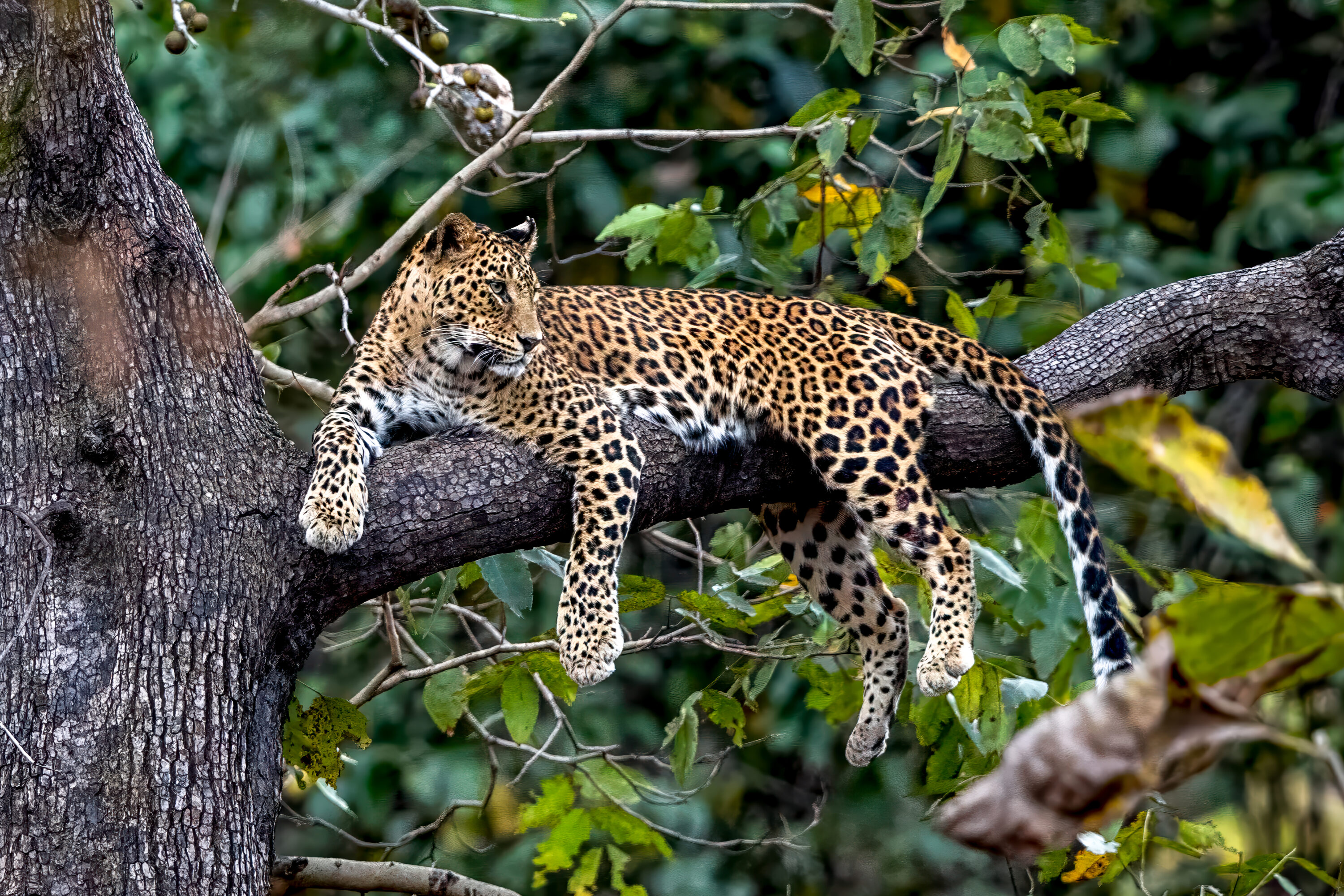
Leopard (Panthera pardus) conflict locations showed a different pattern. They were concentrated in highly productive landscapes with high rainfall and substantial human modification. Across both species, the patterns emerged most clearly at the broadest of the three spatial scales the researchers examined.
The contrasting patterns suggest that conflict involving tigers and leopards may call for different approaches to understanding and management, rather than treating all large-carnivore conflict as the same problem. The study maps associations, not causes. It does not by itself explain why conflict occurs, and the authors say a fuller picture also needs information on carnivore abundance, wild-prey densities and socioeconomic factors.
Ecology
Related news
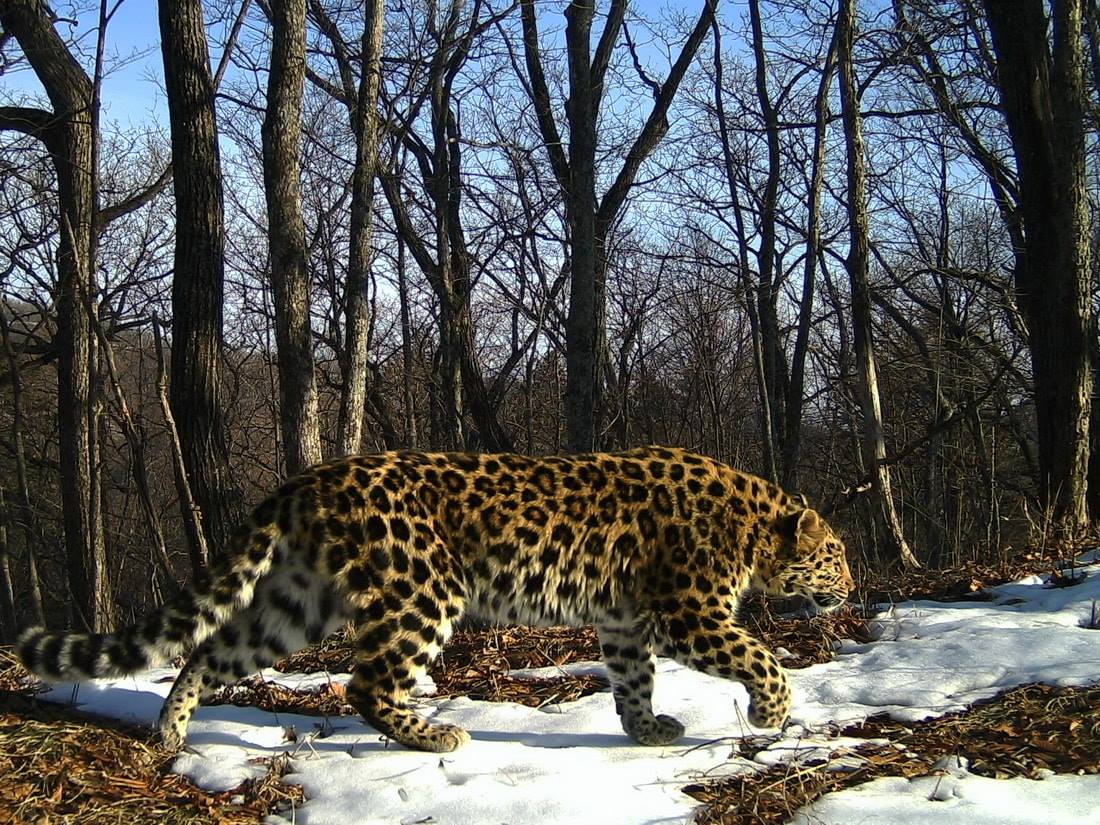
Wild tiger and leopard populations more than double in China’s Northeast Tiger and Leopard National Park
A five-year account from China’s Northeast Tiger and Leopard National Park reports rising numbers of both big cats,…
Read story →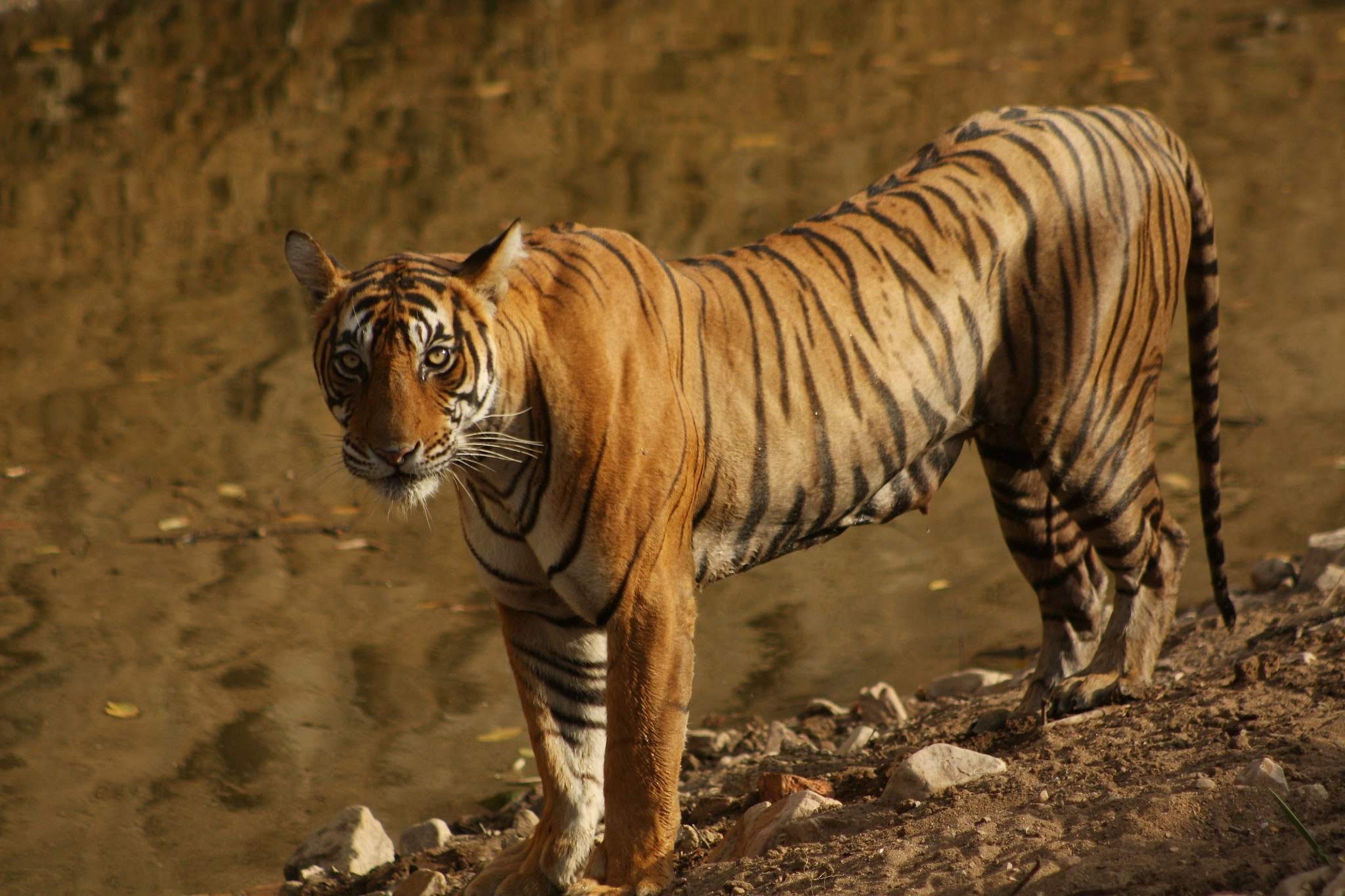
More Human Activity Linked to Tigers Becoming More Nocturnal and Leopards Shifting Their Core Areas
Camera traps at more than 300 sites in northeast China recorded tigers becoming more nocturnal at sites with…
Read story →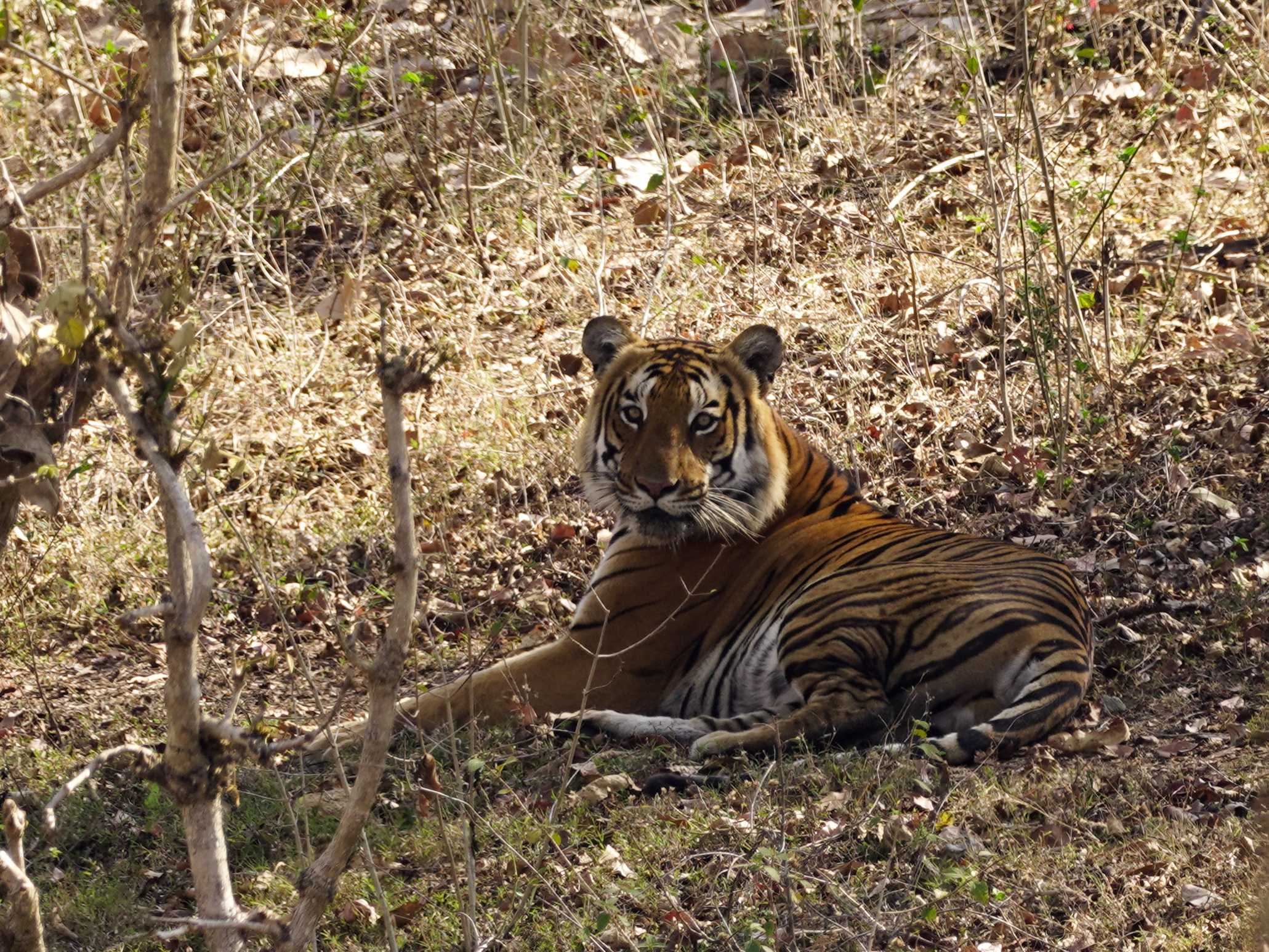
Key Movement Bottlenecks for Five Large Mammals Lay Outside Protected Areas in Tamil Nadu
A 2026 study of tiger, leopard, dhole, Asian elephant and gaur identified modelled movement bottlenecks outside protected areas,…
Read story →SPECIES IN THIS STORY
Species in this story
Independent research and conservation news archive
Did you find this information useful?
Wildlife Vagabond is independently built and maintained. Voluntary support helps cover source verification, hosting and continued work on research and conservation news.
Support Wildlife VagabondThe news archive will remain freely available.