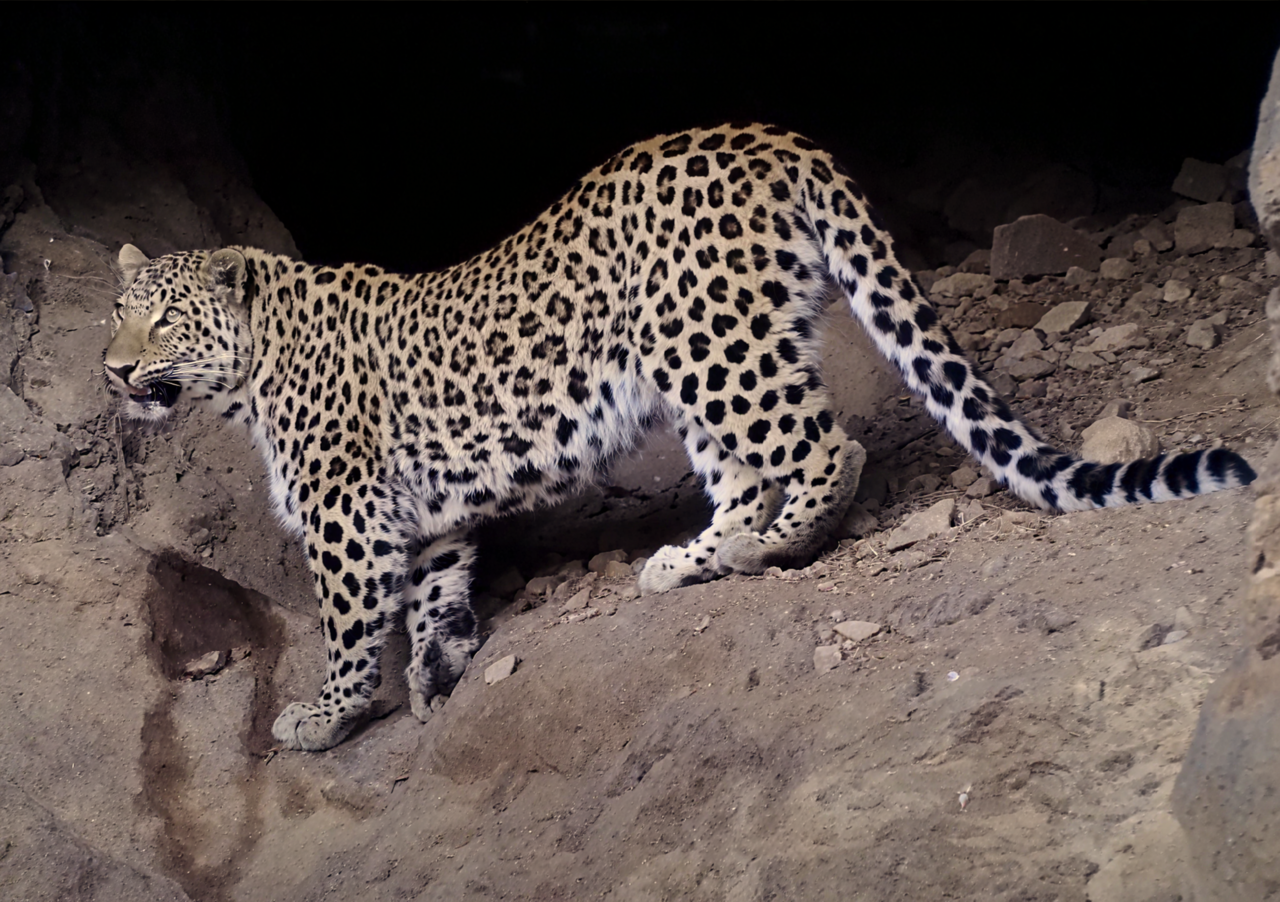
Living With Carnivores Is About More Than Livestock Losses
Near Iran’s Golestan National Park, researchers explored what was associated with people’s willingness to accept leopards, wolves and…
Read story →
WILDLIFE IN THE NEWS
Near Iran’s Golestan National Park, researchers explored what was associated with people’s willingness to accept leopards, wolves and…
Read story →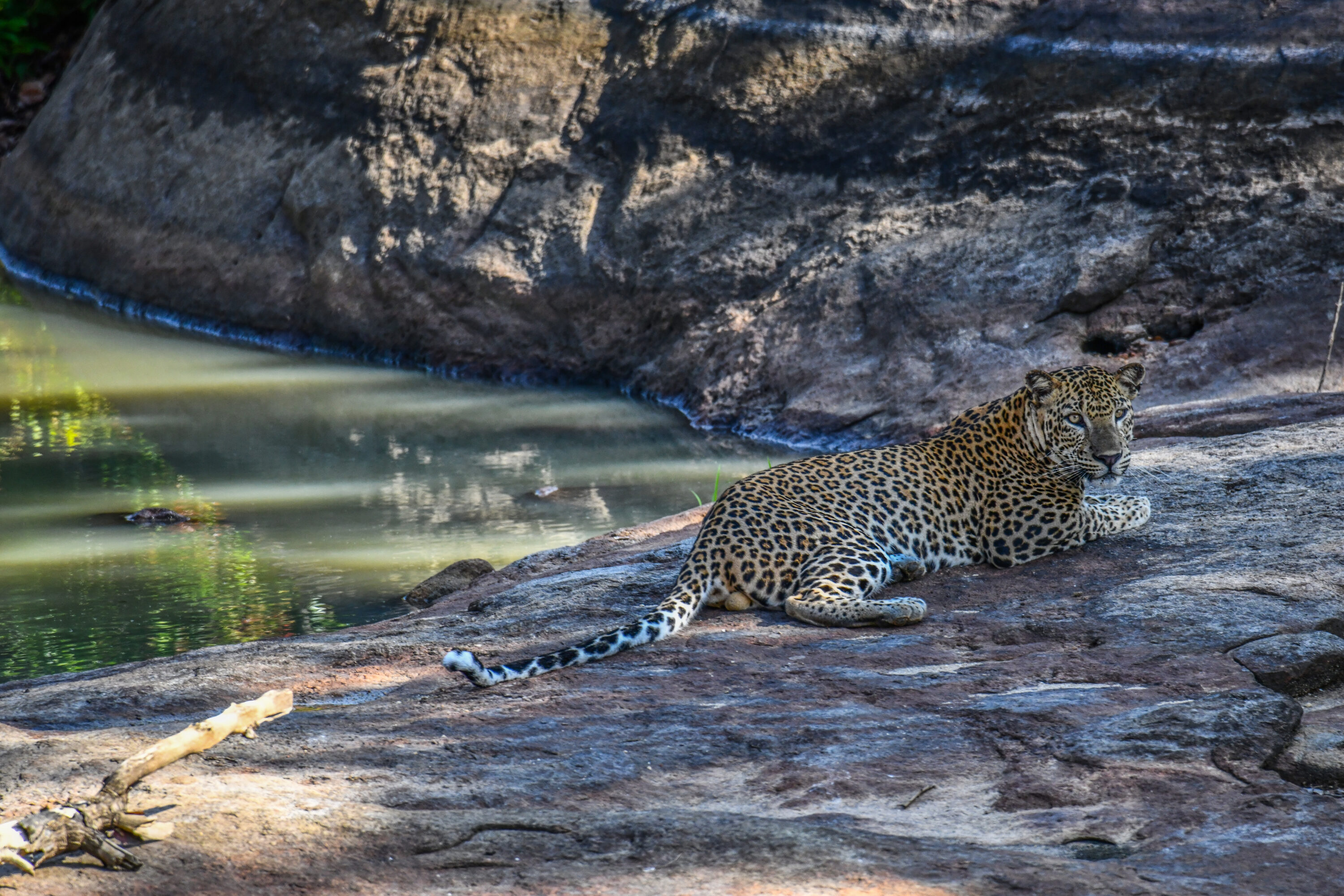
In Sri Lanka’s Central Highlands, only 4.4% of leopard records in an unprotected tea landscape were diurnal while…
Read story →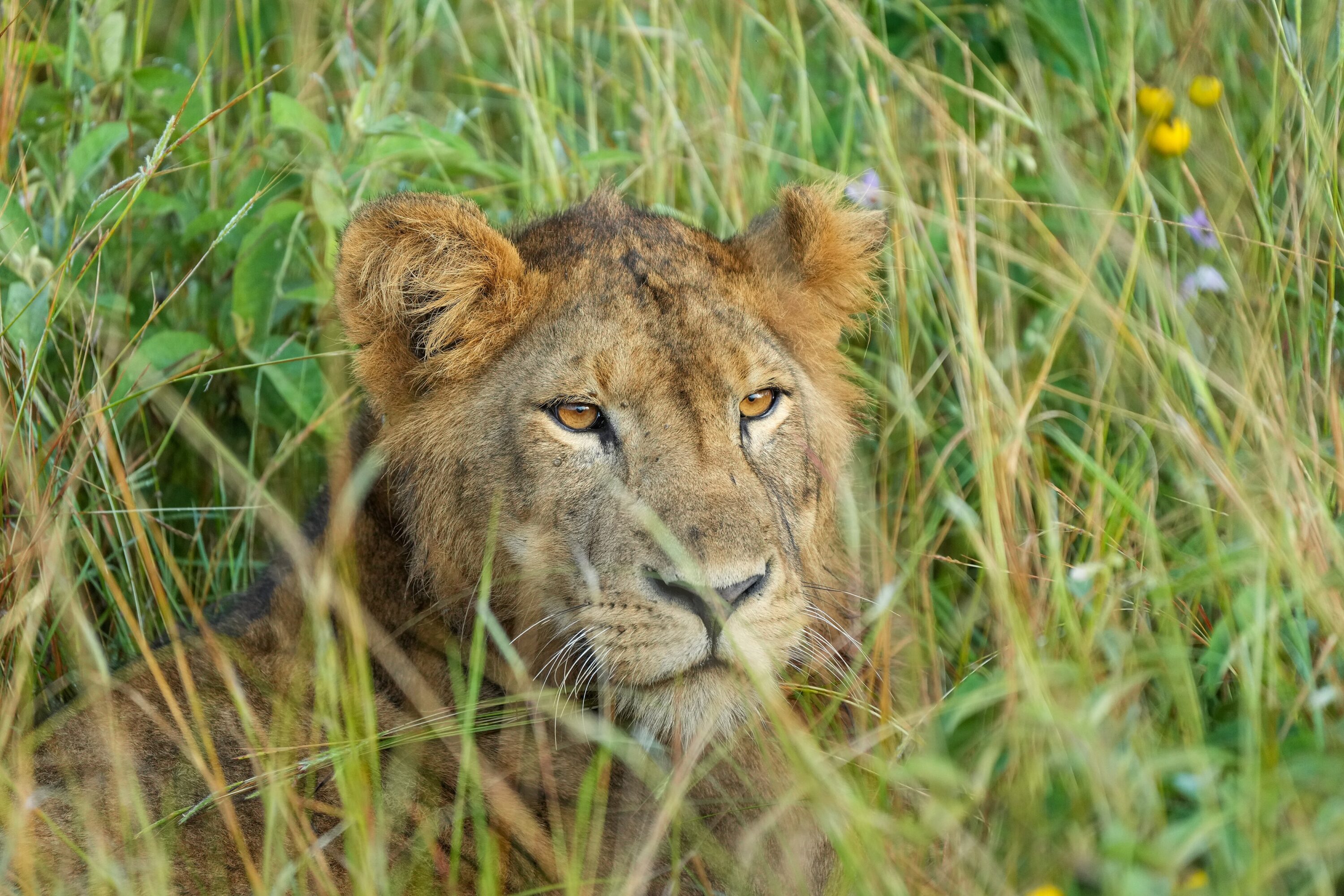
Researchers documented 139 confirmed livestock-depredation events involving lions, leopards and spotted hyenas across 11 communities in Queen Elizabeth…
Read story →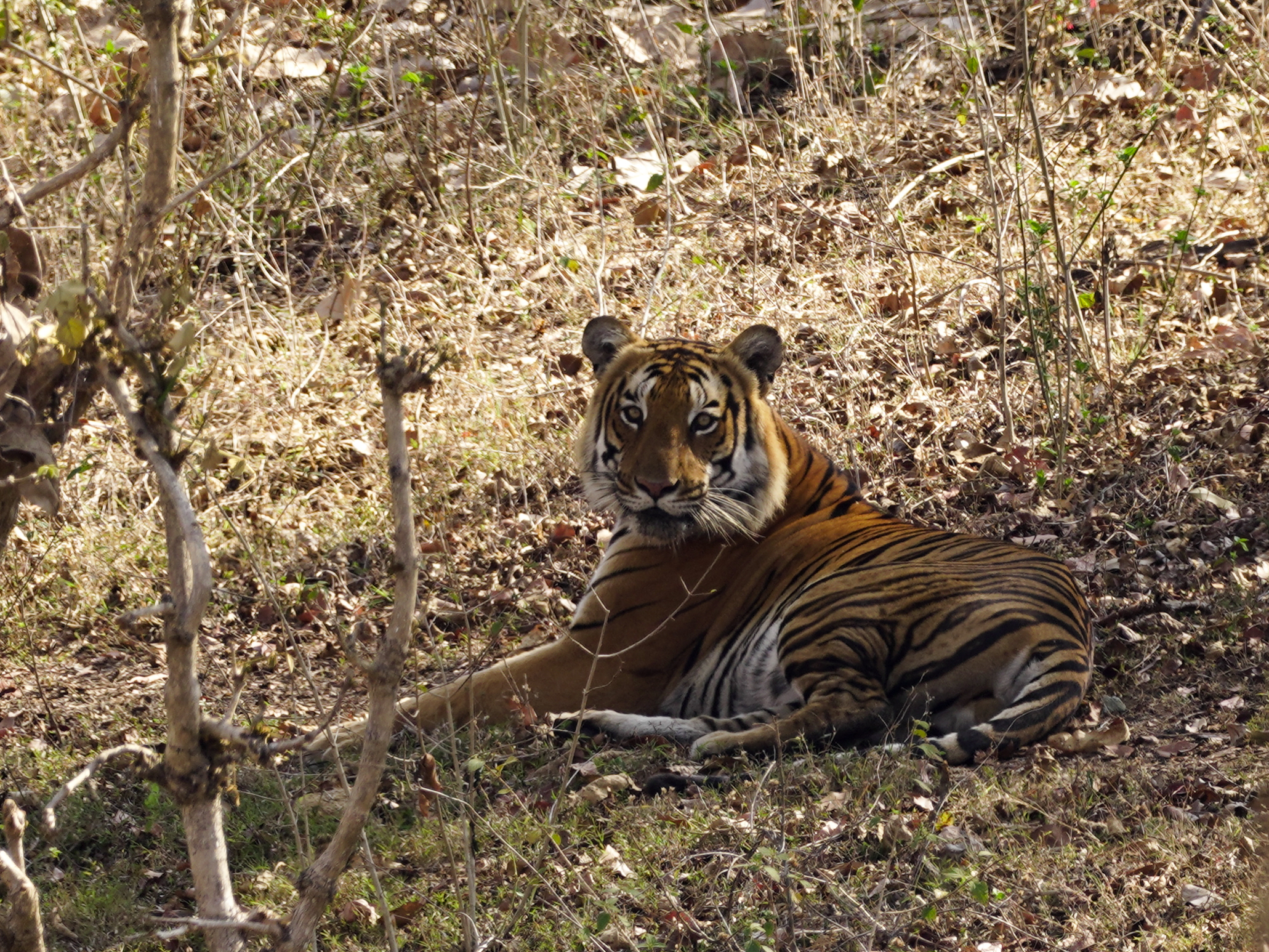
A 2026 study of tiger, leopard, dhole, Asian elephant and gaur identified modelled movement bottlenecks outside protected areas,…
Read story →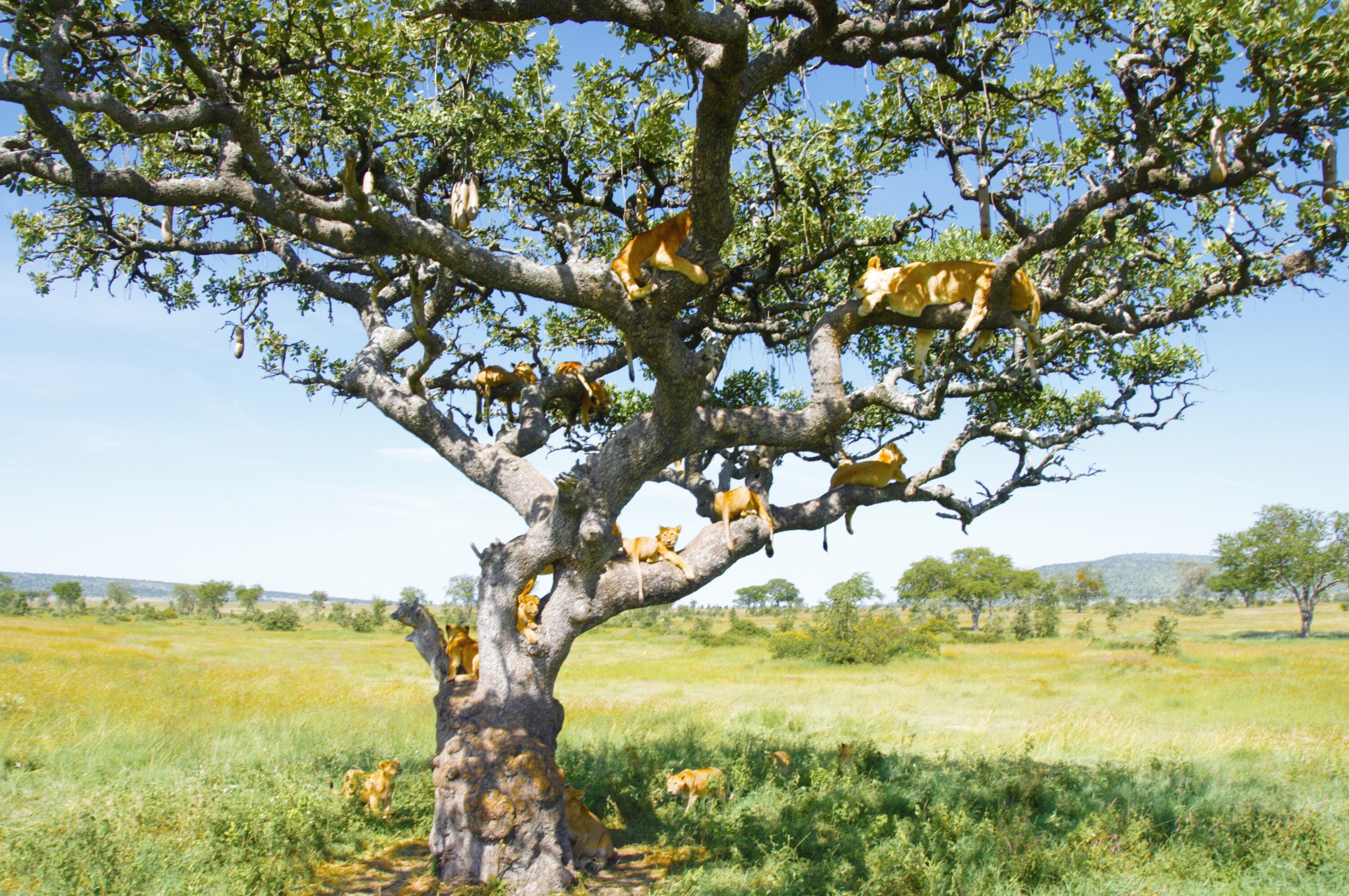
Observations from northern Tanzania found that lion tree climbing was associated with wet-season afternoons, while leopards climbed far…
Read story →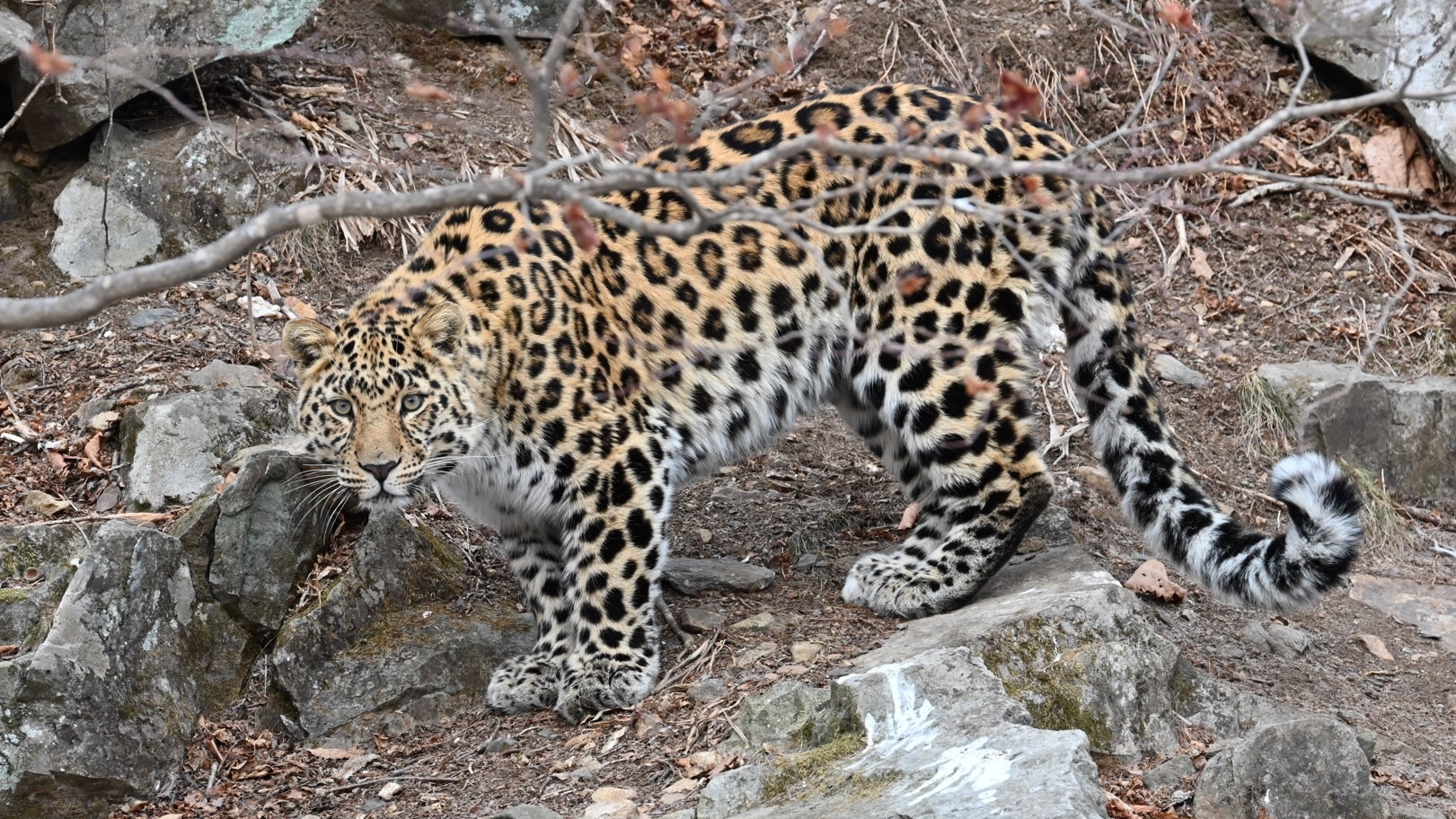
Ten years of camera-trap data from Russia’s Land of the Leopard National Park show a strong recovery in…
Read story →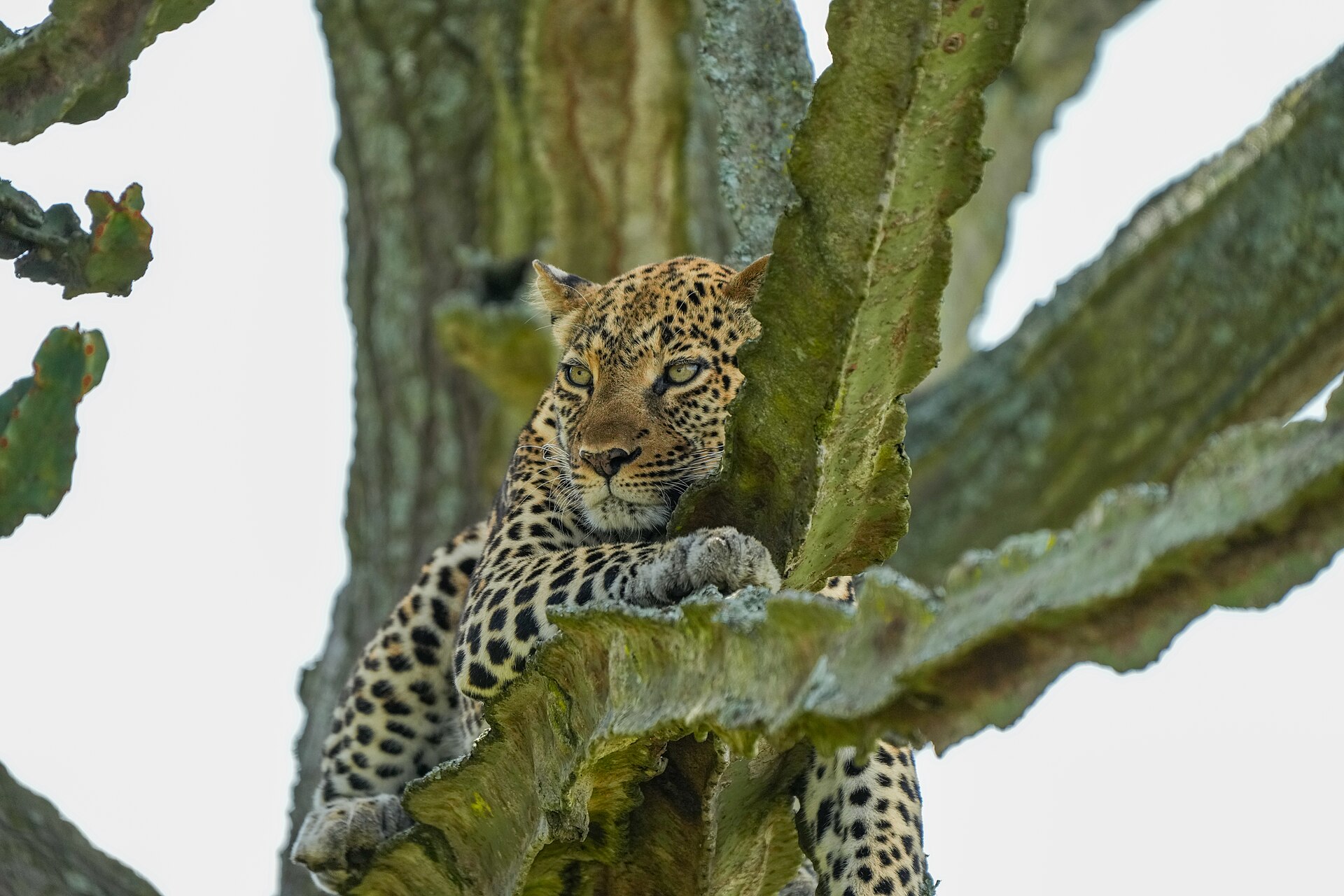
A global analysis of all nine leopard subspecies ranked climate velocity — the speed at which comparable climate…
Read story →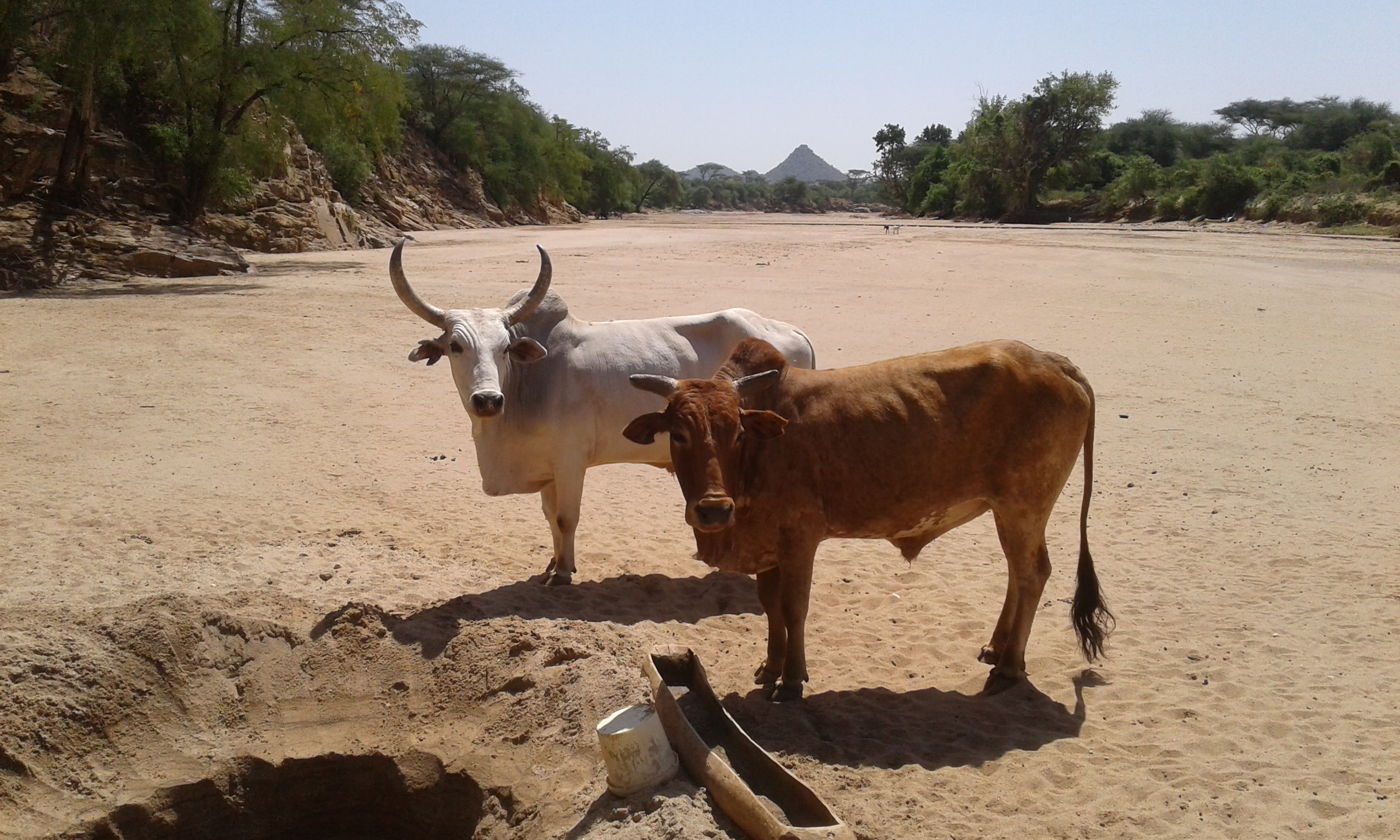
In a survey of 147 households near Omo National Park, 36.1% reported losing livestock to carnivores during the…
Read story →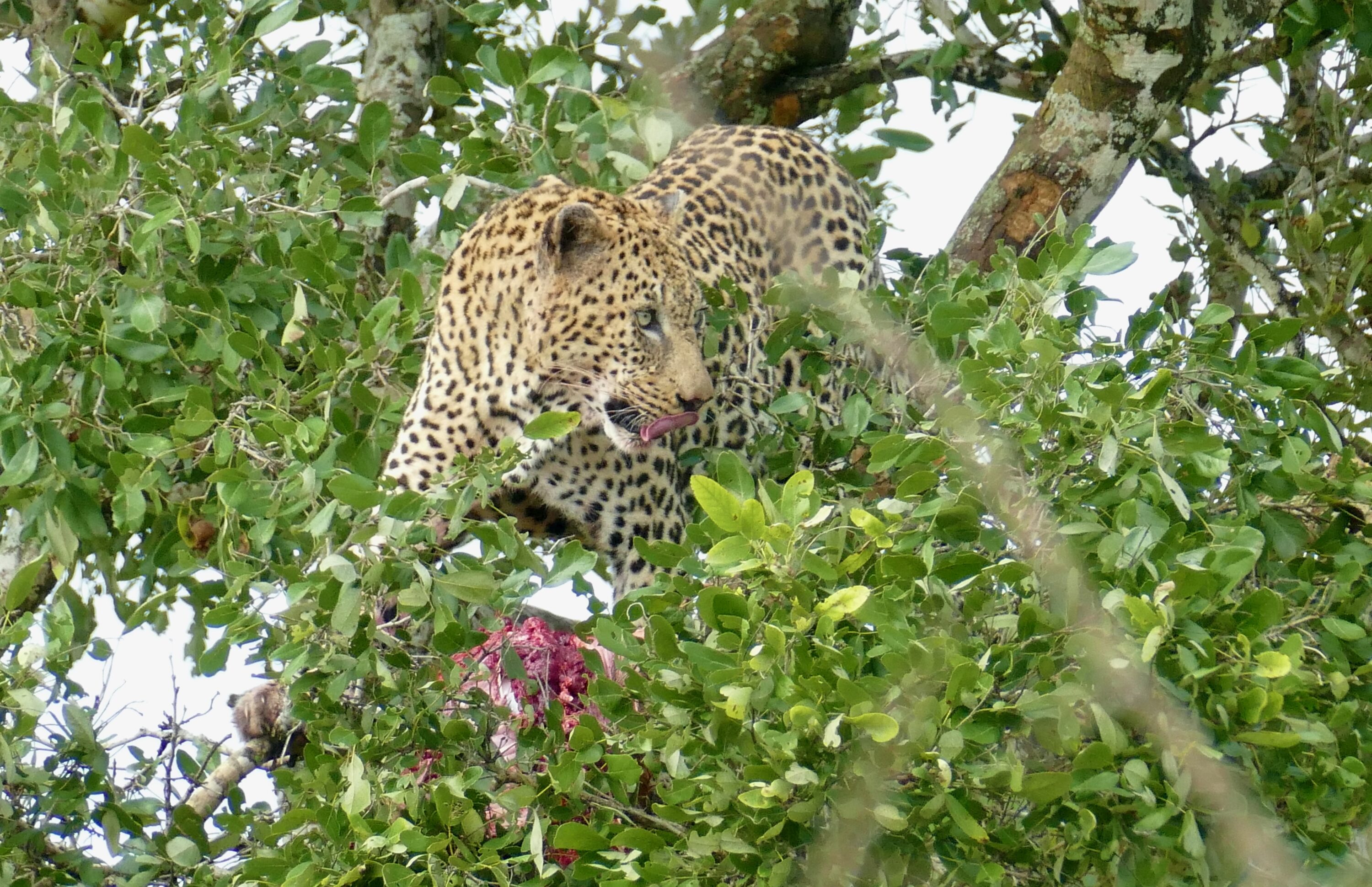
Ten years of tracking on central Namibian farmland found that 96.8% of identified leopard kills were wild prey,…
Read story →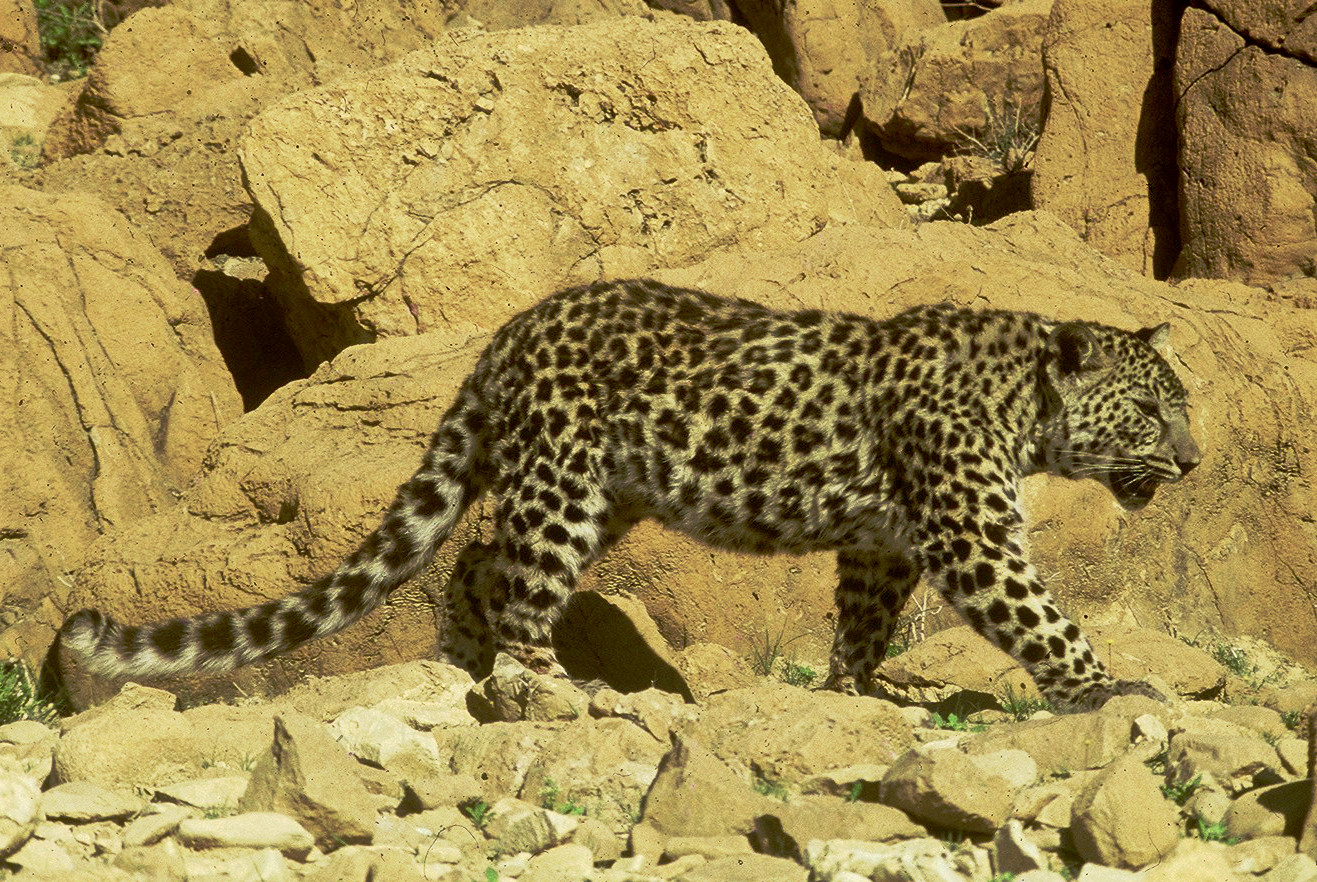
The first nuclear genome assembly for the Arabian leopard spans about 2.43 billion DNA bases in 94 sequence…
Read story →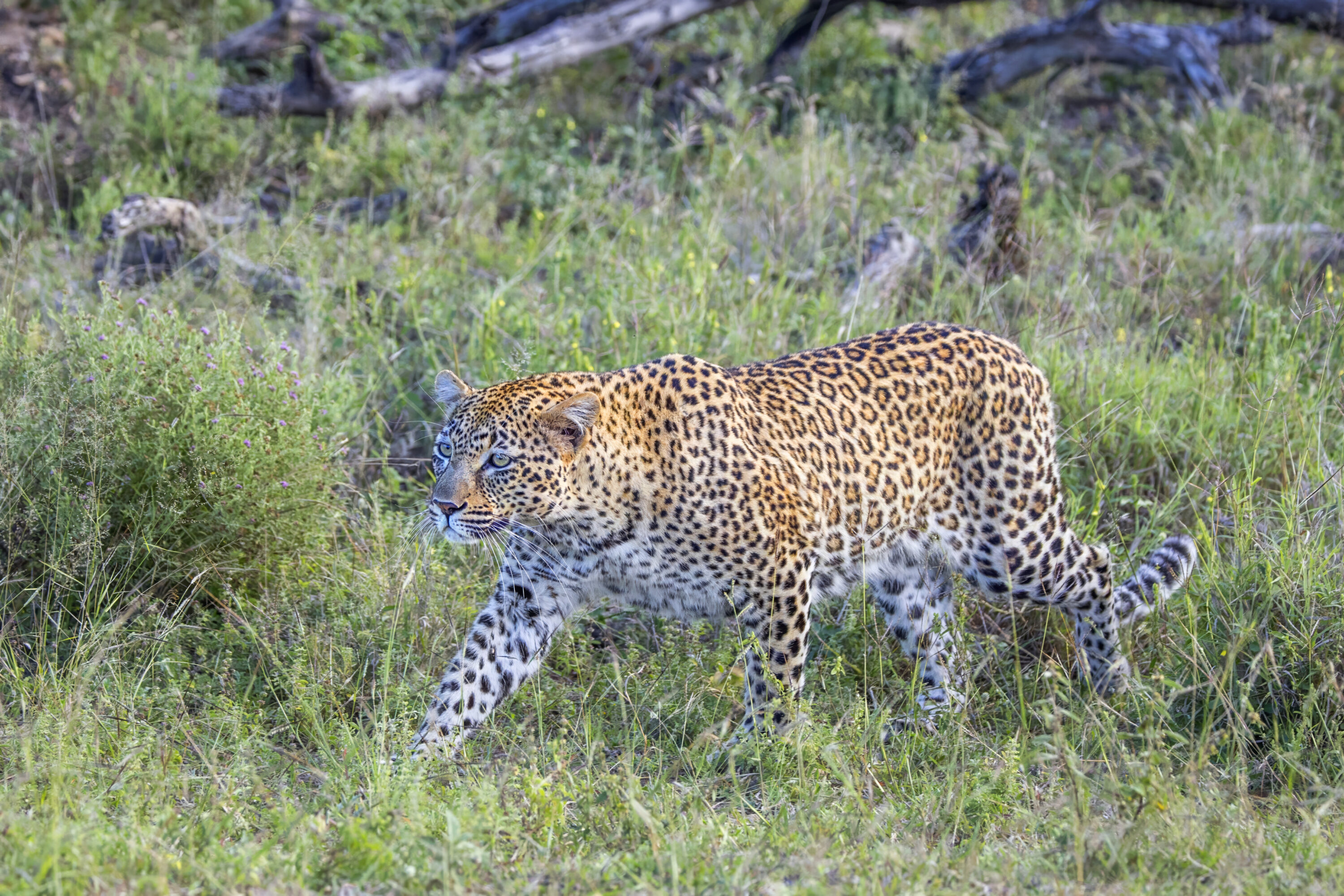
In Bhutan, trail-only camera traps recorded disproportionately fewer female felids and produced density estimates averaging 22% below a…
Read story →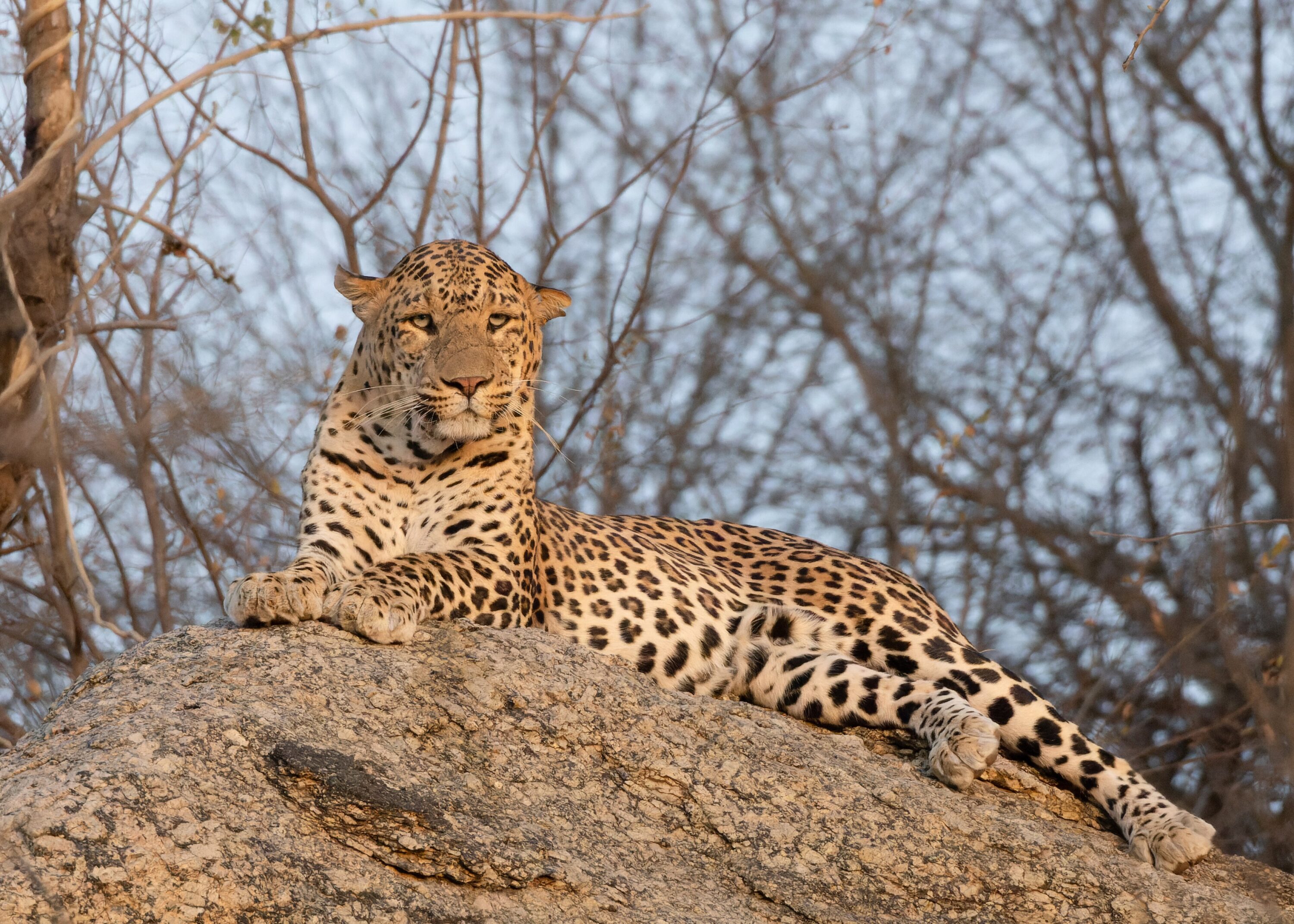
Bhutan's first nationwide leopard-density analysis estimated 1.02 leopards per 100 km², while repeated surveys showed that habitat and…
Read story →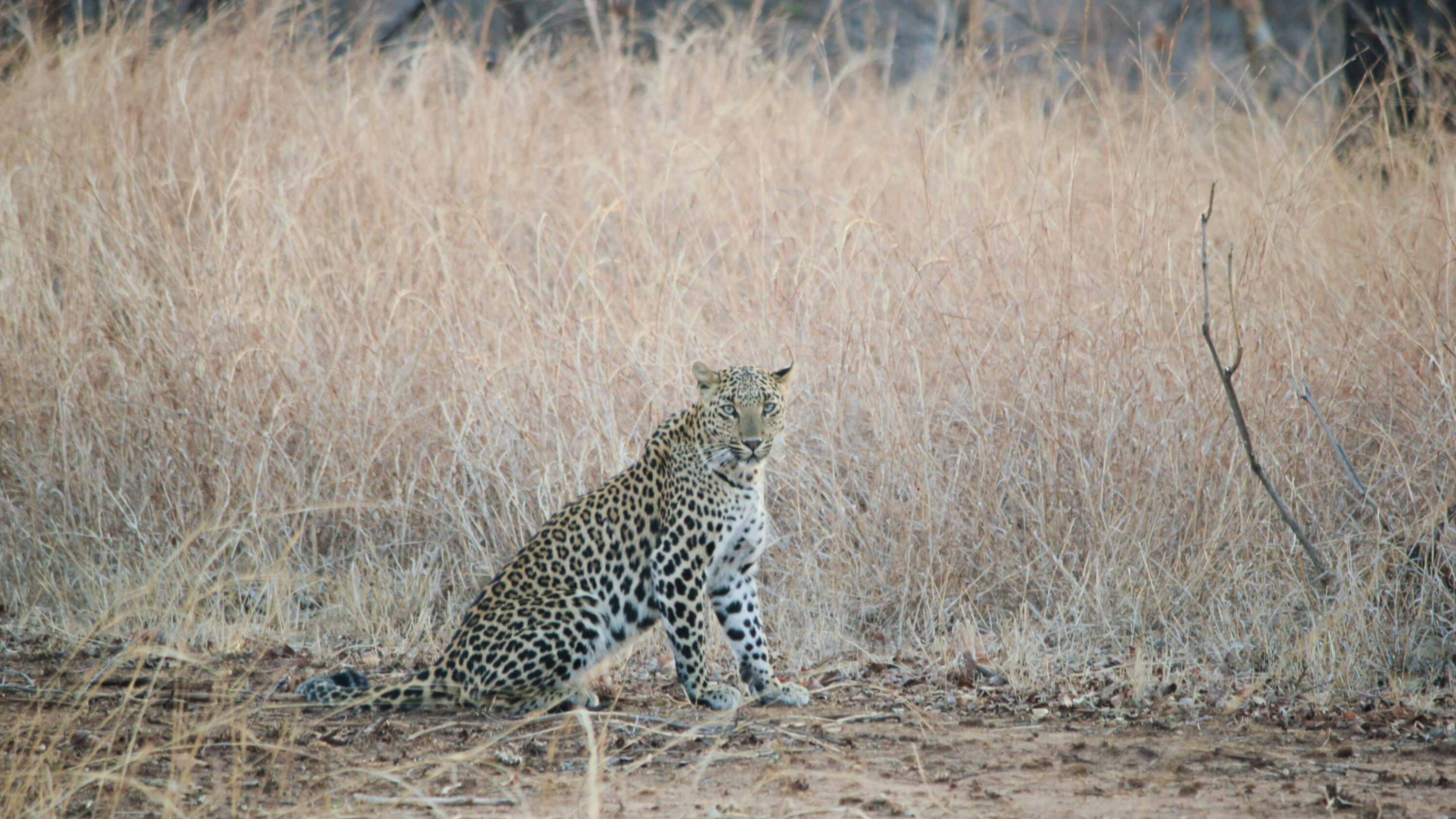
A spatial study around Panna Tiger Reserve found settlement distance was the strongest MaxEnt predictor for both tiger…
Read story →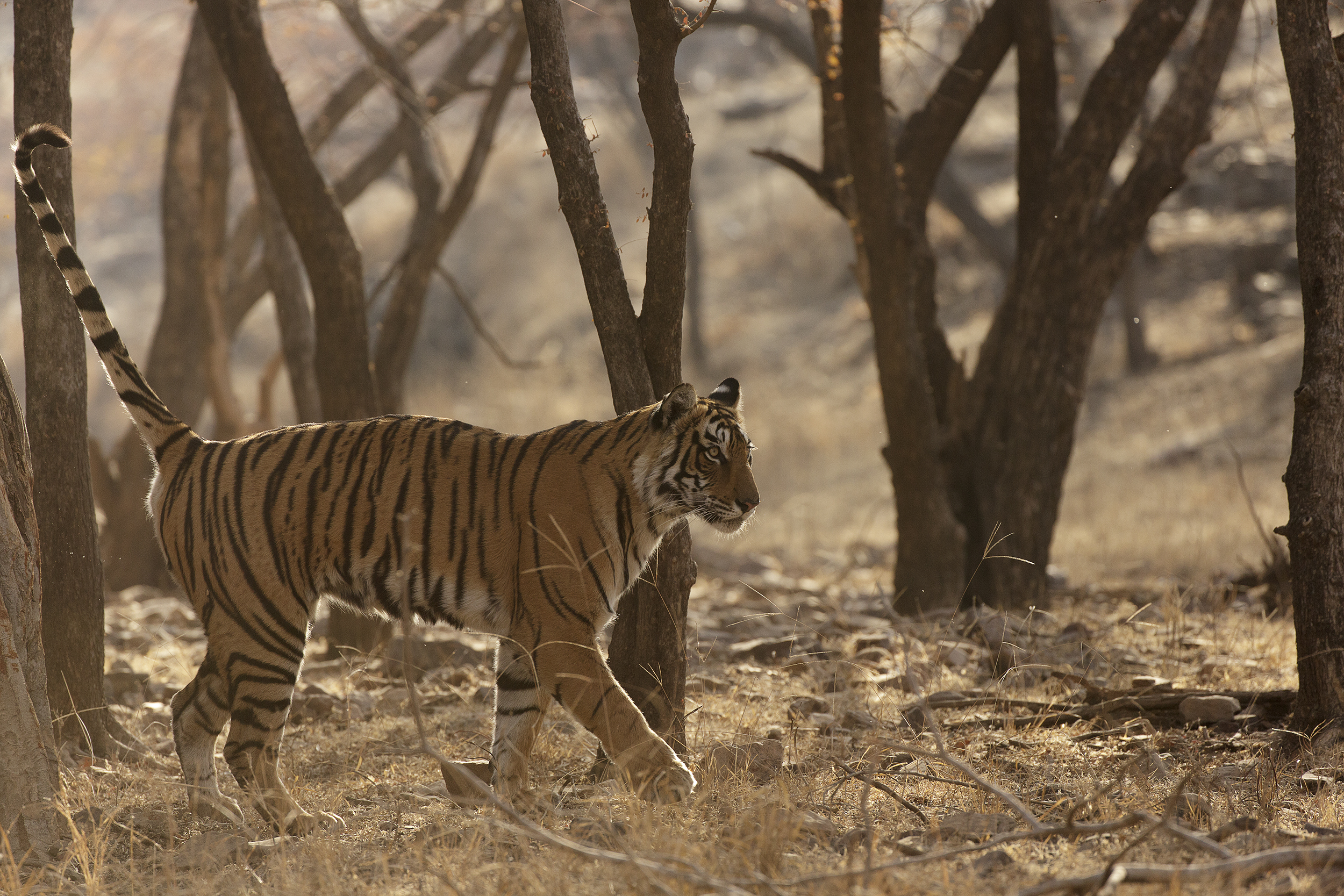
Chemical profiles from tiger and leopard urine and scat reached about 79% and 75% species-classification accuracy in five-fold…
Read story →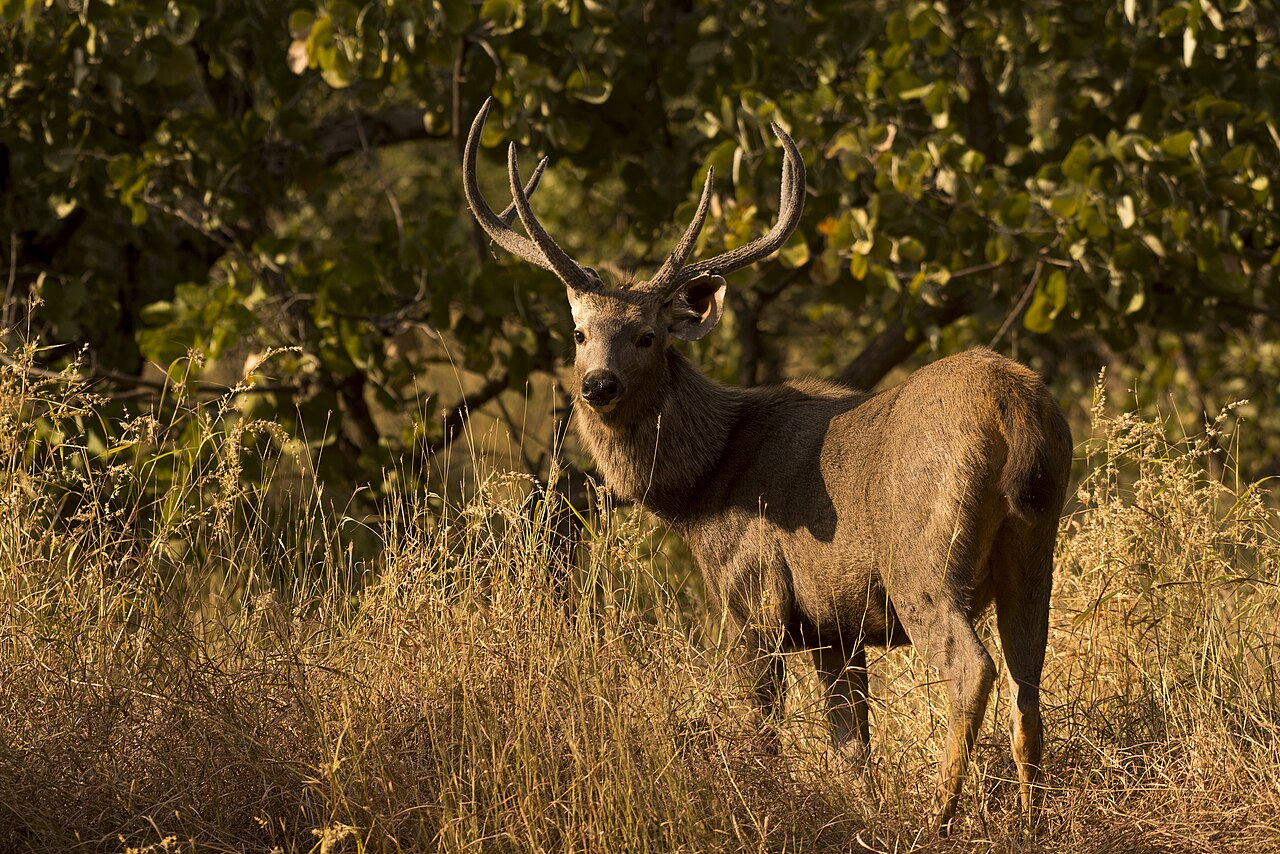
A national analysis identifies nine threatened Indian vertebrates whose habitat could act as an anchor for protecting hundreds…
Read story →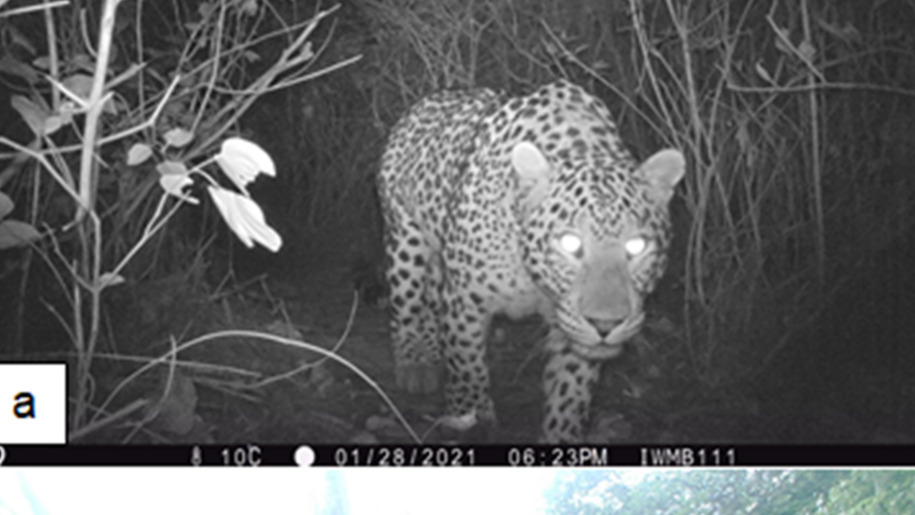
Four years of camera trapping in Pakistan’s Margalla Hills linked summer leopard site use most strongly to a…
Read story →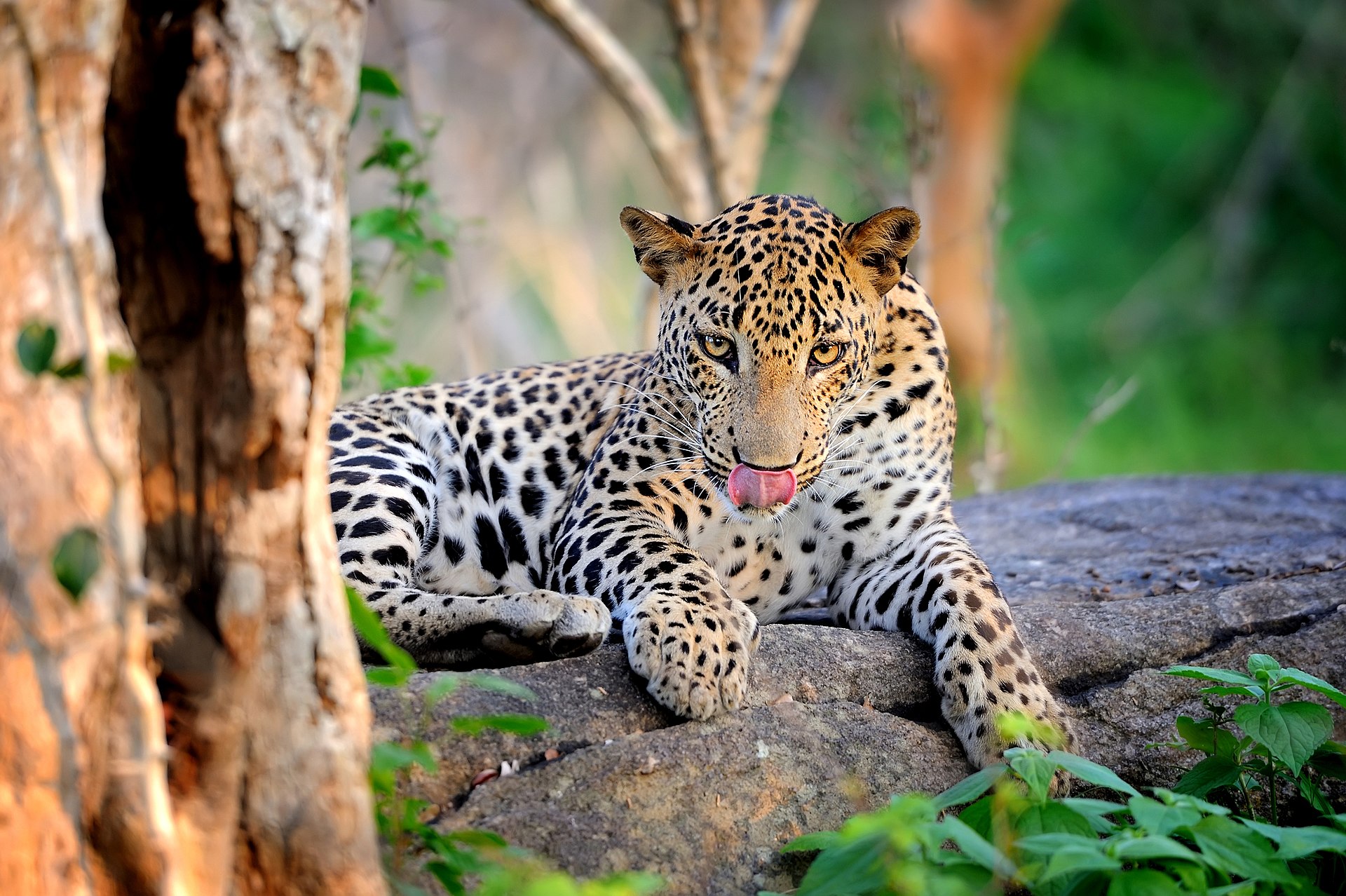
Among 138 documented deaths with a known cause, 62.3% involved snares, with records concentrated in central-highland plantation landscapes.
Read story →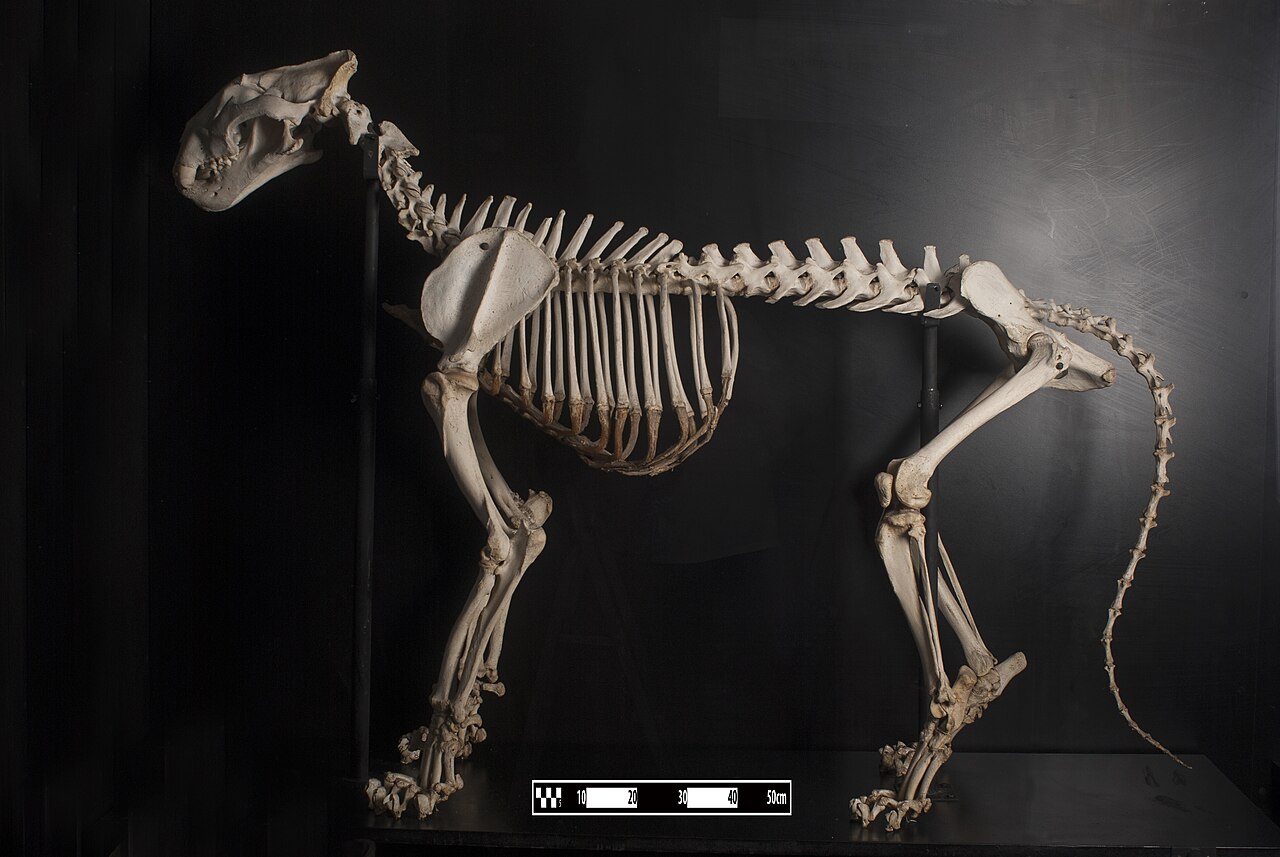
Infrared chemical fingerprints combined with a classification model correctly separated every tested Bengal tiger and Indian leopard bone…
Read story →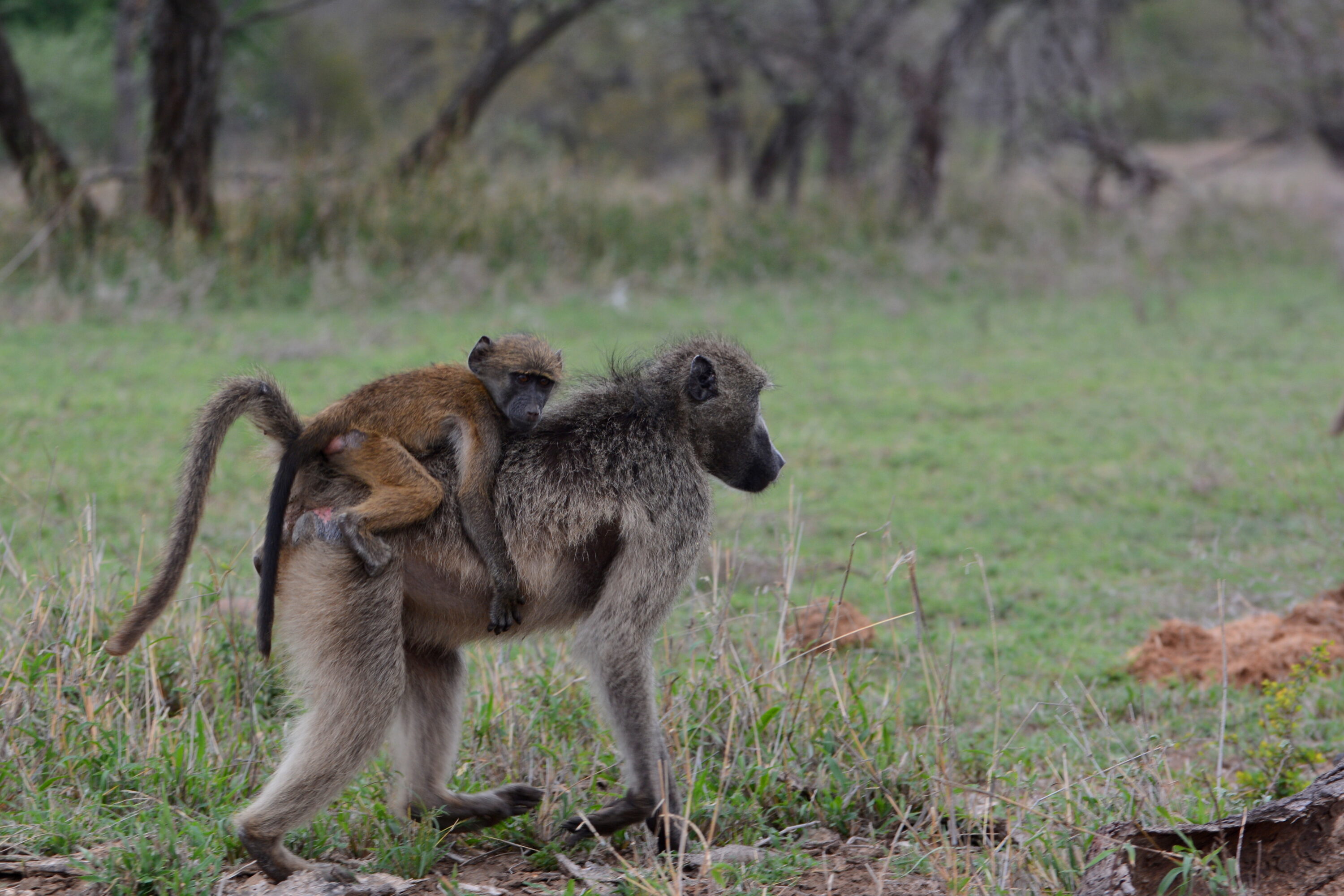
Across four savanna sites, camera traps showed no clear decrease in baboon detections during the 72 hours after…
Read story →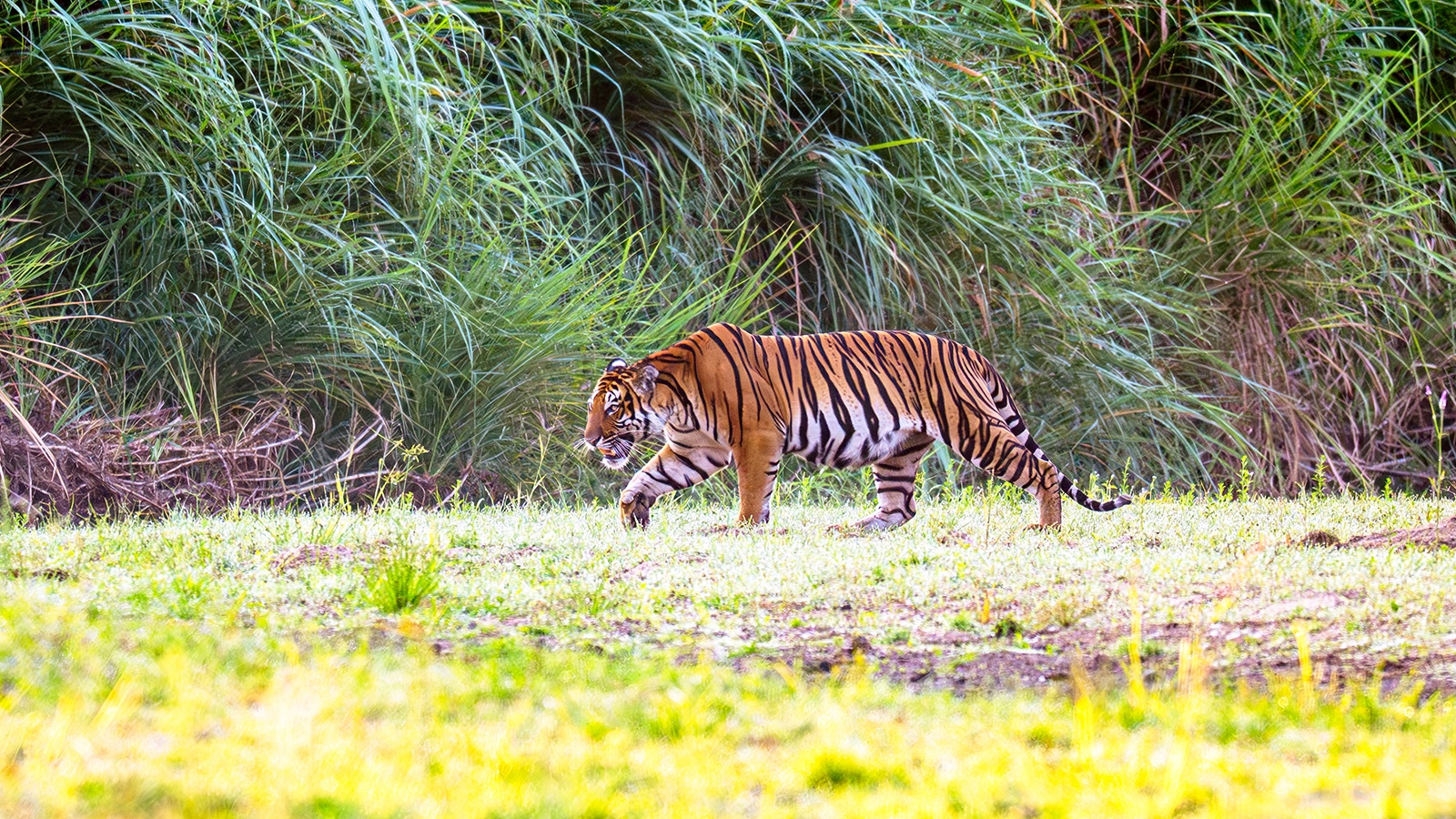
Six IUCN-supported projects running from 2025–2028 are implementing patrols, restoration, corridor protection, conflict reduction and livelihood measures across…
Read story →No news stories match these filters.