
One Male Tiger Confirmed in Bhutan’s Biological Corridor 7
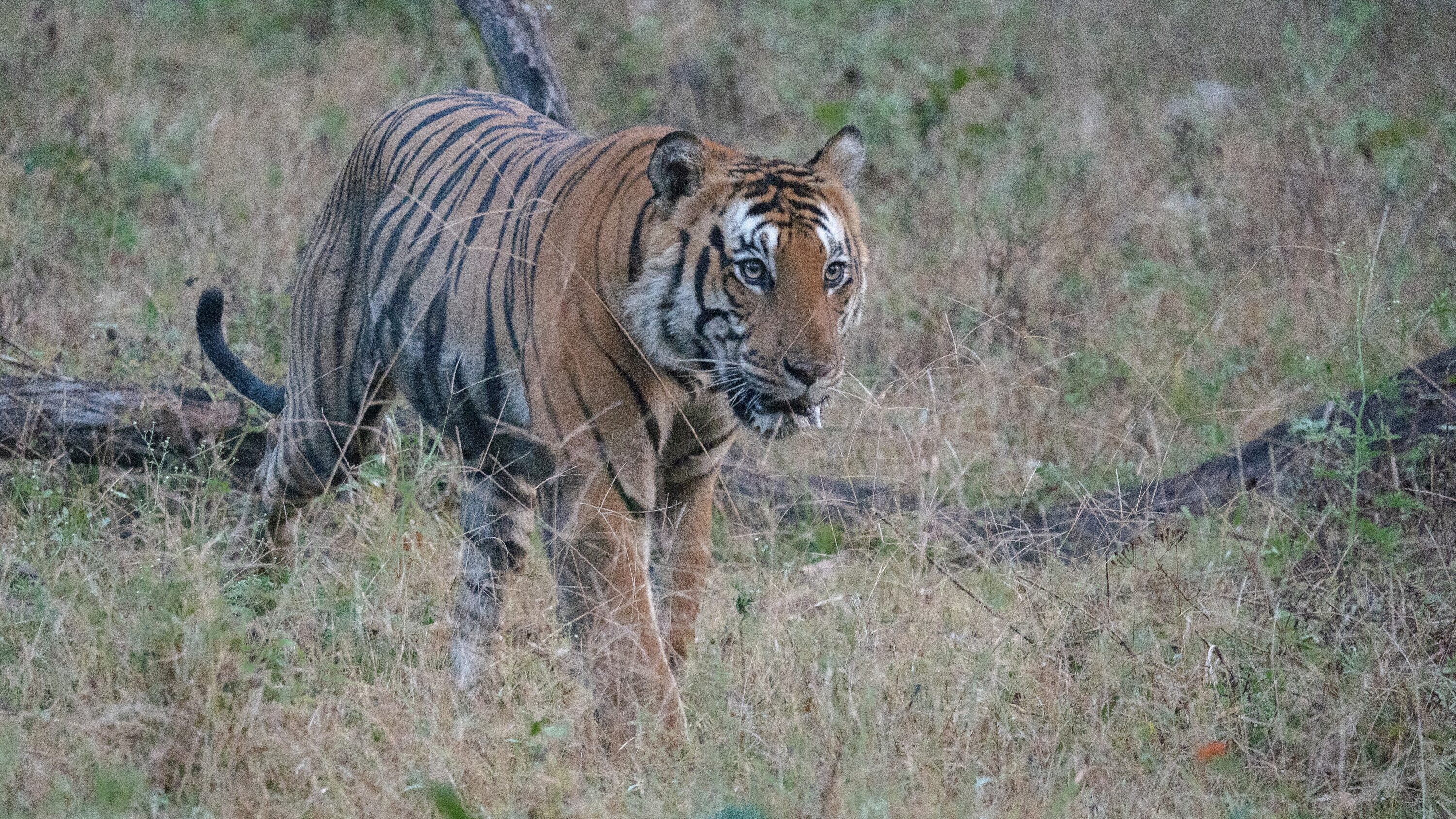
A camera-trap survey recorded a single adult male tiger (Panthera tigris) in Biological Corridor 7 in north-eastern Bhutan, providing the first photographic confirmation from the corridor after earlier national surveys had not detected the species there. The 419 km² corridor links Wangchuck Centennial and Phrumsengla National Parks with Bumdeling Wildlife Sanctuary.
One male recorded at two stations
Researchers deployed paired cameras at 31 stations in a 3 × 3 km grid between January and July 2025, for a total of 5,144 trap-nights. Nine photographs came from two independent events in February: seven at Nyesa on 9 February at 2,687 m elevation and two at Shawa on 12 February at 2,352 m, about 3 km away. Stripe patterns showed that both events involved the same adult male, and the animal did not match tigers in Bhutan’s national photo-identification catalogues.
Prey and human activity differed by season
Potential prey were recorded throughout the corridor. Effort-standardized event rates were higher in late winter than in spring for barking deer (Muntiacus muntjak; 10.60 vs 6.97 events per 100 trap-nights), sambar (Rusa unicolor; 6.15 vs 3.63) and wild pig (Sus scrofa; 5.58 vs 1.87). At the two stations where the tiger was photographed, human detections rose from 9.72 events per 100 trap-nights in late winter to 21.74 in spring, while cattle detections rose from 1.39 to 22.83. These camera-trap event rates describe detections under standardized effort, not direct estimates of animal abundance.
Presence does not prove corridor-wide connectivity
The four-day interval between photographs at stations about 3 km apart is evidence of local movement within the corridor, but it does not show that the tiger travelled between the protected areas. This distinction is central to functional connectivity: a landscape can be structurally connected on a map without yet having demonstrated actual animal movement and gene flow through the whole corridor. The authors also note that the lack of tiger records in earlier national surveys may partly reflect imperfect detection associated with coarser sampling and different survey timing.
The records therefore confirm tiger presence in Biological Corridor 7 but not long-term occupancy or corridor-wide functional connectivity. Repeated seasonal camera-trap surveys and non-invasive genetic sampling would be needed to determine whether different tigers use the corridor over time and whether it contributes to gene flow between protected populations.
Ecology
Related news
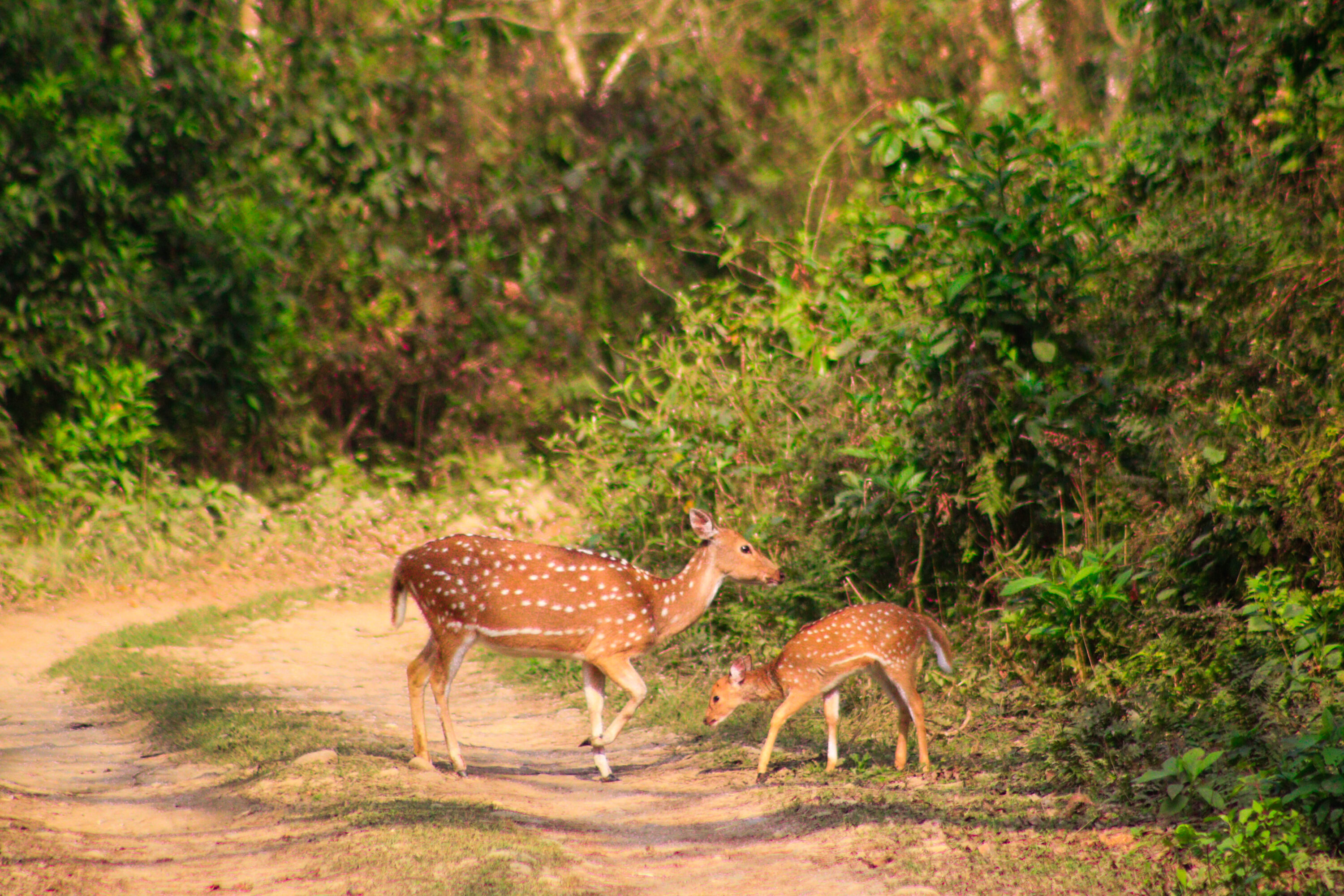
Human Activity and Large Wildlife Overlapped Most in Chitwan’s Buffer Zone
Camera traps across Chitwan National Park and surrounding forests showed the greatest overlap of human activity with large…
Read story →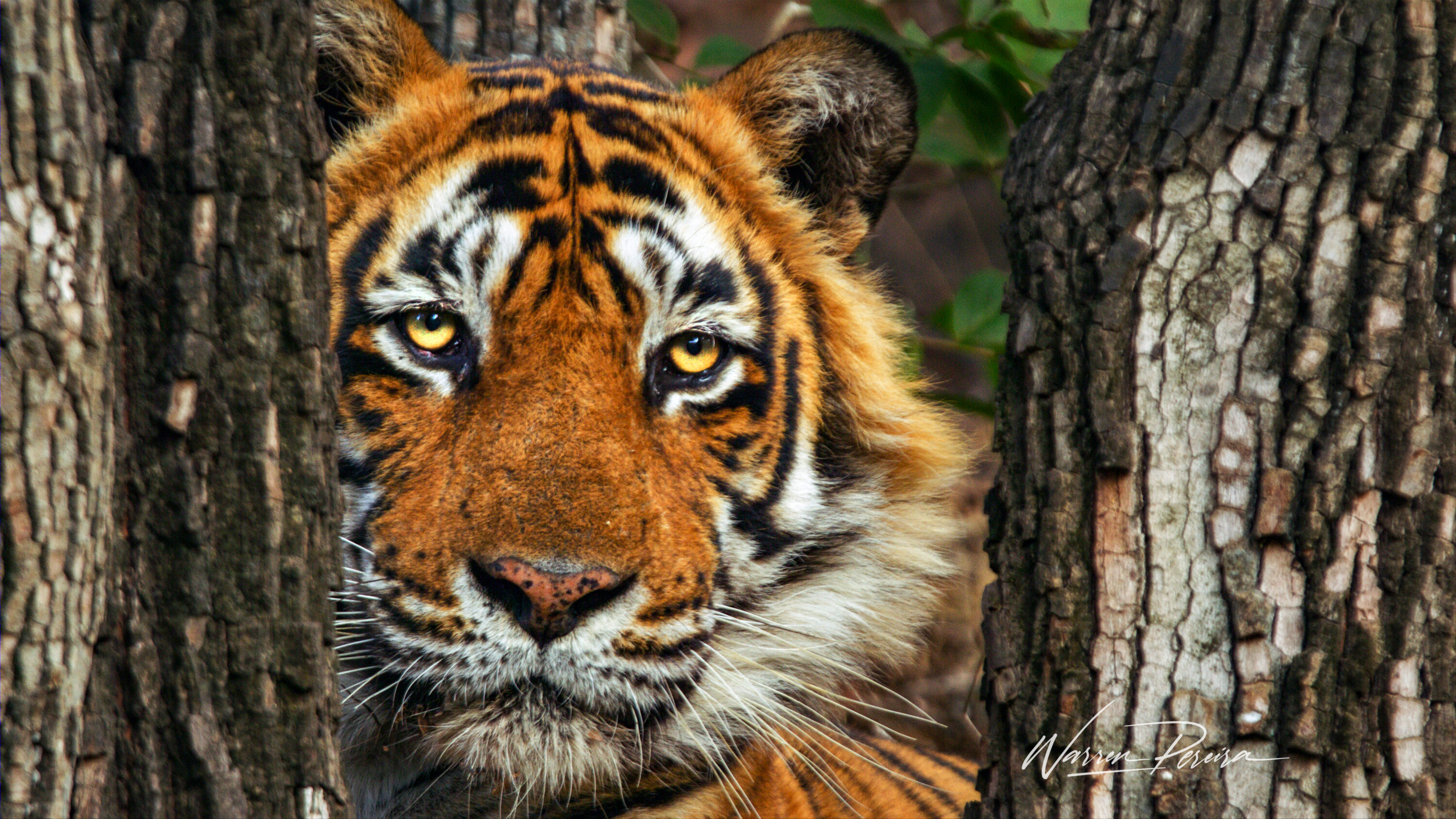
India launches a new evaluation cycle for its 58 tiger reserves
India’s sixth management effectiveness evaluation is planned to cover all 58 tiger reserves. The new cycle adds solid…
Read story →
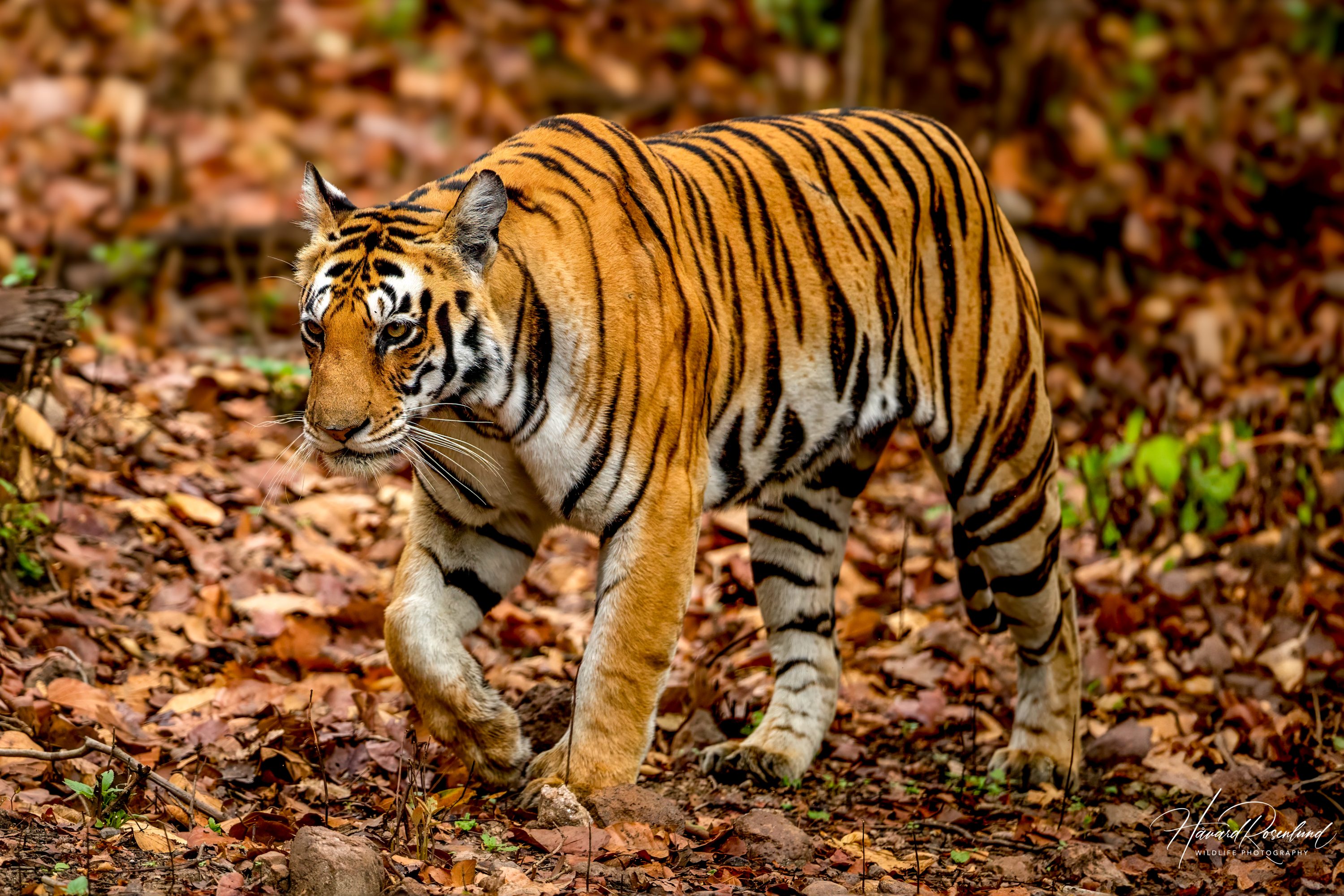
Female Tigers Returned More Often and Stayed Longer Than Males in Panna
GPS tracking of 12 resident tigers in Panna Tiger Reserve showed higher revisitation and residence times in females…
Read story →SPECIES IN THIS STORY
Species in this story
Independent research and conservation news archive
Did you find this information useful?
Wildlife Vagabond is independently built and maintained. Voluntary support helps cover source verification, hosting and continued work on research and conservation news.
Support Wildlife VagabondThe news archive will remain freely available.