
First tiger released into Kazakhstan’s wild in more than 70 years
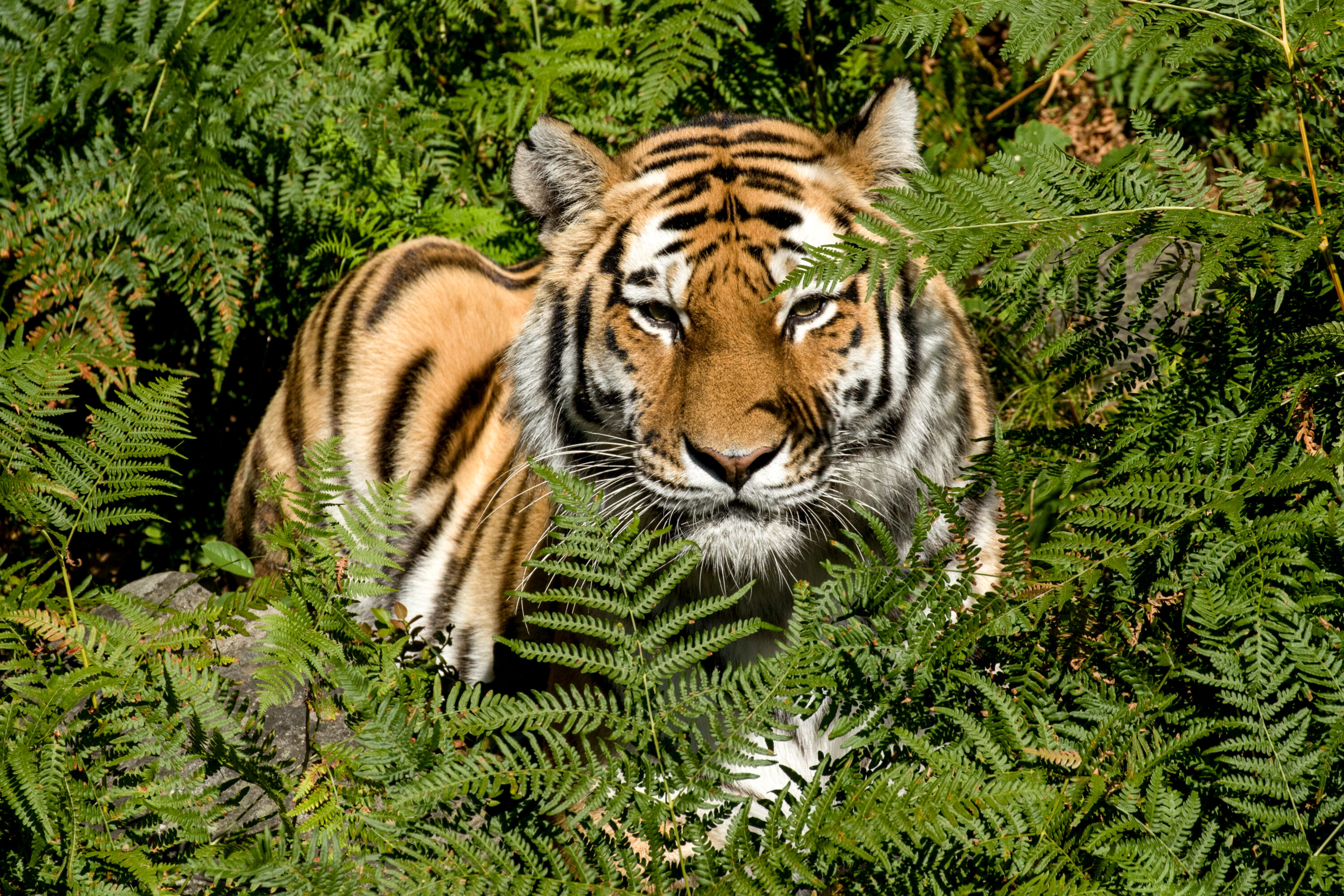
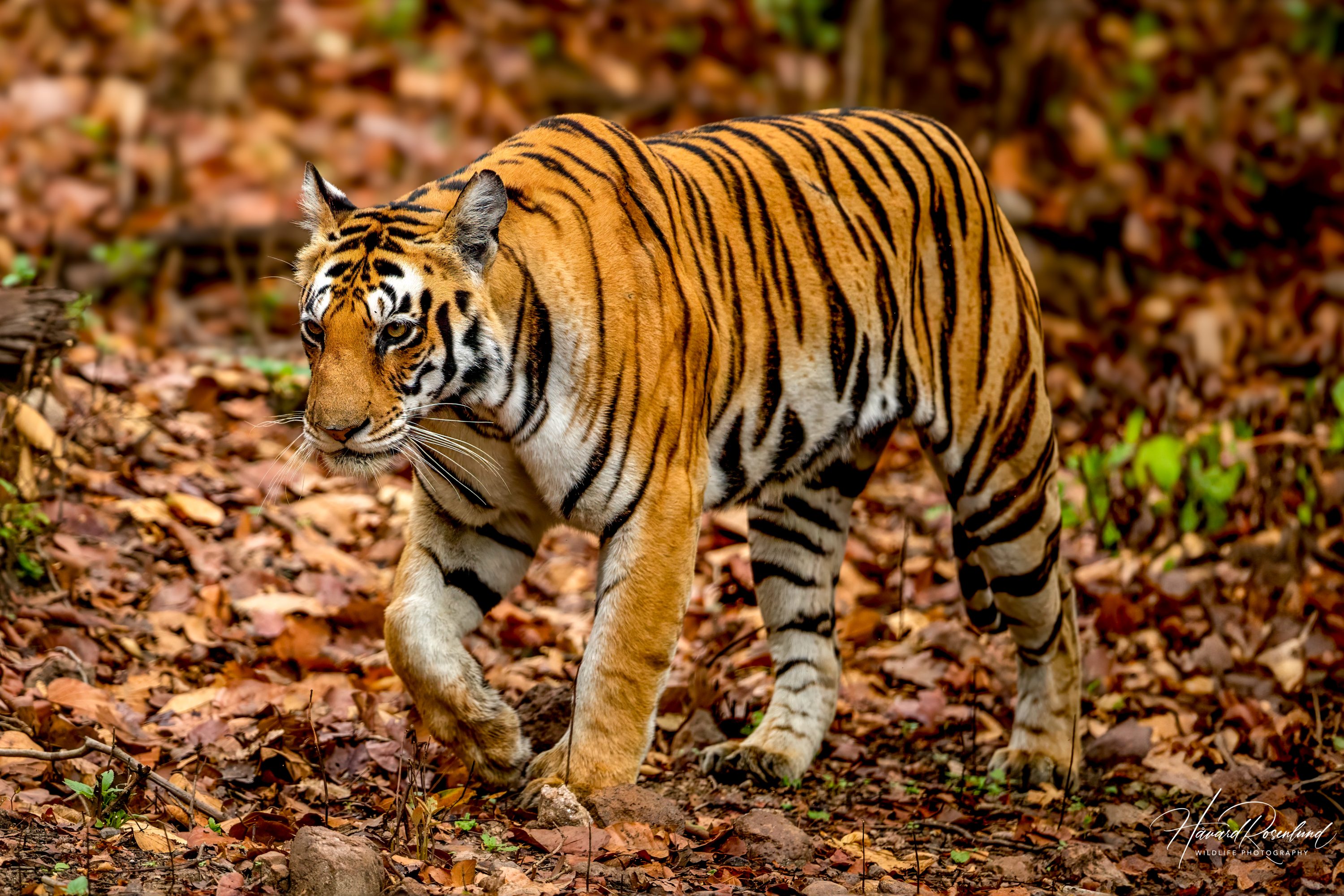
On 31 July 2026, a female Amur tiger (traditionally Panthera tigris altaica) named Ümit was released into the Ile-Balkhash State Nature Reserve in southeastern Kazakhstan. It was the first time a tiger had been released into the wild in the country since tigers disappeared from Kazakhstan more than 70 years ago, and marks a major step in a long-running attempt to restore the predator to part of its former Central Asian range.
Amur tigers are being used to restore the former Central Asian tiger range
Kazakhstan’s historic tiger population was usually known as the Turan or Caspian tiger (traditionally Panthera tigris virgata). The restoration programme is using Amur tigers as the source population. A newer taxonomic treatment recognises only two living tiger subspecies: the mainland tiger Panthera tigris tigris and the Sunda tiger Panthera tigris sondaica. Under this treatment, both the Amur tiger and the extinct Caspian tiger fall within the mainland subspecies Panthera tigris tigris.
Ümit was among four wild-caught Amur tigers transferred from the Russian Far East to Kazakhstan in May 2026. Before her release, she was kept in an adaptation enclosure while specialists assessed her health, behaviour and ability to hunt independently.
Years of landscape restoration came before the release
The release is only the most visible part of a much larger restoration project. Work in the Ile-Balkhash landscape began years before the arrival of the tigers. The state nature reserve was established in 2018, while habitat restoration, improvements to water systems and efforts to rebuild populations of wild ungulates have all been important parts of the preparation. Bukhara deer (Cervus hanglu bactrianus) and kulan (Equus hemionus kulan) have been reintroduced or reinforced in the region to help restore a prey base capable of supporting a large predator.
Post-release monitoring is testing how Ümit uses the restored landscape
Ümit is being monitored after release. A GPS/GSM collar that records her position and transmits data through the mobile network, together with camera traps, field observations and tracks, allows specialists to follow how she moves through and uses the landscape. By mid-August, she was reported to be exploring forested areas, habitats near water and areas used by wild prey. These first months will provide important information on how a tiger from the Russian Far East adapts to the restored ecosystem around Ile-Balkhash.
The release is an important conservation milestone, but it does not mean that a tiger population has already been restored. The long-term goal is a secure, self-sustaining population that can reproduce in the wild and coexist with people living around the reserve. That will depend on continued habitat and prey management, monitoring, anti-poaching work, conflict prevention and long-term cooperation between Kazakhstan and its conservation partners.
Reintroductions & translocations
Related news
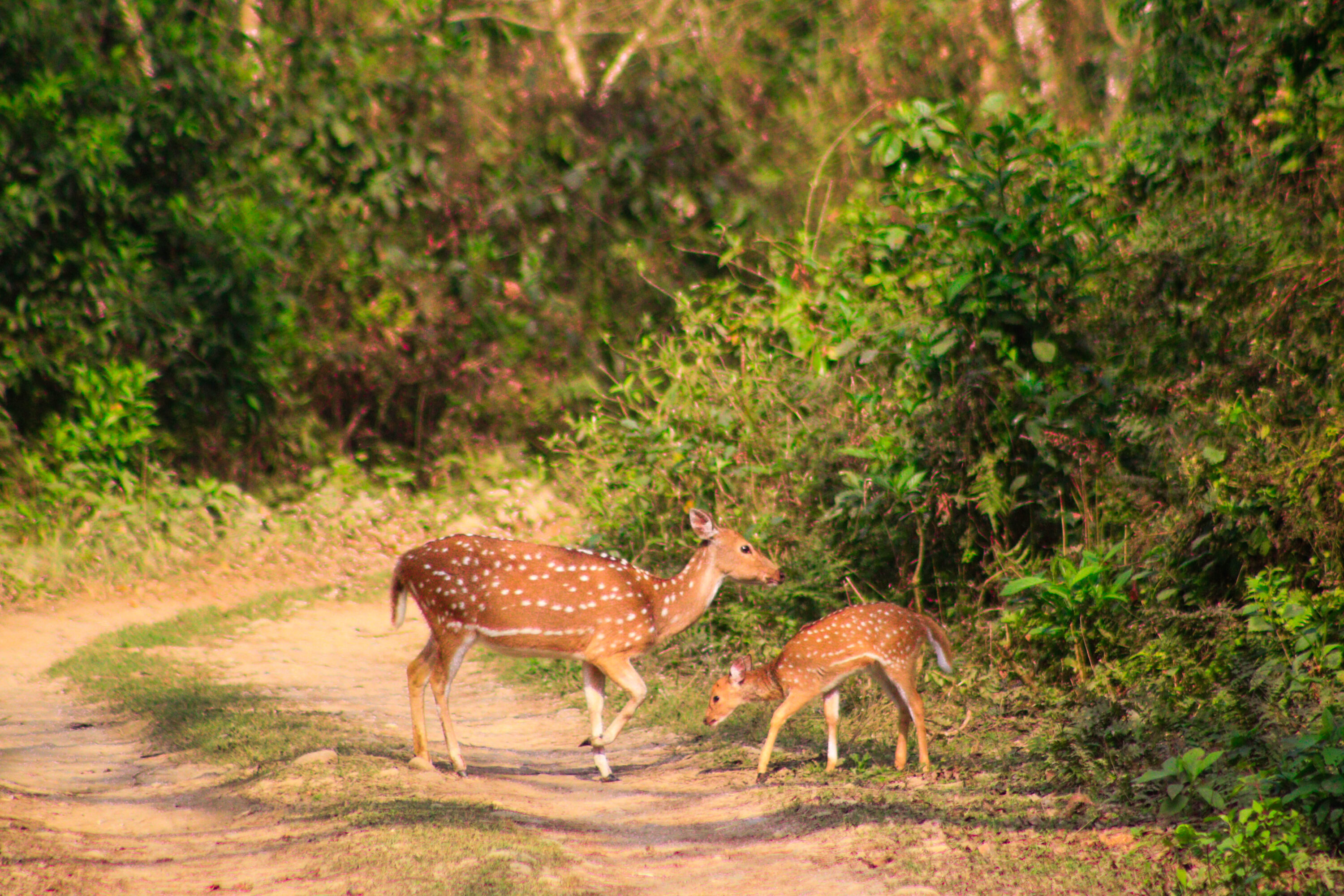
Human Activity and Large Wildlife Overlapped Most in Chitwan’s Buffer Zone
Camera traps across Chitwan National Park and surrounding forests showed the greatest overlap of human activity with large…
Read story →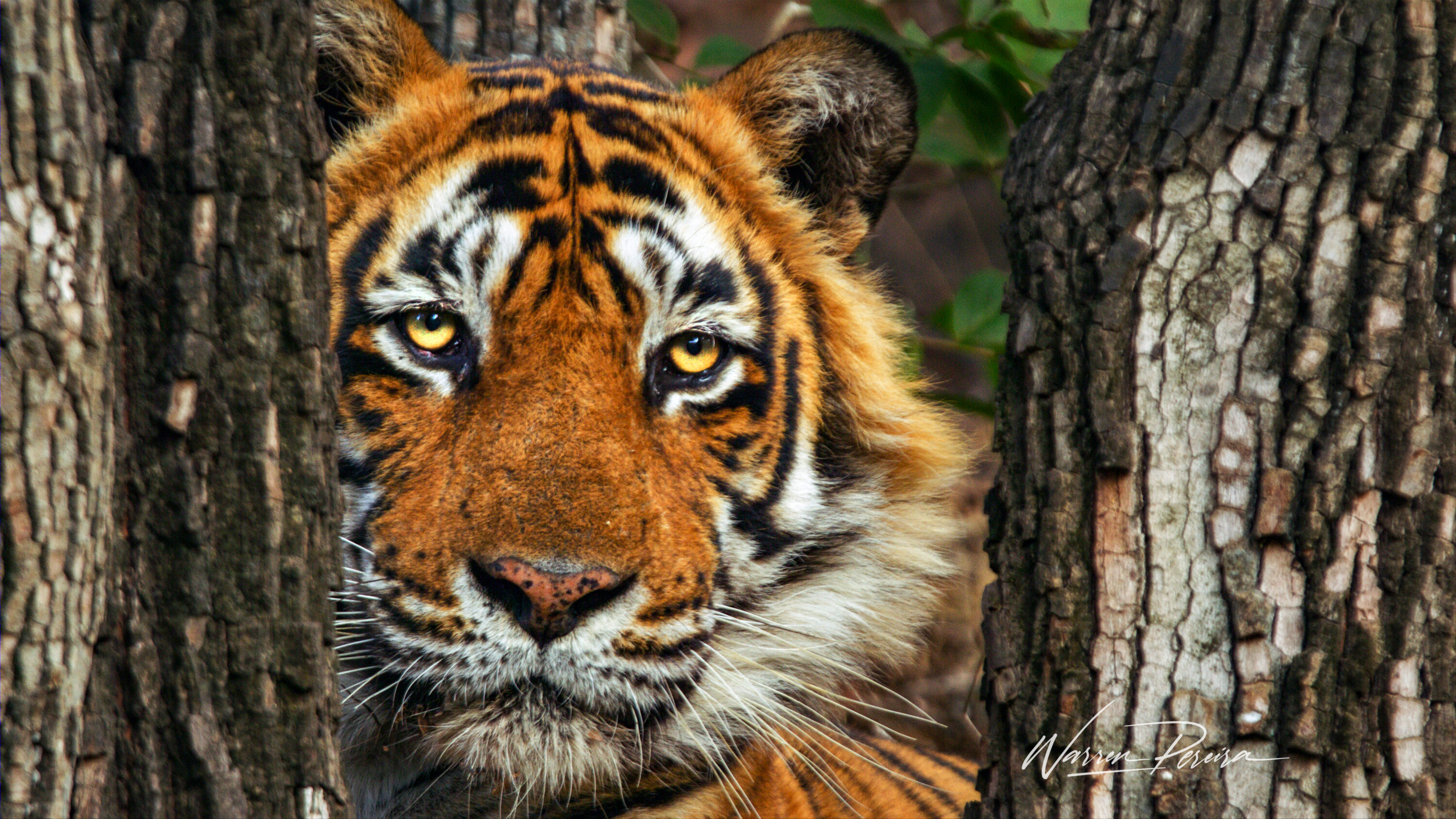
India launches a new evaluation cycle for its 58 tiger reserves
India’s sixth management effectiveness evaluation is planned to cover all 58 tiger reserves. The new cycle adds solid…
Read story →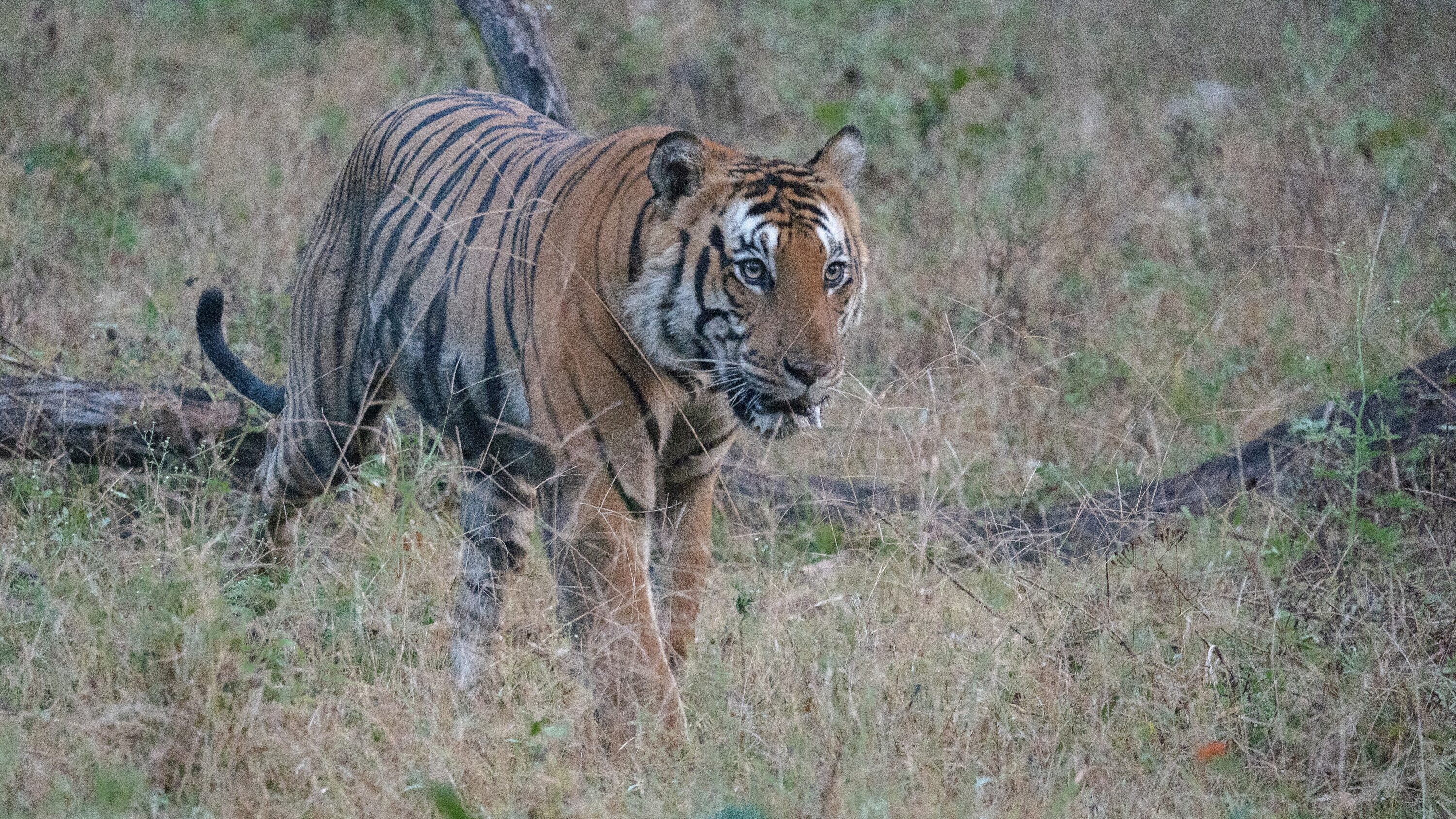
One Male Tiger Confirmed in Bhutan’s Biological Corridor 7
A 5,144-trap-night survey photographed one adult male tiger at two stations in Bhutan’s Biological Corridor 7, confirming use…
Read story →SPECIES IN THIS STORY
Species in this story
Independent research and conservation news archive
Did you find this information useful?
Wildlife Vagabond is independently built and maintained. Voluntary support helps cover source verification, hosting and continued work on research and conservation news.
Support Wildlife VagabondThe news archive will remain freely available.