
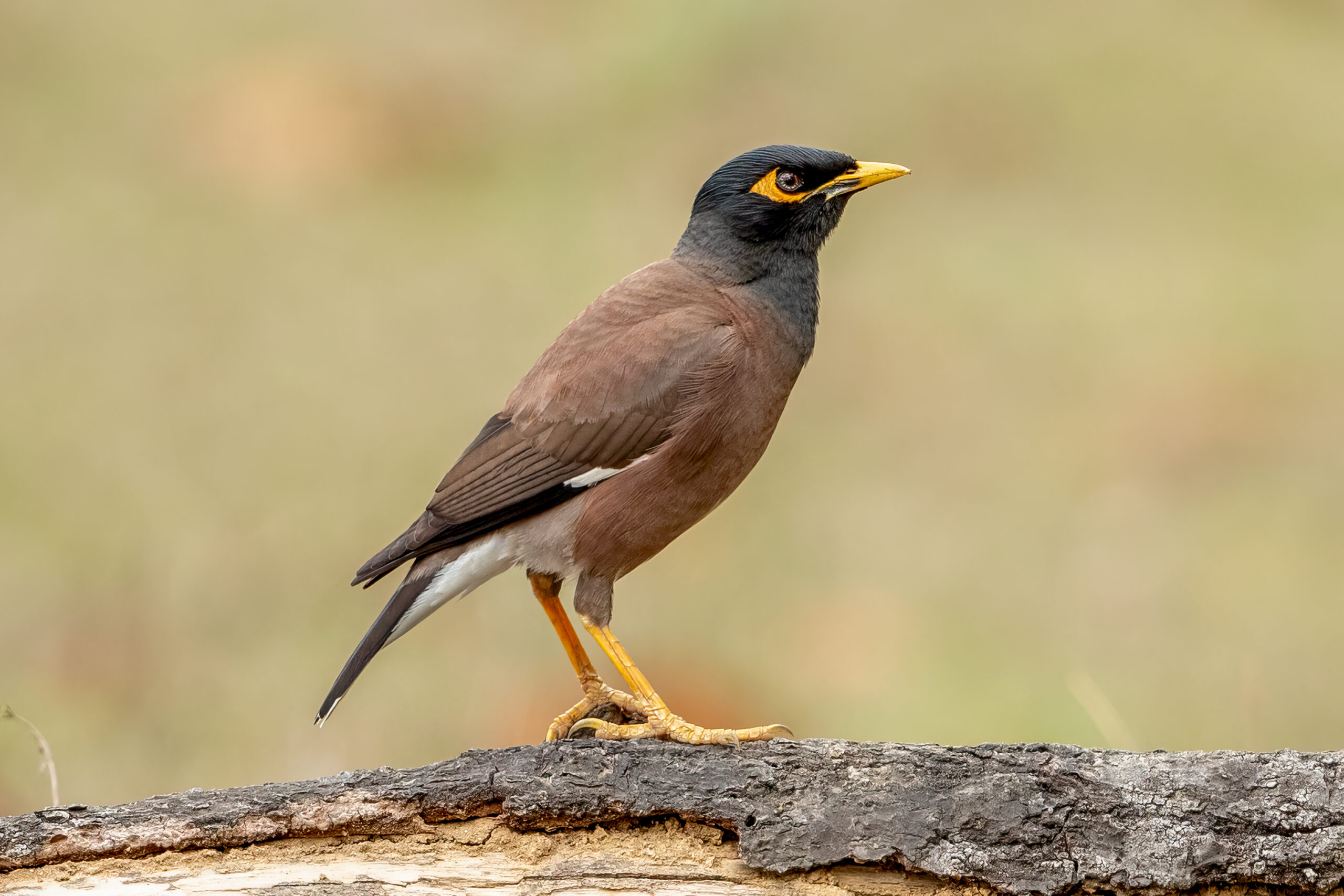
Twenty-one Nests Show Common Mynas Using Trees, Houses and Wells
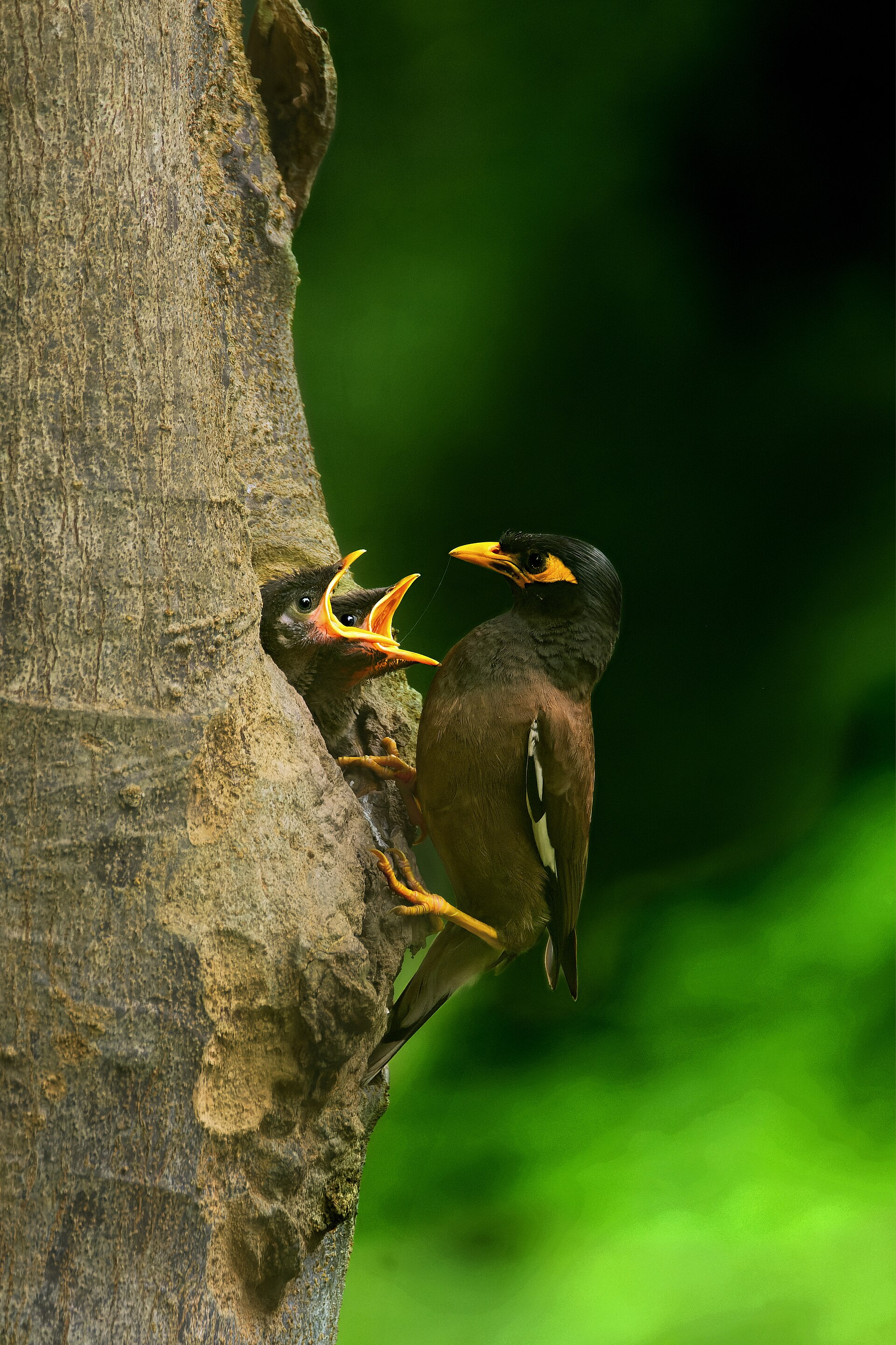
A field study in rural Rajasthan, India documented how common mynas used both trees and human structures for nesting. Researchers located 21 nests in the Lohargal region and recorded their positions, materials, dimensions, clutch sizes and outcomes.
The study of common mynas (Acridotheres tristis) was published in 2026 in the International Journal of Fauna and Biological Studies. Observations ran from May 2024 to July 2025 in a landscape containing grassland, water bodies, large trees, shrubs, buildings and artificial nest boxes.
Researchers searched the study area with binoculars and located nests by watching birds build, incubate eggs and provision chicks. They recorded the type and condition of each nesting site, the tree species where relevant, the position and height of the nest, and measurements of cavities. Nests were revisited twice a week to check clutch size and outcome.
Nests occurred in trees, houses and wells
Of the 21 nests, eight were placed in tree forks and five on tree branches. Five were associated with houses and three with wells. The authors describe holes as the most common nest type overall, including natural cavities in dead branches, while shallow cup-like structures were also found on branches.
Nests were generally reported between approximately three and nine metres above the ground, and the summary table gives an average height of five metres. Measured nest entrances ranged from five to seven centimetres wide, with a mean of 5.83 centimetres. Cavity depth varied more widely, from 10 to 35 centimetres, with a reported mean of 18 centimetres.
Nests mixed natural and manufactured materials
The nests contained natural and manufactured materials. Twigs and leaves from local trees were accompanied by pieces of plastic and rope.
Clutches averaged 5.1 eggs
Clutches ranged from three to eight eggs, with a reported mean of 5.1 eggs. The paper describes nesting success as approximately 80–85 per cent and says 15–20 per cent of nests were destroyed by adverse weather, particularly rain and storms.
Reproduction & development
Related news
Rail Staff Say Two Common Mynas Regularly Ride Sydney Trains
Two common mynas were filmed sitting calmly inside a Sydney train, while a guard said staff know them…
Read story →
Six Cavity-Nesting Bird Species Bred Successfully in Artificial Nests in Punjab
Punjab Agricultural University reported successful breeding in artificial nests by six cavity-nesting species, including Indian roller, spotted owlet…
Read story →
Qatar Captured 12,844 Invasive Common Mynas From January to July
Qatar reported 12,844 common mynas captured from January through July 2026, bringing the project total to 61,999. Control…
Read story →SPECIES IN THIS STORY
Species in this story
Independent research and conservation news archive
Did you find this information useful?
Wildlife Vagabond is independently built and maintained. Voluntary support helps cover source verification, hosting and continued work on research and conservation news.
Support Wildlife VagabondThe news archive will remain freely available.