
UK Common Murre Index Was 40% Above 1986 Level, While Scotland Was 29% Below
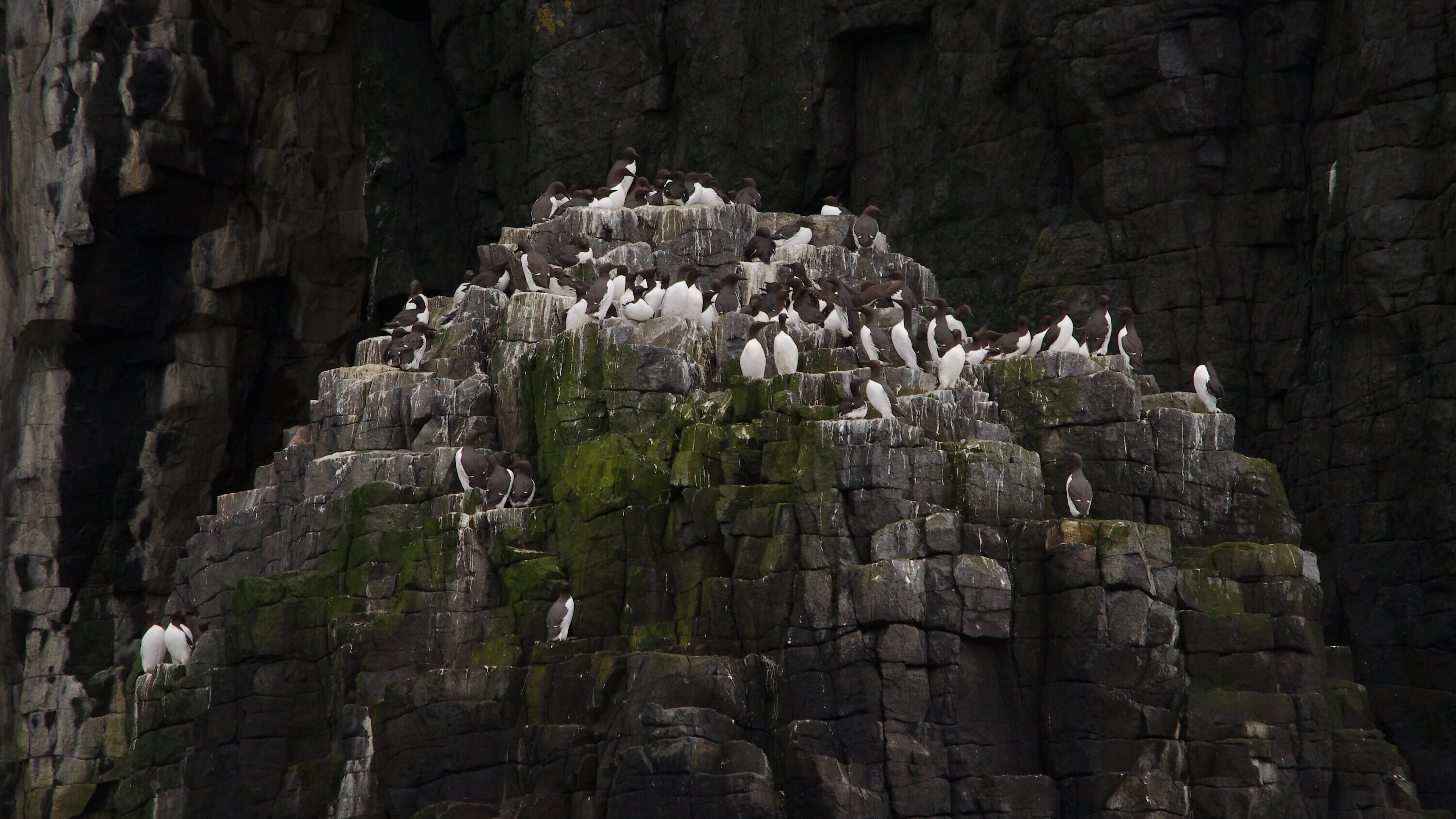
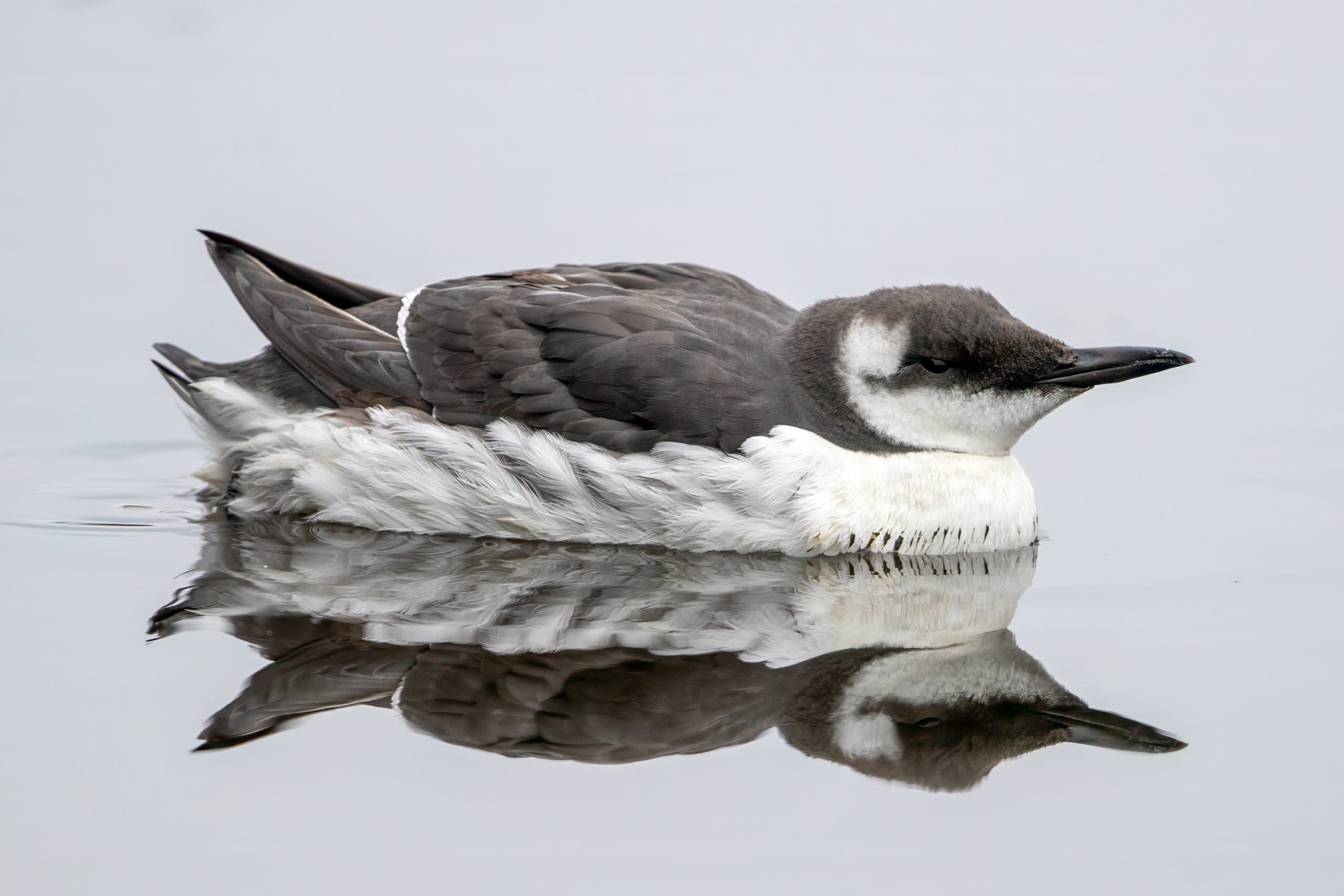
The Seabird Monitoring Programme report published on 19 March 2026 shows a marked regional contrast in the long-term abundance index for common murres, or common guillemots (Uria aalge). In 2024, the UK index was 40% above its 1986 baseline, while the Scottish index was 29% below the 1986 level.
The difference is also visible over the medium term. Relative to 2000, the 2024 UK index was 18% higher, whereas the Scottish index was 38% lower. The report lists 810,645 common murres across 70 Scottish colonies, compared with 1,265,888 birds across 105 monitored colonies in the UK as a whole. Scotland therefore accounted for a large share of the breeding birds represented in the monitoring data, so the national and Scottish trajectories are not independent pictures of two separate populations.
Breeding productivity was more similar across regions
Breeding productivity told a less contrasting story. In 2024, productivity was estimated at 0.51 chicks fledged per breeding pair for the UK and 0.55 for Scotland. Their long-term productivity patterns have also tracked one another closely because many of the monitored colonies are Scottish.
Abundance indices are not complete population censuses
The abundance indices are not equivalent to complete population censuses and should be interpreted with care. Colony coverage varied substantially among recent years, and some recent indices were disproportionately influenced by smaller colonies; coverage improved in 2023 and 2024. The separate Seabirds Count census showed a more modest overall decline since Seabird 2000, with decreases concentrated in the north and increases farther south. This illustrates why an annual monitoring index and a full census should not be treated as the same measure.
Population & status
Related news
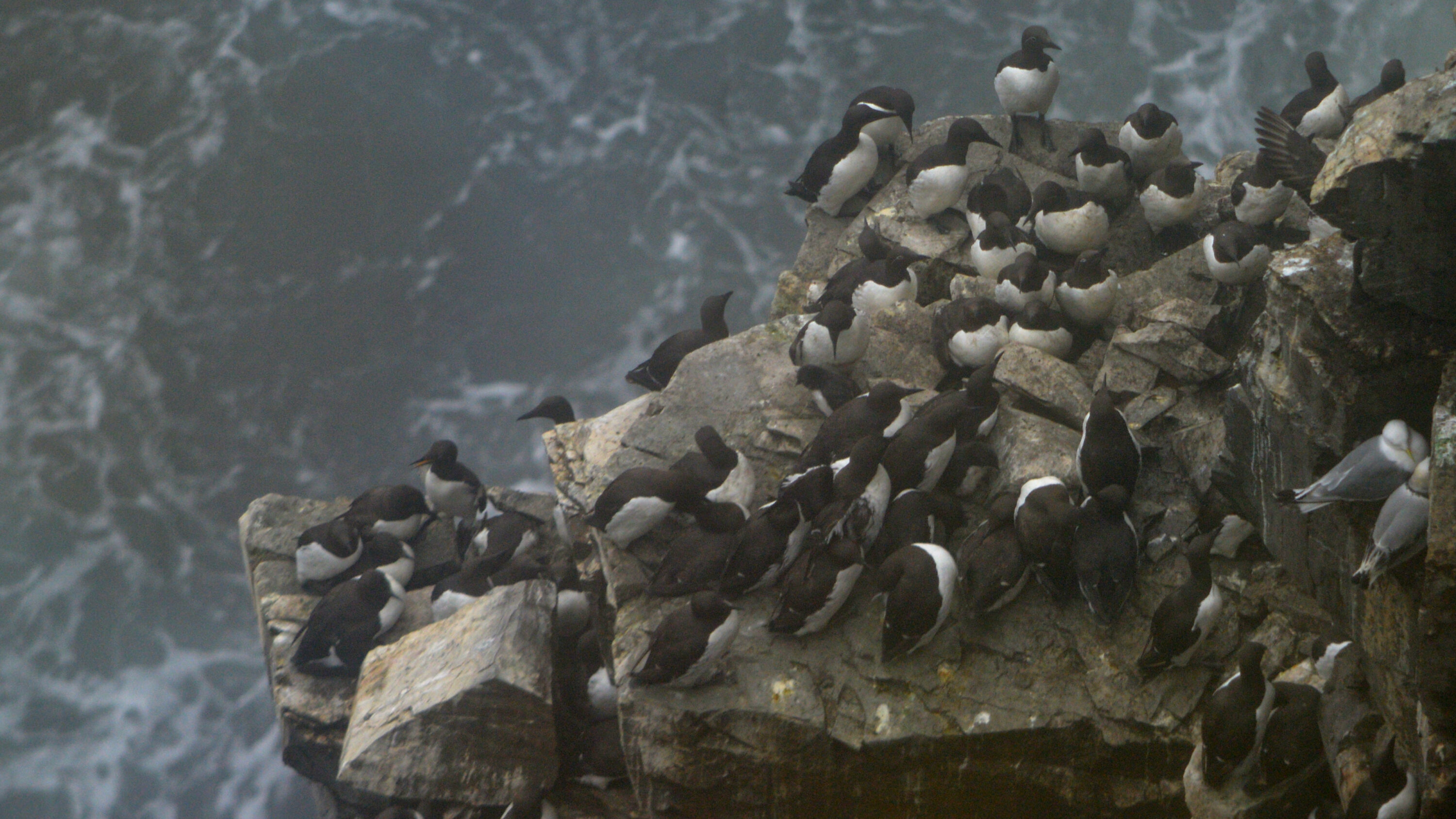
Common Murres Had Higher Blood Mercury in 2022 as Foraging Shifted Closer to Shore and Seafloor
Adult common murres in the Gulf of St. Lawrence had non-overlapping, higher blood-mercury concentrations in 2022 than in…
Read story →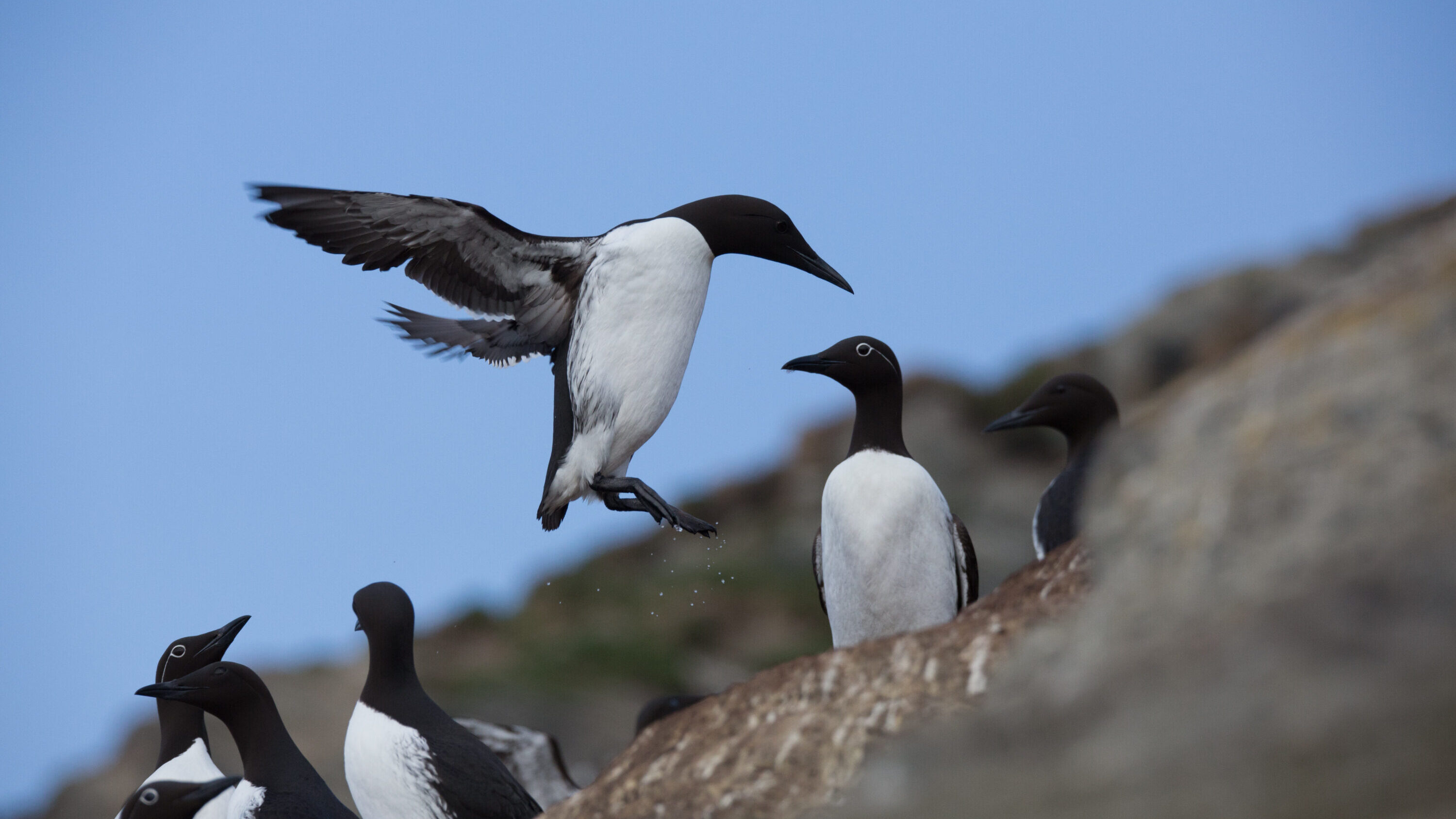
Negative Link Between Spring Capelin Landings and Adult Survival Was Supported Only for Hjelmsøya Common Murres
Across eight Barents Sea seabird populations, a direct negative association between spring capelin landings and overwinter adult survival…
Read story →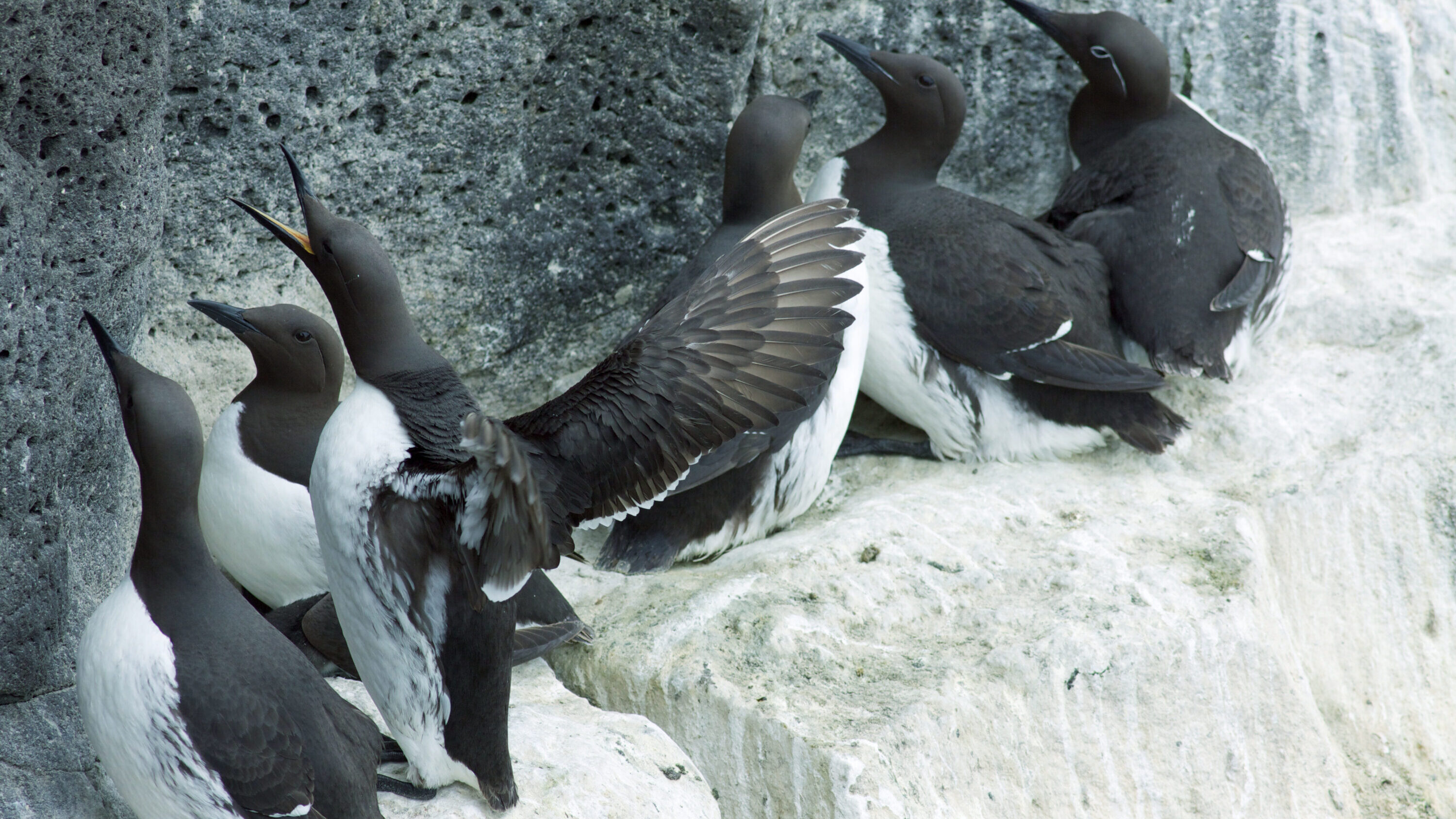
Water Masses and Foraging Structured PFAS Variability in Icelandic Common and Thick-billed Murres
Plasma from 67 common murres and 45 thick-billed murres showed that PFOS variability was strongest in Atlantic-influenced waters,…
Read story →SPECIES IN THIS STORY
Species in this story
Independent research and conservation news archive
Did you find this information useful?
Wildlife Vagabond is independently built and maintained. Voluntary support helps cover source verification, hosting and continued work on research and conservation news.
Support Wildlife VagabondThe news archive will remain freely available.