
Vervet Males Retain Grooming Patterns After Dispersal, but Not Proximity Patterns
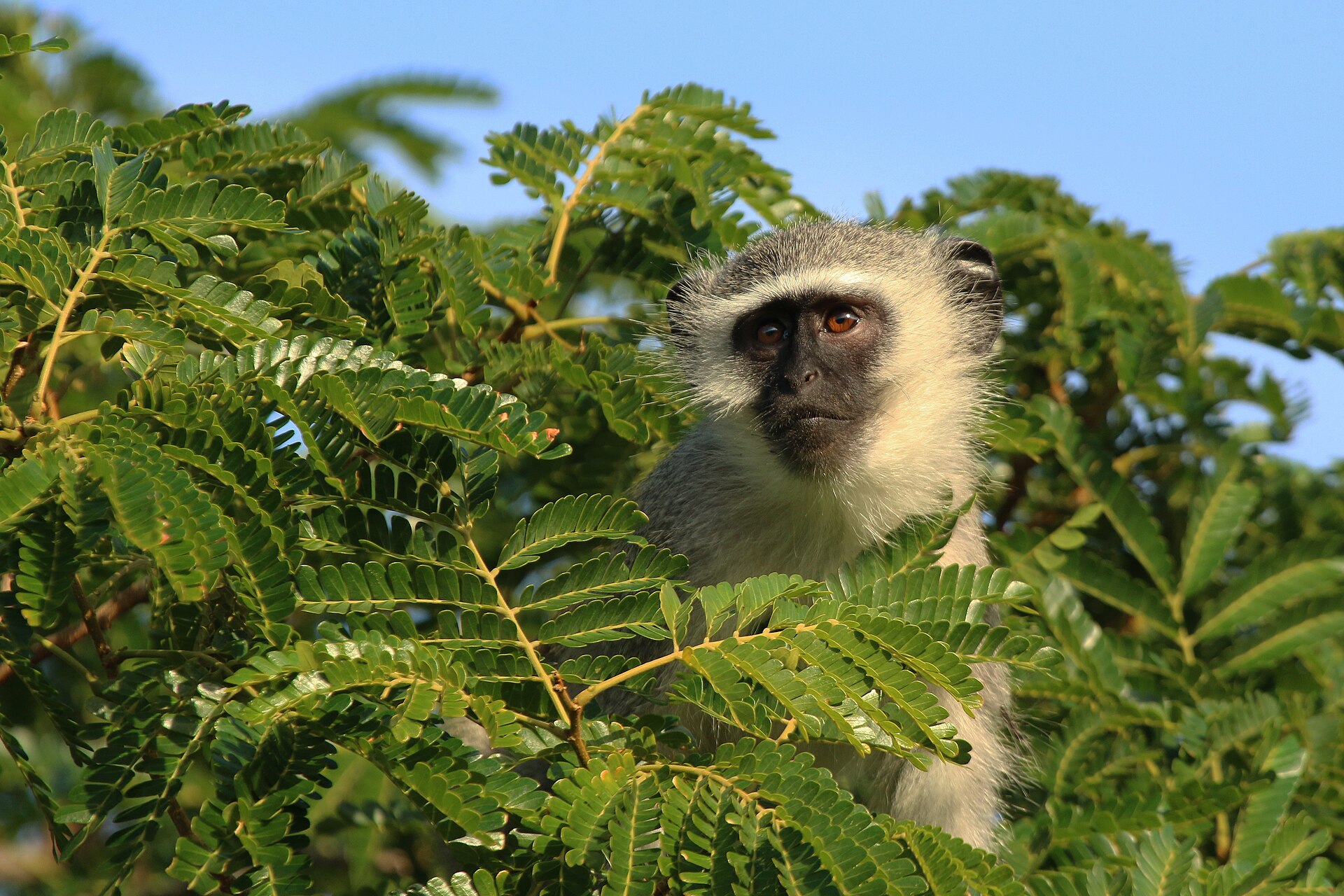
For young vervet monkeys, their mother’s place in the group can shape their early social lives. But males face a different challenge from females: they eventually leave the group in which they grew up and must establish themselves among unfamiliar animals. How much of their early social behaviour follows them into that new hierarchy?
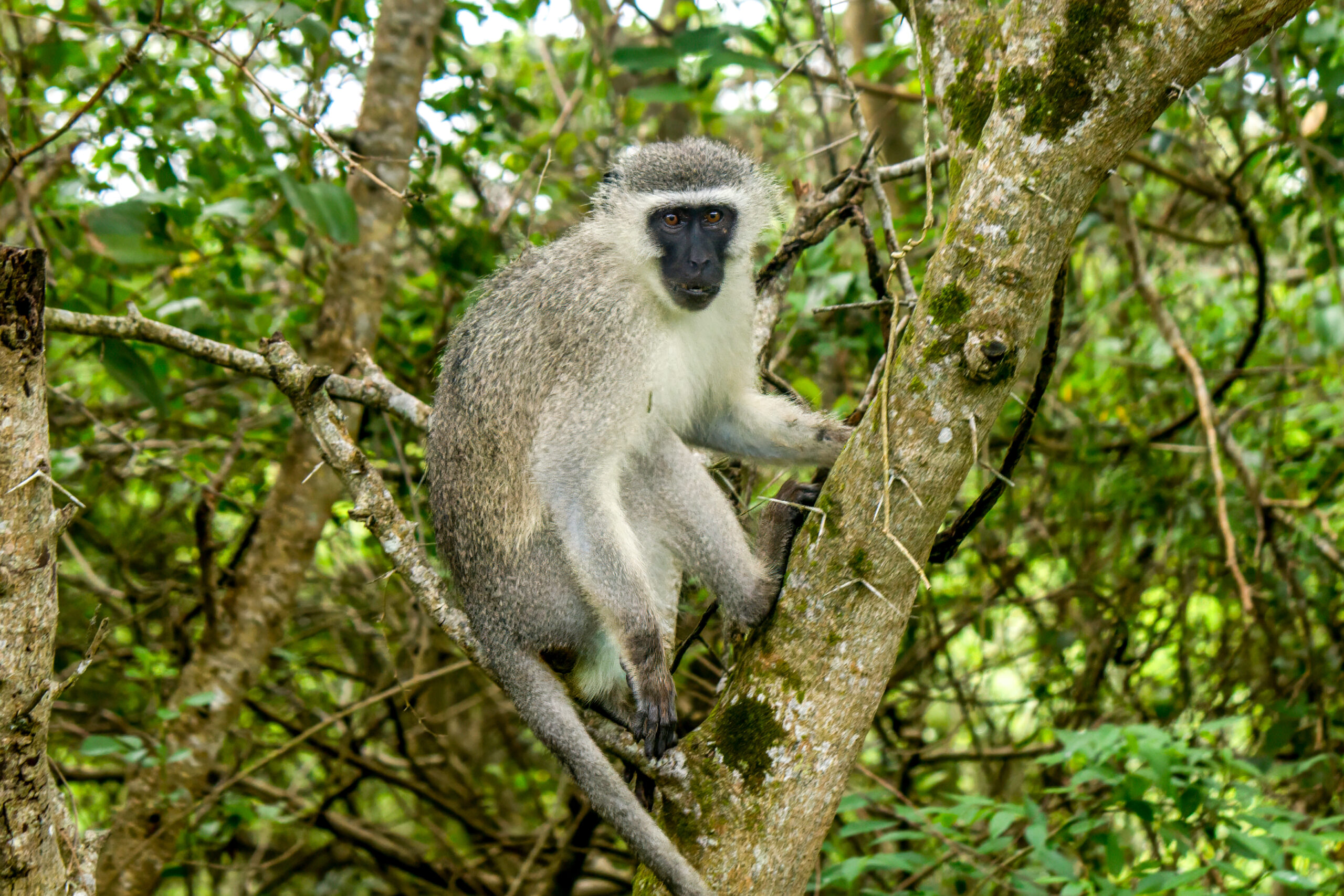
Researchers examined 16 years of observations of wild vervets (Chlorocebus pygerythrus), comparing maternal characteristics, the young males’ relationships before dispersal and the rank they held in their first year in a new group. The study tested not just whether maternal rank was associated with later rank, but whether the males’ social behaviour might explain any such relationship.
Grooming was more consistent than simply being nearby
The researchers distinguished between two kinds of social contact. Grooming involves one monkey actively tending another’s fur and is a direct interaction between individuals. Proximity records which animals spend time near one another, without necessarily showing that they interact. These measures need not tell the same story about an animal’s social relationships.
Across the move to a new group, males showed more consistency in grooming behaviour than in proximity patterns. After dispersal, the number of different group members a male groomed was associated with his rank. That measure describes the breadth of his grooming relationships; it is not simply a count of how often he groomed.
Maternal influence did not explain the new hierarchy
Maternal characteristics were associated with the males’ social behaviour when they were young. Yet the researchers found no support for a further link in which those measured behaviours carried an effect of the mother through dispersal to the son’s new rank. The finding does not mean that mothers play no role in development. It means this particular proposed pathway was not supported by the data.
The contrast makes the study interesting: some aspects of social behaviour appear to persist when a male changes groups, while his immediate social surroundings change. The results suggest that entering a new group involves both continuity in grooming behaviour and flexibility in whom a male spends time near. They do not establish that grooming causes a higher rank, or that males inherit a particular position from their mothers in the new group. The research was released as a bioRxiv preprint and has not undergone journal peer review.
Behaviour
Related news
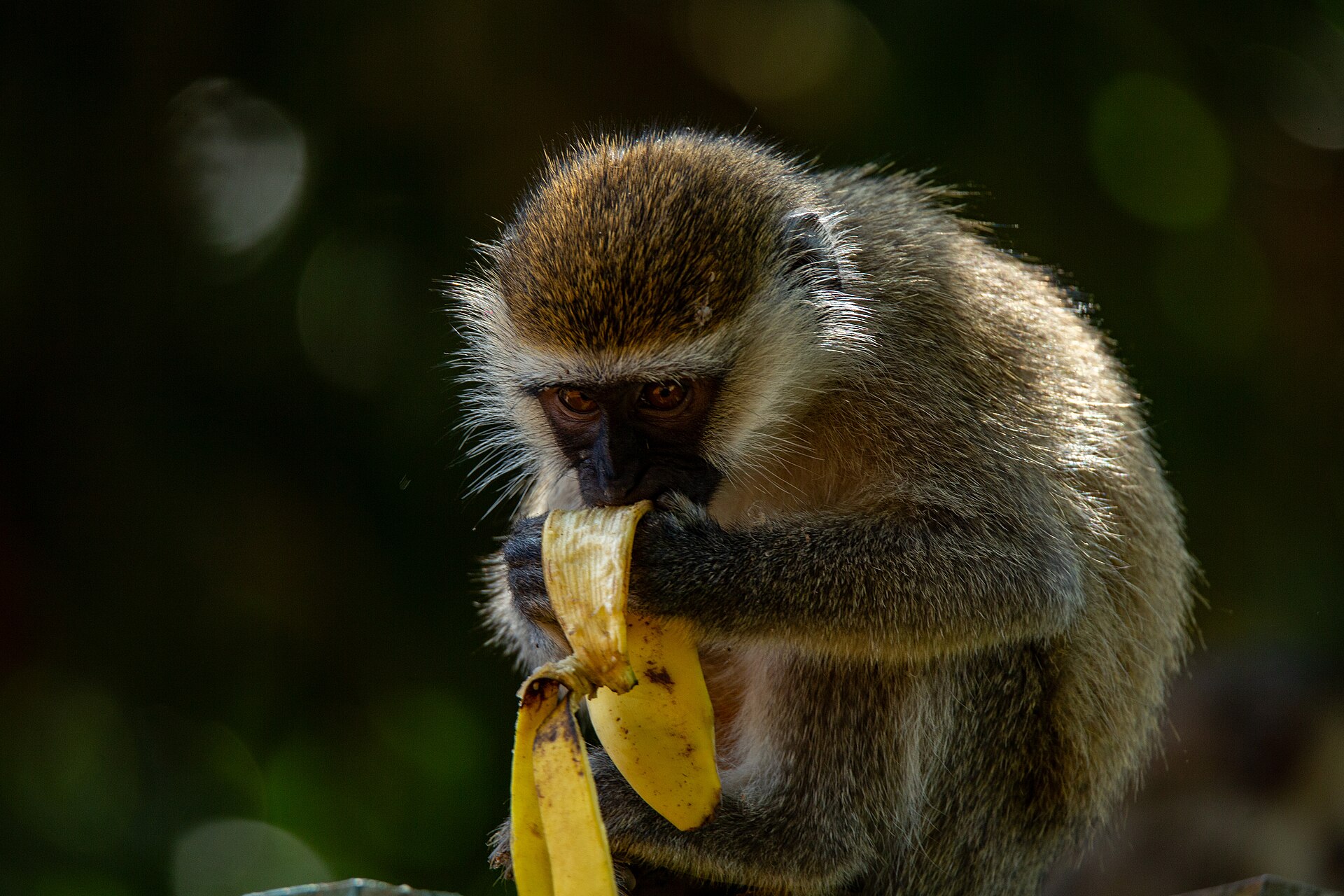
Only dominant vervet monkeys tackled the hardest food puzzle
In a field experiment with wild vervet monkeys, monkeys of different ranks used easier food puzzles, but only…
Read story →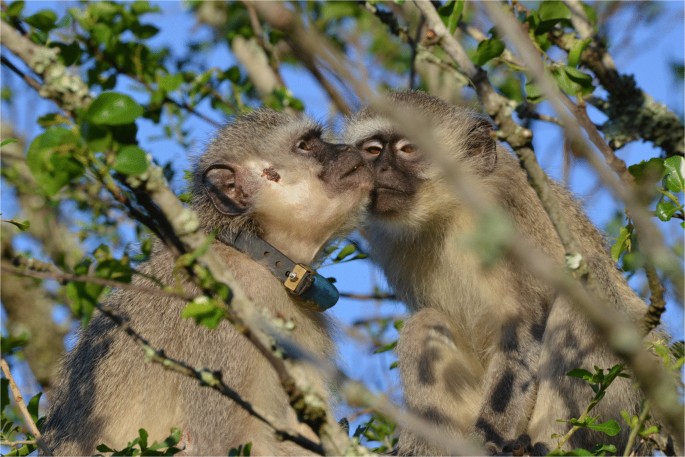
Wild Vervet Monkeys Used Vision in 96.8% of Food Evaluations
In 18,868 food-evaluation observations from 44 wild vervet monkeys in South Africa, vision was used in 96.8% of…
Read story →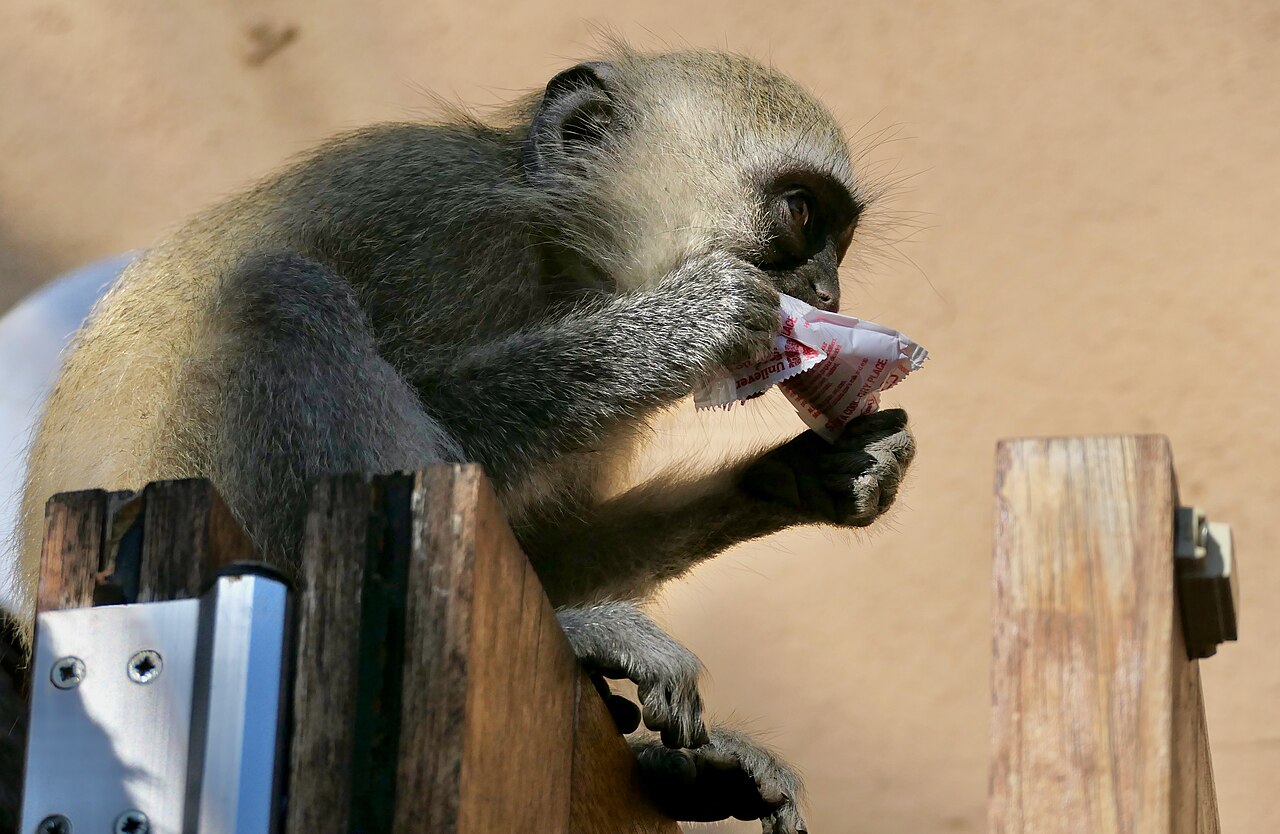
More Foraging Around Buildings and Bins Was Not Linked to Greater Flexibility in Vervet Monkeys
A study of 42 semi-urban vervet monkeys found that more experience foraging around buildings and bins did not…
Read story →SPECIES IN THIS STORY
Species in this story
Independent research and conservation news archive
Did you find this information useful?
Wildlife Vagabond is independently built and maintained. Voluntary support helps cover source verification, hosting and continued work on research and conservation news.
Support Wildlife VagabondThe news archive will remain freely available.