
Vervet Males Retain Grooming Patterns After Dispersal, but Not Proximity Patterns
In wild vervets, males' grooming behaviour was more consistent across group changes than their proximity patterns. Maternal characteristics…
Read story →
WILDLIFE IN THE NEWS
In wild vervets, males' grooming behaviour was more consistent across group changes than their proximity patterns. Maternal characteristics…
Read story →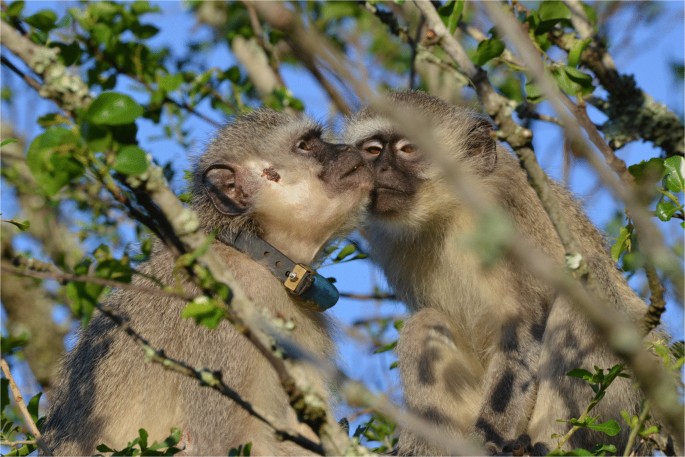
In 18,868 food-evaluation observations from 44 wild vervet monkeys in South Africa, vision was used in 96.8% of…
Read story →
In a field experiment with wild vervet monkeys, monkeys of different ranks used easier food puzzles, but only…
Read story →
A study of 42 semi-urban vervet monkeys found that more experience foraging around buildings and bins did not…
Read story →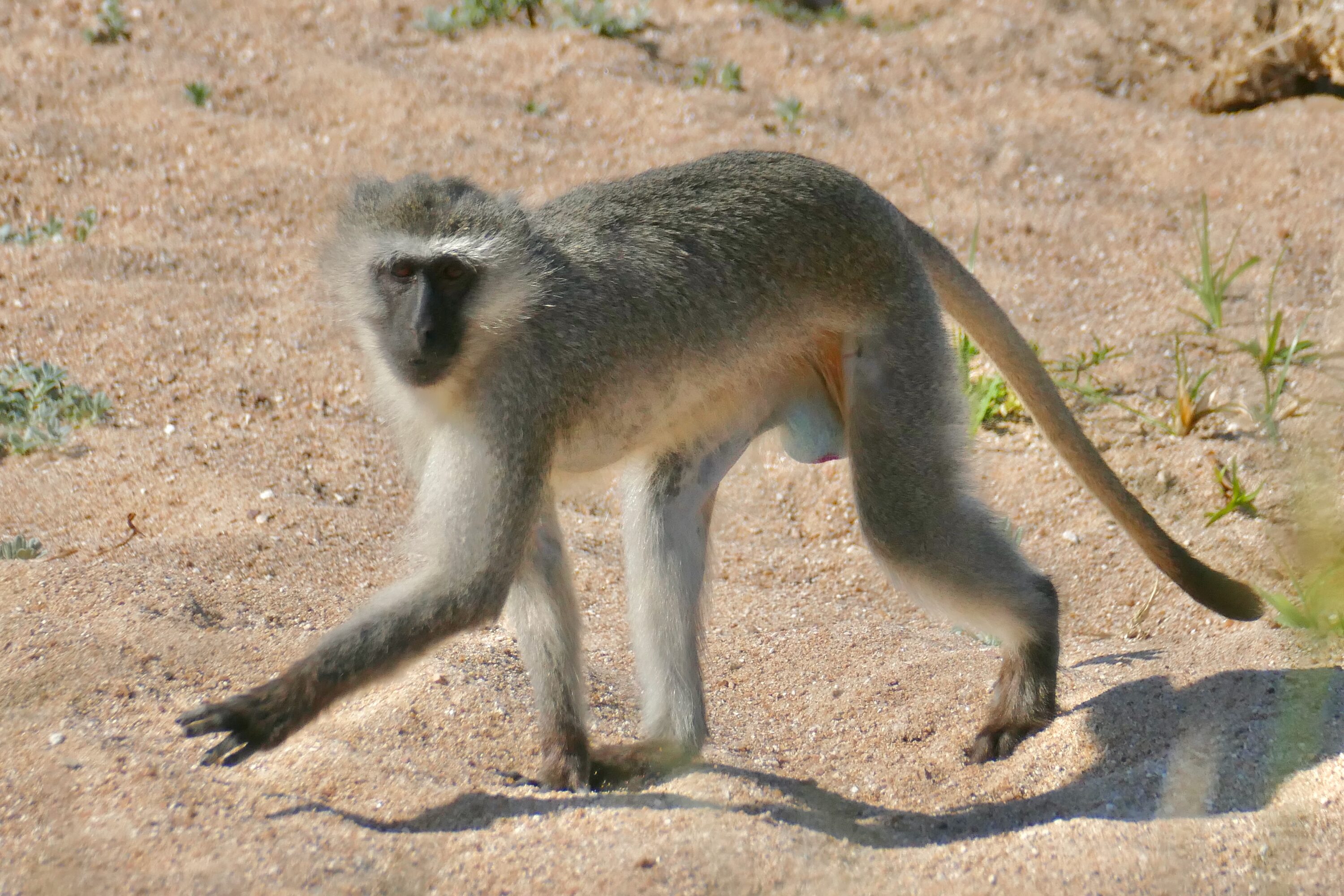
Across 391 crossings in five vervet groups, adult males were disproportionately likely to cross first, with the strongest…
Read story →
Nine months after a rehabilitated vervet troop was released into Kasungu National Park, estimated survival was 45% when…
Read story →
Microscopy detected parasites in 88% of 75 vervet samples at Lake Nabugabo, including Trichuris in 78.7%, while molecular…
Read story →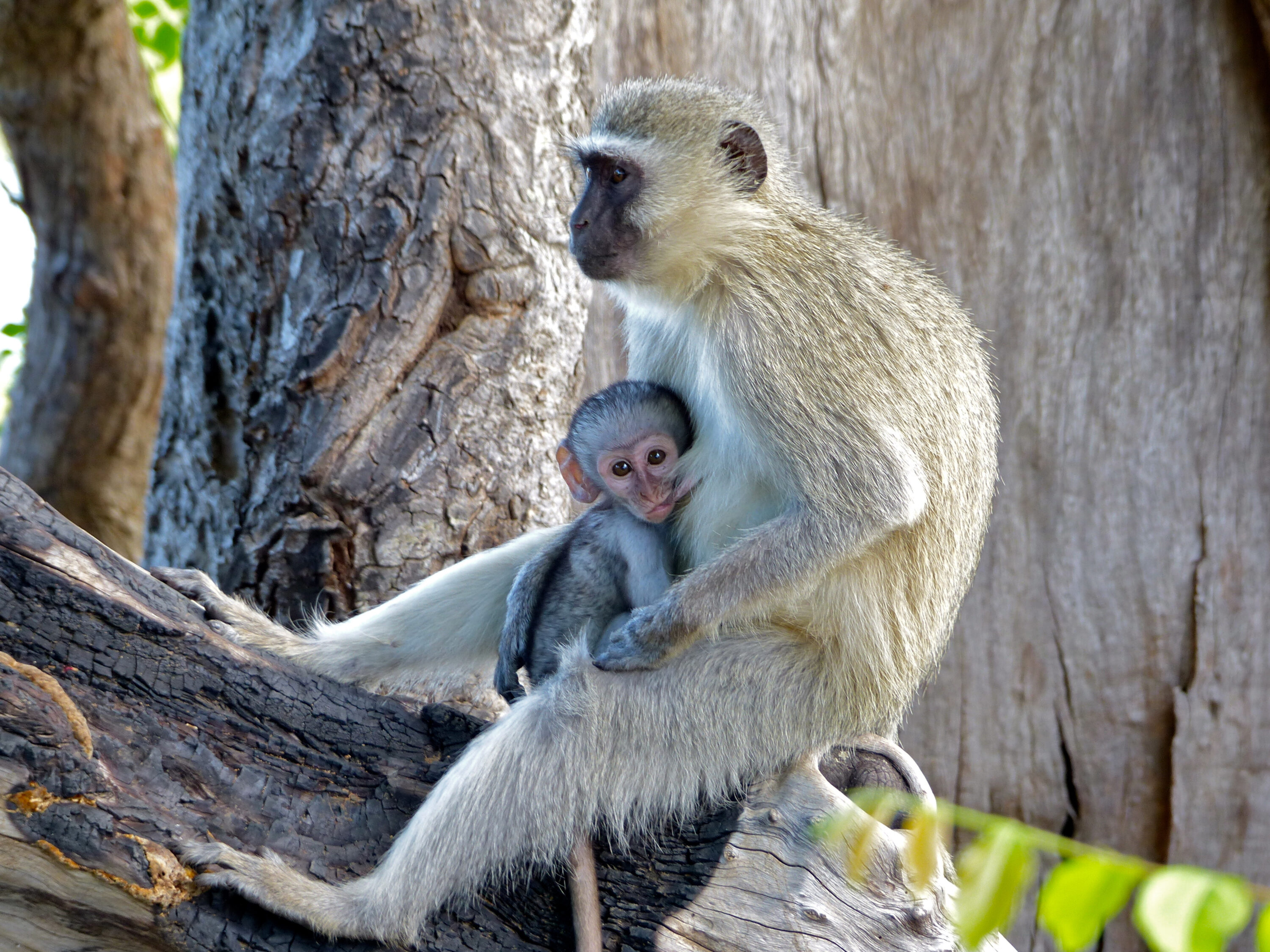
A study of three wild vervet groups found that juvenile rank was not passively inherited from mothers: mothers…
Read story →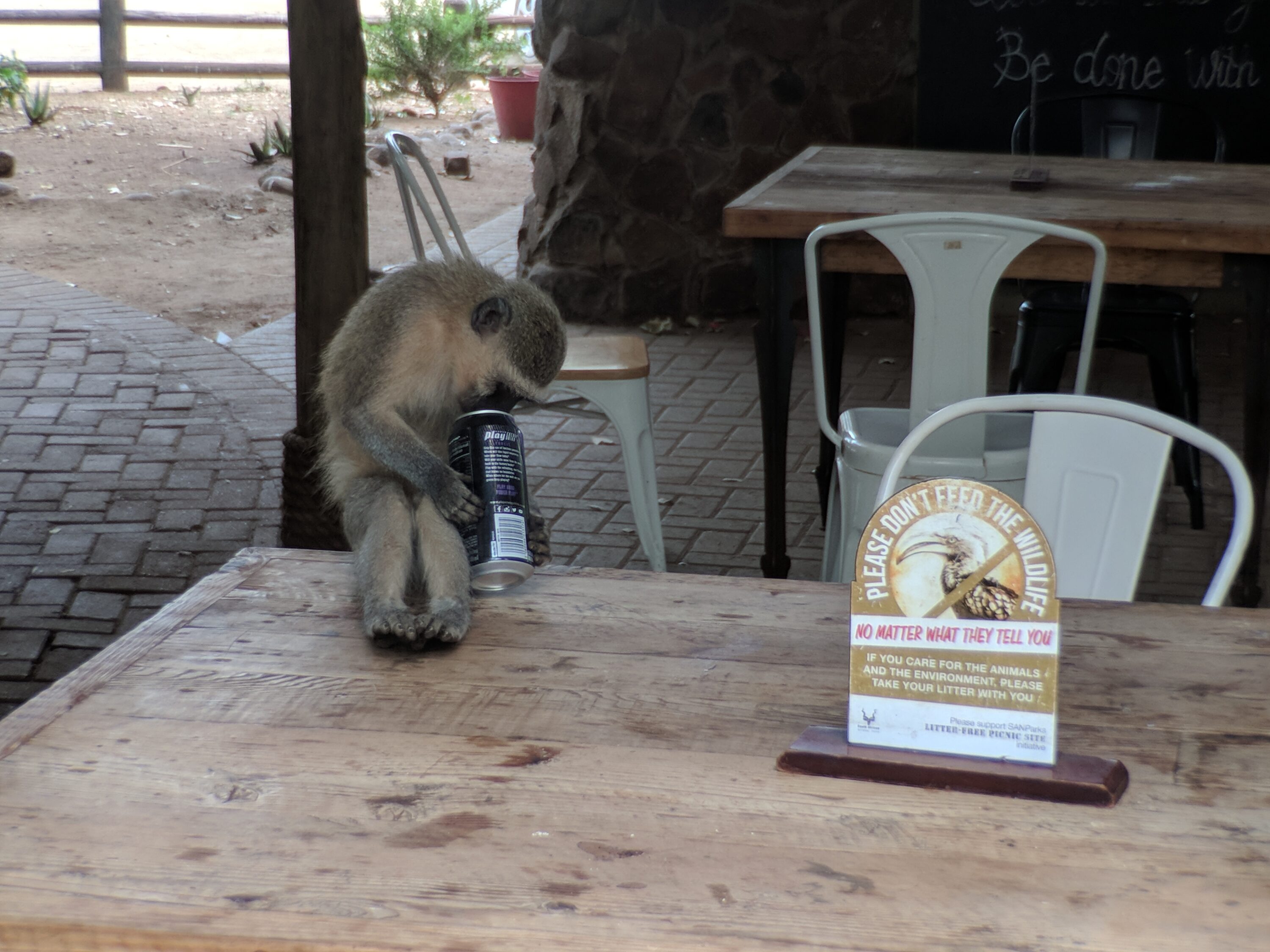
DNA metabarcoding of 447 faecal samples from two semi-urban vervet groups in KwaZulu-Natal detected 144 plant taxa and…
Read story →No news stories match these filters.