
Village Weaver Was a Wet-Season Indicator in a Nigerian Savanna Bird Community
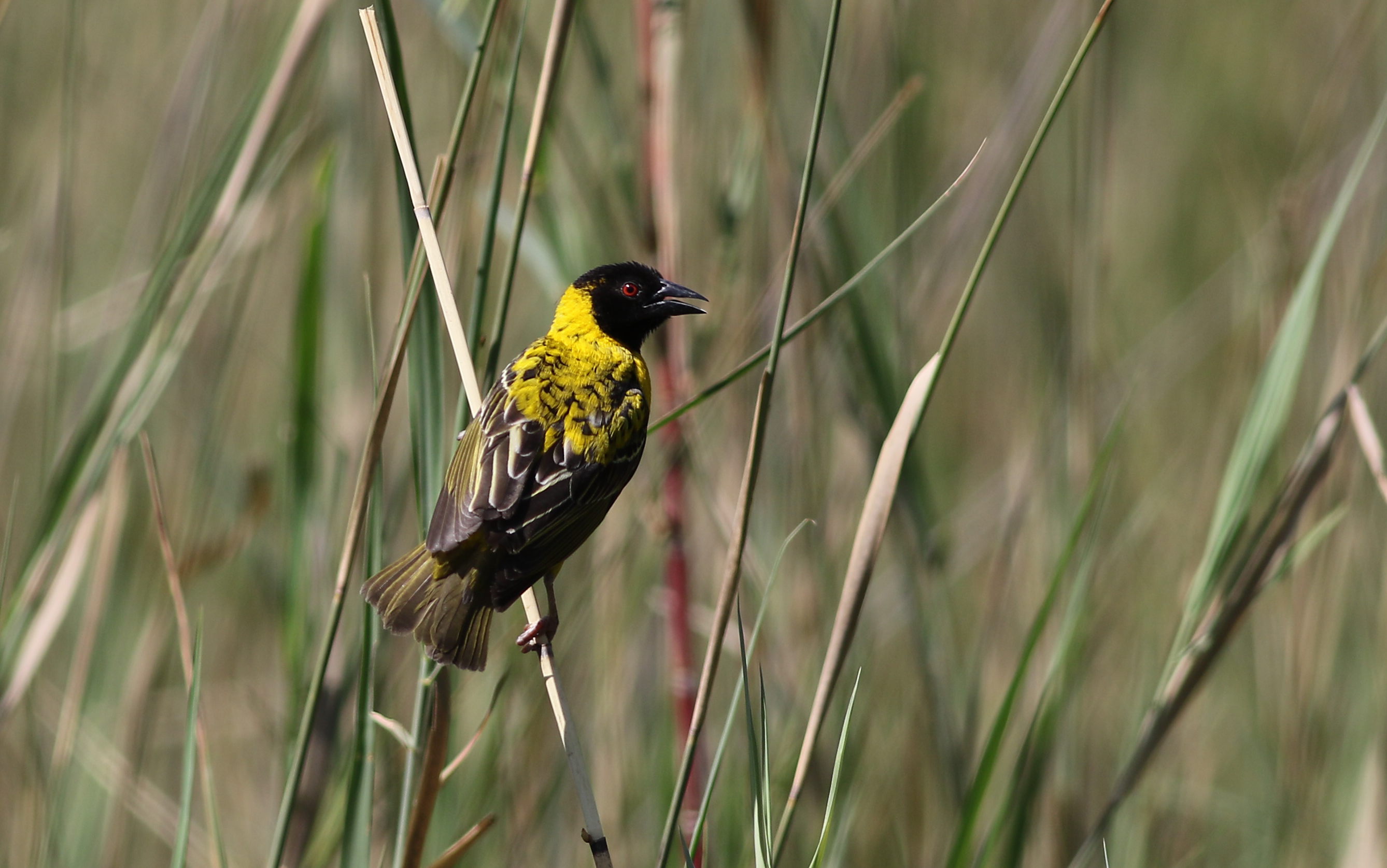
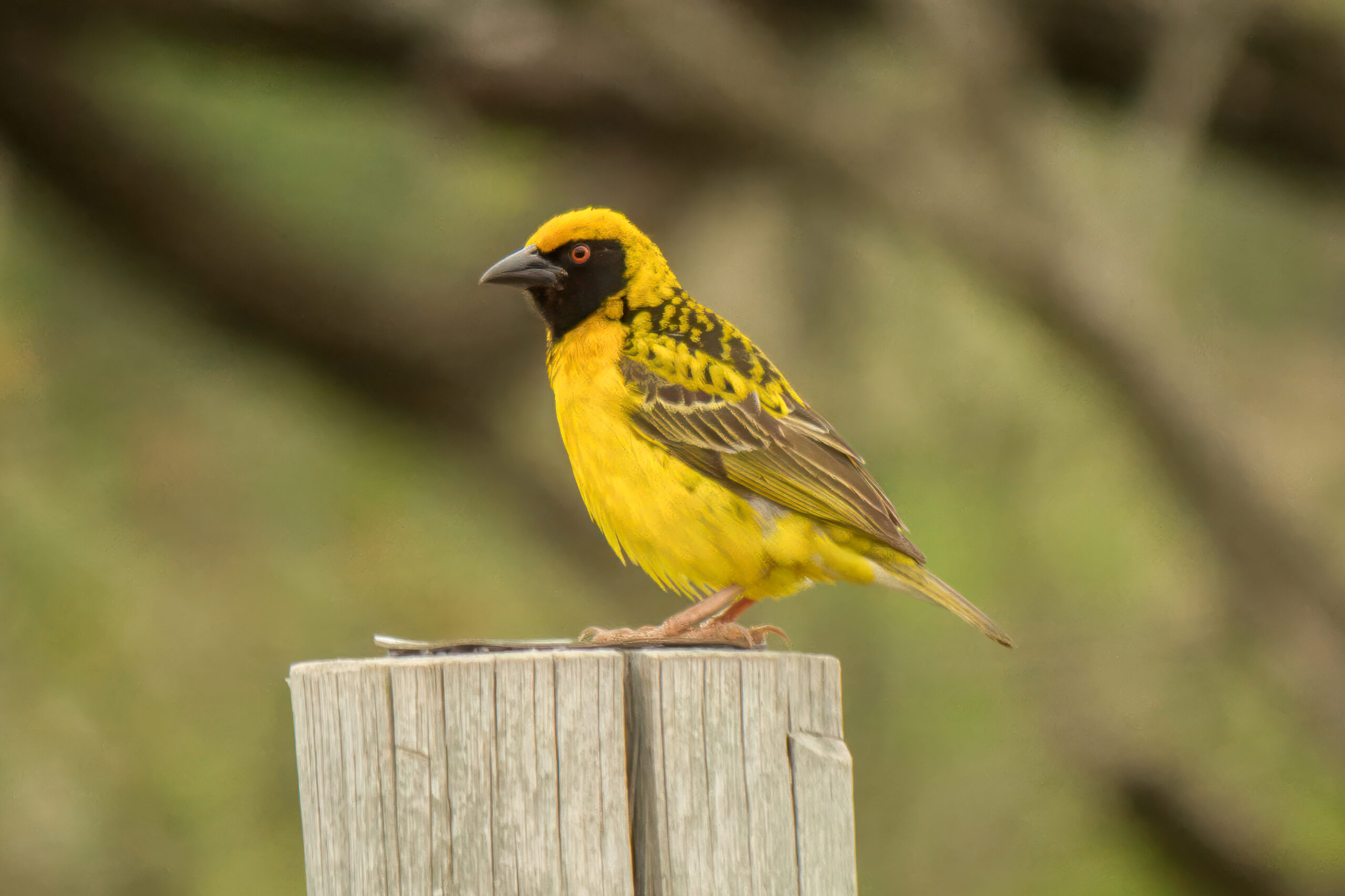
Bird surveys in a protected savanna woodland in north-central Nigeria found a clear seasonal shift in the local bird community, with village weavers among the species most strongly associated with the early wet season.
Researchers surveyed the Federal University Lokoja Zoo and Conservatory in Kogi State using line transects between February and May 2025, covering the late dry season and the onset of the wet season. In a line-transect survey, observers follow fixed survey lines and record the birds encountered along them. They recorded 562 birds from 66 species and measured vegetation structure along the same transects.
Village weaver increased with the rains
The village weaver (Ploceus cucullatus) was one of four species identified as significant wet-season indicators. The indicator analysis identifies species that are both relatively frequent and abundant in one season compared with the other; it does not mean the species occurs only in that season. Its mean abundance value in the seasonal comparison rose from 0.30 in the dry season to 1.37 in the wet season—about 4.6 times higher—and it was also among the species that contributed most consistently to the difference between the two seasonal bird communities. The authors emphasise that this contrast was produced by moderate shifts across several species rather than by one taxon dominating the change.
Shrubs shaped the wider bird community
Across the whole bird community, species richness and Shannon diversity were higher in the wet season, while total abundance did not change significantly. Shannon diversity combines how many species are present with how evenly individuals are distributed among them. Shrub density was the most consistent positive predictor of richness, abundance and diversity, whereas greater canopy cover was negatively associated with abundance and diversity. The authors suggest that the village weaver’s wet-season association likely coincided with greater food availability and breeding activity after the rains began. Because sampling covered the transition into the wet season rather than a full annual cycle, they note that year-round surveys could reveal stronger seasonal contrasts.
Ecology
Related news
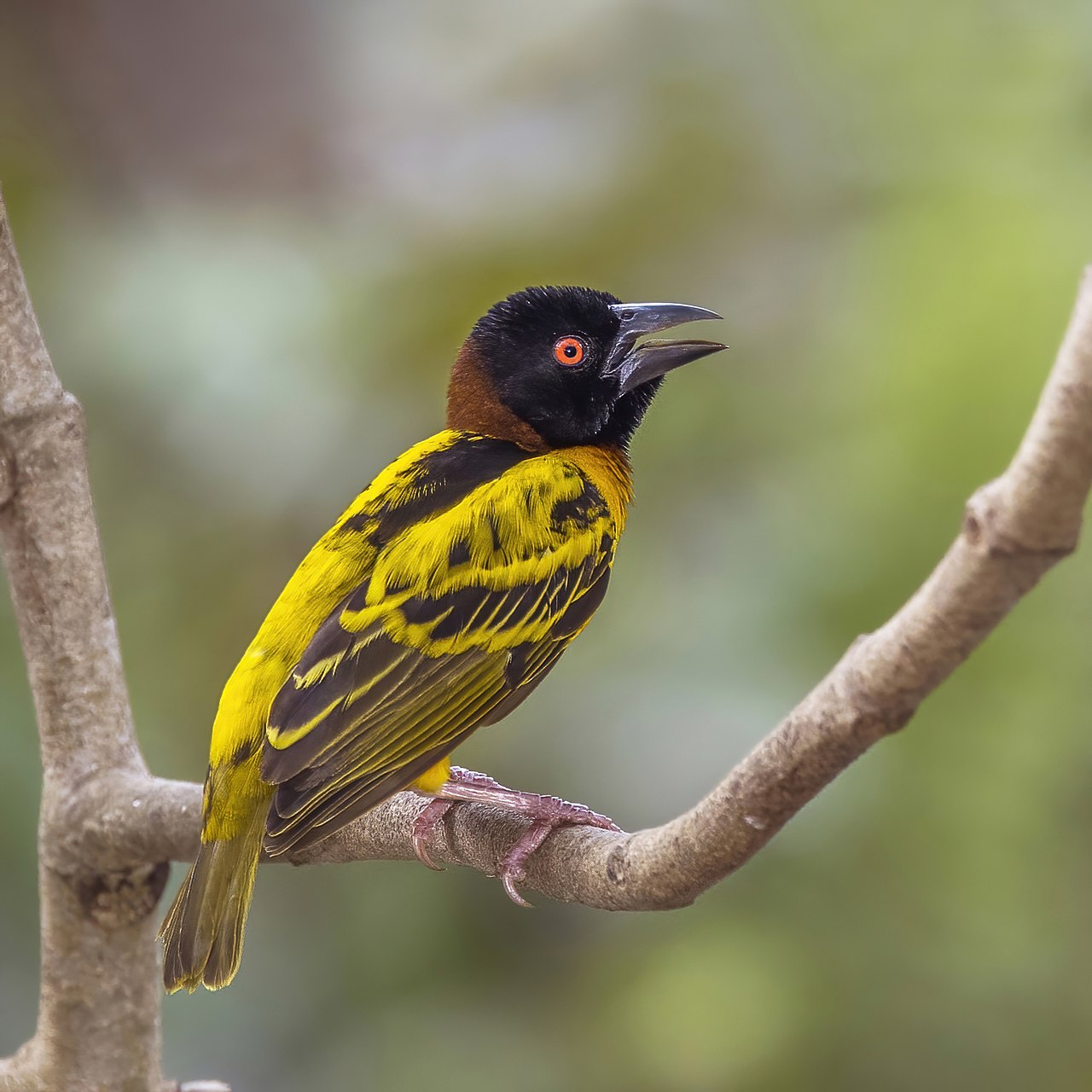
Infection and Moult Were Linked to Weaker Carotenoid Plumage Signals in Male Village Weavers
A 2026 study of 148 breeding male village weavers found that microfilarial infection altered redox balance, while birds…
Read story →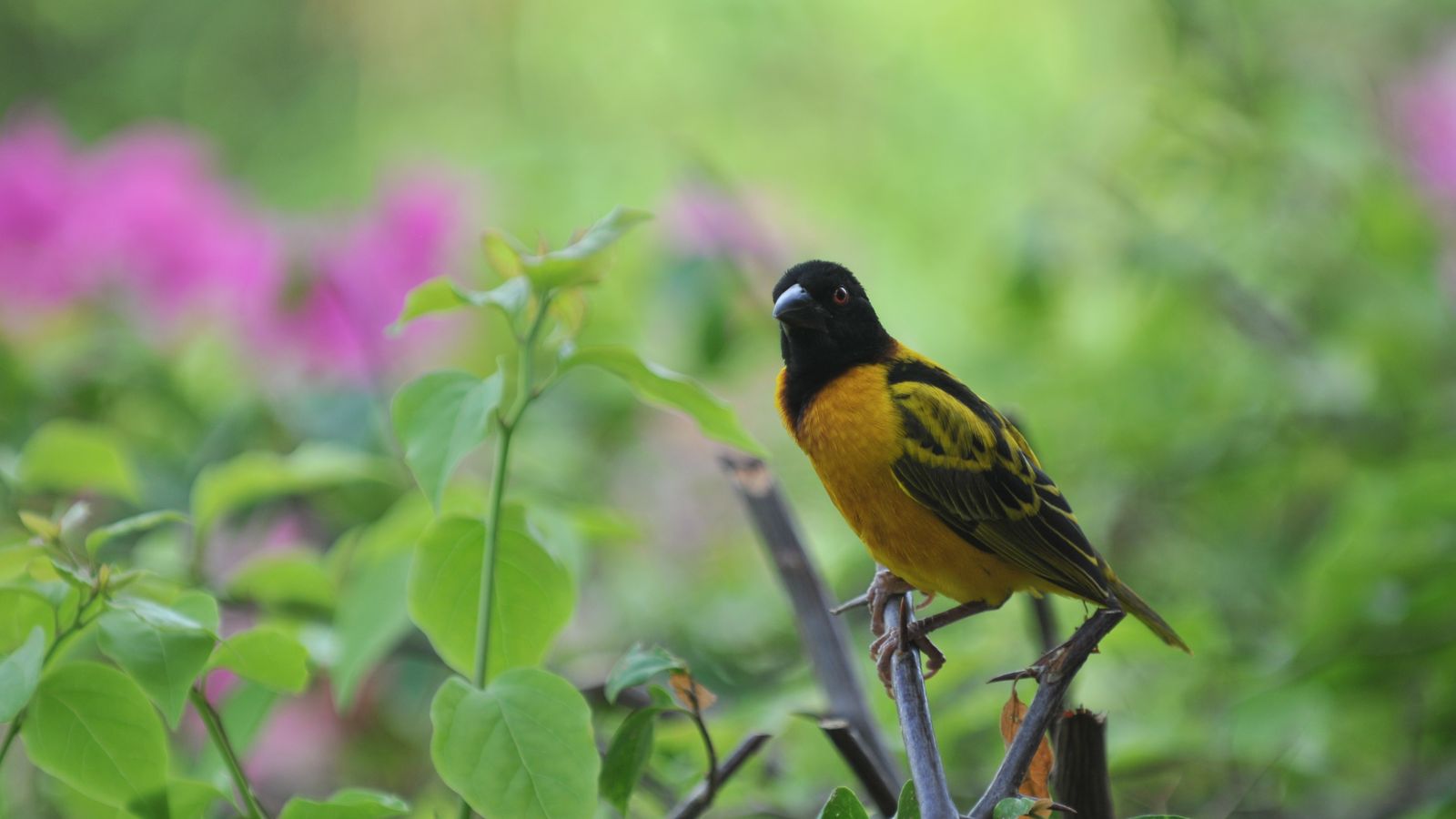
Heavy Metals in Village Weaver Tissues Revealed Distinct Pollution Fingerprints Across Benue State
A 2026 study of wild village weavers from six sites in Benue State found distinct heavy-metal profiles among…
Read story →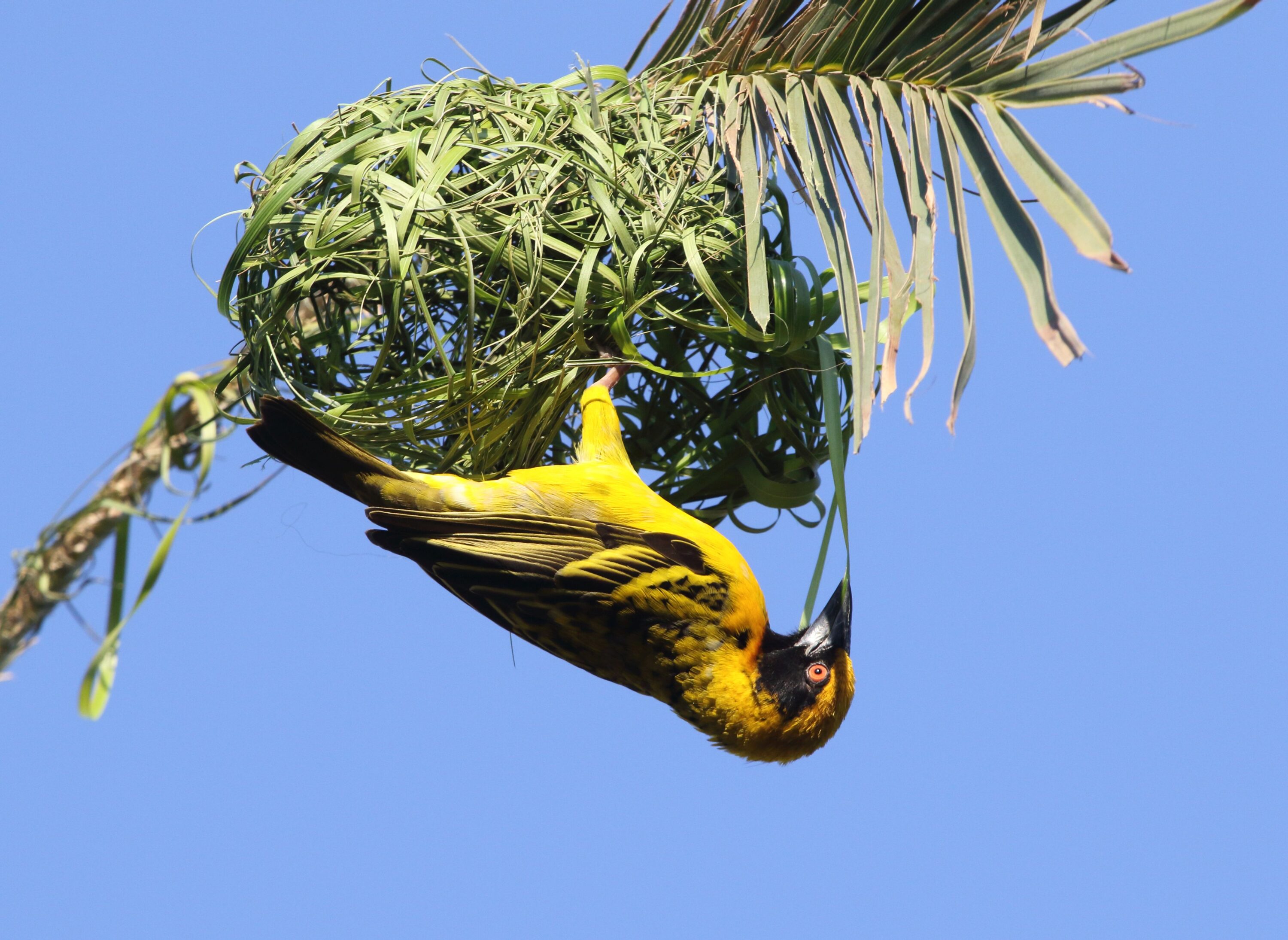
Male Village Weavers With Both Microfilariae and Active Moult Had the Lowest Glucose and Body Condition
A 2026 study of 128 breeding male village weavers found that birds with both microfilariae infection and active…
Read story →SPECIES IN THIS STORY
Species in this story
Independent research and conservation news archive
Did you find this information useful?
Wildlife Vagabond is independently built and maintained. Voluntary support helps cover source verification, hosting and continued work on research and conservation news.
Support Wildlife VagabondThe news archive will remain freely available.