
California Assessment Found Western Gulls Stable at Colonies but Declining at Sea
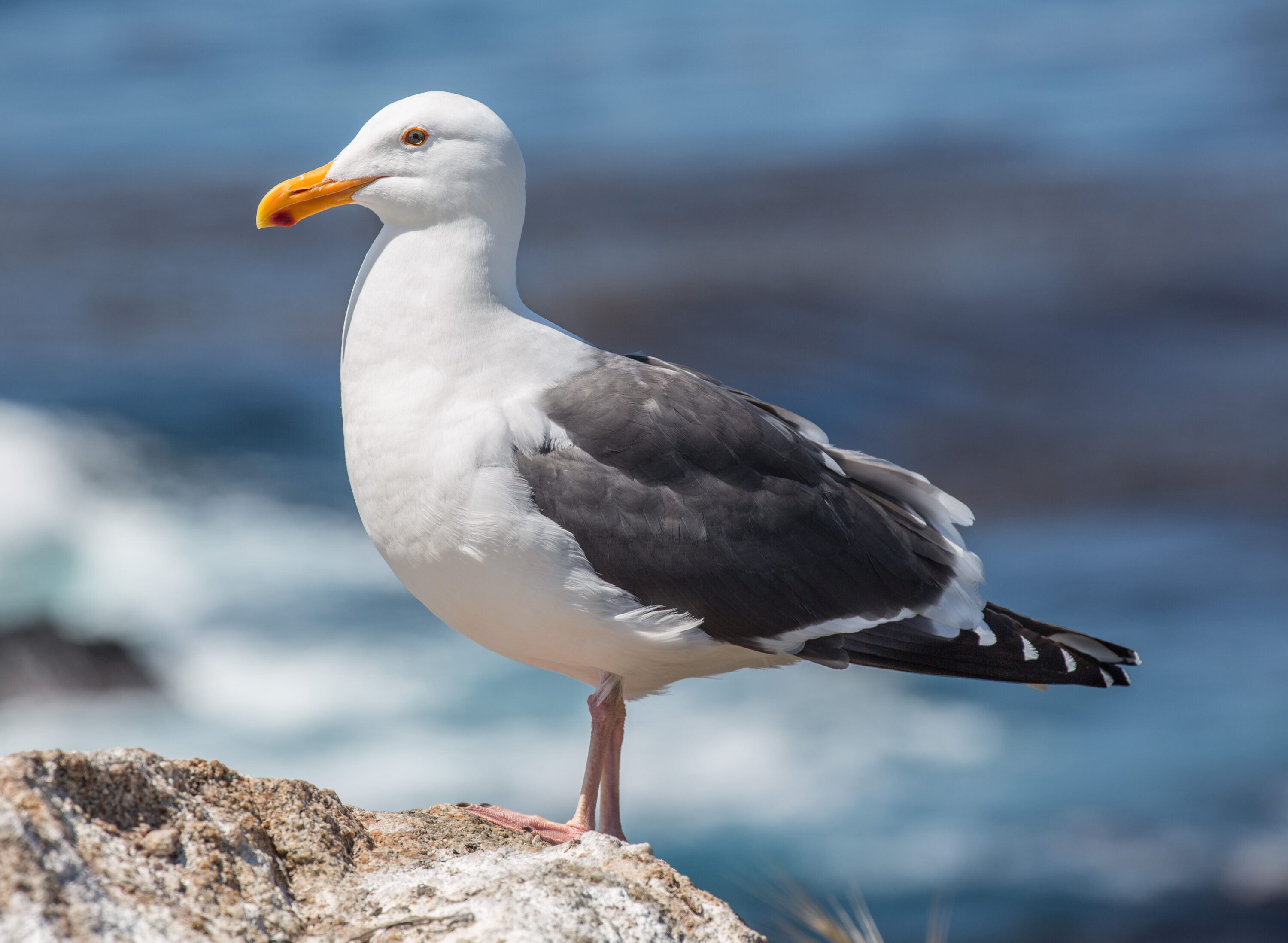
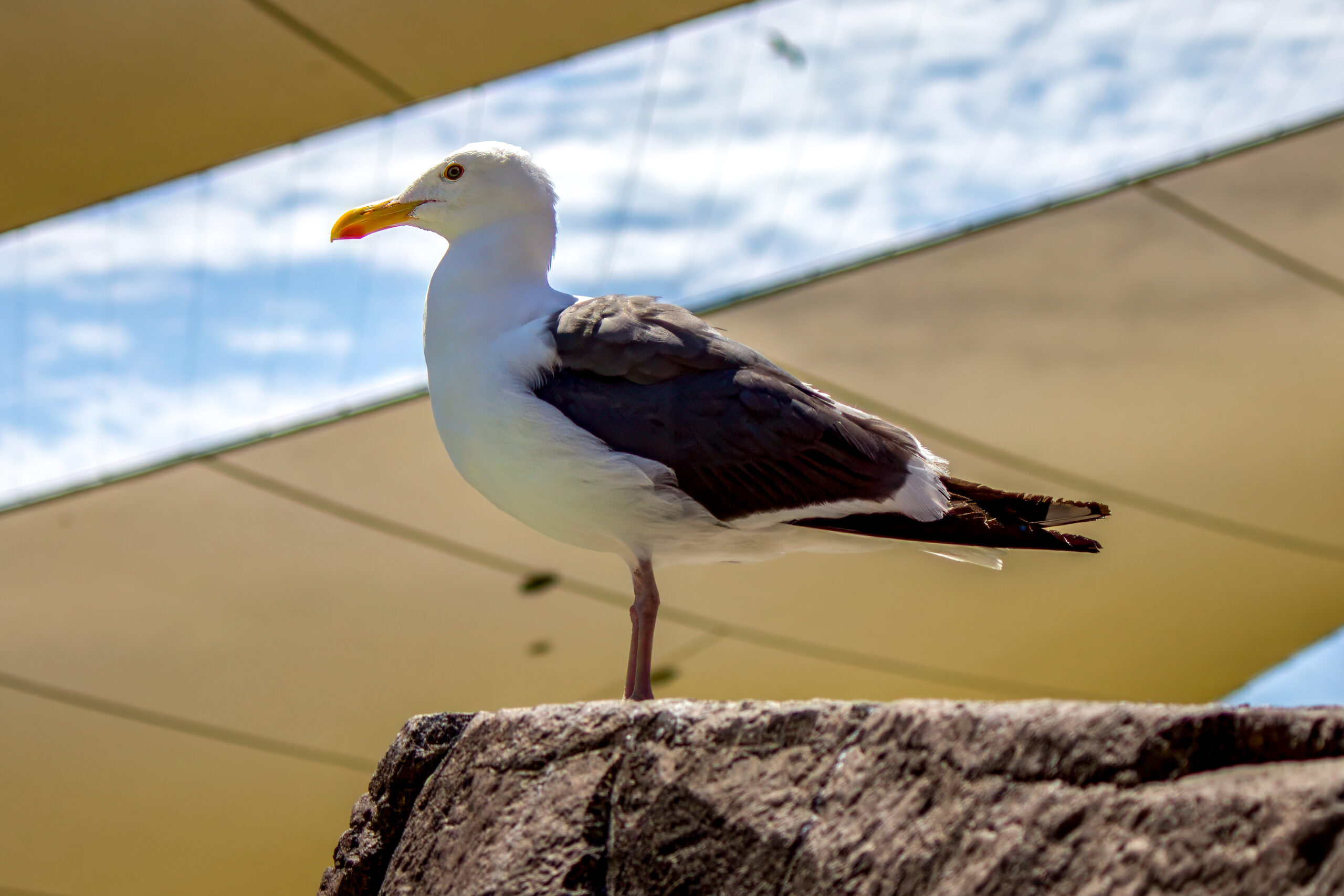
California, USA’s first statewide Coast and Ocean Assessment found contrasting population signals for the western gull (Larus occidentalis): breeding-colony counts were broadly stable over the long term, while at-sea survey data showed a sustained decline and particularly low recent abundance.
The 2026 assessment combined long-running monitoring datasets to evaluate seabirds and shorebirds across the state. For western gulls, breeding data came from peak nest counts at Año Nuevo Island, Vandenberg Space Force Base and the Farallon Islands, with records extending from the late 1990s through 2023 or 2024. At-sea abundance was assessed from CalCOFI and Rockfish Recruitment and Ecosystem Assessment Survey observations, with spatial and seasonal variation accounted for in the analysis.
Colony counts showed little long-term change and increased during the more recent period. The at-sea pattern was different: western gull abundance declined by about 2% per year over the long term and by roughly 6% per year in the recent analysis. At-sea abundance during 2022–2024 was among the lowest levels in the historical comparison.
The report therefore characterises western gulls as stable at breeding colonies but declining at sea. The contrast illustrates why colony counts and marine surveys need to be considered together: they measure different parts of the population’s ecology and can reveal different trends.
Population & status
Related news
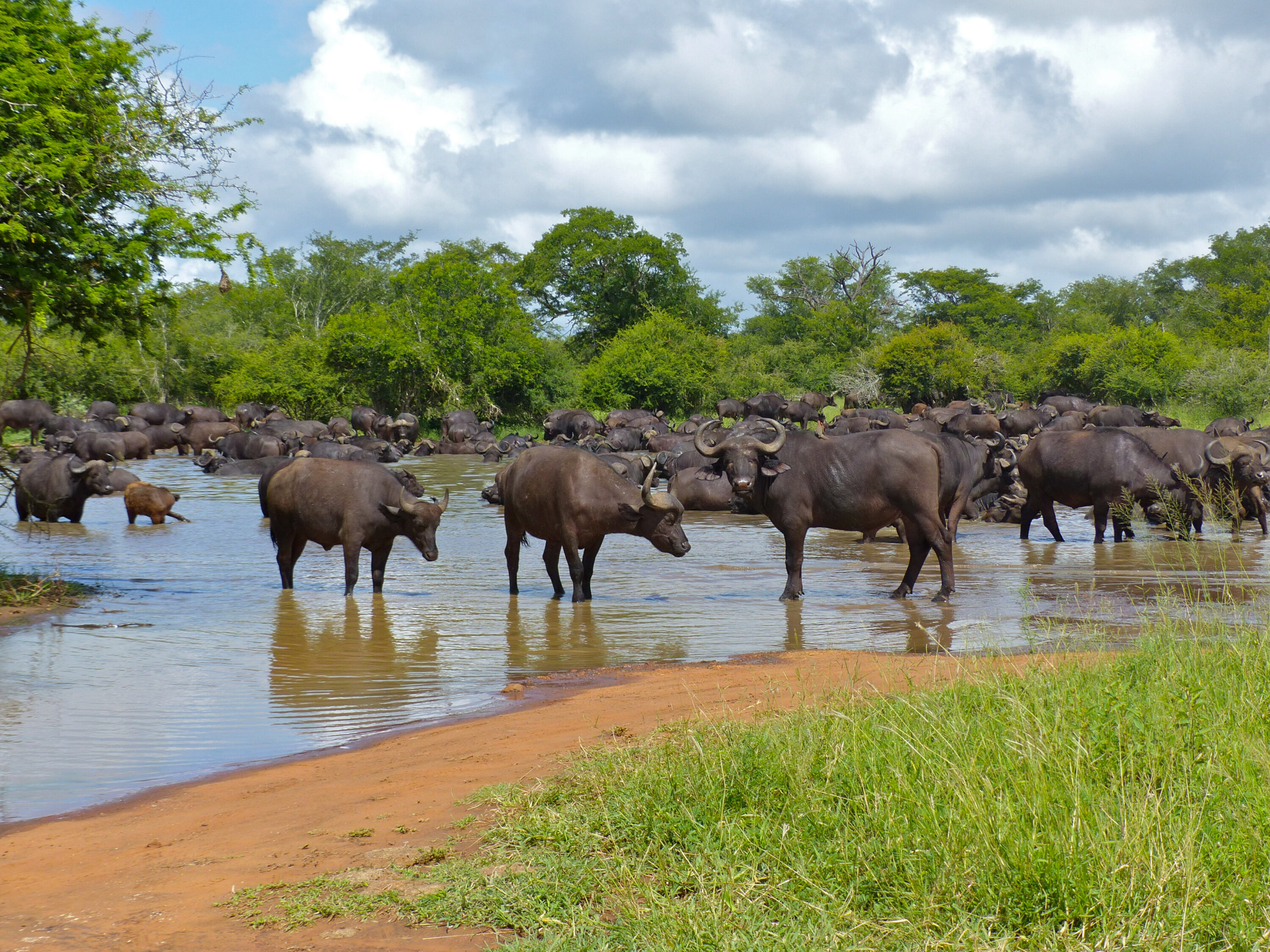
African Buffalo Herds Concentrated in Wetlands and Forest During Gambella's Dry Season
A two-year study in Ethiopia's Gambella National Park found similar but uncertain buffalo abundance estimates in 2022 and…
Read story →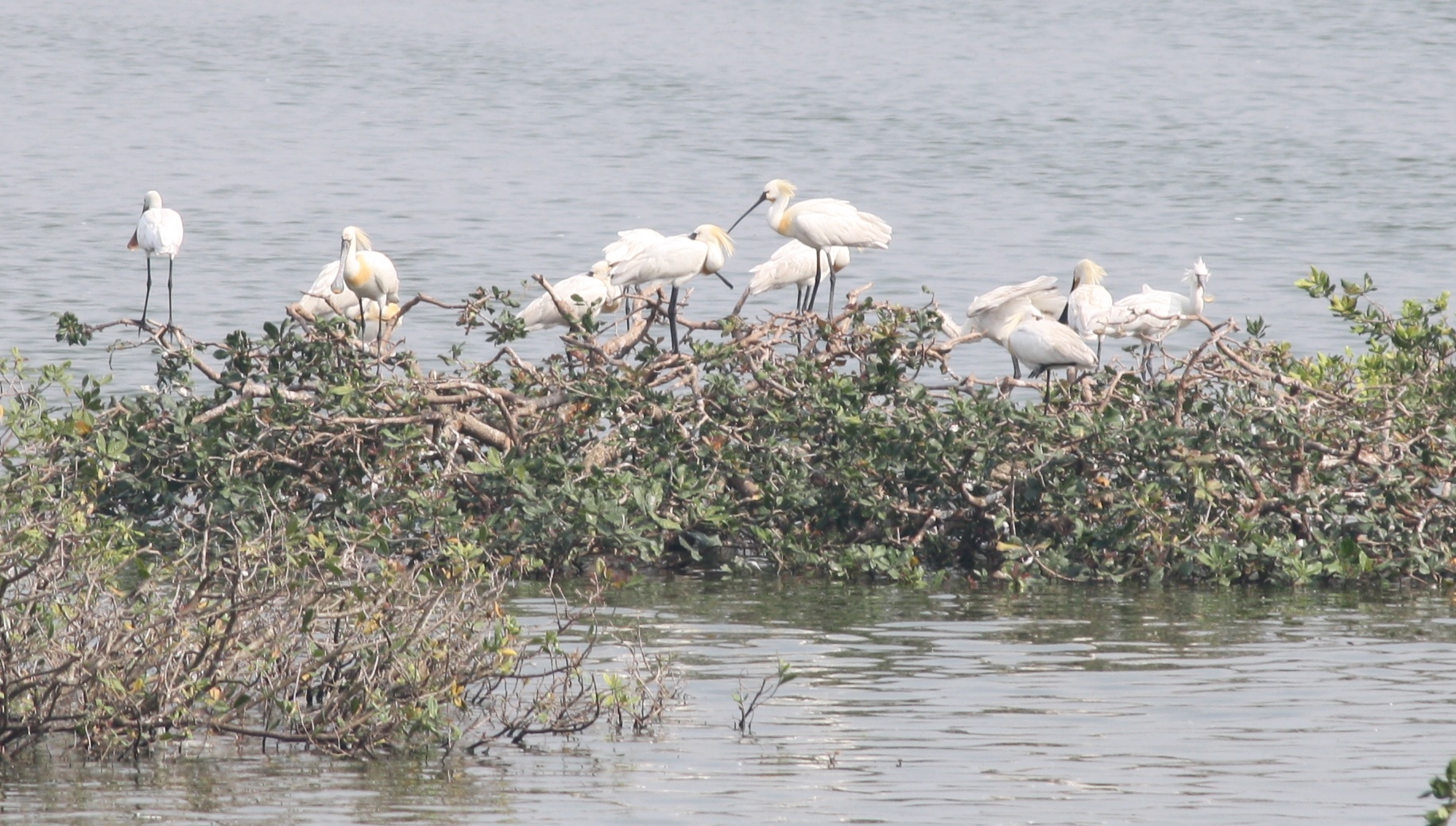
Therthangal Spoonbill Colony Returned to 12 Active Nests After Complete Breeding Failure
Six breeding seasons at Therthangal Bird Sanctuary in Tamil Nadu ranged from 12 active Eurasian Spoonbill nests in…
Read story →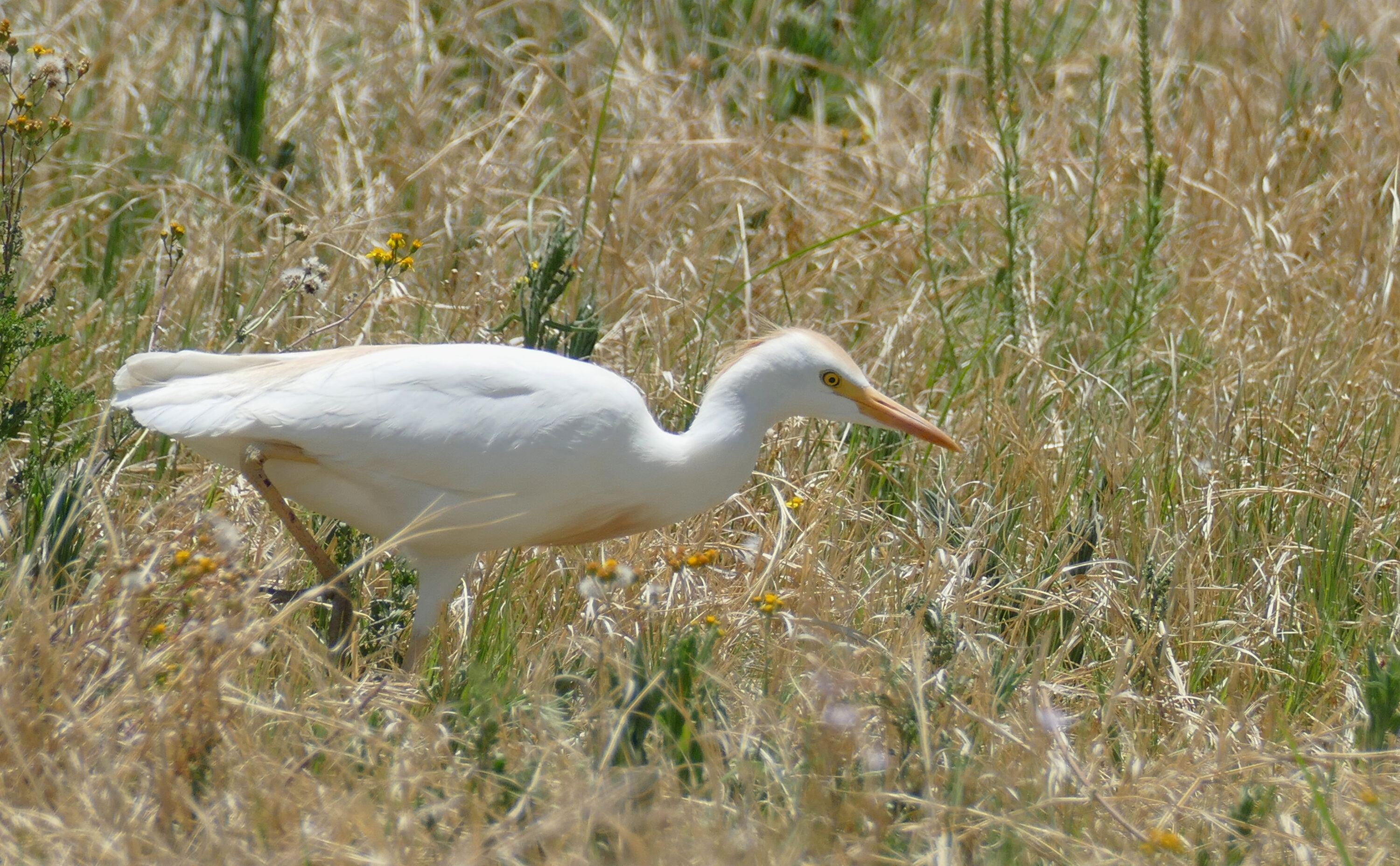
Cattle Egret Reporting Rate Rose From 0.38 to 0.60 in Southern African Atlas Data
A systematic review of 173 studies found generally stable or increasing cattle egret populations in the better-studied parts…
Read story →SPECIES IN THIS STORY
Species in this story
Independent research and conservation news archive
Did you find this information useful?
Wildlife Vagabond is independently built and maintained. Voluntary support helps cover source verification, hosting and continued work on research and conservation news.
Support Wildlife VagabondThe news archive will remain freely available.