
pH-Adjusted Hill Equation Reliably Estimated Blood Oxygen Saturation From 70–100% in Immobilised White Rhinos
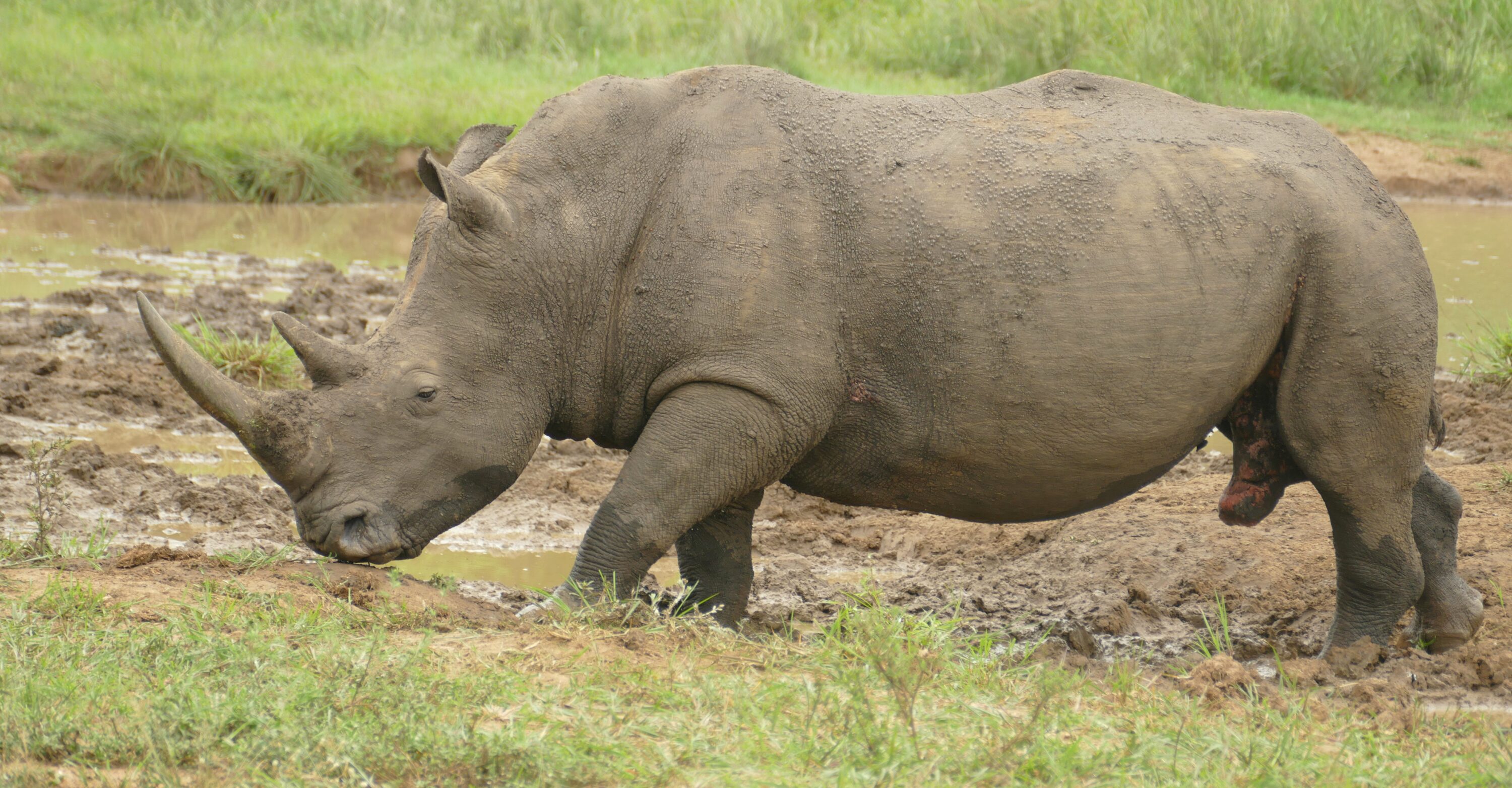
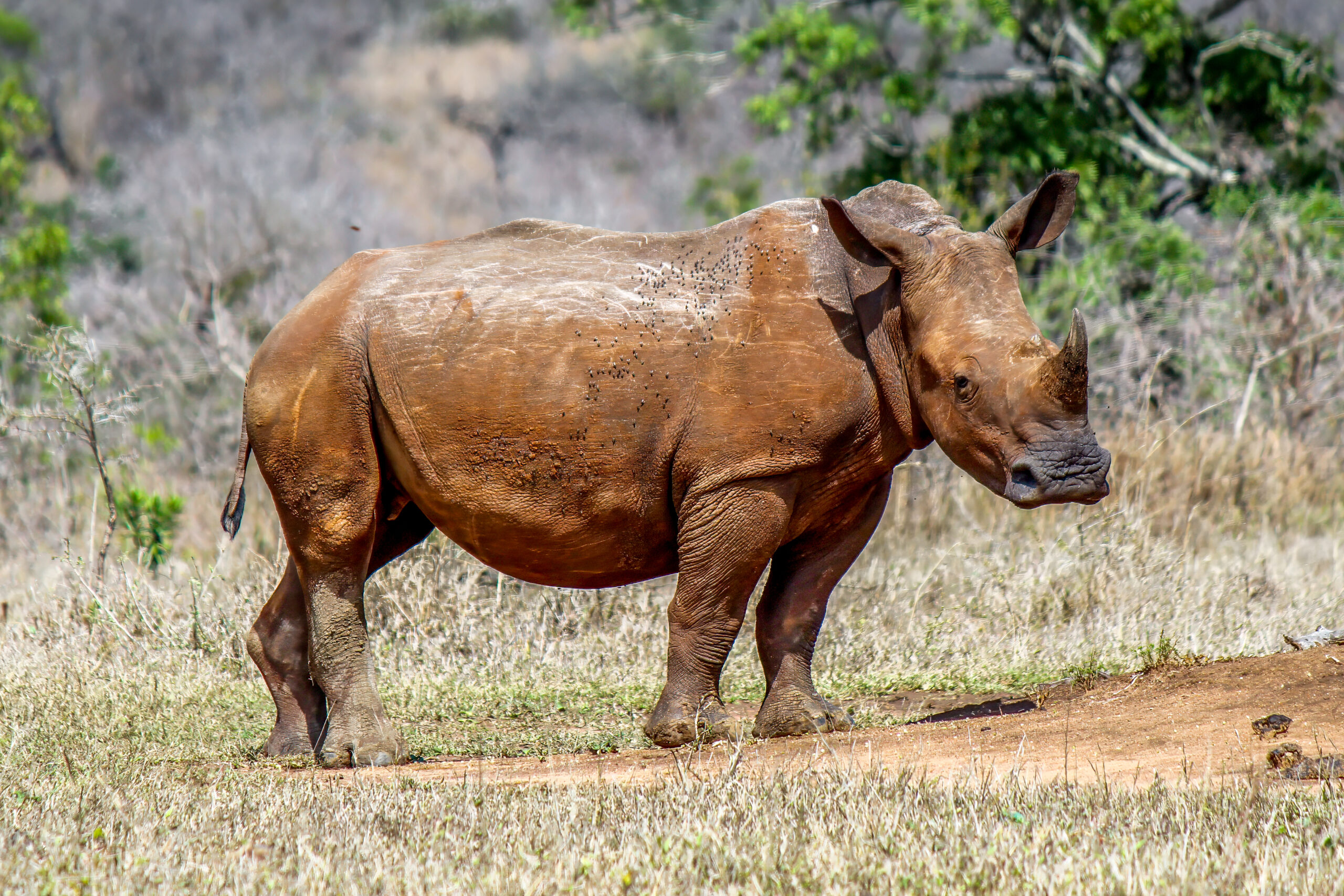
When white rhinoceroses (Ceratotherium simum) are chemically immobilised, the potent opioids used can cause severe hypoxaemia — abnormally low oxygen levels in arterial blood. Measuring how much haemoglobin is carrying oxygen is therefore important during veterinary procedures, but pulse oximetry becomes unreliable at low saturation. A South African study tested whether conventional blood-gas measurements could instead be used to calculate arterial oxygen-haemoglobin saturation more reliably.
Three calculation methods were tested against direct measurement
The researchers studied 16 wild-caught male white rhinos, all four to five years old, at Veterinary Wildlife Services in Kruger National Park. The animals were immobilised with etorphine-based drug combinations and received butorphanol and, in some procedures, supplemental oxygen. Arterial blood was sampled from an ear artery. A benchtop co-oximeter measured oxygen saturation directly and served as the reference against which three calculation methods were tested.
Two methods used the Hill equation, which describes how oxygen binds to haemoglobin. A key quantity is P50: the oxygen partial pressure at which haemoglobin is 50% saturated. Because oxygen binding shifts with blood chemistry, the researchers tested one version in which P50 was adjusted only for pH and another in which it was adjusted for pH, body temperature and base excess — a measure of the metabolic component of the blood’s acid–base balance. They also tested a modified Siggaard–Andersen algorithm.
The pH-adjusted Hill equation was most reliable from 70–100%
The study defined a method as reliable when its combined error relative to the co-oximeter was no more than 4%. Between 70 and 100% measured saturation, the pH-adjusted Hill calculation had essentially no average bias and a combined error of 3%. The multivariable Hill calculation also met the threshold, with 4% error, while the Siggaard–Andersen method met it only between 90 and 100%.
Severe hypoxaemia below 70% remains difficult to estimate
Below 70% saturation, none of the three calculation methods met the reliability threshold. The pH-adjusted Hill equation nevertheless offers an additional monitoring tool across the 70–100% range because portable blood-gas analysers can provide the arterial oxygen partial pressure and pH needed for the calculation. The authors also provide a calculator for converting those values into an estimated saturation.
The method therefore extends the useful information available during prolonged or complex immobilisations, but it does not remove the need for caution during severe hypoxaemia. When saturation falls below 70%, calculated values remain too uncertain to substitute reliably for direct measurement.
Physiology
Related news

Inland Mute Swans Had Higher Winter Body Condition Despite Harsher Winters and Supplemental Feeding
A study of 853 mute swans from four Polish wintering regions found higher body condition inland than on…
Read story →
Task Uncertainty Increased Interference From Irrelevant Visual Information in Rhesus Macaque Decisions
Two rhesus macaques made less accurate visual decisions under task uncertainty; recordings and microstimulation in primary visual cortex…
Read story →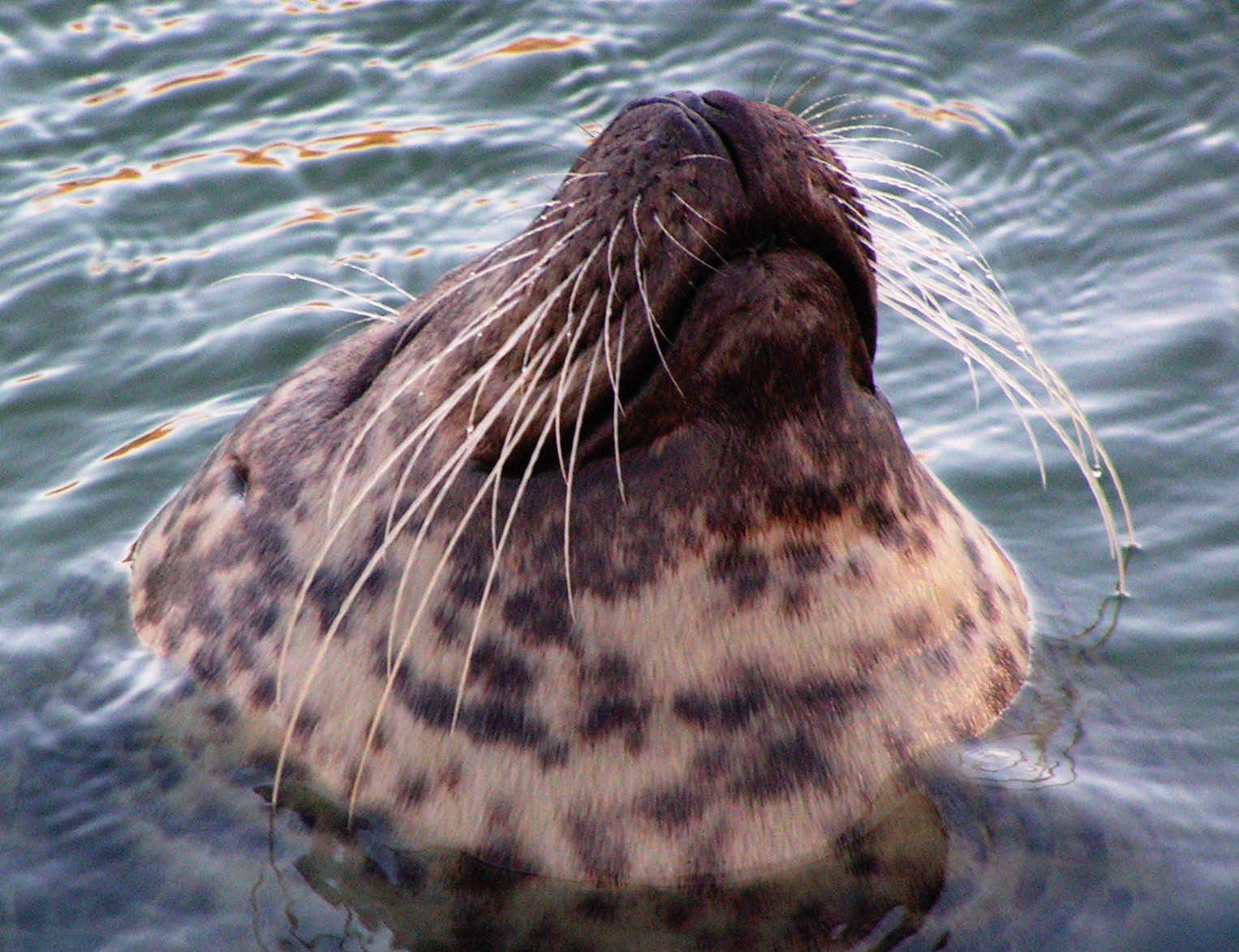
Blood Samples from 576 Wild Harbour Seals Establish 35 Health Reference Ranges
Blood samples collected from 576 wild harbour seals over 28 years produced reference intervals for 35 health parameters…
Read story →SPECIES IN THIS STORY
Species in this story
Independent research and conservation news archive
Did you find this information useful?
Wildlife Vagabond is independently built and maintained. Voluntary support helps cover source verification, hosting and continued work on research and conservation news.
Support Wildlife VagabondThe news archive will remain freely available.