
Giraffe and White Rhino Blood Samples Differed in 28 Metabolites
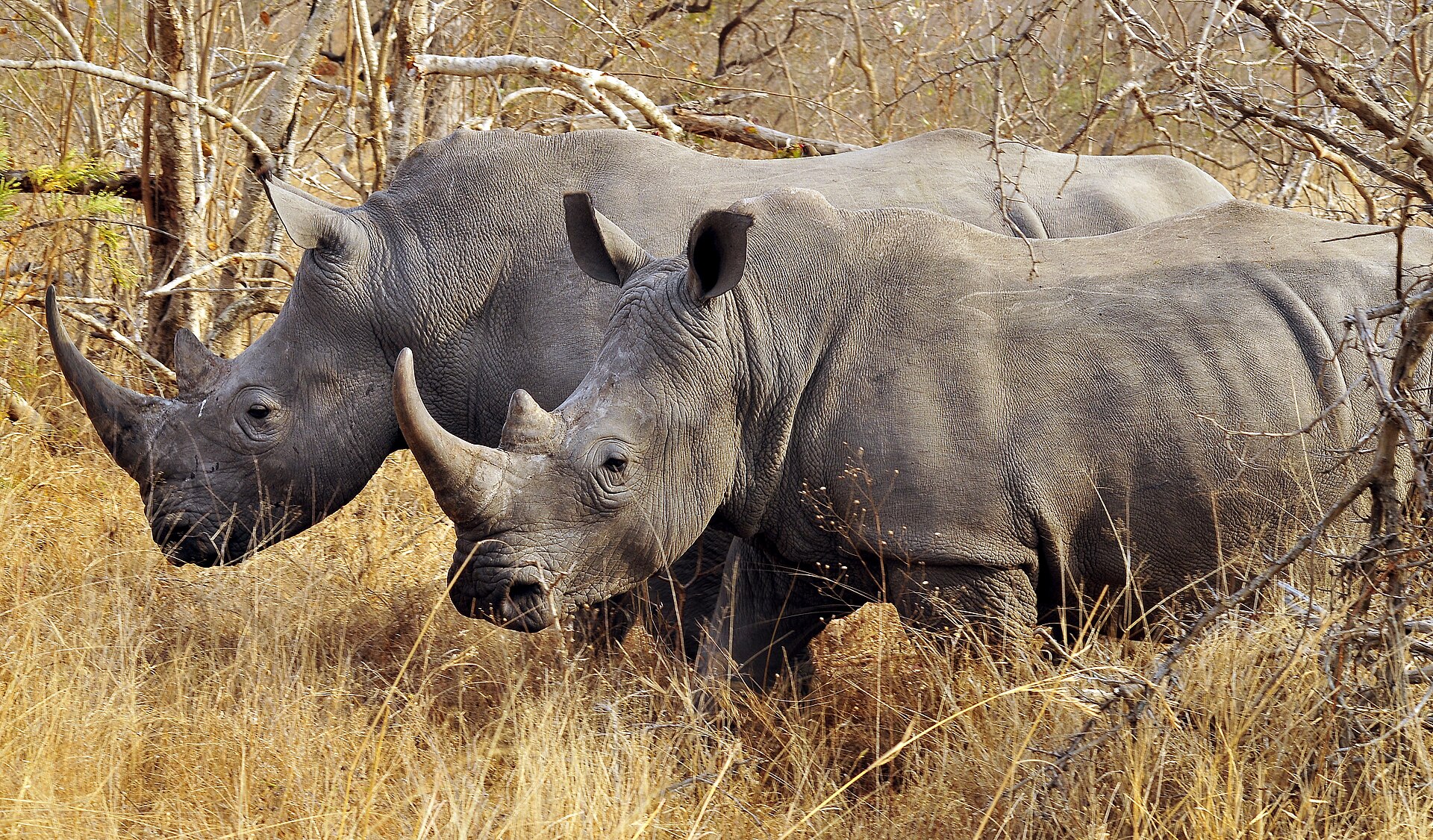
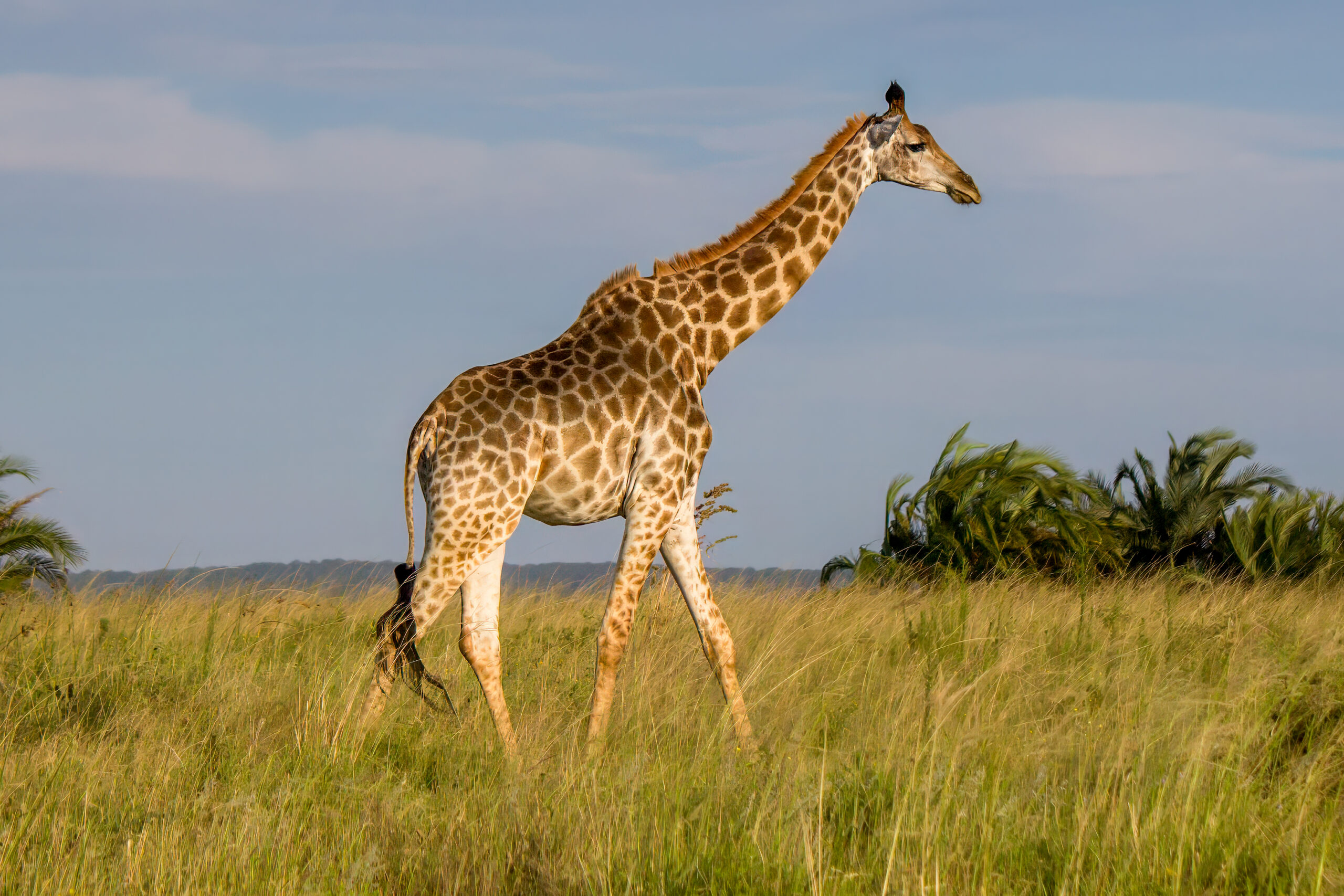
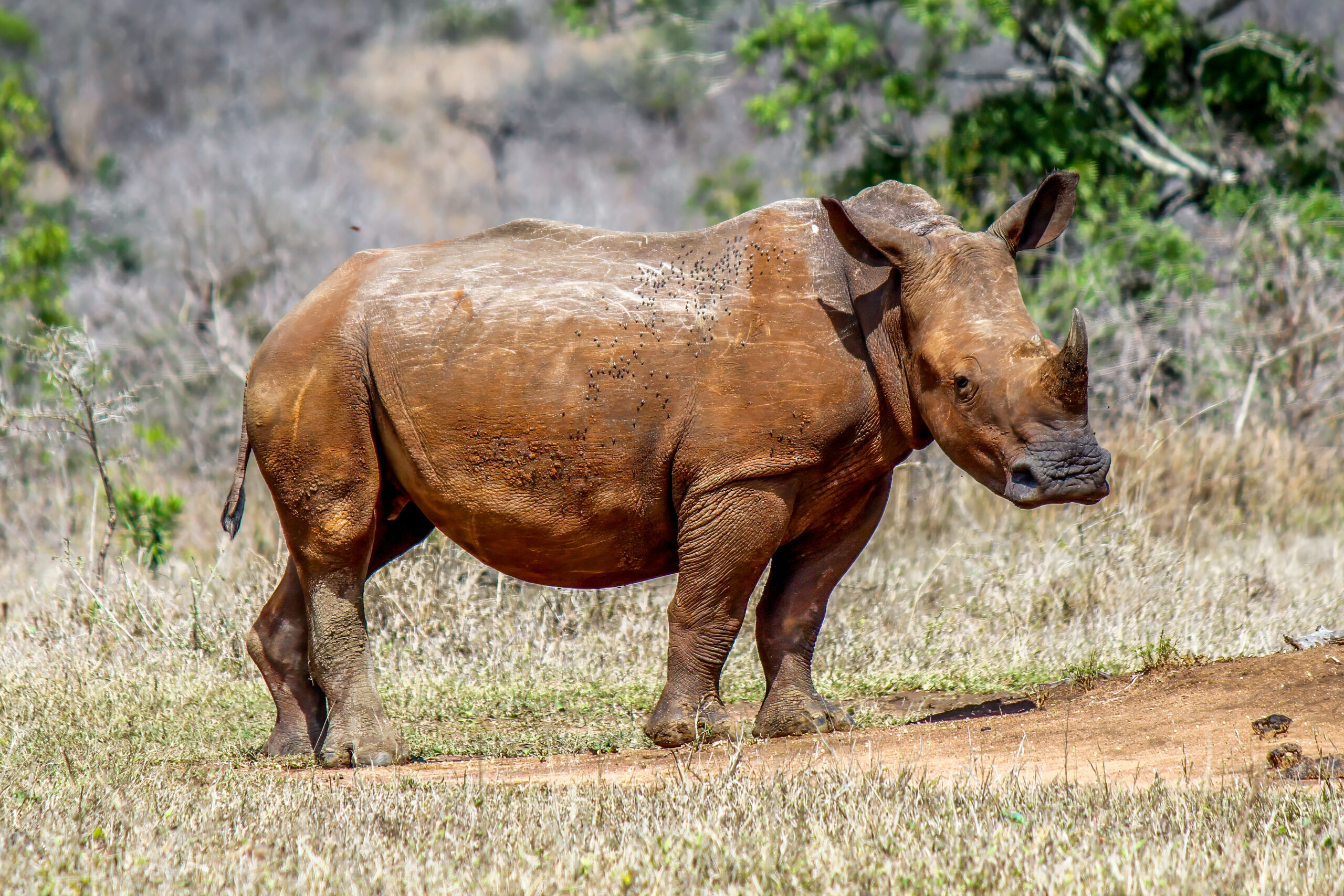
Blood samples from southern giraffes (Giraffa giraffa) and white rhinoceroses (Ceratotherium simum) revealed pronounced differences in the concentrations of numerous organic molecules. Researchers found differences in 36 of 50 comparable metabolites, with 28 remaining supported across several statistical checks. Among the most interesting findings were patterns involving branched-chain amino acids, compounds associated with energy metabolism, and molecules linked to microbial digestion.
Metabolites are small molecules involved in the body’s metabolism. They include amino acids, organic acids and products of nutrient breakdown. Researchers in South Africa used proton nuclear magnetic resonance (1H-NMR), which detects signals from hydrogen atoms in molecules to identify and measure many compounds in one sample. The direct comparison involved plasma from six giraffes and 45 white rhinoceroses. These measurements reveal which substances circulate in the blood and at what concentrations, but not the rates at which they are produced or consumed.
A distinct pattern among branched-chain amino acids
The most coherent biochemical pattern involved branched-chain amino acids and related breakdown products. Leucine and several associated compounds—2-oxoisocaproic acid, 3-methyl-2-oxovaleric acid, 3-hydroxyisobutyric acid and 3-hydroxyisovaleric acid—were measured at lower concentrations in giraffe plasma. Valine was also lower, although evidence for this difference was less consistent. Branched-chain amino acids are used to build proteins and can be broken down in processes contributing to energy metabolism. Seeing several related compounds shift in the same direction is more informative than finding a difference in a single amino acid.
Some individual molecules also showed substantial contrasts. Giraffe plasma contained about 2.6 times as much pyruvate (pyruvic acid), almost twice as much glycine and approximately 1.8 times as much allantoin as rhinoceros plasma. Pyruvate is a central intermediate in carbohydrate breakdown, while glycine is an amino acid used, among other functions, to build proteins. In contrast, acetate (acetic acid) was measured at roughly one-quarter of the rhinoceros concentration, while N-acetylglucosamine and methanol were each about one-fifth as abundant.
Energy metabolism and digestion did not point in one direction
Compounds associated with energy metabolism showed different patterns. Pyruvate was higher in giraffes, but citrate was lower, while lactate and succinate showed no comparably clear differences. The results therefore cannot be interpreted as evidence that overall energy metabolism was simply higher or lower in either species.
Acetate and propionate, two small organic acids closely associated with microbial fermentation of plant material, were both lower in giraffes. This is of particular biological interest because giraffes are ruminant browsers that ferment food in the foregut, whereas white rhinoceroses are grazers that ferment plant matter in the hindgut. Digestive anatomy, diet, gut microorganisms and the use of these molecules by body tissues could all contribute to the blood profiles. The measurements do not establish which processes account for the observed contrasts.
Methylamine-related compounds moved in different directions
Another noteworthy result involved chemically related nitrogen-containing molecules. Trimethylamine was about 50% higher in giraffe plasma, while methylamine and dimethylamine were lower. Choline, which has roles including the formation of cell membranes and can be metabolised into related compounds, showed a weaker decrease; sarcosine did not clearly differ. These contrasting directions help explain why the results cannot simply be described as increased or decreased choline breakdown or one-carbon metabolism, in which compounds transfer groups containing a single carbon atom.
The researchers also examined whether metabolite concentrations differed between males and females. They found no clear sex-related differences in comparable giraffe serum samples. Nine metabolites initially differed between male and female white rhinoceroses, but only N-acetylglucosamine remained strongly supported across the further checks. Its measured concentration was higher in females. N-acetylglucosamine is an amino sugar that forms part of many glycans, including carbohydrate chains attached to proteins. The observed difference is therefore biochemically interesting, although these blood measurements do not establish which underlying process produced it.
One important uncertainty limits the species comparison: the six giraffe samples and the rhinoceros samples were analysed in different NMR acquisition batches. The researchers therefore cannot fully separate possible laboratory-related differences from biological differences between the animals. The study identifies specific contrasts in the measured blood samples, but does not demonstrate that particular metabolic pathways necessarily function differently between these species. Nevertheless, its detailed biochemical findings provide a starting point for further studies using samples analysed under directly comparable conditions.
Organic chemistry
Related news
More Sensitive PCR Revealed Rickettsia DNA in Six New South African Wildlife Hosts
Nested PCR detected Rickettsia DNA in 32 of 73 previously negative wildlife samples and produced first host records…
Read story →
Organic Acids Fell as Amino Acids Rose in Giraffe Milk Late in Lactation
Milk from five giraffes in South Africa shifted chemically between about 9.4 and 15.1 months of lactation: Krebs-cycle…
Read story →
Vitamin D3 Was About Twice as High in Summer in Managed Black and White Rhinoceroses
Serum from 75 rhinoceroses at 27 U.S. institutions showed strong seasonal and geographical variation in 25-hydroxyvitamin D3, while…
Read story →SPECIES IN THIS STORY
Species in this story
Independent research and conservation news archive
Did you find this information useful?
Wildlife Vagabond is independently built and maintained. Voluntary support helps cover source verification, hosting and continued work on research and conservation news.
Support Wildlife VagabondThe news archive will remain freely available.