
Vitamin D3 Was About Twice as High in Summer in Managed Black and White Rhinoceroses
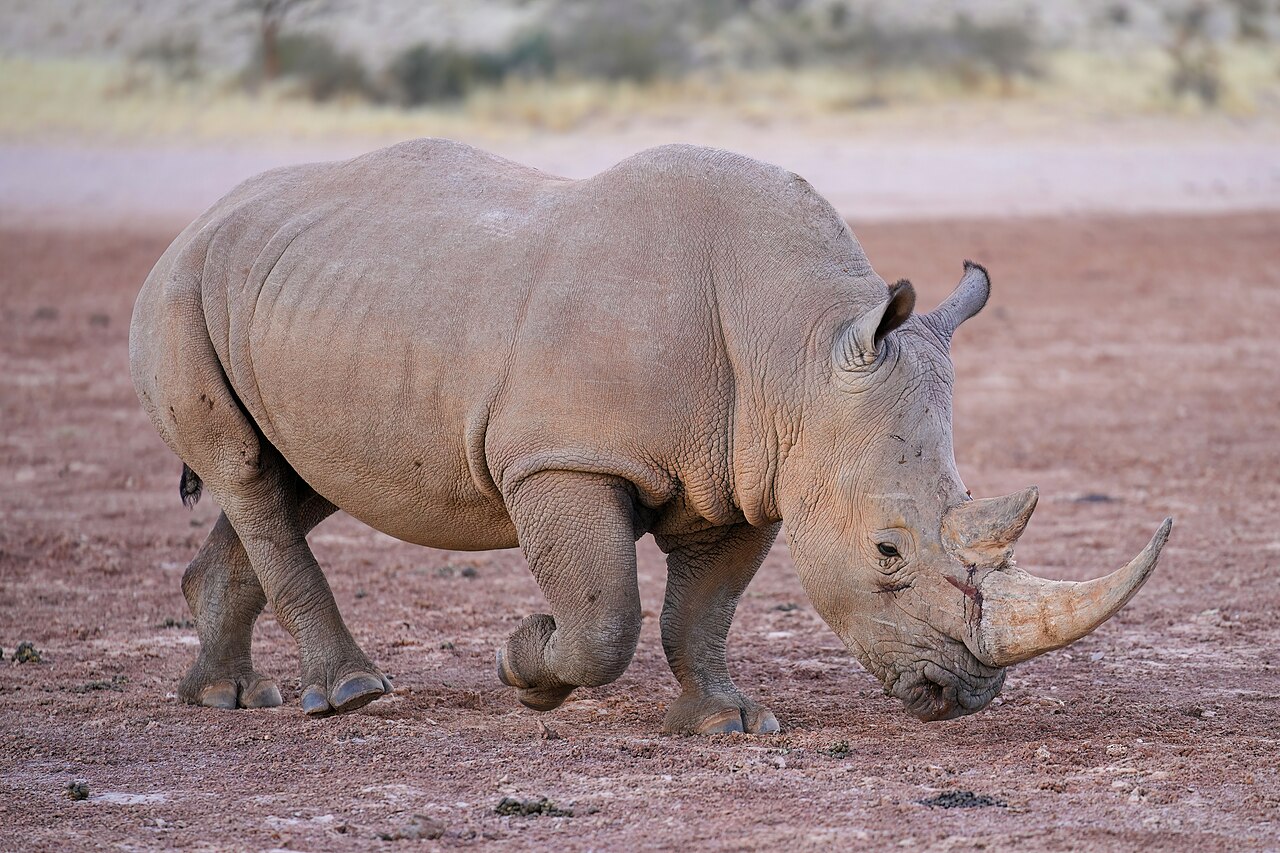
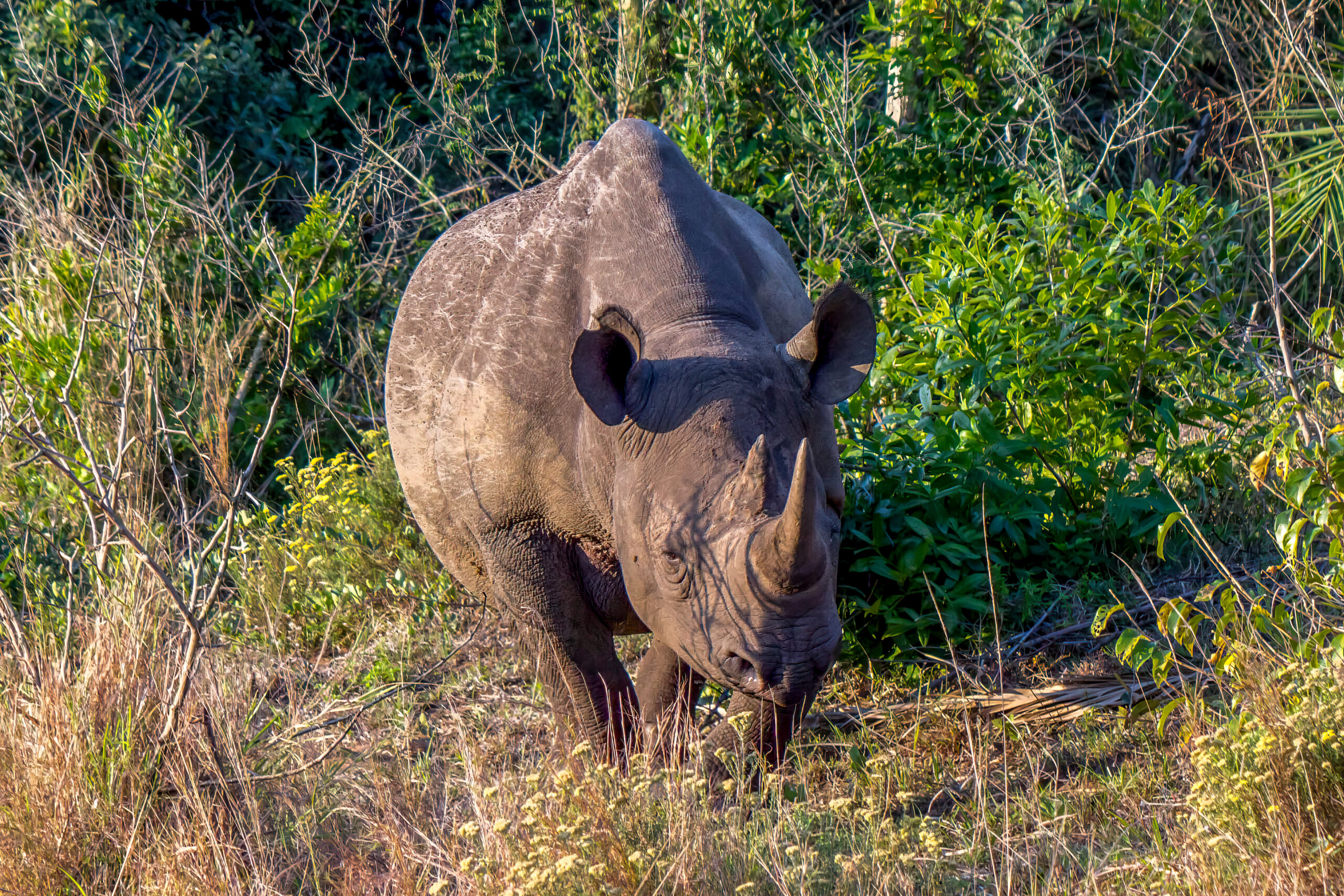
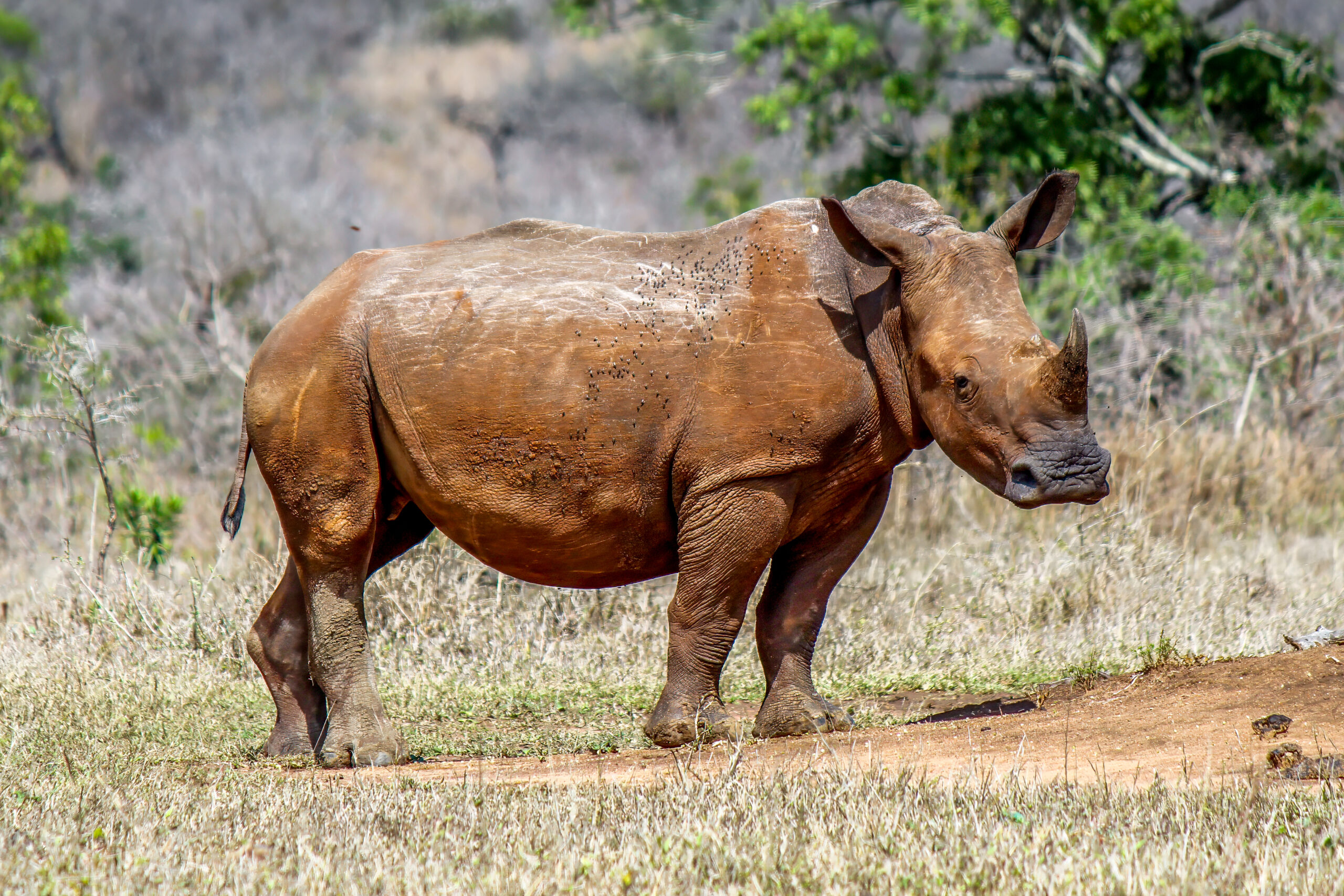
Serum concentrations of 25-hydroxyvitamin D3 were about twice as high in summer as in winter in both black rhinoceroses (Diceros bicornis) and white rhinoceroses (Ceratotherium simum) managed at institutions across the United States. The same vitamin-D metabolite also varied with regional solar irradiance, while the study found no corresponding relationship with species, sex, age or reproductive status.
The researchers analysed paired winter and summer serum samples from 28 black rhinoceroses and 47 white rhinoceroses at 27 institutions across 17 U.S. states. Black rhinoceroses ranged from 4 to 32 years old and white rhinoceroses from 3 to 54 years. The samples were collected in 2022–2023 and analysed separately for 25-hydroxyvitamin D2 (25OHD2) and 25-hydroxyvitamin D3 (25OHD3).
Vitamin D₂ and D₃ left different chemical signatures
Vitamin D exists in related organic forms with different origins. Vitamin D2, or ergocalciferol, can enter herbivores through plant material associated with UVB-exposed fungi and other microorganisms. Vitamin D3, or cholecalciferol, is mainly produced in the skin after exposure to ultraviolet-B radiation. Both are converted in the liver to 25-hydroxylated forms that circulate in the blood and provide useful measures of vitamin-D status.
Using liquid chromatography–tandem mass spectrometry, the researchers measured those two circulating molecules separately. 25OHD2 was below the detection limit in more than half of the white-rhinoceros samples and more than 80% of the black-rhinoceros samples. Because so few animals had measurable D2 in both seasons, it was not used in the main statistical analyses.
25OHD3, by contrast, was detected in almost every sample. It was absent only from two winter samples from black rhinoceroses and one winter sample from white rhinoceroses.
Summer concentrations were roughly double winter concentrations
Average 25OHD3 in black rhinoceroses rose from about 11.4 ng/ml in winter to 20.7 ng/ml in summer. White rhinoceroses showed a similar change, from about 12.6 to 23.2 ng/ml. The two species therefore followed nearly the same seasonal pattern despite their different feeding ecology in the wild.
Location mattered as well. The institutions were assigned to solar-irradiance zones based on long-term average incoming solar energy. Black rhinoceroses in zones with greater solar irradiance generally had higher 25OHD3, and white rhinoceroses showed especially clear geographical differences during winter. The pattern supports a strong role for UVB-driven production of vitamin D3.
Age, sex and reproductive status did not explain the variation
After season and solar irradiance were taken into account, the researchers found no clear difference in 25OHD3 between the two rhinoceros species or between males and females. Age also showed no supported relationship with concentrations. The two oldest animals in the study — a 54-year-old white rhinoceros and a 32-year-old black rhinoceros — actually had the highest summer values in their respective species, although both lived in a relatively high-irradiance zone.
Reproductive comparisons were carried out in female white rhinoceroses. 25OHD3 did not differ clearly with reproductive activity or pregnancy, and excluding lactating females did not change the result. The study therefore found no evidence that the measured variation in circulating vitamin D was driving the reproductive differences considered here.
The study did not measure each animal’s actual UVB exposure
The geographical pattern is informative but does not measure how much sunlight reached each rhinoceros. The study did not quantify direct UVB exposure, time spent outdoors, shade use or dietary vitamin D alongside the serum samples. Animals at institutions in the same solar zone can therefore still experience different husbandry and exposure conditions.
The results provide the first circulating vitamin-D dataset for managed white rhinoceroses and expand comparable data for black rhinoceroses. They show that season and location were much stronger predictors of 25OHD3 than the demographic variables tested, while leaving open how much direct UVB exposure each species needs to maintain its vitamin-D status.
Physiology
Related news
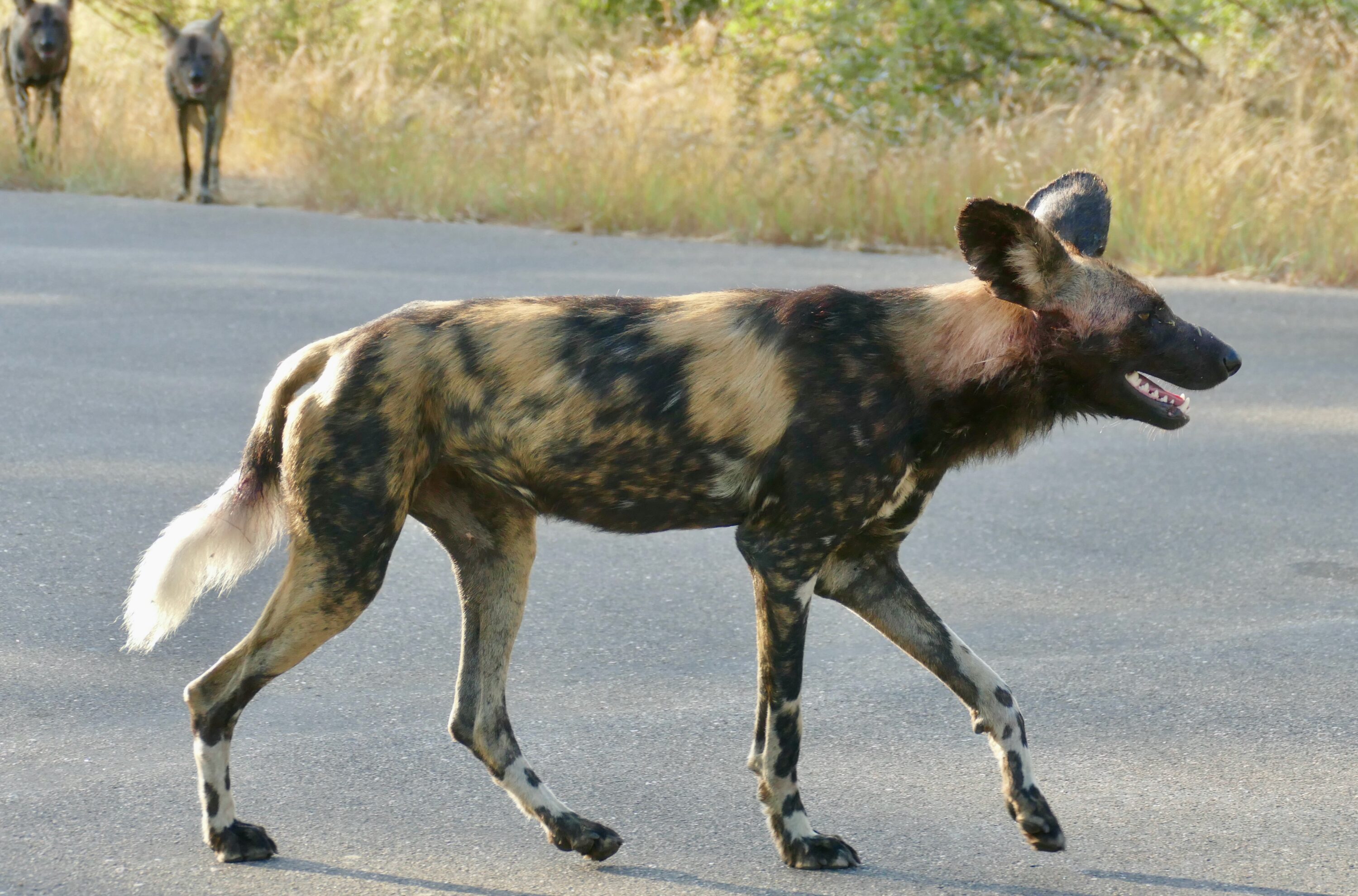
Gut Microbiomes Across Nine Kruger Mammals Clustered More Strongly by Dietary Group Than Species
A study of 89 quality-filtered faecal samples from nine wild mammals in Kruger National Park found that carnivores,…
Read story →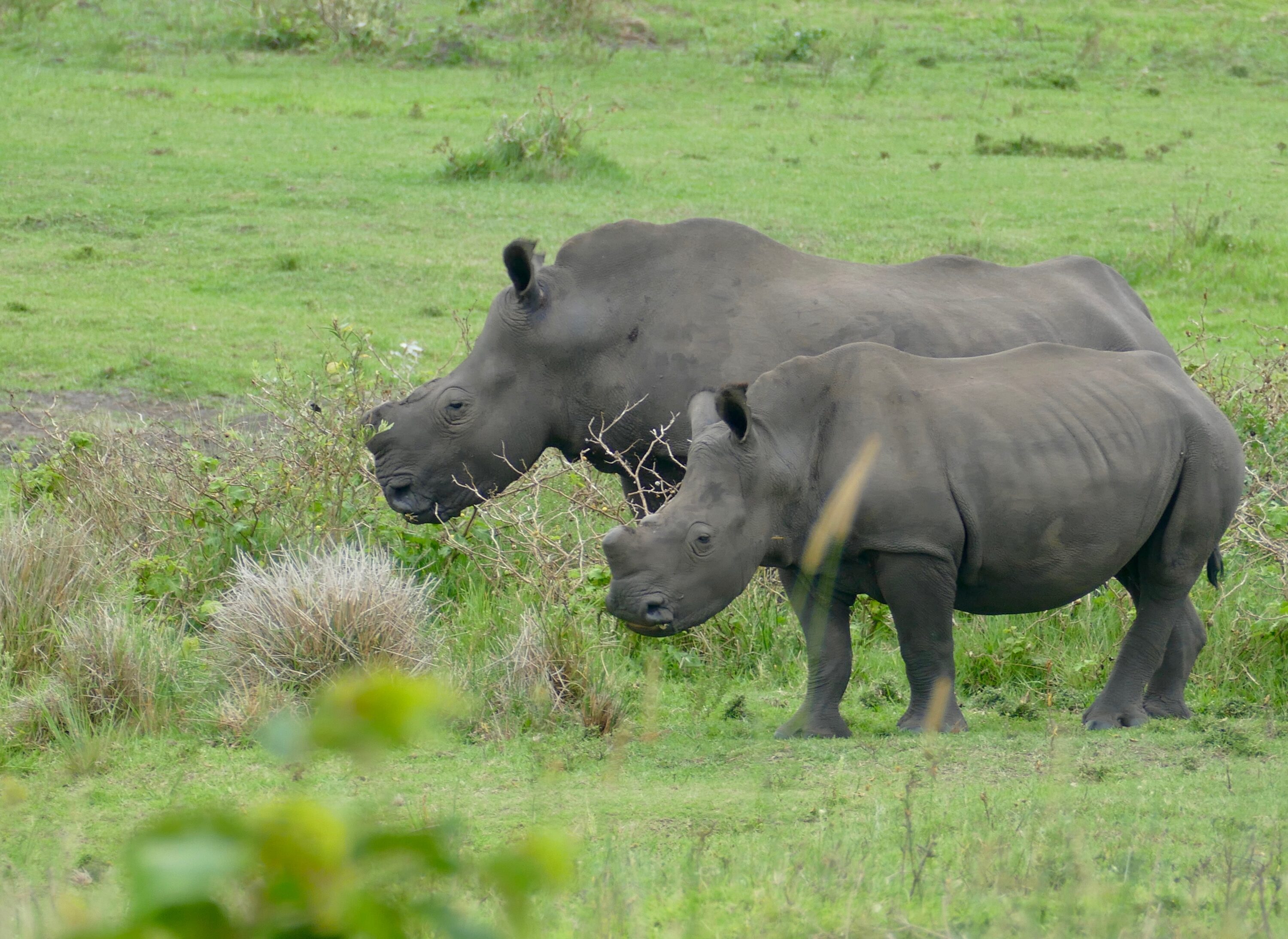
Balule Rhinos Showed No Consistent Home-Range Change After Dehorning
Eleven years of monitoring in Balule found no consistent change in the size or position of black-rhino home…
Read story →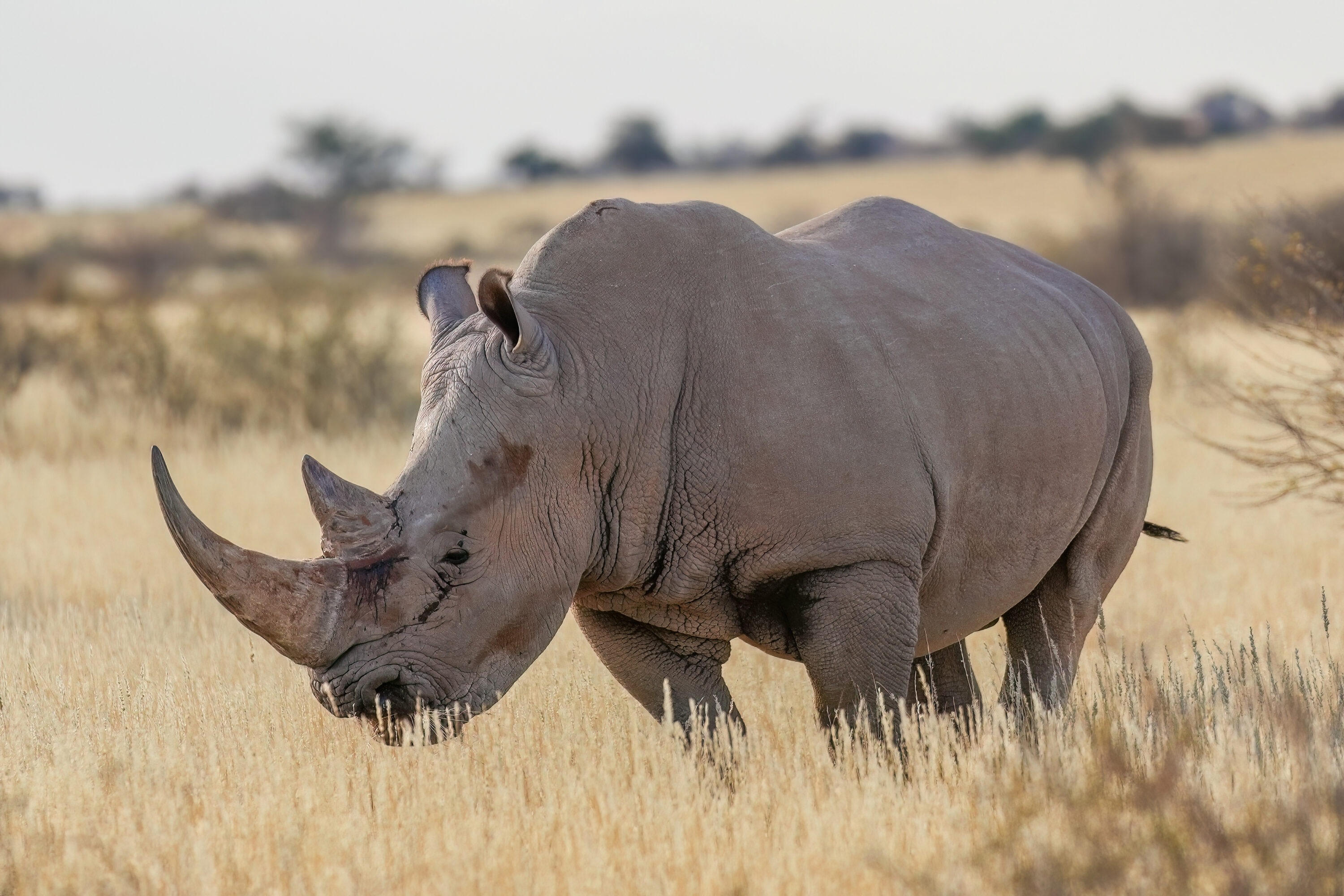
Black Rhino Horns Contained More Selenium and Molybdenum Than White Rhino Horns
Analysis of 82 rhinoceros horns found higher selenium and molybdenum concentrations in black rhino horn than in white…
Read story →SPECIES IN THIS STORY
Species in this story
Independent research and conservation news archive
Did you find this information useful?
Wildlife Vagabond is independently built and maintained. Voluntary support helps cover source verification, hosting and continued work on research and conservation news.
Support Wildlife VagabondThe news archive will remain freely available.