
Nepal’s White-rumped Vulture Population Grew 12.7% a Year; Adult Survival Was Estimated at 94.7%
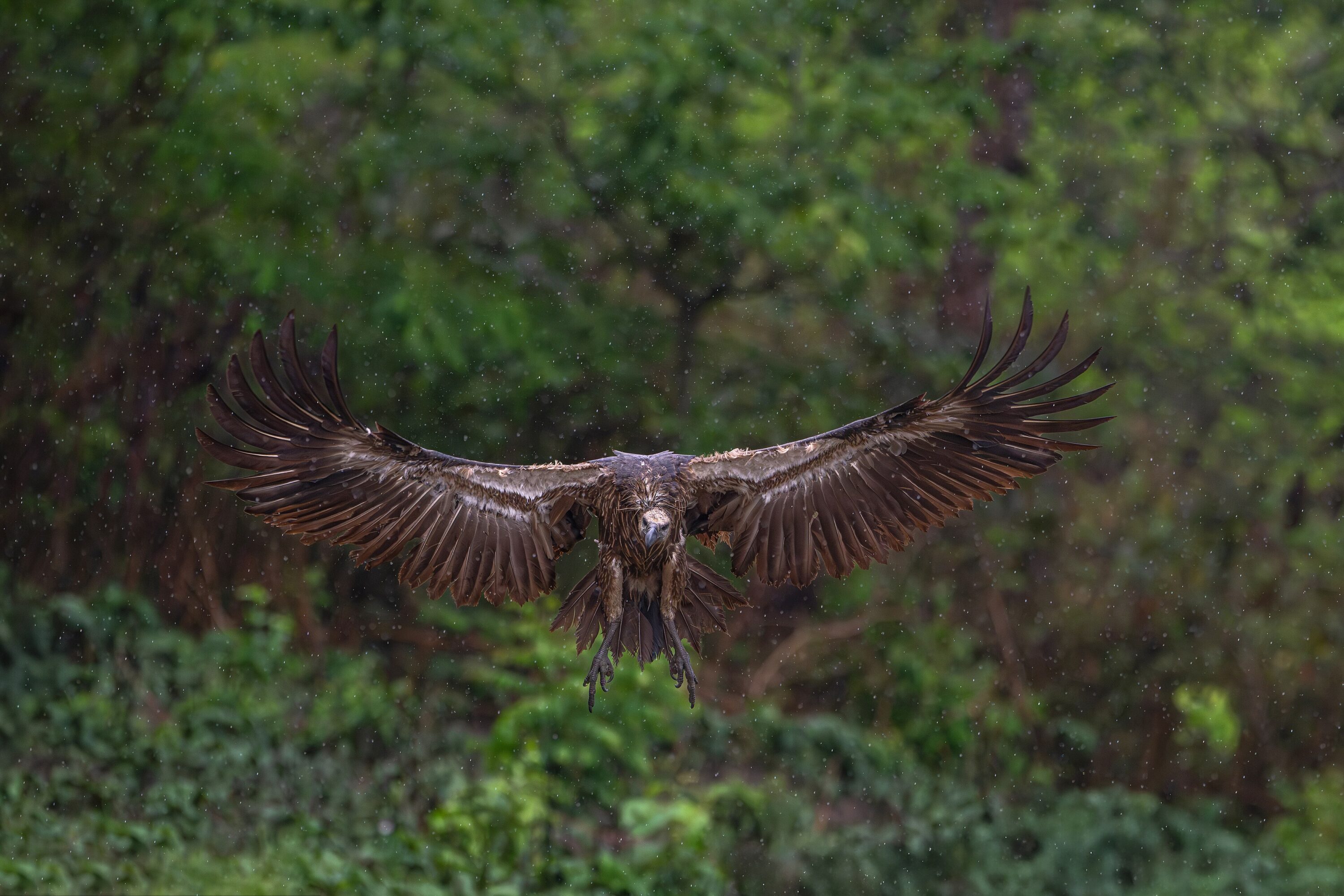
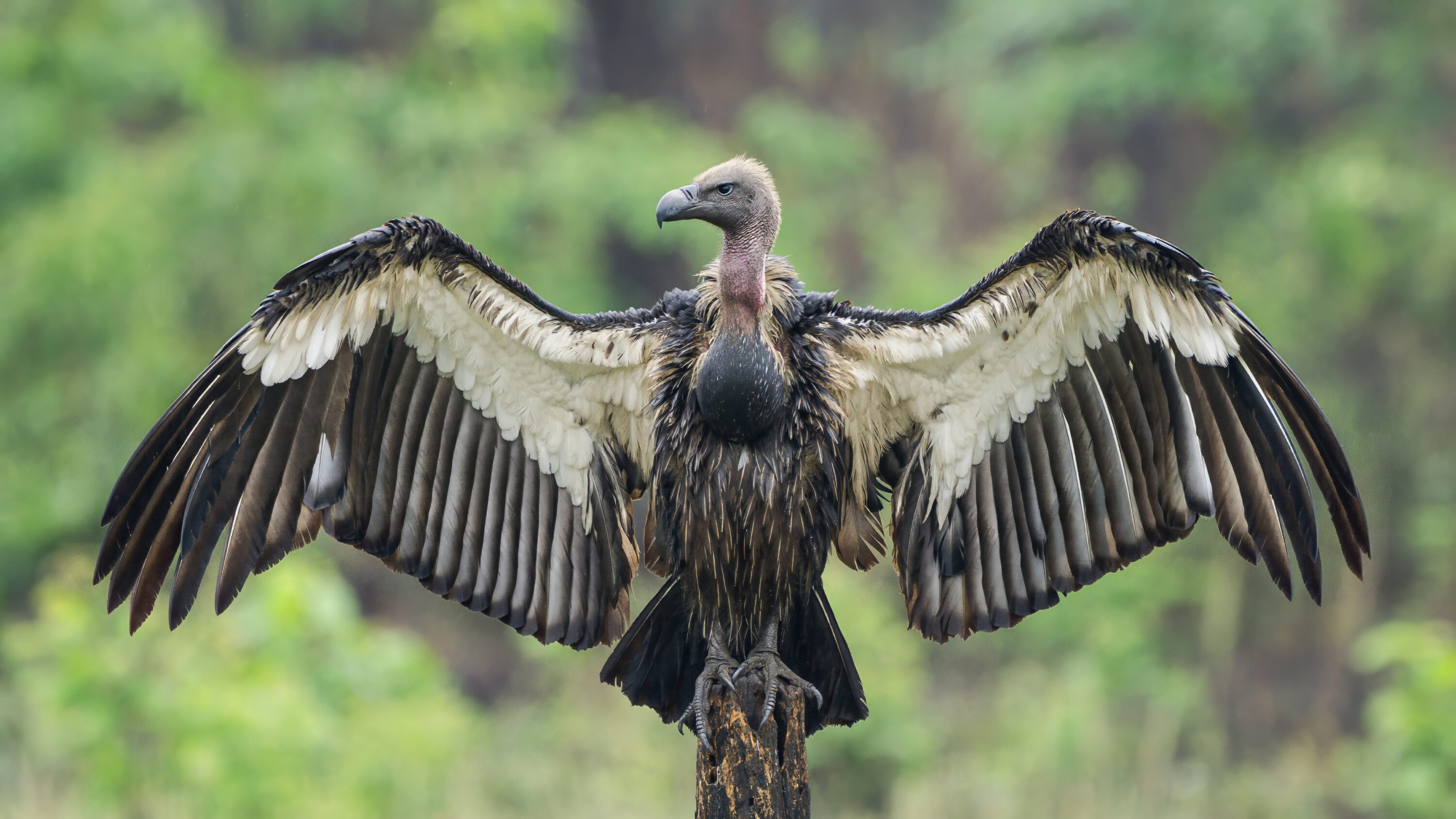
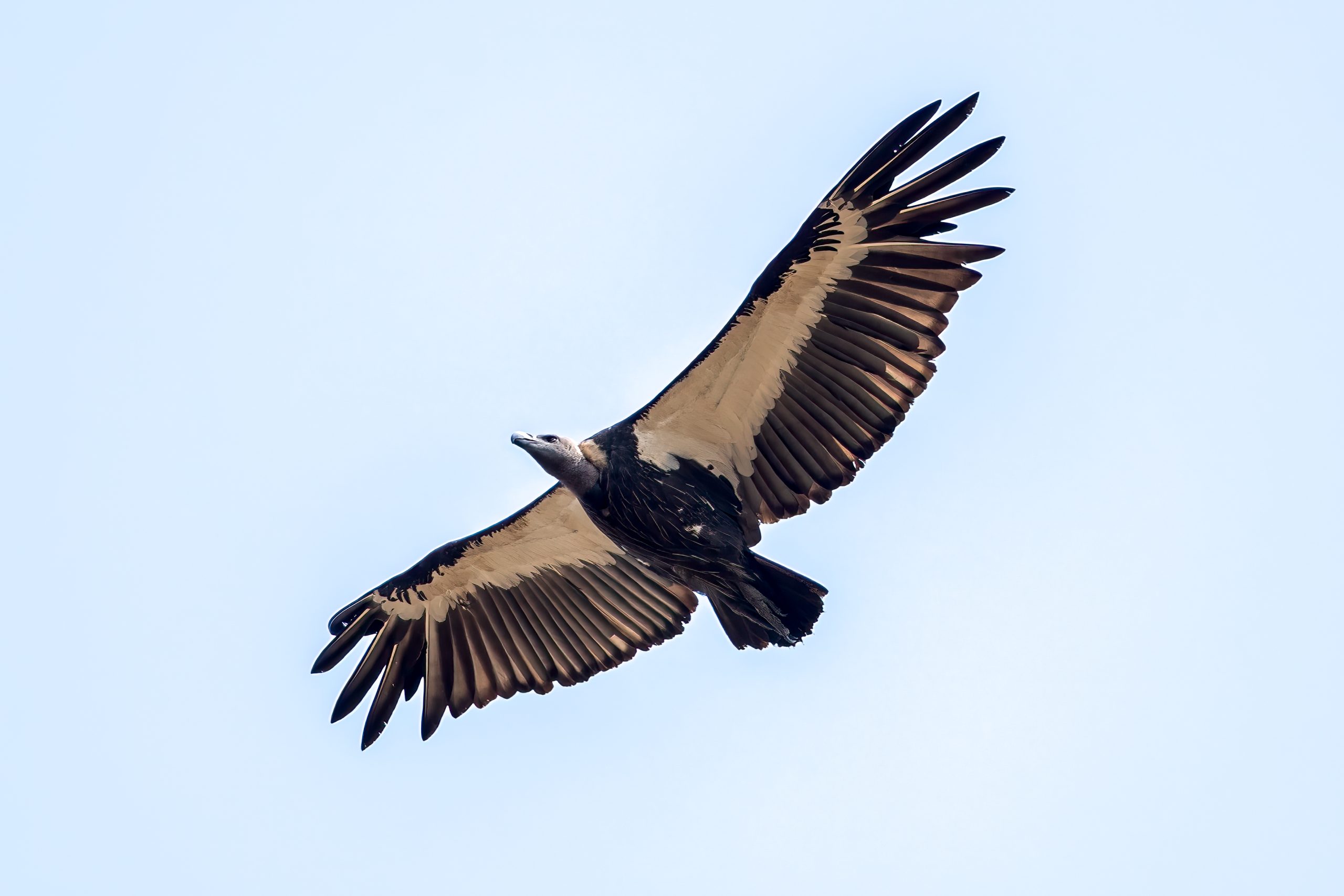
Nepal’s White-rumped Vulture (Gyps bengalensis) population continued its recovery after reaching a low point around 2012. Repeated counts along the same road-survey routes from 2013 to 2025 estimated an average increase of 12.7% a year. The study was published on 20 July 2026 in Ibis.
High survival and rising breeding productivity
Survival was also high among 70 wild vultures fitted with GPS transmitters. When birds were classed as adults from four years of age, estimated annual survival was 94.7% for adults and 95.5% for subadults. The small numerical difference was not supported as a real difference in survival between the two age classes. For a long-lived bird that produces relatively few young, keeping adults alive has a strong effect on population growth. Adult survival influenced the population models more strongly than the other survival and reproduction rates included in them.
Nest monitoring provided a second sign of recovery. Researchers monitored 6,410 nests between 2007 and 2025. On average, 69.2% produced a fledged young, and breeding productivity increased over time, including during the recovery period.
Population growth could largely be explained within Nepal
The researchers then asked whether survival and reproduction within Nepal could explain the rapid increase, or whether substantial immigration from India was needed. A population model combining survival and reproduction predicted growth of about 8.7% a year when first breeding was assumed to begin at four years. The plausible range around that estimate included the growth measured by the road surveys, so the study found no conclusive evidence that substantial immigration was needed to explain the recovery. Because first-year survival has not been estimated for White-rumped Vultures, the model used an estimate from Griffon Vultures for juveniles.
The increase was not stronger near the Jatayu supplementary feeding site than farther away, so attraction to this predictable food source did not explain the national trend. The authors instead link the recovery primarily to high survival and improving productivity after veterinary diclofenac was removed from use. Diclofenac had caused the catastrophic collapse of Gyps vultures across South Asia.
Numbers in Nepal remain far below pre-collapse levels. Other anti-inflammatory drugs that are toxic to vultures are still a threat, and the authors argue that restricting unsafe veterinary drugs and testing new drugs for vulture safety remain central to protecting the recovery.
Population & status
Related news
Cambodia Counted at Least 163 Vultures in 2025, Up 22% From 2024
Cambodia’s official 2025 minimum estimate counted 163 white-rumped, slender-billed and red-headed vultures combined—22% more than in 2024 and…
Read story →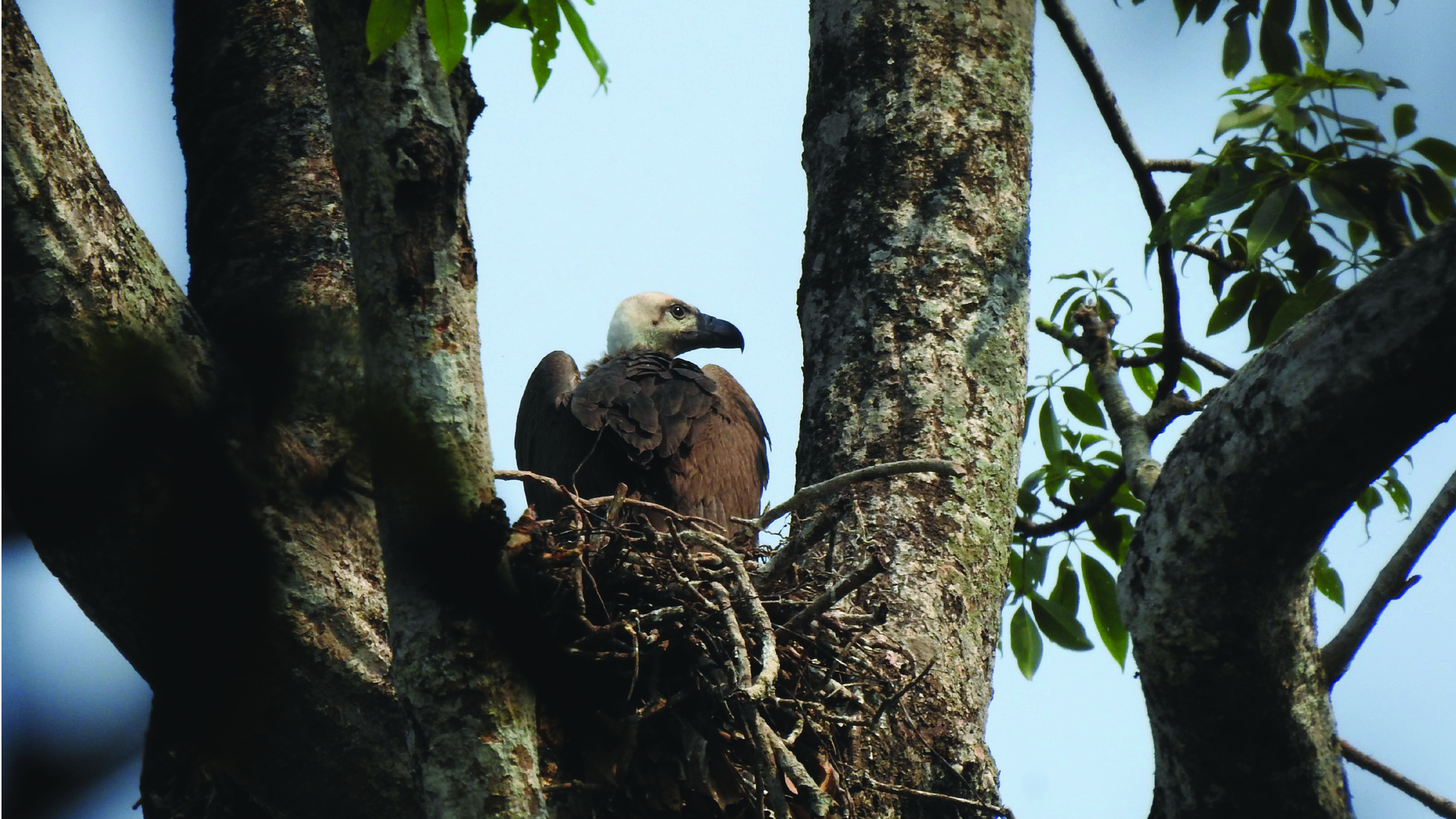
Released White-rumped Vultures Raised a Chick in India for the First Time
Thirty-one captive-bred White-rumped Vultures were released in Buxa Tiger Reserve from 2021 to 2023. Six formed three pairs,…
Read story →
Model Projected Up to 60% Loss of Highly Suitable White-rumped Vulture Habitat by 2100
A 2026 range-wide model for South and Southeast Asia projected that highly suitable White-rumped Vulture habitat could decline…
Read story →SPECIES IN THIS STORY
Species in this story
Independent research and conservation news archive
Did you find this information useful?
Wildlife Vagabond is independently built and maintained. Voluntary support helps cover source verification, hosting and continued work on research and conservation news.
Support Wildlife VagabondThe news archive will remain freely available.