
Review of 86 Studies Found Broad Support for Wild Boar as Sentinels of Pathogens and Contaminants
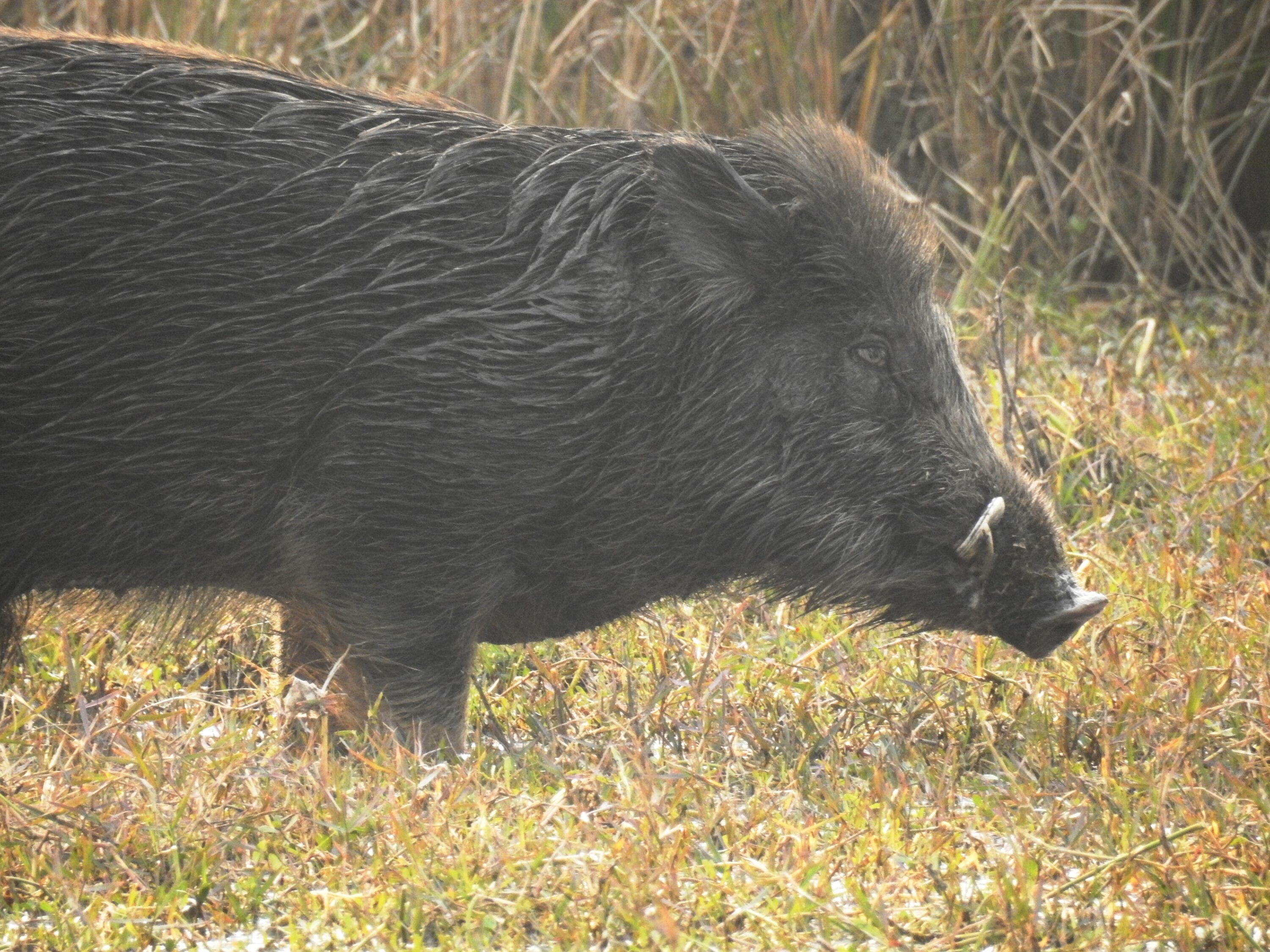
A systematic review published in 2026 examined how wild boar (Sus scrofa) have been used as sentinel or indicator species for hazards relevant to ecosystem health. A sentinel species is monitored because its exposure can reveal hazards circulating in the wider environment. The researchers identified 86 studies that explicitly described wild boar in this role, covering 30 pathogens, 44 environmental contaminants, two biological toxins and 13 indicators of antimicrobial resistance. Some studies covered more than one type of hazard, so these categories overlap.
Most of the reviewed research came from Europe: 84.9% of the studies were European, and 90.7% relied on samples from hunted animals. The authors found that wild boar were often chosen because they are widespread, omnivorous and readily accessible through hunting programmes, allowing tissue and blood samples to be collected across large areas.
Overall, 74.4% of the reviewed studies supported the use of wild boar as sentinels. Support was strongest and most consistent for monitoring pathogens and environmental contaminants, whereas assessments of their suitability for antimicrobial resistance were more variable. The review only included studies that explicitly framed wild boar as sentinels or indicators, so it does not represent every surveillance study ever conducted on the species. The review also found that hunting-based sampling can introduce spatial, seasonal and demographic biases, while ecological differences such as diet, movement and population density can influence exposure.
Nearly half of the studies proposed ways to improve surveillance. The recommendations included more systematic and year-round sampling, long-term surveys, combining data from several wildlife species and accounting for ecological and population variables. The authors conclude that wild boar can be a valuable component of broader One Health surveillance, which treats human, animal and environmental health as interconnected, provided that the monitoring design reflects the particular hazard and ecological context being studied.
Other research
Related news
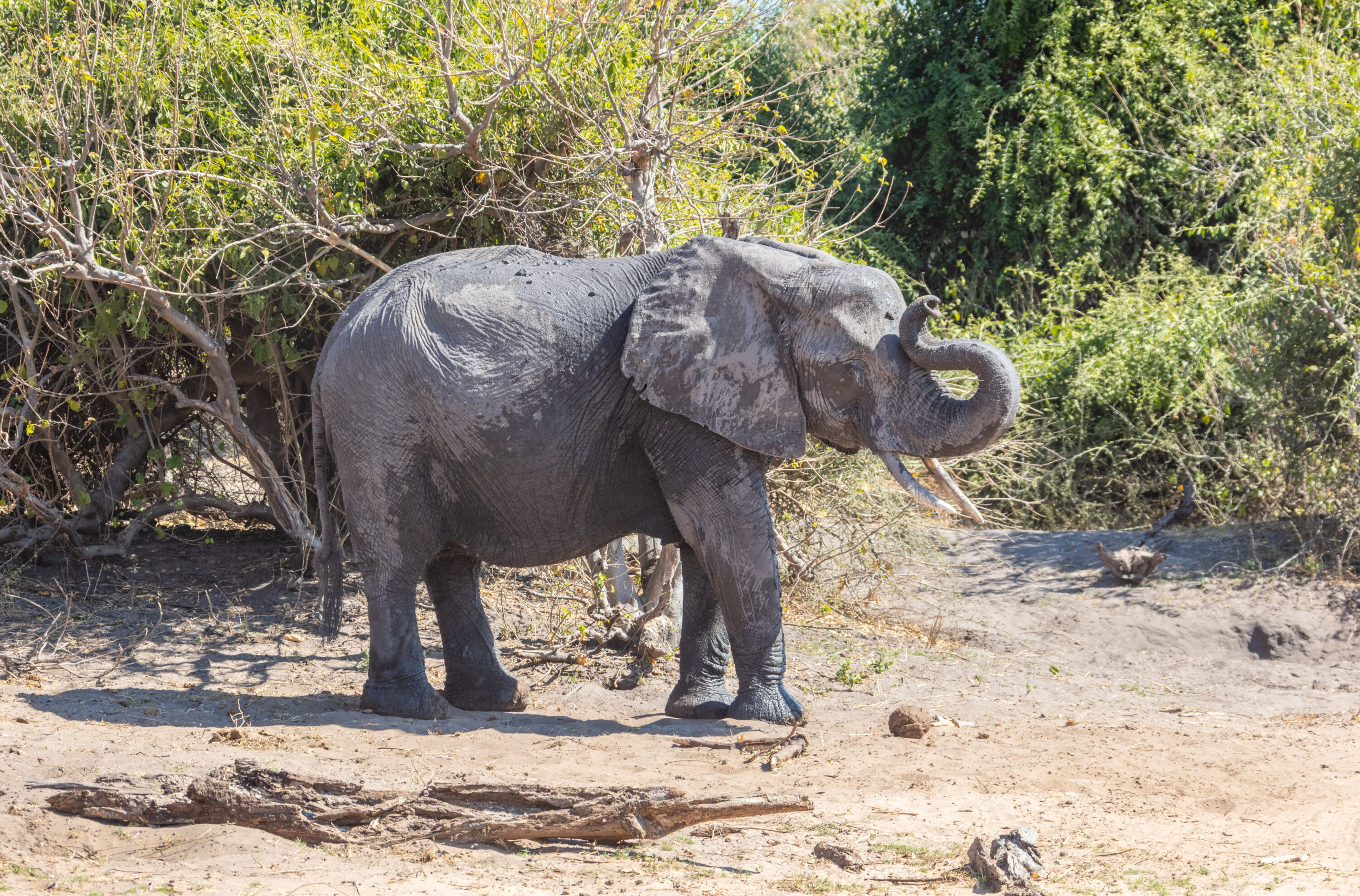
Satellite Count Recorded 15.7% Fewer Elephants Than Aircraft in Botswana
A synchronous Botswana survey counted 816 elephants from aircraft but only 688 visible in 30 cm satellite imagery.…
Read story →
Lesser Black-backed Gulls Made Up 73% of Paresis Cases in Lisbon
A ten-year review of gull admissions from Lisbon and Setúbal found that lesser black-backed gulls dominated paresis cases,…
Read story →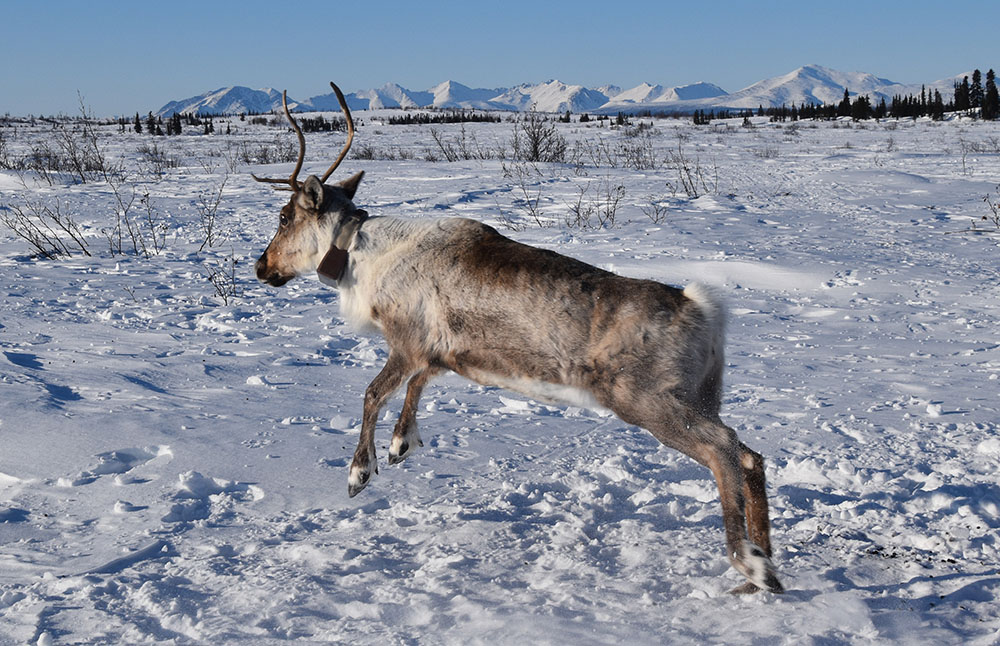
Video Collars Showed GPS Methods Were Only About 70% Accurate at Detecting Caribou Calving
Video collars from 160 adult females in the Porcupine and Western Arctic herds showed that two GPS movement…
Read story →SPECIES IN THIS STORY
Species in this story
Independent research and conservation news archive
Did you find this information useful?
Wildlife Vagabond is independently built and maintained. Voluntary support helps cover source verification, hosting and continued work on research and conservation news.
Support Wildlife VagabondThe news archive will remain freely available.