
Wild boar in Annaba: nocturnal activity and urban encounters
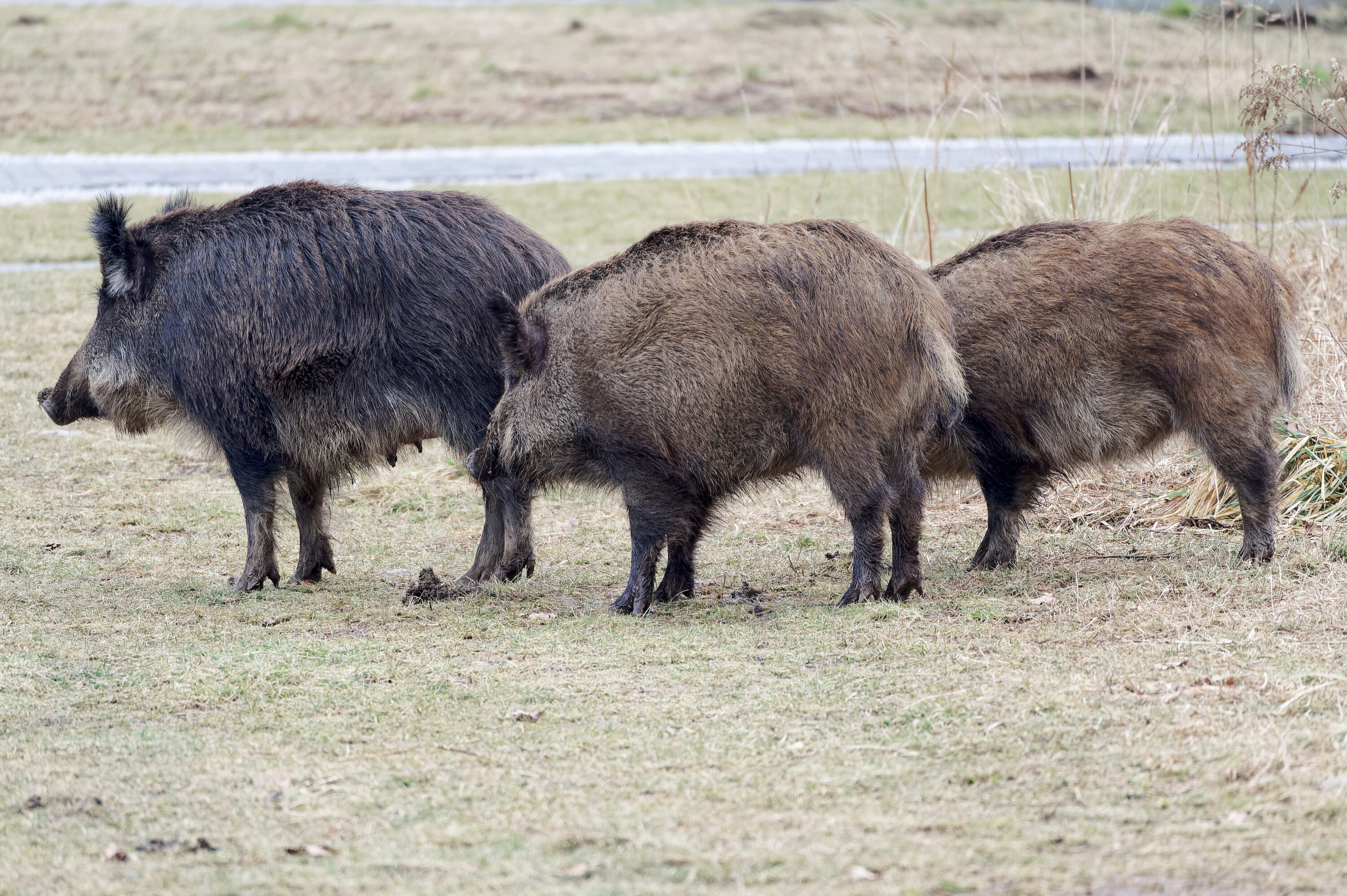
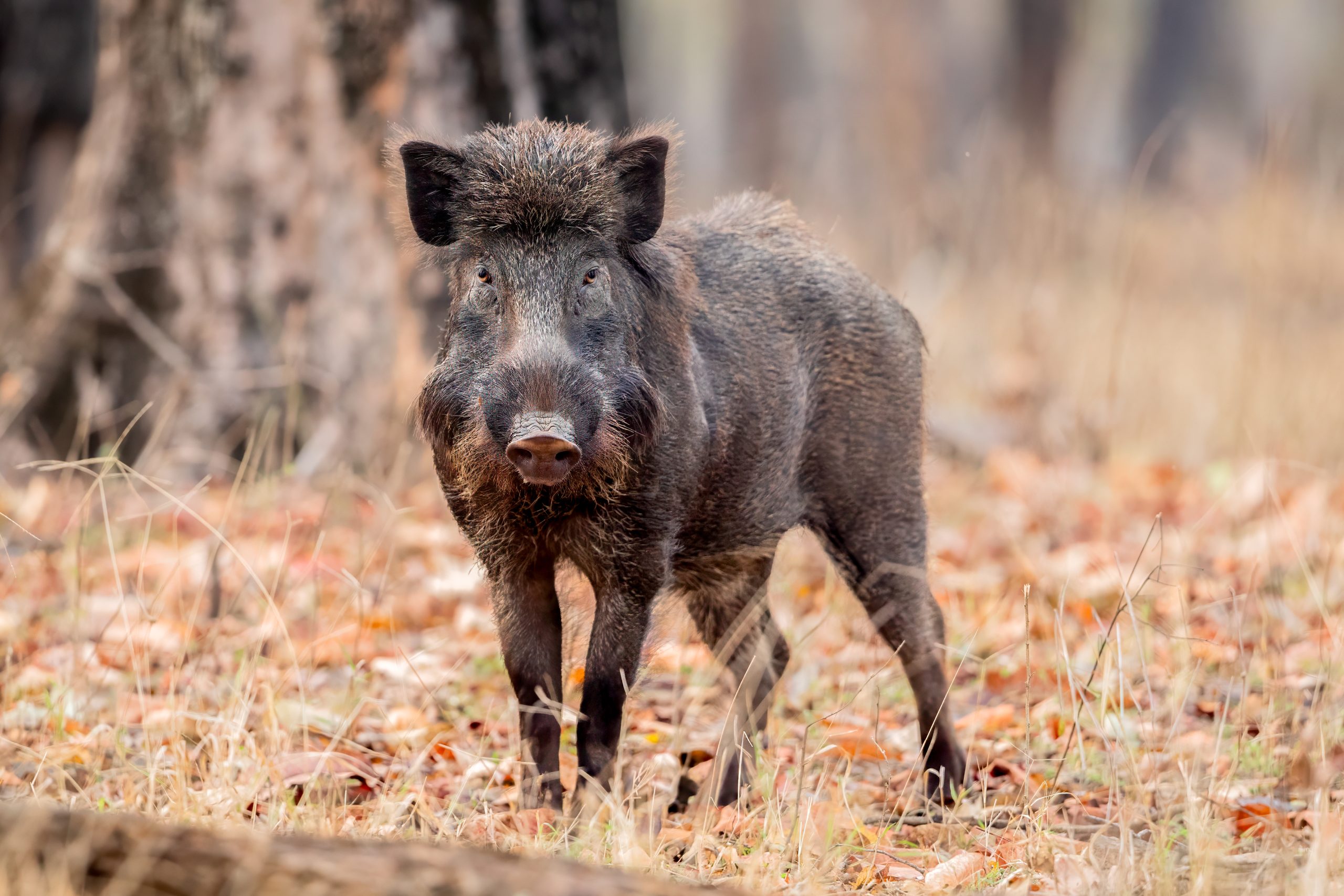
Wild boar (Sus scrofa) are reported in residential areas of Annaba, an expanding city in northeastern Algeria near Edough Forest. A study combining a survey of 250 residents with six months of nocturnal field monitoring examined where the animals were reported and how people viewed their presence.
Reported sightings differed sharply between the sectors studied. In Sector 3, 68% of respondents said they had seen wild boar; in Sector 1, no respondents reported a sighting. The researchers associated boar presence with proximity to Edough Forest, human food resources and routes connecting the forest with residential areas. Field monitoring indicated that the animals were active almost exclusively at night. A relative-abundance index, used to track changes in how commonly boar were detected, also rose markedly in one season.
Among respondents who expressed an opinion, views were predominantly negative. Fear, perceived danger and hygiene concerns were prominent. The sightings and index describe local patterns, not the total wild-boar population.
The findings document a human–wildlife interface where forest, food sources and urban neighbourhoods meet. The authors recommend better waste management, targeted habitat interventions and long-term monitoring to address conflict. Understanding where encounters occur and what concerns residents may help focus those efforts in Annaba.
Ecology
Related news
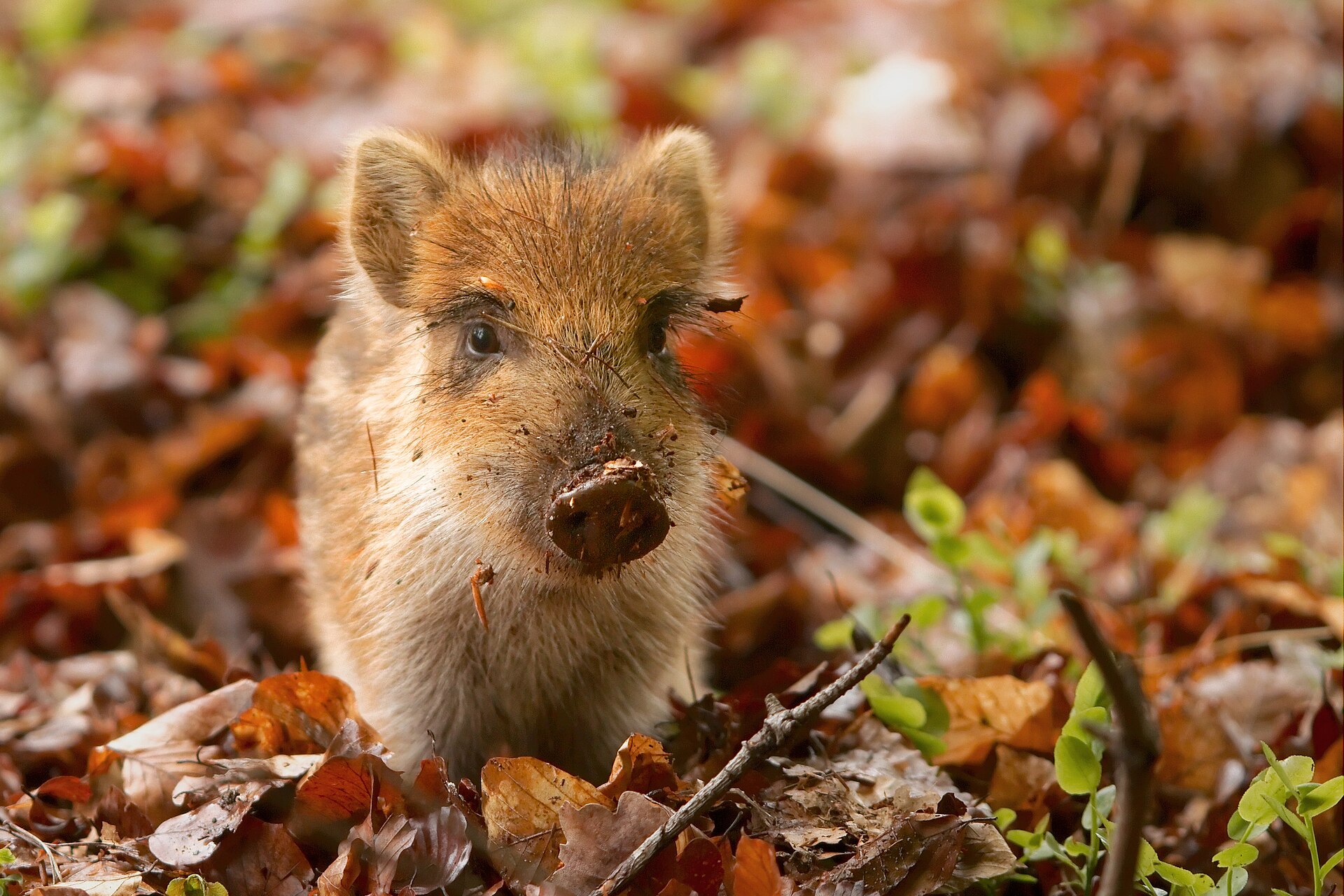
Roundworm infection in a wild boar was linked to lesions in several organs
A postmortem examination of a female wild boar in Tamil Nadu, India, found four Ascaris suum roundworms and…
Read story →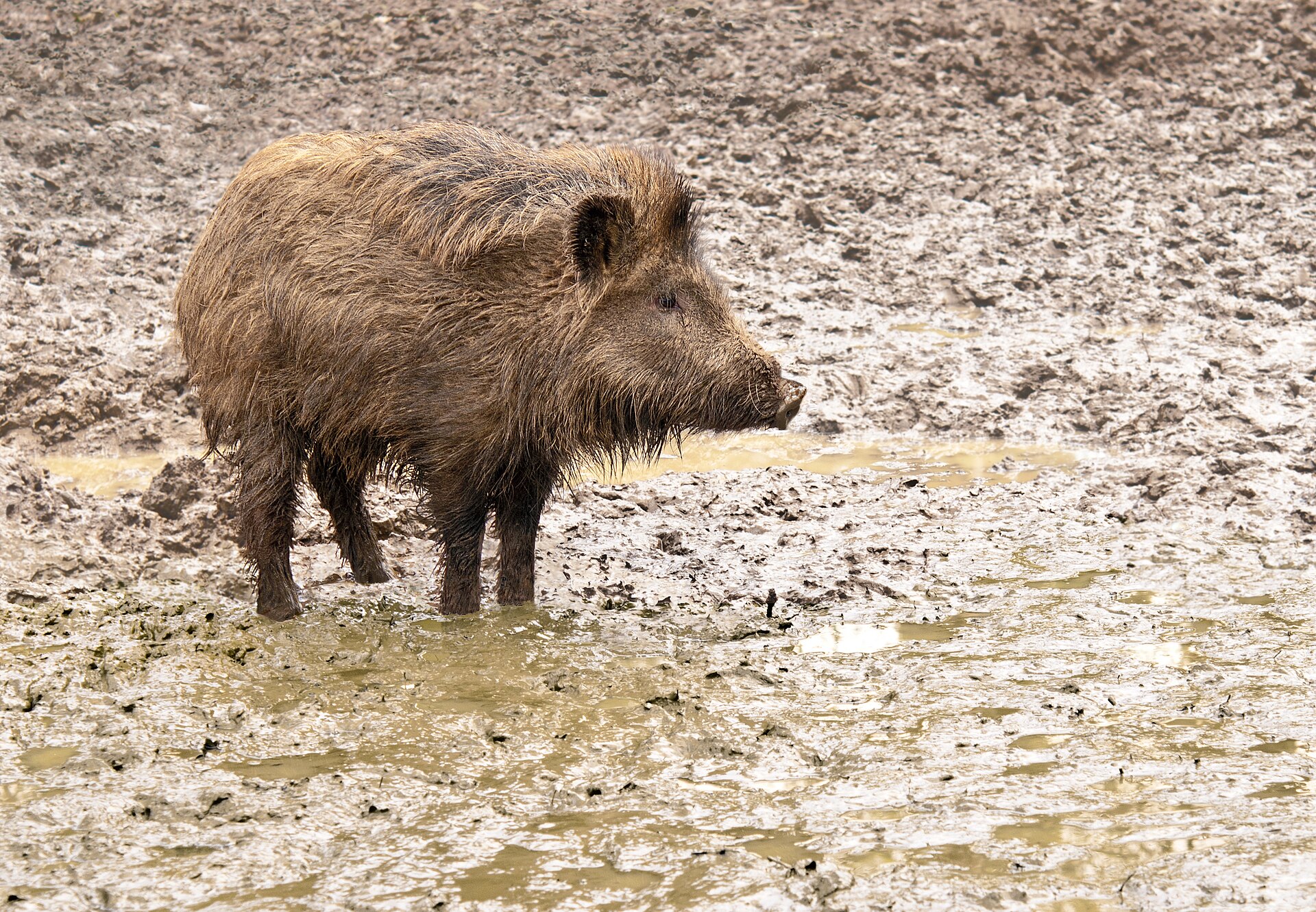
Wild boar choose different tree-rubbing sites as seasons change
Monthly surveys along ten transects in a Mediterranean agroforestry system found that wild boar used tree-rubbing sites differently…
Read story →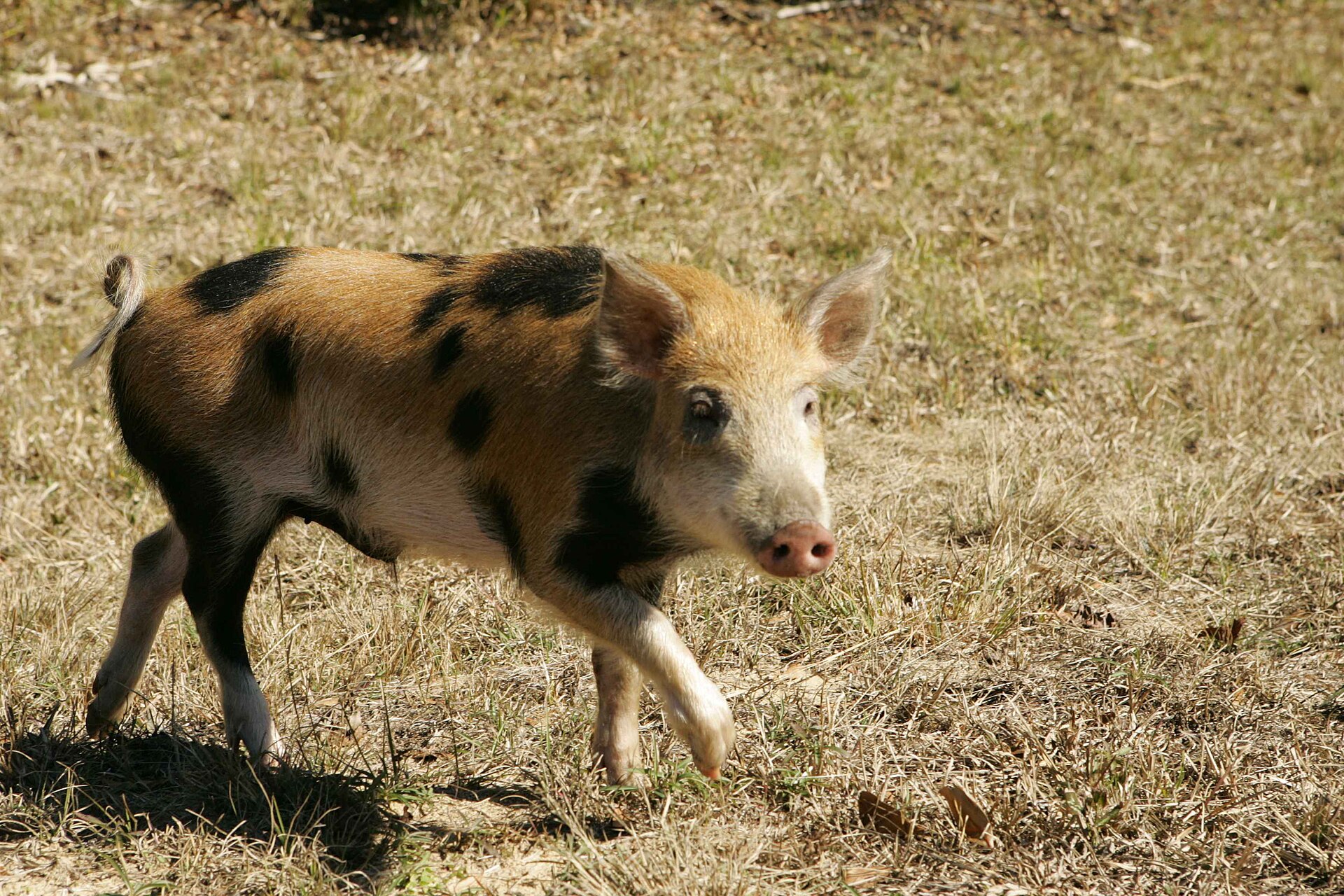
Could wild boar help keep a tick-borne bacterium circulating in Sweden?
Researchers found no Neoehrlichia mikurensis DNA in spleen samples from 87 wild boar in southern and central Sweden,…
Read story →SPECIES IN THIS STORY
Species in this story
Independent research and conservation news archive
Did you find this information useful?
Wildlife Vagabond is independently built and maintained. Voluntary support helps cover source verification, hosting and continued work on research and conservation news.
Support Wildlife VagabondThe news archive will remain freely available.