
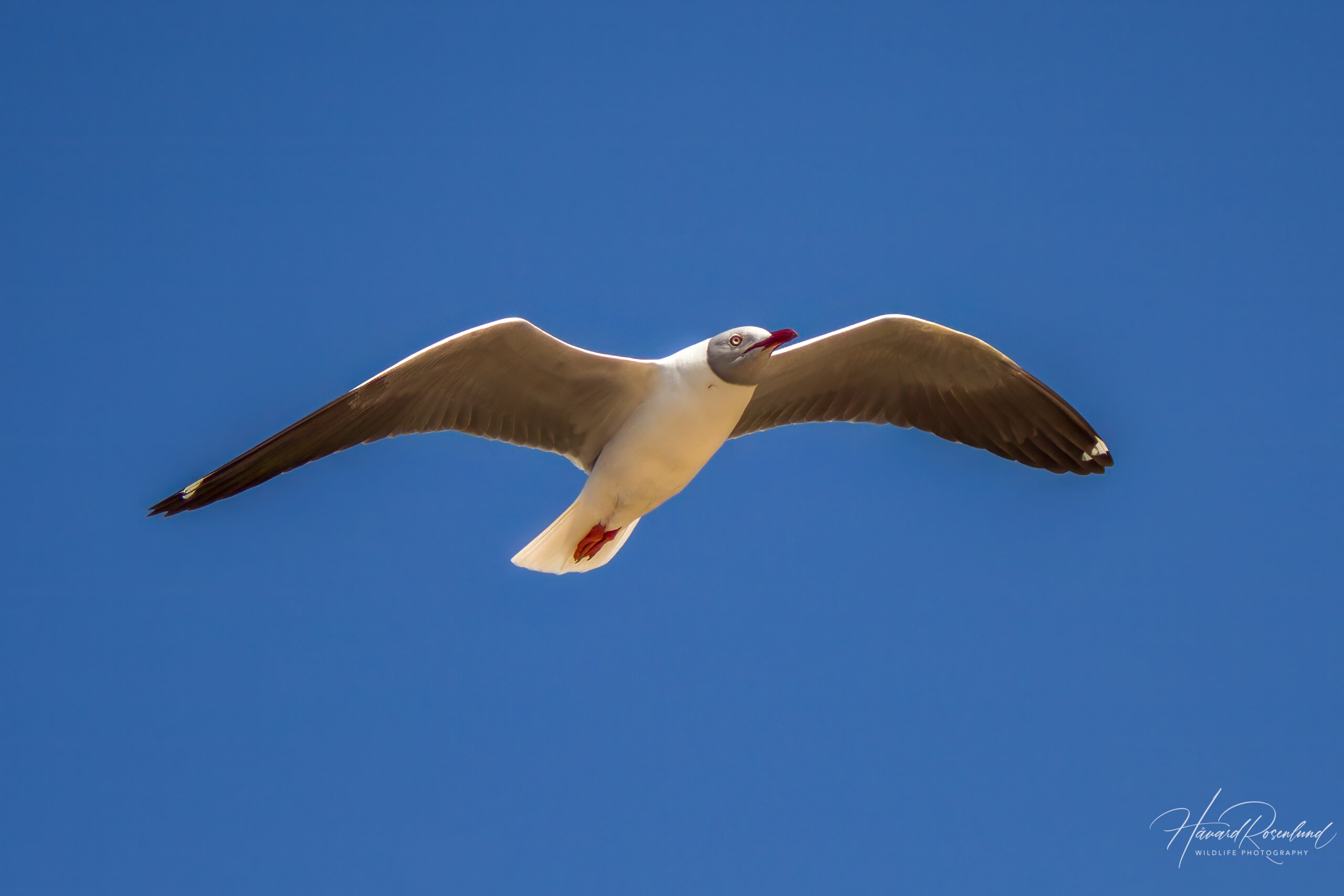
Grey-headed Gull
Chroicocephalus cirrocephalus
At a glance
Habitat
- Coasts, estuaries, lagoons, lakes, rivers, marshes and shallow wetlands
Diet
- Fish, aquatic and terrestrial invertebrates, eggs, carrion and refuse
Activity
- Diurnal
Size
- Length: 42–43 cm Weight: About 300–335 g
Range
- Patchily distributed across sub-Saharan Africa and parts of South America
Description
The grey-headed gull (Chroicocephalus cirrocephalus) is a small gull with an unusual two-continent distribution in Africa and South America. It measures about 42–43 cm and typically weighs around 300–335 g, with South American birds generally somewhat larger than African birds.
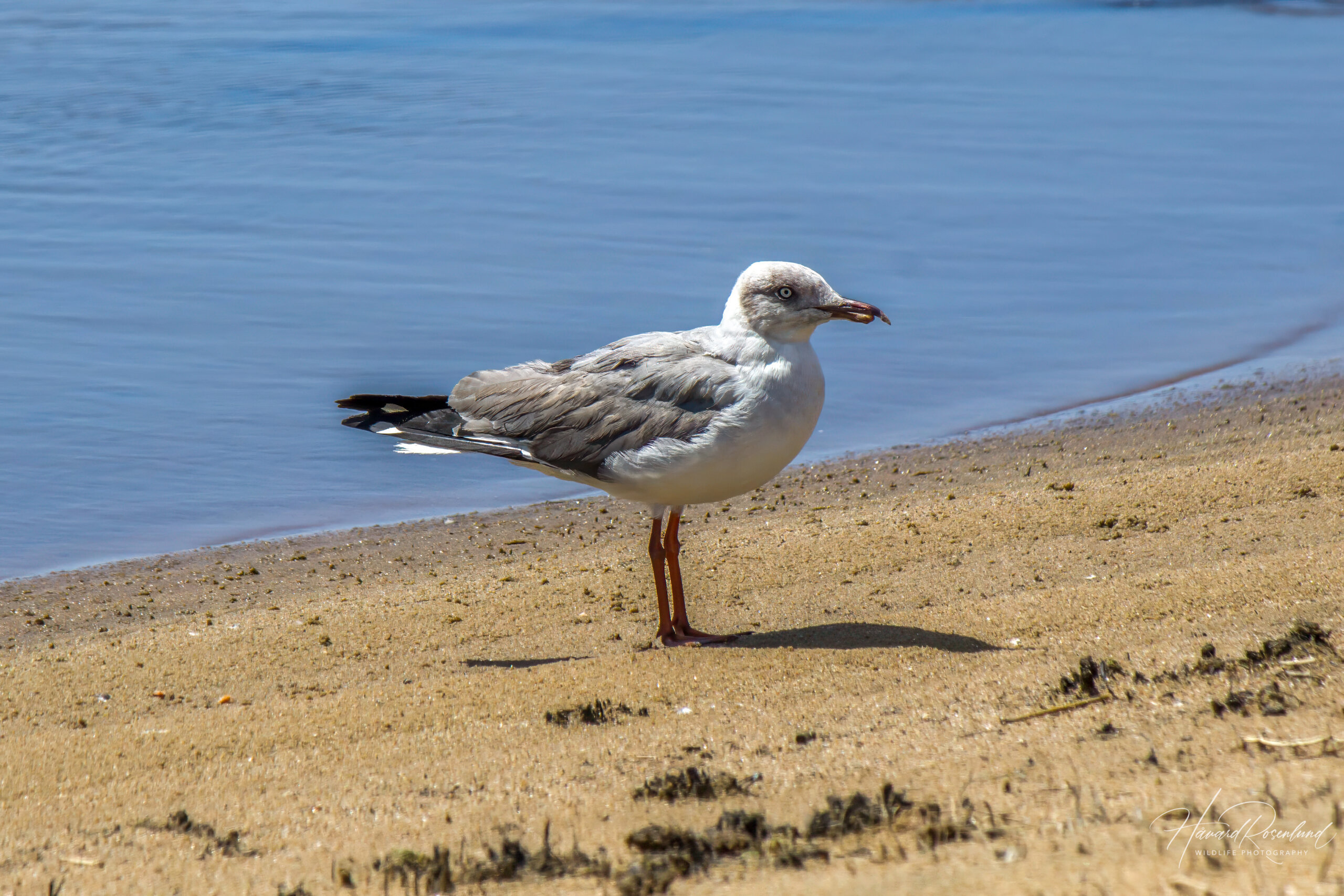
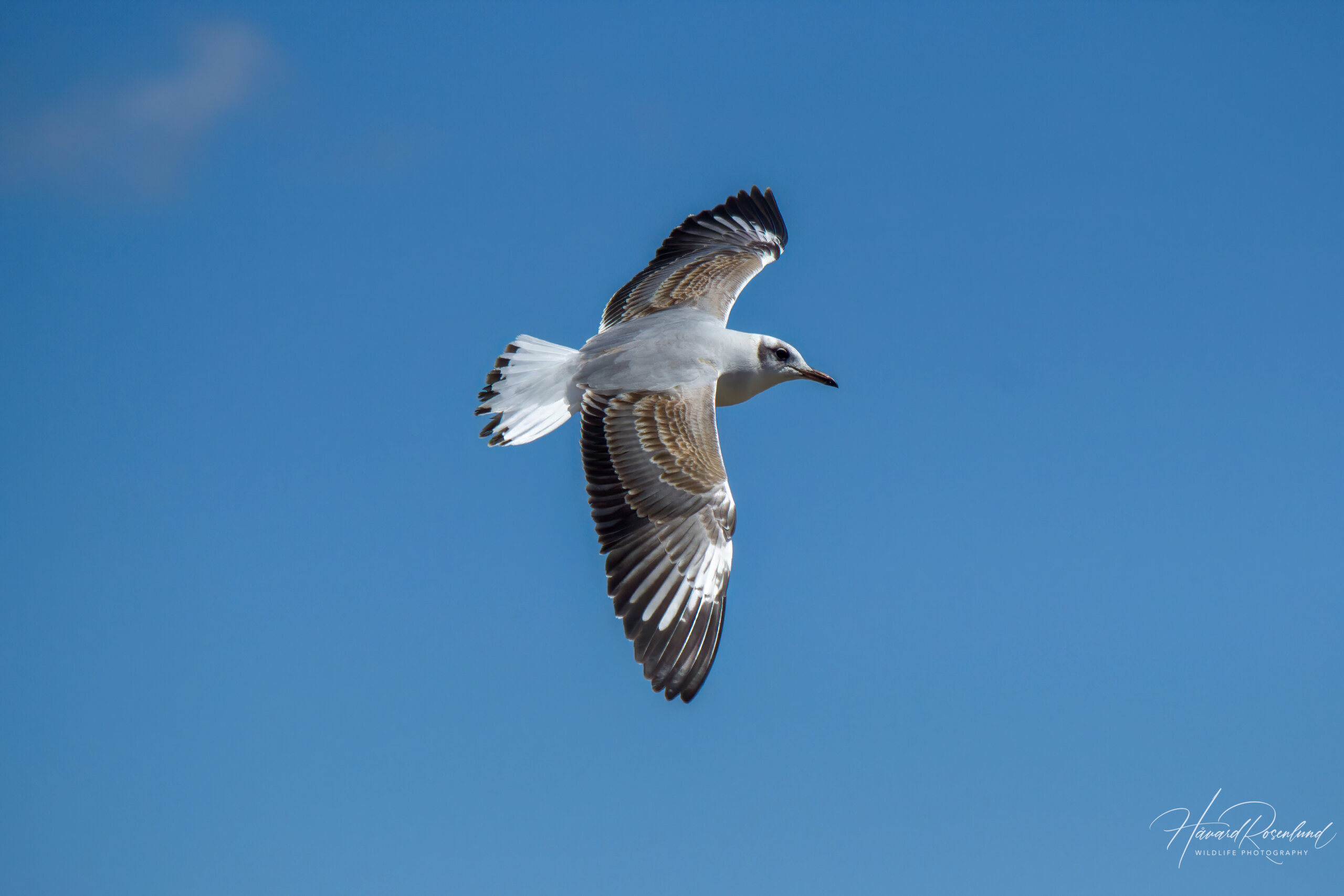
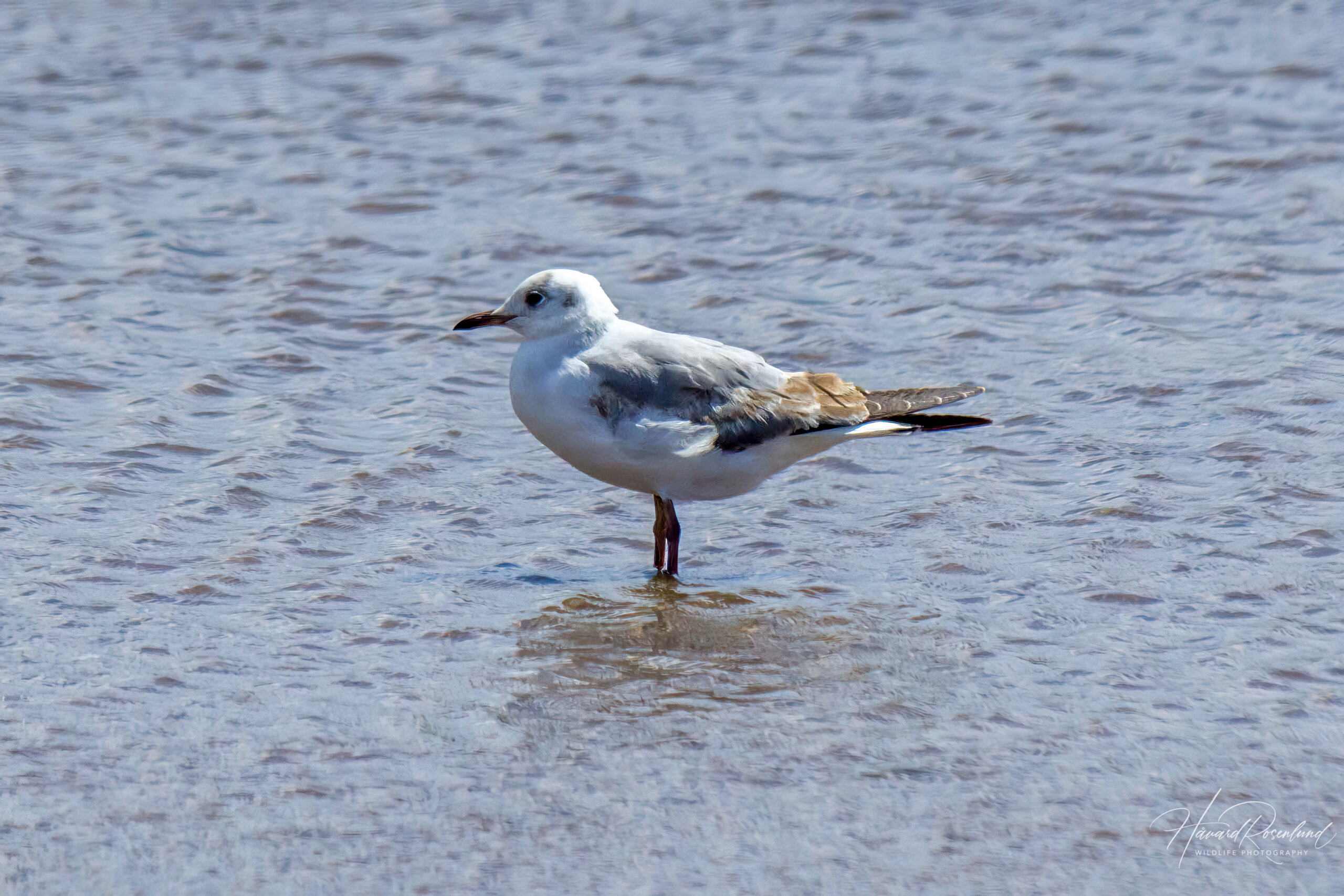
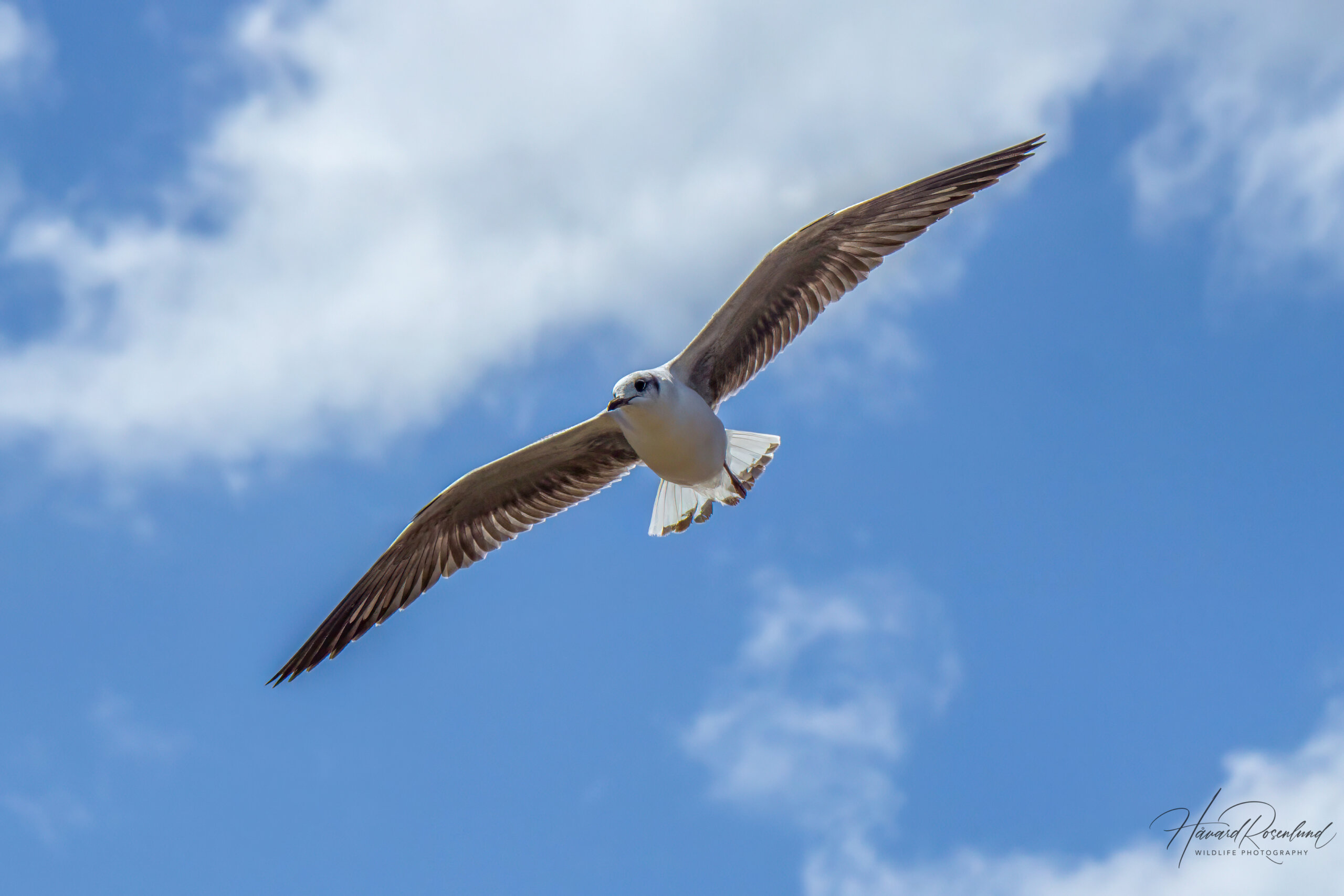
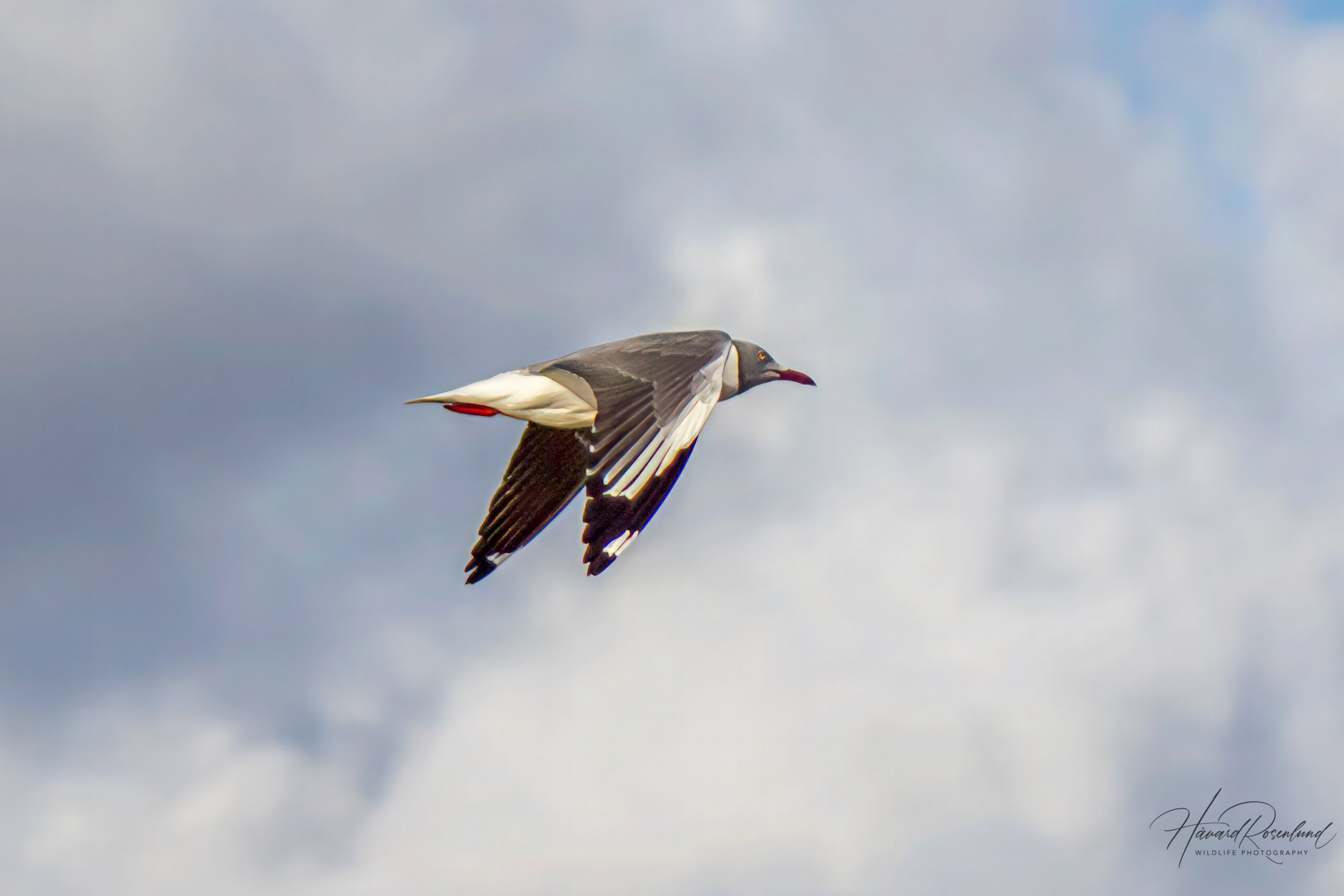
Adults have grey upperparts, a mostly white body, deep red bill and legs, and a pale ash-grey hood in breeding plumage. Outside the breeding season the head becomes mostly white with darker smudges around and behind the eye. Juveniles show more brown in the wings and a dark terminal band on the tail. The species is considered a two-year gull, meaning full adult plumage is reached during the second year of life.
Taxonomy
Two subspecies are generally recognised: C. c. cirrocephalus in South America and C. c. poiocephalus across sub-Saharan Africa and Madagascar. Their separation on opposite sides of the Atlantic gives the species an unusual two-continent distribution.
BirdLife's current Red List account still uses the older combination Larus cirrocephalus, whereas modern global checklists place the species in Chroicocephalus. Genetic work has also suggested that the African population is closely related to Hartlaub's gull (Chroicocephalus hartlaubii), but current classifications continue to treat the African and South American populations as one species.
Habitat
Grey-headed gulls use a broad range of coastal and inland wetlands. They occur around freshwater and saline lakes, shallow pans, rivers, marshes, estuaries, lagoons, harbours and shorelines, but they do not spend long periods far out at sea and usually remain fairly close to land.
Diet
The diet includes fish, aquatic and terrestrial invertebrates, eggs and other small animal prey. The species is highly opportunistic and also scavenges dead fish, carrion and refuse.
Feeding flocks often exploit temporarily rich food sources, including fishing harbours, agricultural areas and refuse sites.
Social behaviour
Grey-headed gulls are highly social and breed colonially. Breeding colonies may contain hundreds or thousands of birds, and the species also forms large feeding and roosting flocks outside the breeding season.
Outside major gatherings they may occur in pairs or small groups, but suitable wetlands and food-rich sites can concentrate large numbers in a small area.
Migration
Grey-headed gulls are partially migratory, and movement varies greatly between populations. Many birds remain within the same region through the year, while some inland breeders move toward the coast seasonally.
Tracking near O.R. Tambo International Airport has confirmed that some inland birds make long seasonal movements. One female flew overnight from the airport to the iSimangaliso Wetland area on the east coast in 11.5 hours. Such movements do not occur in every population, but they show how far some individuals can travel between inland areas and the coast.
Breeding
Breeding colonies are commonly established in reedbeds, marshes or on protected islands. Nests may be simple scrapes on the ground or substantial floating platforms among wetland vegetation.
The usual clutch contains two or three eggs. Both adults share incubation and care of the young, and incubation lasts about 25 days.
Relationship with humans
Grey-headed gulls readily use human-modified landscapes. Refuse sites, fishing harbours, settlements, cattle pens and other food-rich environments can support large feeding concentrations.
This adaptability can also create conflict. Around O.R. Tambo International Airport in Johannesburg, large numbers of gulls use pans, open fields and feeding sites around the airfield and are considered a significant aviation-safety risk. BirdLife South Africa and airport partners have used tracking data to understand daily and seasonal movements and improve management while reducing collision risk.
Status
The grey-headed gull remains classified as Least Concern on the IUCN Red List. The current assessment dates from 2018, and the global population trend is considered stable.
The species has an enormous combined range across Africa and South America. Local colonies may still face pressures such as egg collecting and wetland disturbance, so secure breeding islands and marshes remain important even though the species is not globally threatened.
Image gallery
Loading map and observations…
Have you seen this species?
Independent species archive
Did you find this species page useful?
Wildlife Vagabond is independently built and maintained. Voluntary support helps cover hosting, maps, data storage and continued improvements to the species archive.
Support Wildlife VagabondSpecies content will remain freely available.
References
Information about the species’ global distribution and status is based primarily on global Red List data. See the references below for details.
- BirdLife International. (n.d.). Grey-headed Gull species factsheet and IUCN assessment (2018; current DataZone account). https://datazone.birdlife.org/species/factsheet/grey-headed-gull-larus-cirrocephalus
- BirdLife South Africa. (n.d.). Grey-headed Gull tracking: seasonal movements around O.R. Tambo International Airport. https://www.birdlife.org.za/what-we-do/species-conservation/what-we-do/acsa-collaboration/grey-headed-gull-tracking/
- Given, A. D., Mills, J. A., & Baker, A. J. (2005). Molecular Evidence for Recent Radiation in Southern Hemisphere Masked Gulls. The Auk, 122(1), 268-279. https://doi.org/10.1093/auk/122.1.268
- International Union for Conservation of Nature. (n.d.). Chroicocephalus cirrocephalus (Grey-headed Gull). The IUCN Red List of Threatened Species. https://www.iucnredlist.org/species/22694387/132547419
- Pacheco et al. (n.d.). Breeding biology review and records of the Grey-headed Gull in South America. https://www.scielo.br/j/paz/a/ppjrX9T8SdHxgnSzwKz7cgv/
- Tobias, J. A., Sheard, C., Pigot, A. L., Devenish, A. J. M., Yang, J., Sayol, F., Neate‐Clegg, M. H. C., Alioravainen, N., Weeks, T. L., Barber, R. A., Walkden, P. A., MacGregor, H. E. A., Jones, S. E. I., Vincent, C., Phillips, A. G., Marples, N. M., Montaño‐Centellas, F. A., Leandro‐Silva, V., Claramunt, S., … Schleuning, M. (2022). AVONET: morphological, ecological and geographical data for all birds. Ecology Letters, 25(3), 581-597. https://doi.org/10.1111/ele.13898
- Černý, D., & Natale, R. (2022). Comprehensive taxon sampling and vetted fossils help clarify the time tree of shorebirds (Aves, Charadriiformes). Molecular Phylogenetics and Evolution, 177, 107620. https://doi.org/10.1016/j.ympev.2022.107620