
Mallard
Anas platyrhynchos
At a glance
Habitat
- Shallow lakes, ponds, marshes, rivers, estuaries, coasts, farmland and urban wetlands
Diet
- Seeds, aquatic plants, grains and a wide range of invertebrates
Activity
- Active by day and night, often feeding most in morning and evening
Size
- Length: 50–65 cm Weight: 0.72–1.58 kg
Range
- Native across North America, Europe, Asia and North Africa; introduced widely elsewhere
Description
The mallard (Anas platyrhynchos) is one of the world's most widespread and familiar ducks and the wild ancestor of most domestic duck breeds. Adults measure about 50–65 cm and weigh roughly 0.72–1.58 kg.
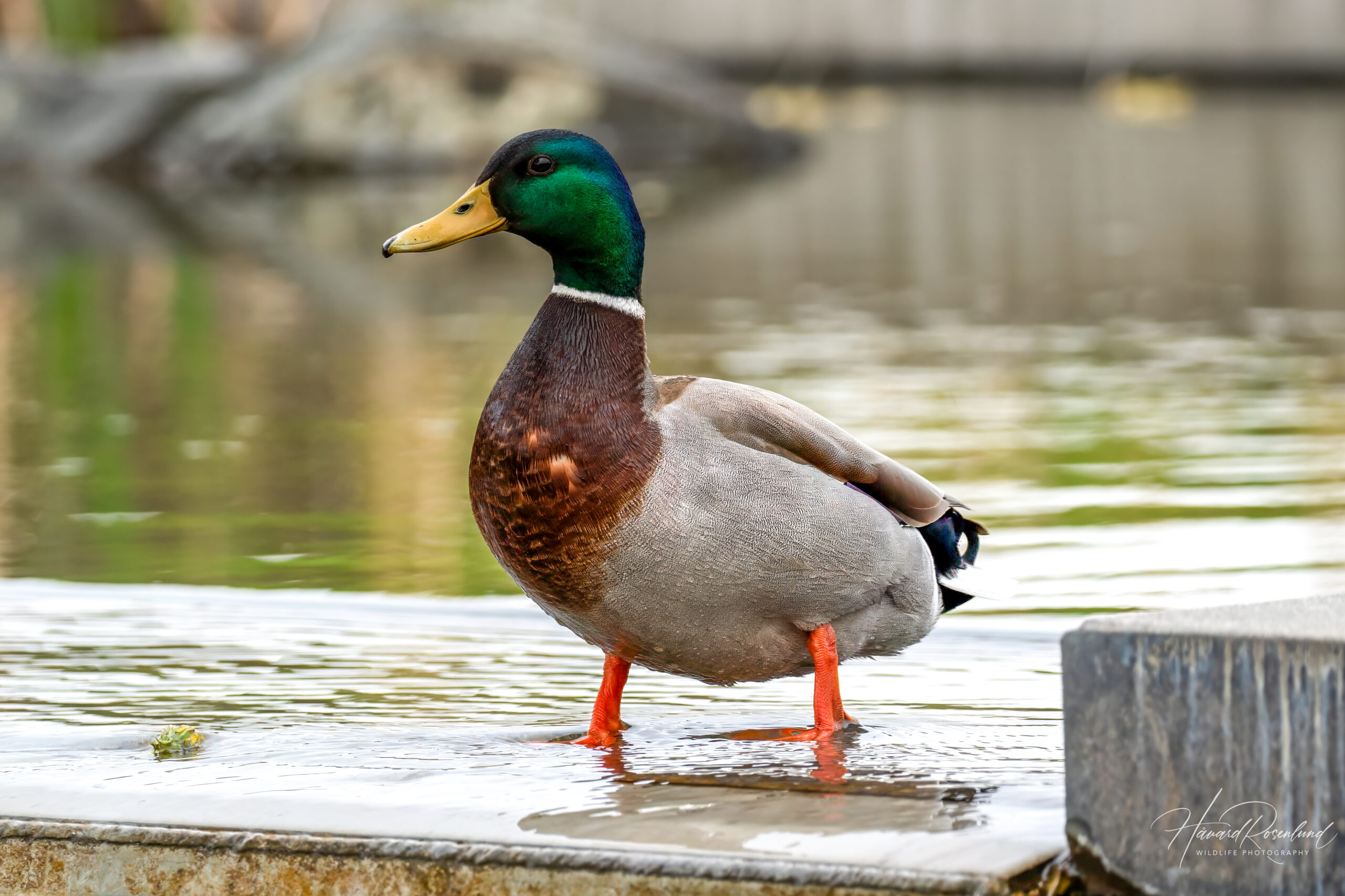
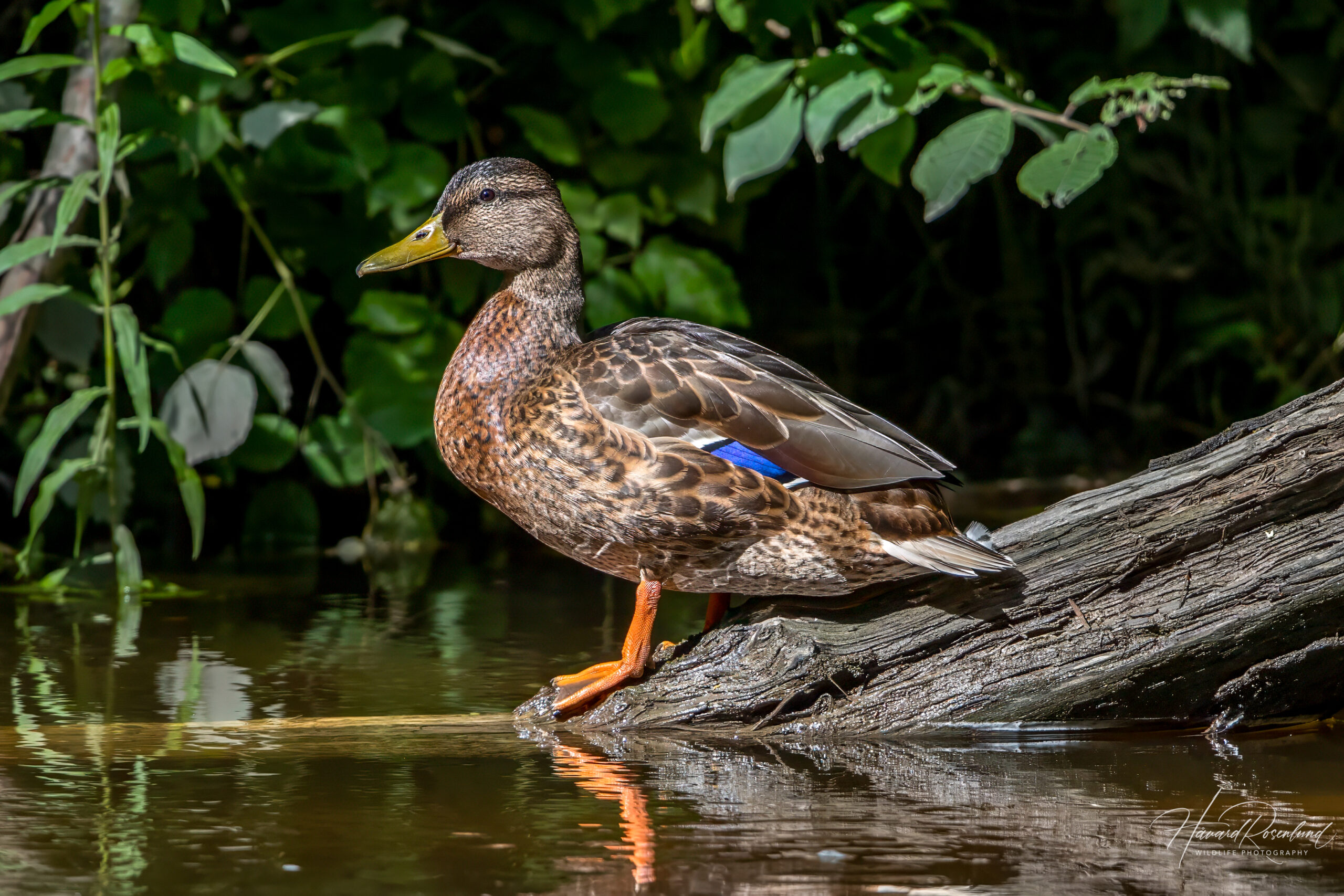
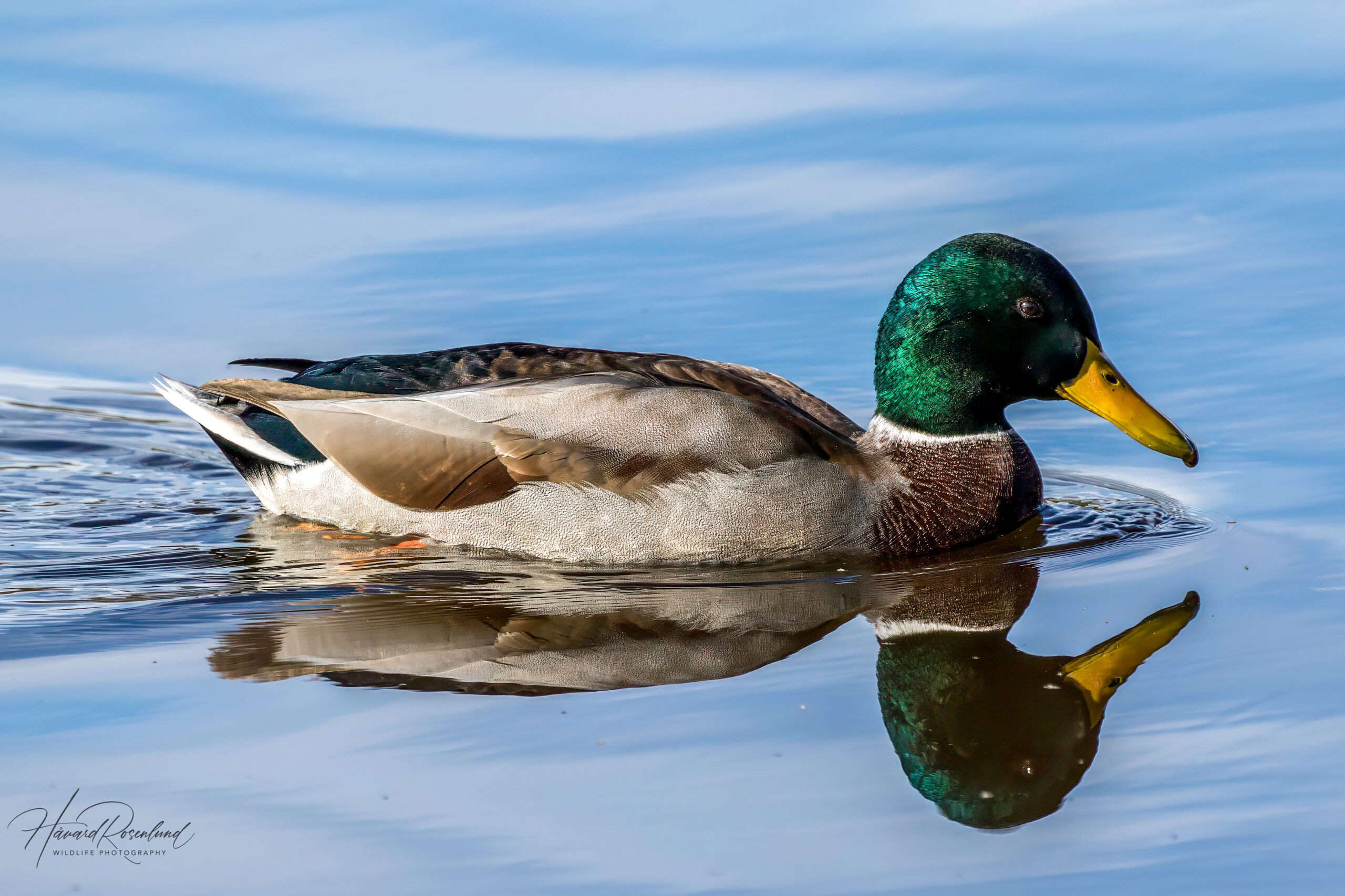
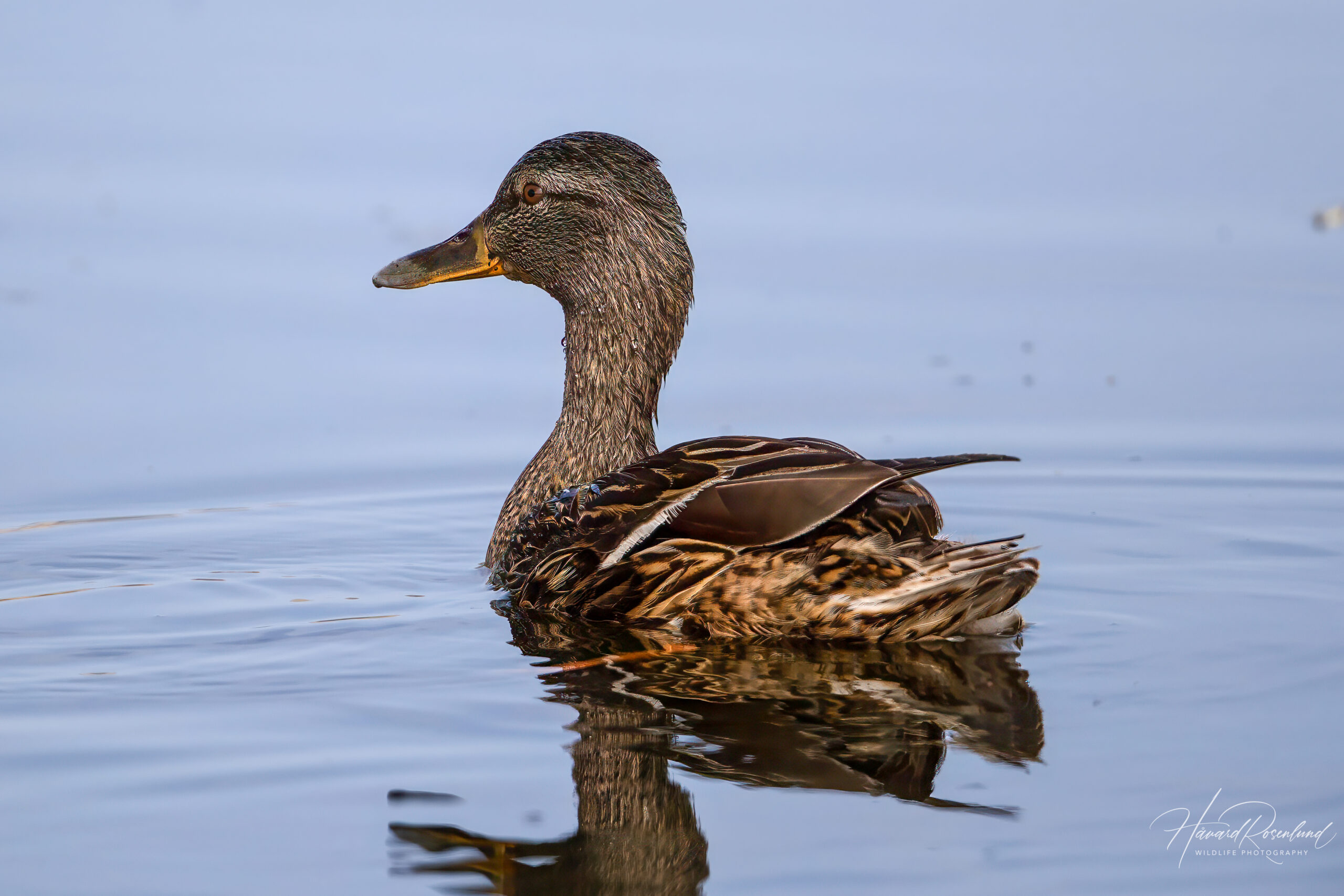
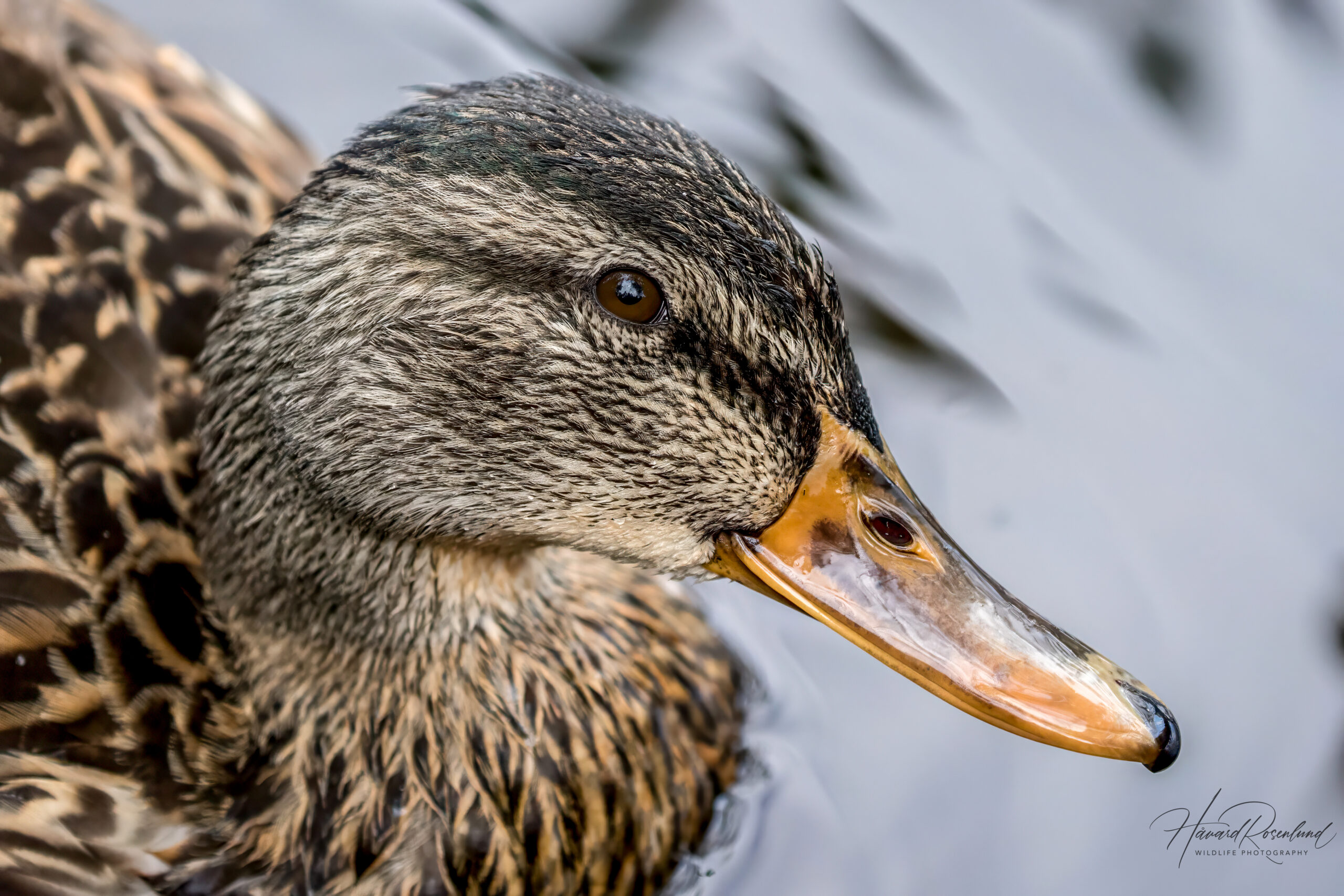
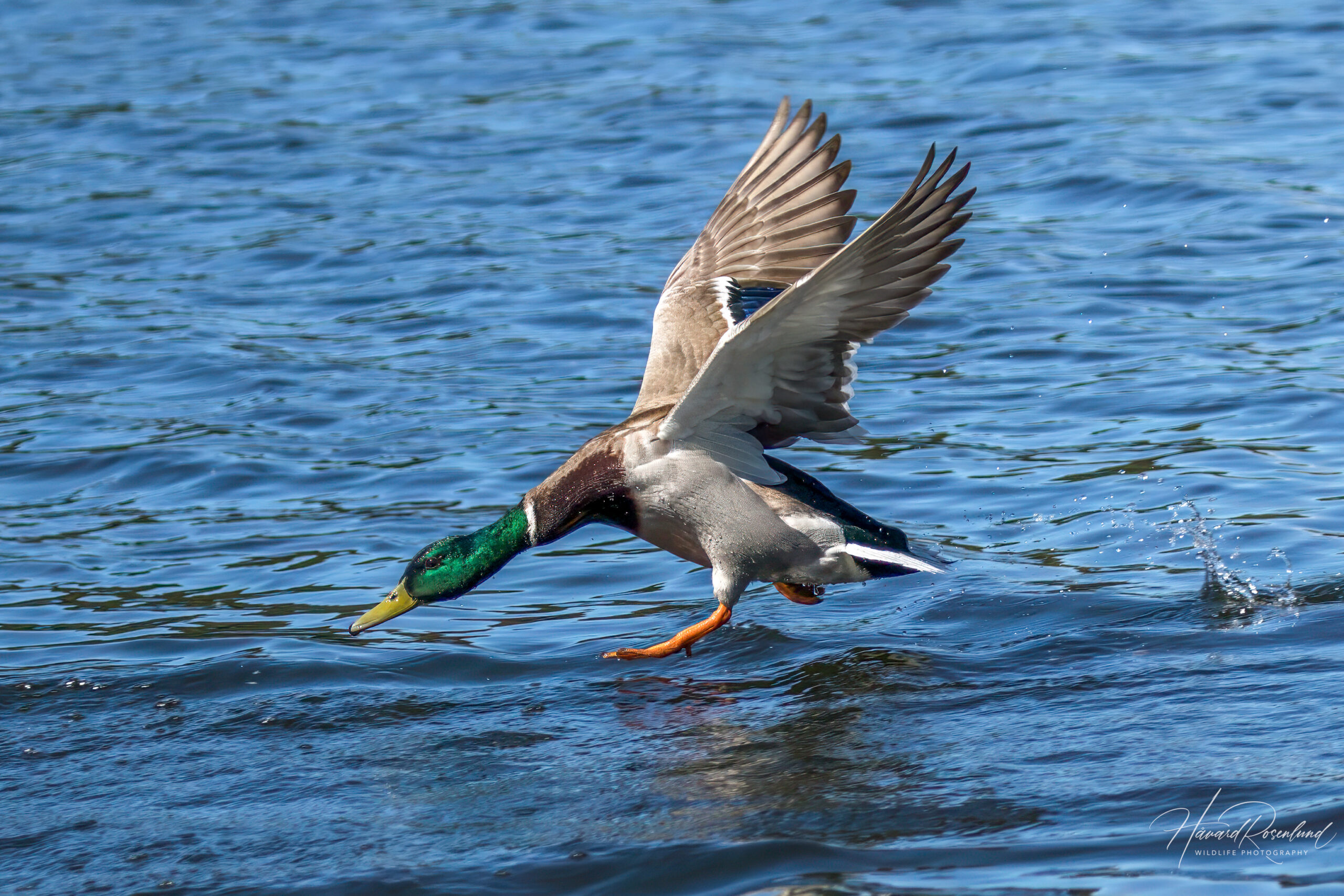
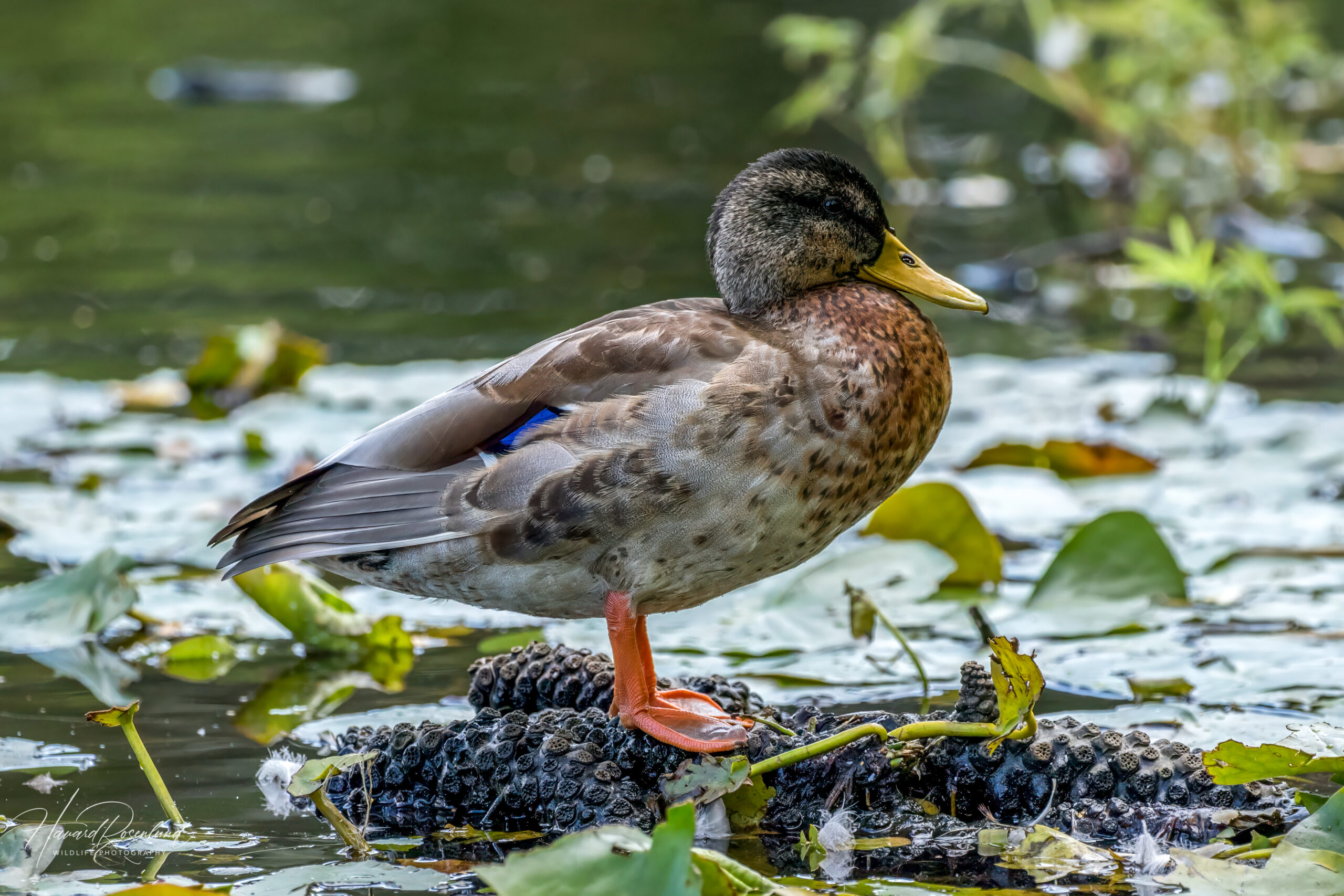
The breeding male has a glossy green head, yellow bill, narrow white neck-ring, chestnut breast and pale grey body. The female is mottled brown with an orange-and-black bill. Both sexes show a blue to violet wing speculum bordered in white. After breeding, males moult into a duller eclipse plumage that resembles the female but retains a yellowish bill and darker chest.
Habitat
Mallards use an exceptionally broad range of shallow freshwater and brackish habitats, including marshes, ponds, lakes, slow rivers, floodplains, reservoirs, estuaries, coastal lagoons, farmland and city parks.
They tolerate substantial human modification and can breed successfully in small urban wetlands, provided that water, cover and suitable nesting sites remain available.
Diet
Mallards are omnivorous. Seeds, leaves, roots, tubers, grain and aquatic plants form much of the diet, together with aquatic insects, snails, crustaceans, worms and other small animals.
The balance between plant and animal food varies strongly with season and habitat. During the breeding season, animal food can form a large part of the diet and is especially important to females and rapidly growing ducklings.
Foraging
Mallards are classic dabbling ducks. They feed from the water surface, graze on land and frequently tip the front of the body underwater while the tail points upward, reaching submerged plants, seeds and small animals without the sustained dives typical of diving ducks.
Feeding occurs by day and at night and can shift with weather, disturbance, hunting pressure and food availability. This flexible repertoire allows mallards to exploit everything from shallow natural wetlands to flooded fields and urban ponds.
Behaviour
Mallards are active both by day and at night. Outside periods of intensive feeding or migration, much of their time is spent resting, bathing and preening, often on open water or sheltered banks where approaching danger can be detected early.
The species readily adjusts its daily routine to local conditions. Birds in heavily disturbed places may become more active at quieter times, while individuals accustomed to people can behave very differently from wary birds in hunted wetlands.
Social behaviour
Outside the breeding season mallards are strongly social and can form large flocks at productive wetlands, feeding areas and wintering sites. Group size changes rapidly as birds move between food, resting water and safe night roosts.
These flocks are fluid rather than stable social units, with individuals joining and leaving as local conditions change. Pair bonds form well before nesting, and paired birds remain within these larger gatherings until breeding territories and nest sites become important.
Migration
Movement patterns vary greatly across the enormous range. Northern populations are often strongly migratory and move south as wetlands freeze, while birds in milder climates and many urban populations may remain resident or make only short seasonal movements.
Migration is flexible at the individual level and can also be influenced by ancestry from captive-reared mallard lines. A study published in 2025 found that North American mallards with more ancestry from captive-reared lines departed and arrived later in spring, migrated shorter distances and wintered or settled farther south. This shows that human-mediated genetic mixing can alter a behaviour central to the wild life cycle.
Breeding
Pair formation often begins in autumn or winter. Courtship includes ritualised head movements, calls, body postures and short display flights, and several males may court the same female before a pair bond is established.
The female chooses a concealed nest site, usually on the ground near water but sometimes in a tree cavity, planter, roof, balcony or other elevated site. She forms a shallow bowl from nearby vegetation and lines it with down. The male may remain nearby during egg-laying but normally leaves during incubation.
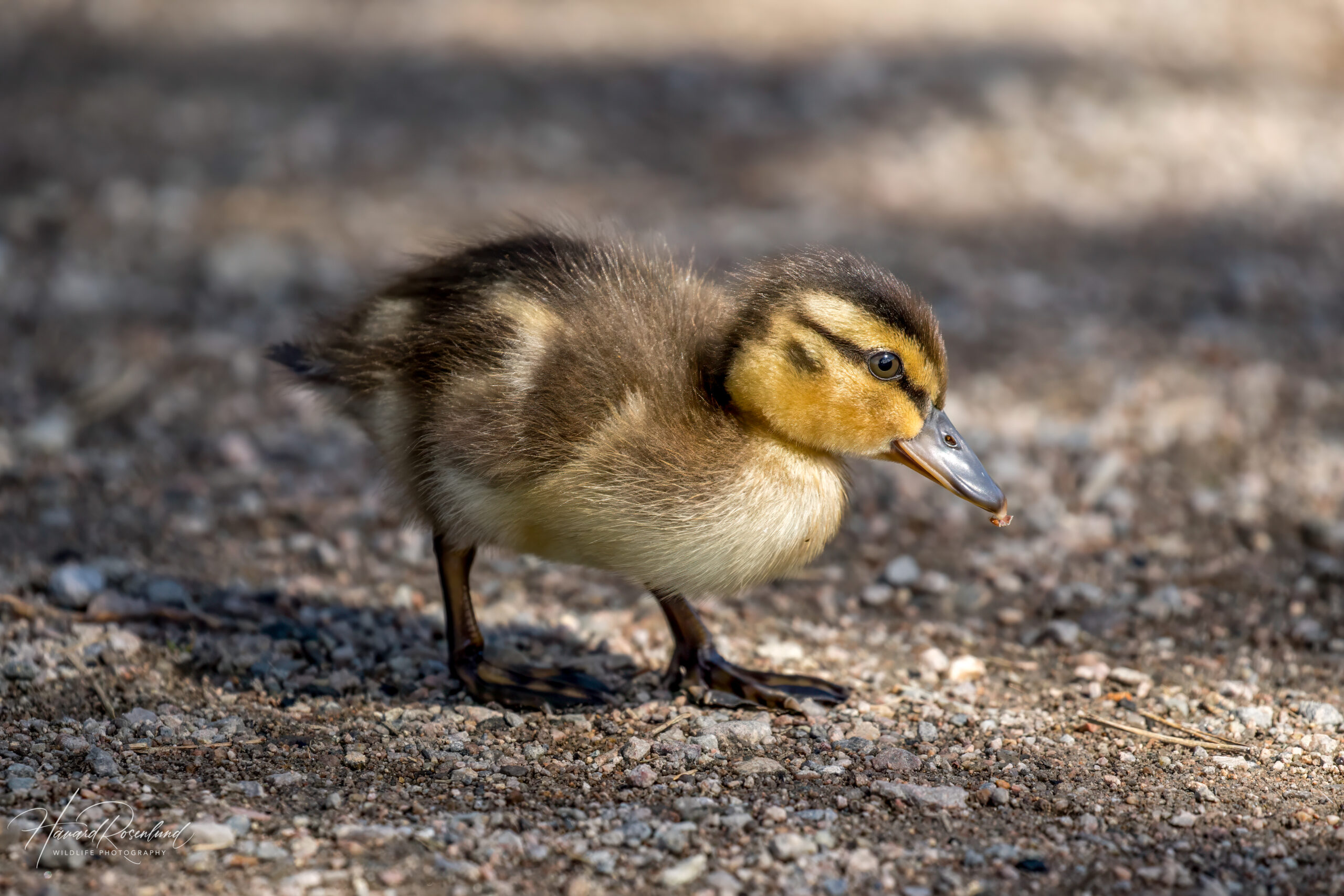
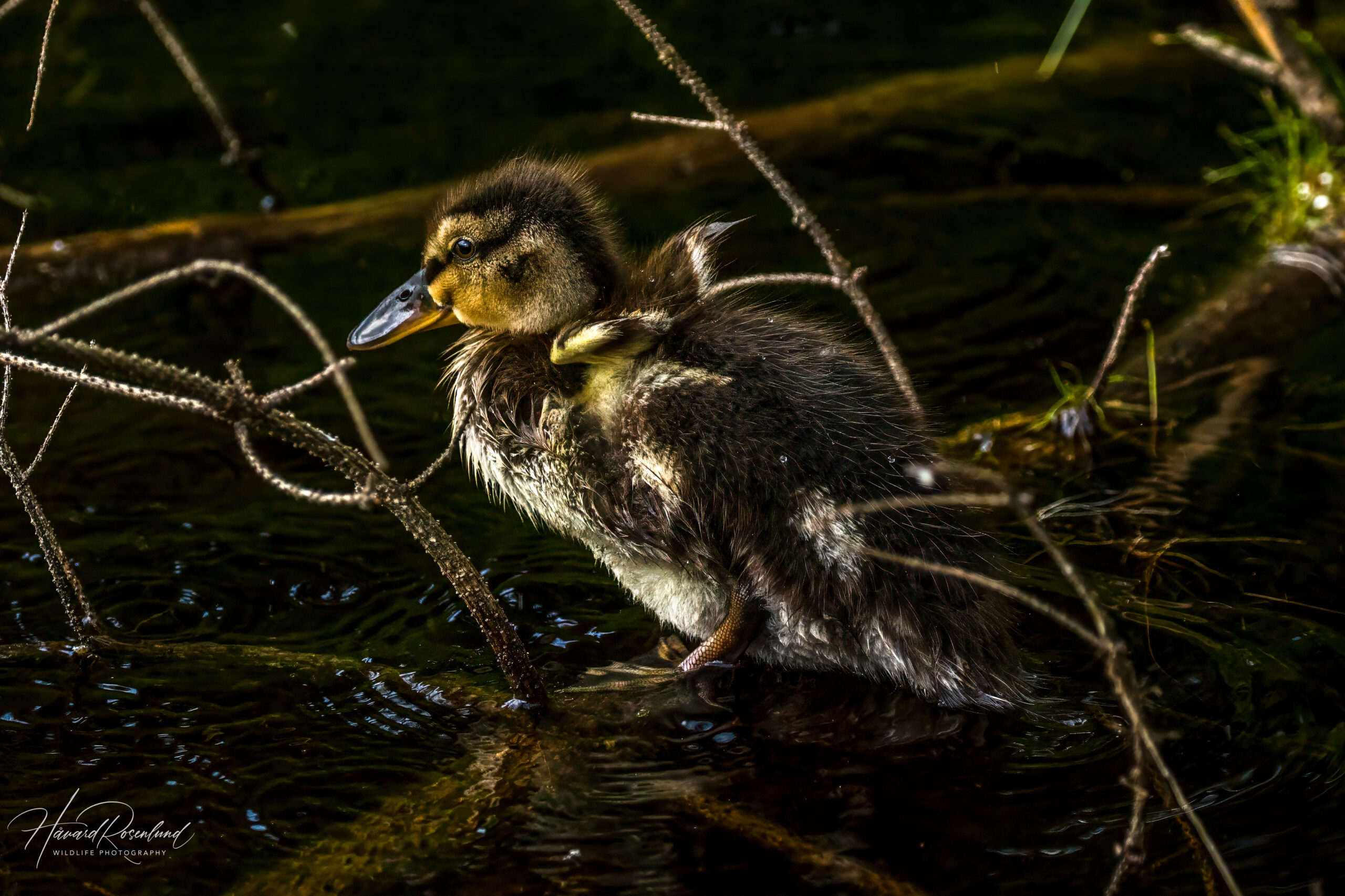
A clutch contains one to thirteen eggs, commonly around eight to twelve. The female incubates alone for about 23–30 days. The down-covered ducklings hatch well developed and usually leave the nest within 13–16 hours to follow their mother to water. They can swim within their first day. The female leads and protects the brood until the young approach flight age at roughly 50–60 days.
Relationship with humans
The mallard is the principal wild ancestor of almost all domestic duck breeds; the Muscovy duck (Cairina moschata) is the major domestic exception. Genomic studies suggest that domestication of mallard-derived ducks began roughly 2,200–2,500 years ago, although the precise origins are complicated by later gene flow among wild and domestic populations.
Artificial selection has produced enormous variation in body size, plumage colour, growth rate, egg production and fat deposition. Breeds such as the Pekin duck and specialised laying ducks therefore differ strikingly from their wild ancestors while still remaining capable of interbreeding with them.
Escaped domestic ducks and captive-reared mallards released for hunting frequently breed with wild mallards, producing extensive genetic mixing in some regions. Large-scale releases of captive-reared mallards have altered the genetic composition of wild populations in parts of Europe and North America.
Mallards also hybridise readily with related dabbling ducks. Where people have introduced them outside their native range, this can threaten small native duck populations through genetic introgression. Research in South Africa has documented hybridisation with native ducks, while work in North America shows that ancestry from captive-reared lines can also alter migration.
Feeding ducks in parks is another common interaction. Regular provision of bread and other processed foods can displace a more varied natural diet and concentrate large numbers of birds in small areas, increasing fouling and close contact between individuals.
Status
The mallard is classified as least concern on the IUCN Red List. It has an enormous native range and remains abundant, although population trends vary among regions and with drought and wetland conditions.
Wetland degradation, poor water quality, disease, hunting, lead exposure and collisions cause local mortality, but none of these pressures threatens the species globally.
Image gallery
Loading map and observations…
Have you seen this species?
Independent species archive
Did you find this species page useful?
Wildlife Vagabond is independently built and maintained. Voluntary support helps cover hosting, maps, data storage and continued improvements to the species archive.
Support Wildlife VagabondSpecies content will remain freely available.
References
Information about the species’ global distribution and status is based primarily on global Red List data. See the references below for details.
- Bakner, N. W., Masto, N. M., Lavretsky, P., Highway, C. J., Keever, A. C., Blake‐Bradshaw, A. G., Askren, R. J., Hagy, H. M., Feddersen, J. C., Osborne, D. C., & Cohen, B. S. (2025). Mallard Hybridization With Domesticated Lineages Alters Spring Migration Behavior and Timing. Ecology and Evolution, 15(1), e70706. https://doi.org/10.1002/ece3.70706
- BirdLife International. (n.d.). Mallard Anas platyrhynchos species factsheet. https://datazone.birdlife.org/species/factsheet/mallard-anas-platyrhynchos
- BirdLife Norge. (2016). Ville tilstander med stokkender fra oppdrett!. https://www.birdlife.no/naturforvaltning/nyheter/?id=1653
- BirdLife Norge. (n.d.). Stokkand Anas platyrhynchos. https://www.birdlife.no/emner/?e=stokkand
- Cornell Lab of Ornithology. (n.d.). Mallard life history: habitat, food, behaviour and nesting. https://www.allaboutbirds.org/guide/Mallard/lifehistory
- Guay, P.-J., Taysom, A., Robinson, R., & Tracey, J. P. (2014). Hybridization between the Mallard and native dabbling ducks: causes, consequences and management. Pacific Conservation Biology, 20(1), 41-47. https://doi.org/10.1071/PC140041
- International Union for Conservation of Nature. (2017). Anas platyrhynchos. The IUCN Red List of Threatened Species. https://www.iucnredlist.org/species/22680186/119275821
- Lavretsky, P., Mohl, J. E., Söderquist, P., Kraus, R. H. S., Schummer, M. L., & Brown, J. I. (2023). The meaning of wild: Genetic and adaptive consequences from large-scale releases of domestic mallards. Communications Biology, 6(1), 819. https://doi.org/10.1038/s42003-023-05170-w
- Stephens, K., Measey, J., Reynolds, C., & Le Roux, J. J. (2020). Occurrence and extent of hybridisation between the invasive Mallard Duck and native Yellow-billed Duck in South Africa. Biological Invasions, 22(2), 693-707. https://doi.org/10.1007/s10530-019-02122-6
- U.S. Fish & Wildlife Service. (n.d.). Mallard Anas platyrhynchos: life cycle and duckling development. https://www.fws.gov/species/mallard-anas-platyrhynchos
- Zhu, F., Yin, Z.-T., Wang, Z., Smith, J., Zhang, F., Martin, F., Ogeh, D., Hincke, M., Lin, F.-B., Burt, D. W., Zhou, Z.-K., Hou, S.-S., Zhao, Q.-S., Li, X.-Q., Ding, S.-R., Li, G.-S., Yang, F.-X., Hao, J.-P., Zhang, Z., … Hou, Z.-C. (2021). Three chromosome-level duck genome assemblies provide insights into genomic variation during domestication. Nature Communications, 12(1), 5932. https://doi.org/10.1038/s41467-021-26272-1